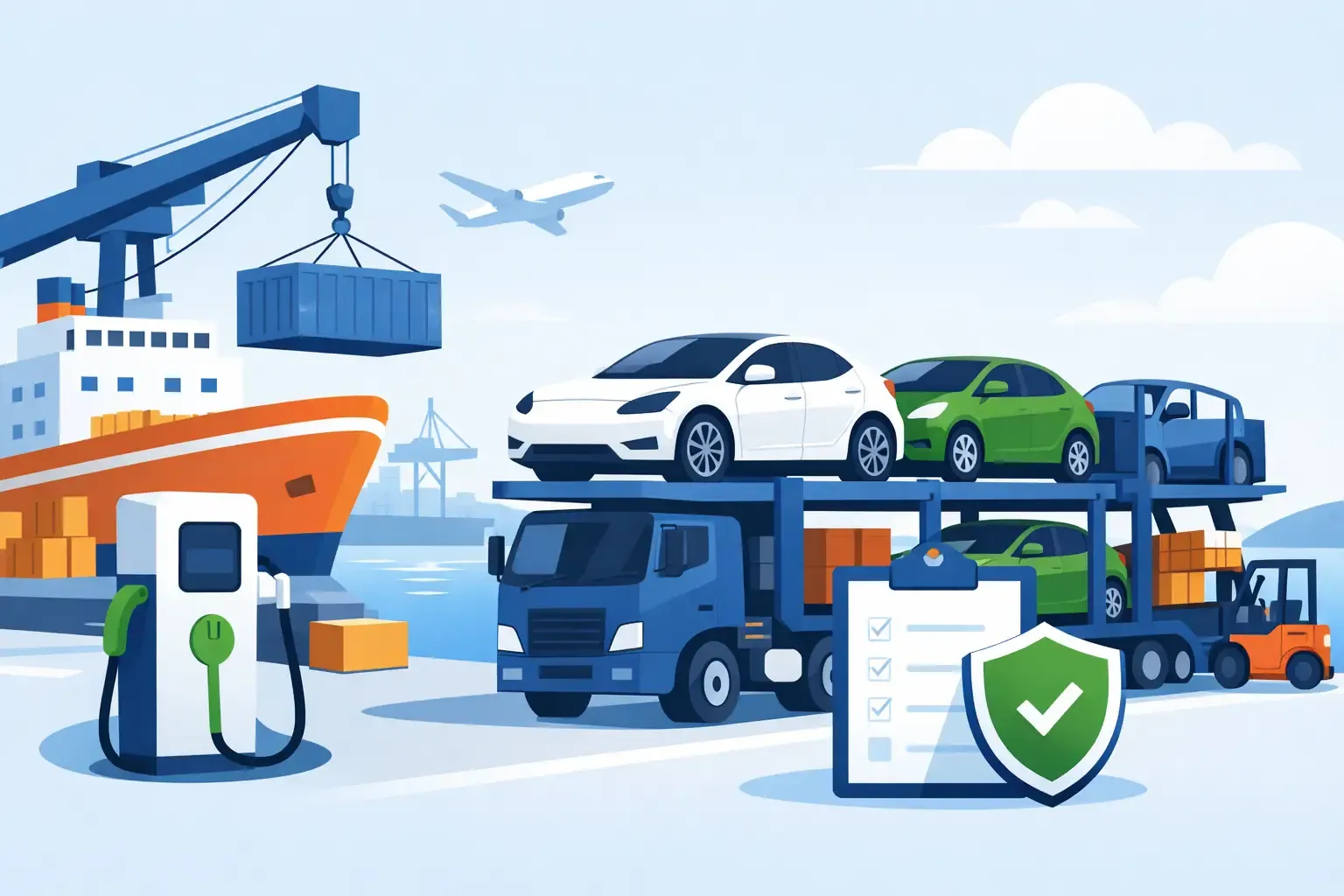
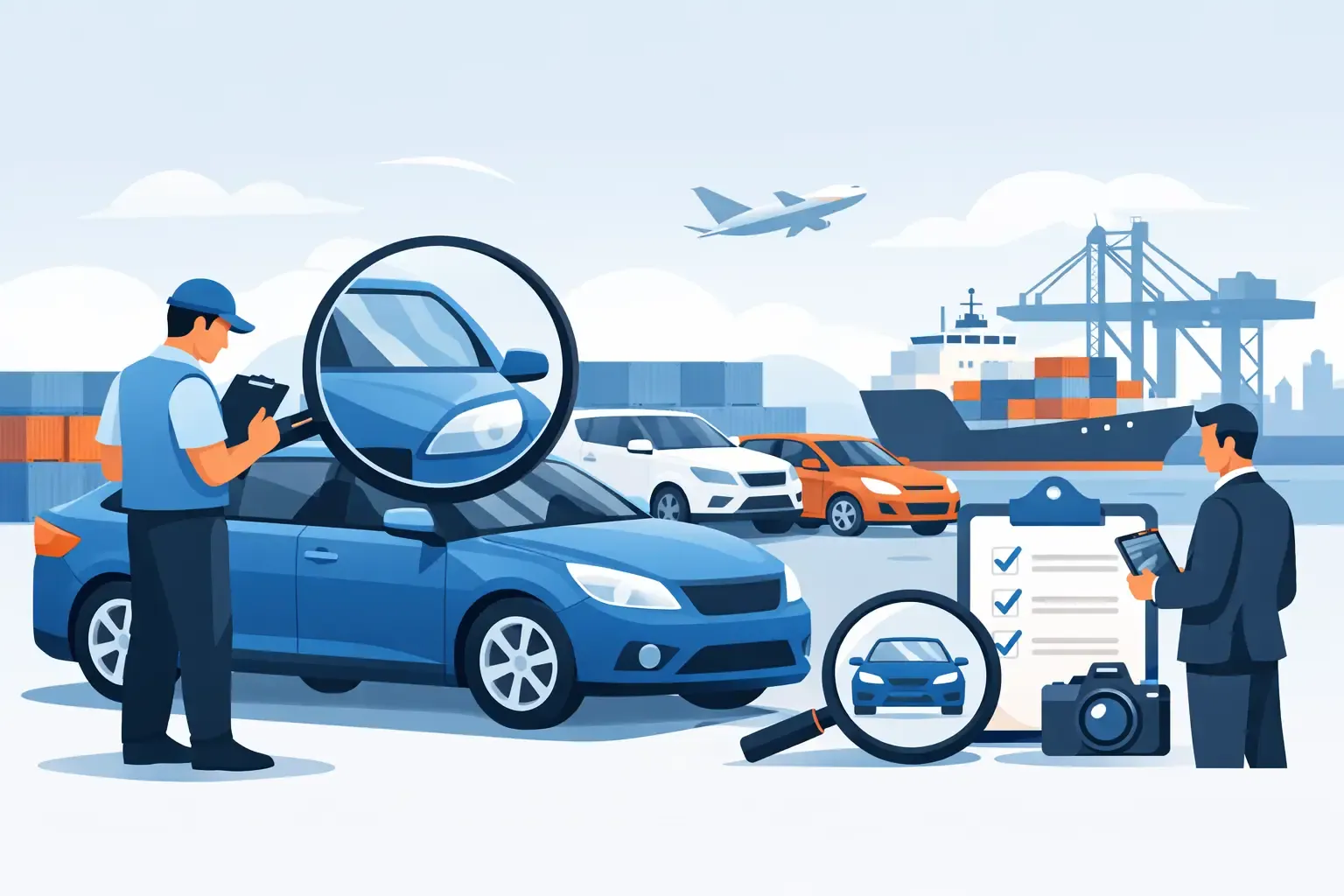
A vehicle can look right on paper and still create expensive problems once it reaches the destination port. This is the core reason why use pre shipment inspections is such a practical question for international buyers. When you are sourcing a vehicle across borders, especially a high value EV, commercial unit, or armored model, inspection before dispatch is not an extra formality it is a control point that protects the transaction.
For export buyers, timing matters, condition matters, and specification accuracy matters. Once a unit is loaded, shipped, cleared, and received, fixing preventable issues becomes slower and more costly. A pre shipment inspection helps confirm that the vehicle being delivered matches the deal that was agreed, and that it is ready to move through the export process with fewer surprises.
Why use pre shipment inspections in vehicle export?
In local buying, a problem can often be handled with a quick return visit. International vehicle trade does not work that way. Distance, customs procedures, freight schedules, and local compliance requirements create a narrower margin for error. A missing accessory, battery fault, cosmetic damage, or mismatch in trim can turn into storage fees, claim disputes, delayed delivery, or customer dissatisfaction.
That is why pre shipment inspections matter most in export transactions. Create a documented checkpoint before the vehicle leaves origin. The inspection confirms core details such as VIN accuracy, visible condition, equipment fitment, basic functionality, and overall readiness for shipment. the buyer, that reduces uncertainty. the seller, it reduces avoidable after sales friction.
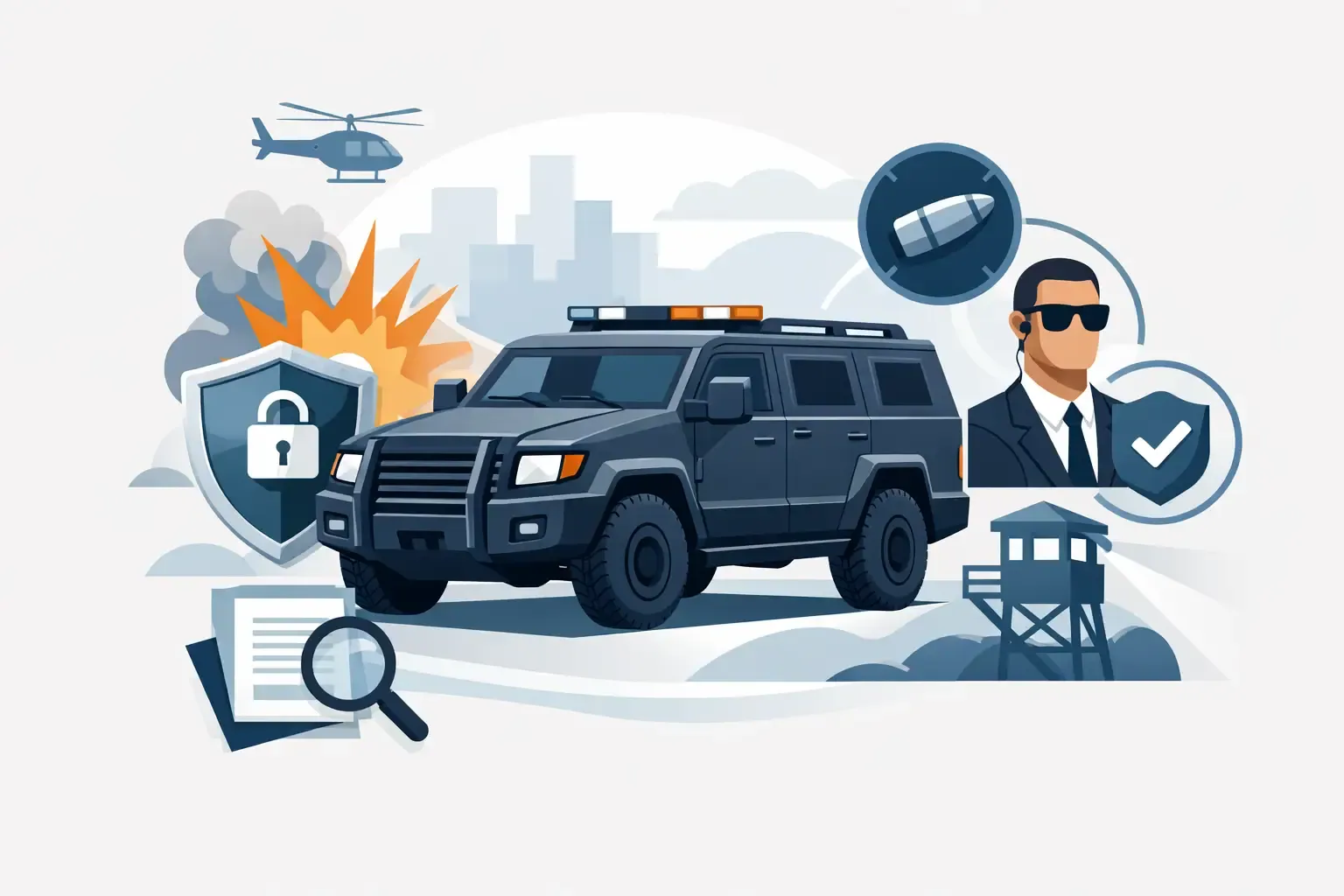
This is especially relevant in modern inventory categories. EVs, plug in hybrids, and extended range vehicles often involve battery condition, charging components, software interfaces, and trim specific equipment that buyers need to receive exactly as ordered. Commercial vehicles may require body configuration checks, tire condition review, and accessory verification. Armored vehicles involve even tighter expectations around finish, specification, and build integrity.
The real costs of skipping inspection
Many buyers focus on FOB price, shipping rate, and arrival timeline. Those are important, but they are not the only costs in a cross border vehicle purchase. The cost of a preventable issue after shipment is often much higher than the cost of checking the unit properly before loading.
If a vehicle arrives with transit unrelated damage that went undocumented, the dispute becomes difficult. The wrong trim or option package is shipped, the resale value may drop in the destination market. A commercial buyer receives units with inconsistent condition, fleet deployment gets delayed. an EV arrives without the expected charging accessories or with unresolved warnings, handover to the end customer becomes more complicated.
There is also the cost of time. Port storage, customs delays, workshop coordination, buyer complaints, and rescheduling local delivery all create operational drag. For traders and fleet operators, delay can affect cash flow and customer commitments. Individual buyers, it can turn a straightforward purchase into a long corrective process.
What a pre shipment inspection actually checks
A proper inspection is not just someone taking a quick look around the car. In export operations, it should verify the identity, condition, and readiness of the vehicle against the order and the shipping process.
Usually starts with confirmation of the VIN, model, year, color, and major specifications. It then moves into visible exterior and interior condition, including scratches, dents, trim fitment, glass, lights, wheels, and tire condition. Basic operational checks may include startup status, dashboard warnings, key availability, electronics, and essential functions that can be confirmed before dispatch.
In the case of EVs and PHEVs, inspection can also help confirm charging accessories, port condition, screen function, and that no obvious warning messages are present at the time of handover. Fin the case of commercial or specialist vehicles, the check may extend to cargo body details, seating configuration, protective equipment, or other order specific items.
It is not the same as a full long term mechanical guarantee, and serious buyers should understand that distinction. A pre shipment inspection is a point in time verification. Reduces risk, but it does not remove every possible issue that could appear later. The value is in catching visible discrepancies and shipment critical concerns before export.
Why use pre shipment inspections for EVs and specialty vehicles
The case becomes stronger when the inventory is specialized. EVs and hybrid models can vary significantly by market specification, charging setup, software language, and included equipment. A buyer sourcing internationally may be choosing a model because it is hard to find locally, which means replacing the wrong unit is not simple.
Specialty vehicles create the same pressure in a different way. A commercial unit may be purchased for immediate business use. An armored vehicle may be bought for a security application where exact build details matter. In both cases, the buyer is not just purchasing transport. They are purchasing function, readiness, and compliance with a specific use case.
where inspection adds commercial value. Verifies that what is being shipped is aligned with the buyer’s intended operation, not just the listing description.Professional buyers, this helps protect downstream commitments to clients, internal teams, or government and security stakeholders.
Inspection improves trust, but also negotiation discipline
There is another benefit that experienced importers understand well. Pre shipment inspections improve transaction discipline on both sides. When condition and specification are checked before dispatch, the deal becomes clearer. Less room for assumption, less room for informal interpretation, and fewer disagreements after arrival.
Matters in international trade because buyers and sellers may be working across different languages, time zones, and market norms. Clear inspection records help keep the transaction factual. Support better communication with freight partners, receiving agents, customs brokers, and final buyers if the vehicle is being resold.
Resellers, this can also support margin protection. A documented, inspected unit is easier to present confidently to the next customer. Fleet buyers, it supports consistency across multiple units. Individual overseas buyers, it creates reassurance before funds are committed and the vehicle leaves origin.
When inspection depth should be higher
Not every vehicle requires the same level of review. A nearly new authorized vehicle with straightforward specification may need a different inspection scope than an armored SUV or a used commercial truck heading into a demanding market. The right level depends on vehicle type, transaction value, buyer expectations, and the regulatory environment at destination.
Higher inspection discipline is usually worth it when the vehicle is high value, technically specialized, time sensitive, or intended for resale. Also matters more when local market acceptance depends heavily on condition and exact specification. The receiving country has strict import rules, confirming shipment readiness before departure becomes even more important.
Said, inspection should not slow the transaction unnecessarily. In efficient export operations, the process should support speed, not work against it. The goal is to identify issues early enough to correct them without disrupting shipment planning.
Why this matters to serious international buyers
Buyers in cross border automotive trade are rarely just buying a car. buying availability, fulfillment, and confidence that the unit can move from stock to destination with minimal friction. why pre shipment inspections remain a core part of reliable export execution.
Help verify that the vehicle matches the order. Reduce avoidable disputes. Support smoother handover at destination. And they give buyers a stronger basis for planning customs clearance, local registration, resale, or operational deployment.
Companies handling export ready inventory, inspection is also a sign of process maturity. Shows that the transaction is being managed with attention to detail, not just speed. Fast delivery is valuable only when the right vehicle arrives in the right condition.
Automotion Global operates in exactly this kind of environment, where buyers need verified sourcing, export readiness, and dependable coordination across borders. In that context, inspection is not a sales extra it is part of professional vehicle fulfillment.
If you are evaluating an international purchase, the better question is not whether inspection adds one more step it is whether you can afford to ship first and verify later.