When a vehicle is purchased for international shipment, the biggest risks usually appear before the cargo even leaves the origin country. Delays, specification mismatches, hidden damage, incomplete paperwork, or incorrect units can create major operational and financial problems later in the process.
That is why a pre shipment vehicle inspection service matters.
For international buyers, inspection before export is not simply an additional step. It is part of proper procurement control and shipment preparation. Whether the order involves EVs, commercial vehicles, armored units, SUVs, or passenger cars, inspection helps reduce avoidable risks before loading begins.
The longer the shipping route and the larger the transaction value, the more important verification becomes.
What a pre shipment vehicle inspection service actually covers
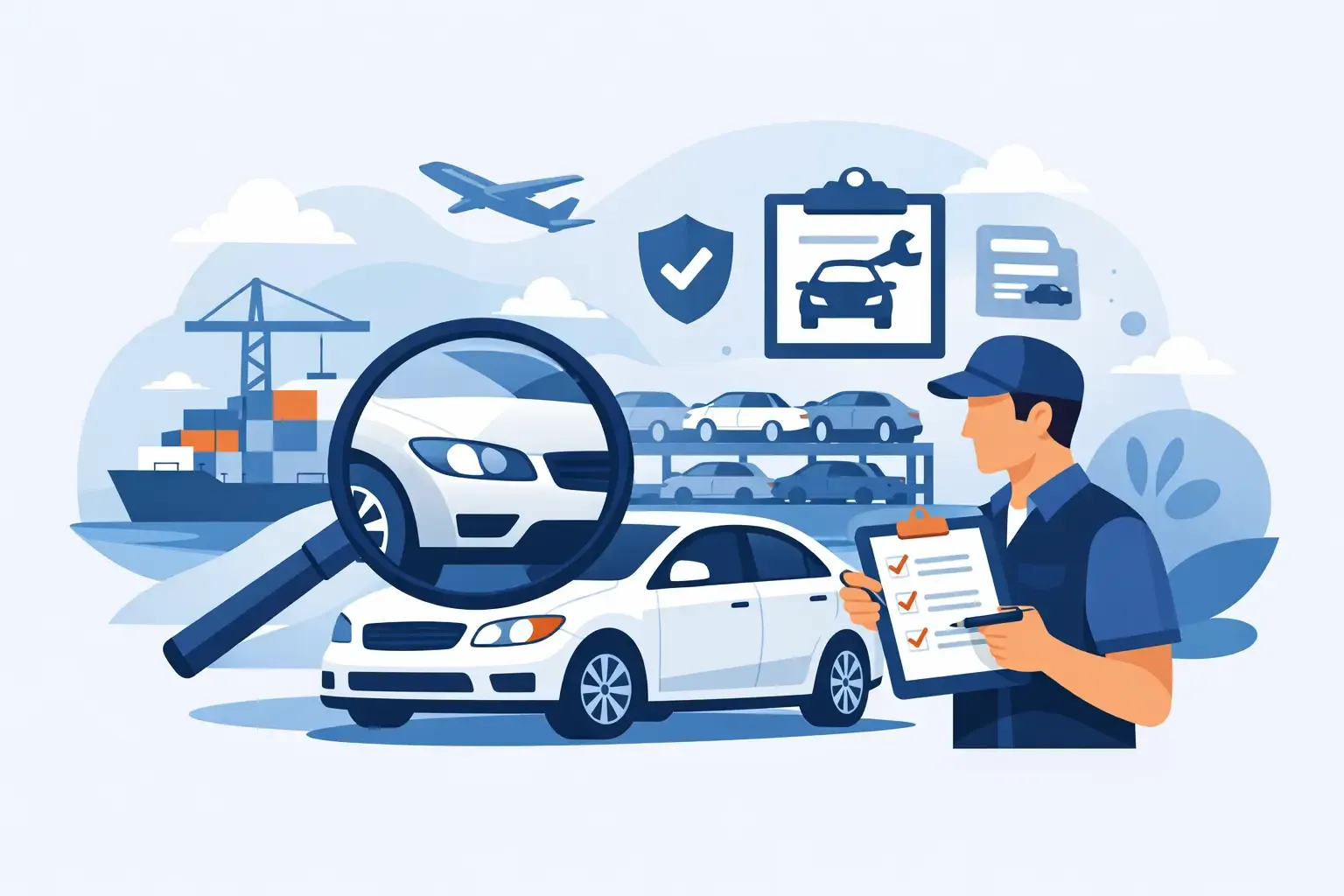
A pre shipment vehicle inspection service is a structured review completed before the vehicle leaves the origin point for export.
The goal is to confirm that the vehicle matches the commercial agreement and is suitable for shipment and export processing.
In practice, this usually includes:
- VIN verification
- Model and trim confirmation
- Exterior condition checks
- Interior inspection
- Tire and wheel condition review
- Mileage verification
- Battery and charging inspection for EVs
- Basic operational testing
- Export document verification
- Photo and video reporting
For many international buyers, the inspection report becomes the final verification stage before cargo loading approval.
Why inspection matters in vehicle export operations
Many international vehicle transactions are completed remotely. Buyers may never physically see the unit before shipment.
Without proper inspection, problems may only appear after arrival at destination ports. At that stage, delays, repair costs, customs complications, or disputes become significantly harder to resolve.
Inspection reduces that exposure.
It also improves operational transparency between suppliers, logistics teams, freight forwarders, and buyers.
For fleet purchases and commercial vehicle orders, inspection becomes even more important because delays affect business operations, delivery schedules, and deployment planning.
EV and commercial vehicle inspection requirements
Electric vehicles and commercial vehicles usually require additional inspection attention before export.
For EVs, inspection may include:
- Battery condition confirmation
- Charging port inspection
- Software status checks
- Transport mode verification
- High voltage warning review
For commercial vehicles, inspection often focuses on:
- Chassis condition
- Cargo equipment
- Hydraulic systems
- Tire condition
- Cabin equipment
- Operational readiness
Different destination markets may also require additional compliance checks before shipment approval.
Documentation and export verification
A professional pre shipment vehicle inspection service also helps verify export documentation before cargo release.
This may include checking:
- Commercial invoices
- Vehicle registration records
- Export declarations
- VIN consistency
- Shipping information
- Ownership documentation
Incorrect paperwork can create customs delays or shipment holds at destination ports. Early verification helps reduce those risks.
Final thoughts
In international automotive trade, inspection is not simply about checking vehicle appearance. It is about shipment readiness, compliance, accuracy, and operational confidence.
A structured pre shipment vehicle inspection service helps buyers confirm that the vehicle being shipped is the same vehicle that was agreed upon commercially.
For cross border vehicle sourcing, proper inspection is one of the most important layers of risk control before export.