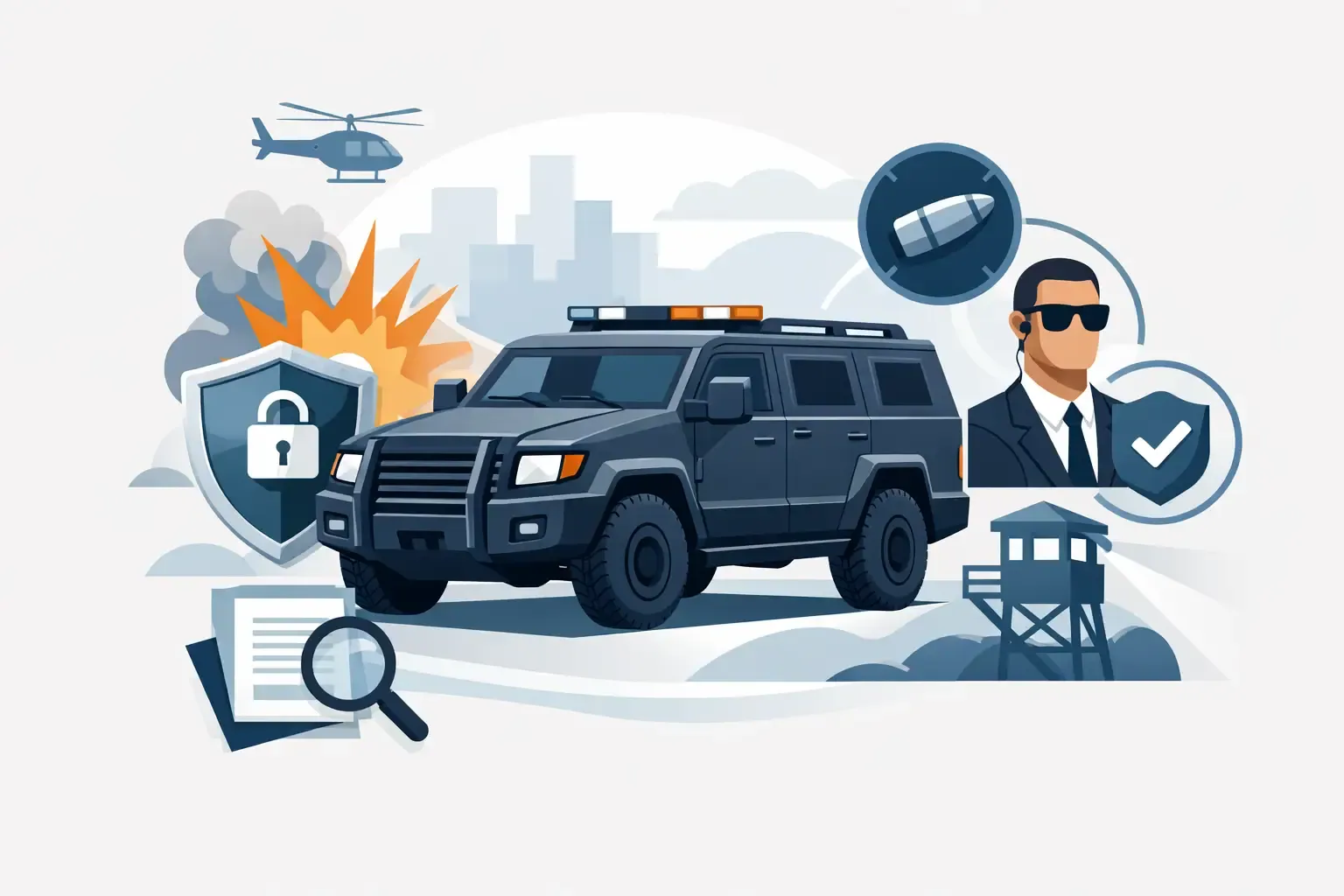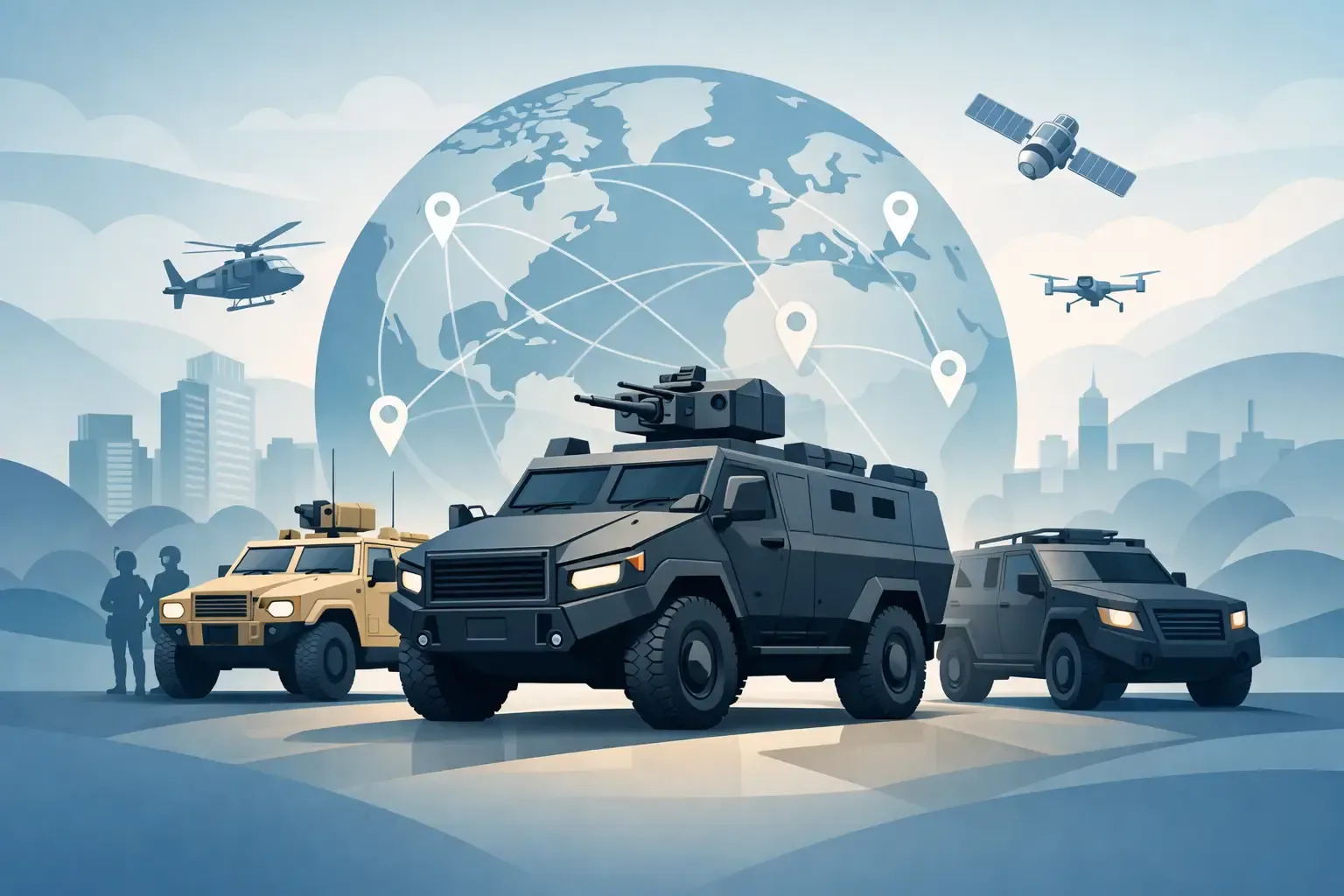

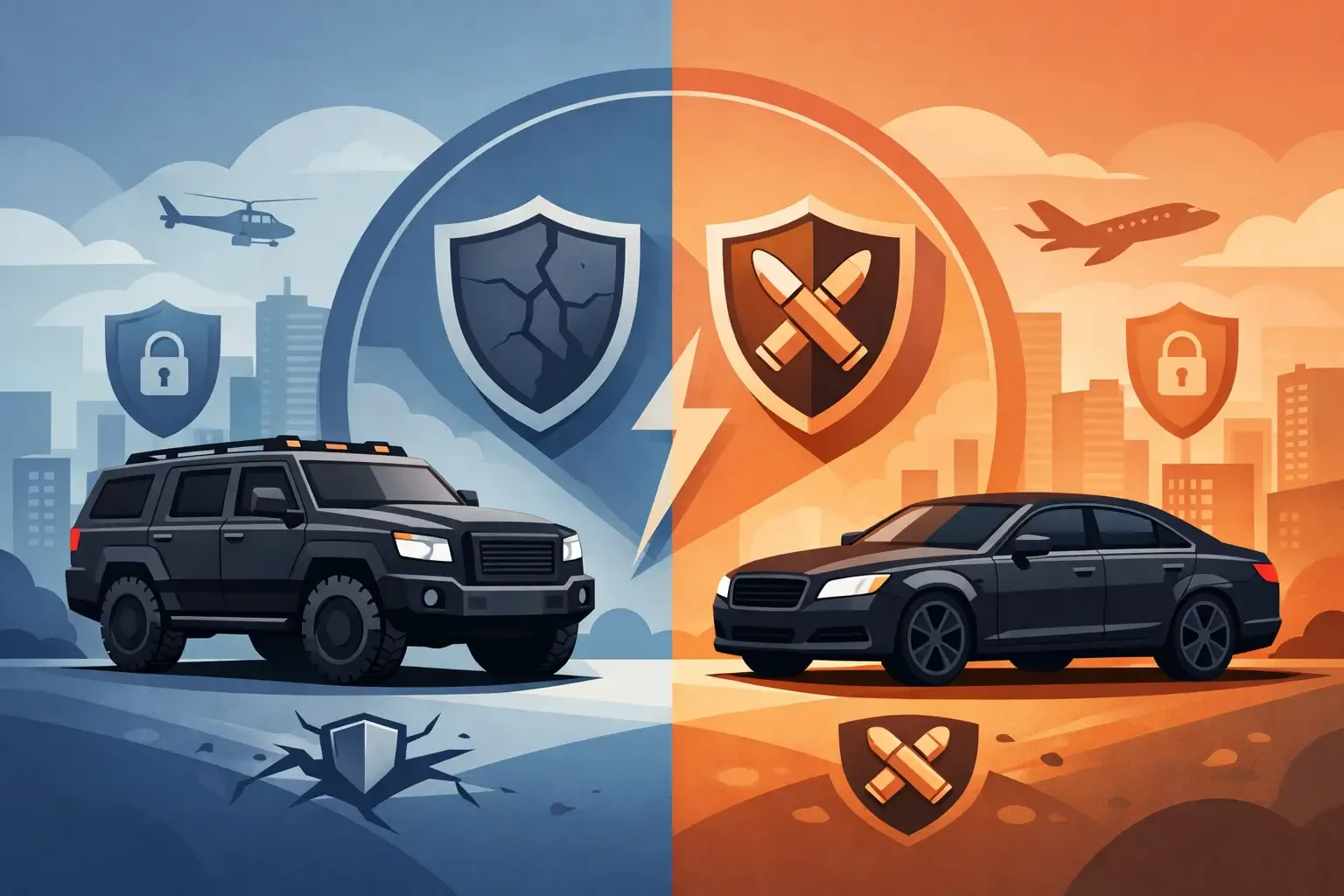
An armored SUV vs armored sedan decision is rarely about appearance alone. It determines passenger capacity, road access, protection packaging, operating costs, and how easily the vehicle can be deployed in the destination market. For private buyers, corporate security teams, government contractors, and fleet operators, the right platform begins with a clear assessment of the threat profile and operating environment.
An SUV typically offers more interior volume greater ground clearanceand stronger utility for mixed road conditions. A sedan usually provides a lower profile, more discreet executive transport, and easier operation in dense urban areas. Both can be engineered to demanding ballistic standards. The practical difference is how each vehicle performs once armor, reinforced glass, upgraded suspension, run flat tires, and protective systems are added.
Armored SUV vs Armored Sedan: The Core Difference
The first decision is platform suitability. Armor adds substantial weight, often changing braking distance, acceleration, tire load, fuel use, and available payload. A larger SUV platform is generally better positioned to carry this additional mass while maintaining space for passengers and equipment. It can also accommodate higher seating positions, larger doors, and more substantial suspension upgrades.
An armored sedan uses a more compact footprint. This makes it a strong choice for executive movements, airport transfers, diplomatic transport, and urban routes where discretion and maneuverability matter. High quality armored sedans retain much of the original vehicle’s refined ride and formal presentation, but interior space can become more limited after the protection package is installed.
Neither category is automatically better. The vehicle must match the mission. A principal traveling between city offices may benefit from a discreet sedan. A security team moving through unpaved roads, high water areas, or less developed infrastructure may require an SUV’s clearance and carrying capacity.
Protection Levels Come Before Vehicle Type
Selecting the body style before defining the protection requirement can create unnecessary cost or operational compromise. Ballistic protection should be specified according to the credible risks in the destination country, the travel pattern, and the passenger profile.
Common armored configurations may include protection against handgun fire, assault rifle threats, and in some cases blast related risks. The final specification can include multi layer ballistic glass, armored steel or composite panels, protected fuel tanks, reinforced battery areas, run flat tire systems, upgraded brakes, heavy duty suspension components, fire suppression systems, and emergency communication equipment.
A higher protection level increases vehicle mass. That makes the choice between SUV and sedan more significant. An SUV generally has more margin for higher level armor, multiple occupants, luggage, communications equipment, and support gear. A sedan can still deliver serious protection, but its best use is often a focused passenger mission with controlled occupancy and predictable routes.
Procurement teams should request the exact protection specification rather than relying only on general terms such as “bulletproof” or “armored.” Confirm the standard used, the protected areas, glass thickness, tire system, payload rating, and any exclusions. A vehicle is only as suitable as its documented build specification and inspection record.
When an Armored SUV Is the Better Fit
An armored SUV is often selected where operational flexibility is the priority. It provides a commanding driving position and practical access over speed bumps, damaged pavement, rural roads, and uneven site entrances. This matters in markets where routes can change quickly and road conditions vary substantially within the same journey.
The cabin also supports broader use. Depending on the model and armor level, an SUV can carry a principal, family members, security personnel, luggage, medical equipment, or communication systems more comfortably than a sedan. For corporate fleets, NGO operations, mine sites, energy projects, and regional security assignments, that space can reduce the need for a second support vehicle.
SUVs are also a practical option for buyers who need one vehicle to cover several roles. A single unit may serve executive transport during the week and longer intercity or site travel when needed. However, size can be a drawback in congested city centers, narrow parking structures, and locations where a conspicuous vehicle attracts attention.
Running costs deserve attention as well. The armored SUV’s larger tires, additional weight, and higher fuel consumption can increase total operating expense. Availability of qualified maintenance support, replacement run flat tires, suspension parts, and suitable fuel should be reviewed before shipment.
Best fit SUV operating scenarios
An armored SUV is usually the stronger option for mixed road travel, larger passenger groups, security escorts, remote sites, and destinations with challenging terrain. It is also suitable when the procurement requirement calls for a more versatile vehicle with room for protective equipment and daily operational cargo.
When an Armored Sedan Makes More Sense
An armored sedan is designed for buyers who require protection without a highly tactical visual presence. In many business districts, hotels, airports, and diplomatic settings, a premium sedan blends into executive traffic more naturally than a large SUV. That discretion can be a meaningful security advantage when low visibility is part of the travel strategy.
Its lower center of gravity can support stable road behavior on paved routes, while its shorter overall height helps with covered parking, hotel entrances, and urban access. For a principal who is normally transported with one driver and one or two passengers, the sedan can be the more efficient and professional choice.
Sedans can also simplify daily operations. They may be easier to park, easier to load into certain shipping arrangements, and more familiar to drivers accustomed to executive vehicles. The trade off is reduced flexibility. Ground clearance is lower, rear cabin space may be affected by armor integration, and heavy protective specifications can push the platform close to its practical payload limits.
For buyers focused on formal executive transport, a sedan may offer the right balance of protection, comfort, and discretion. It is most effective when routes are primarily paved, passenger numbers are limited, and the operating plan does not require extensive cargo capacity.
Export Planning Can Change the Decision
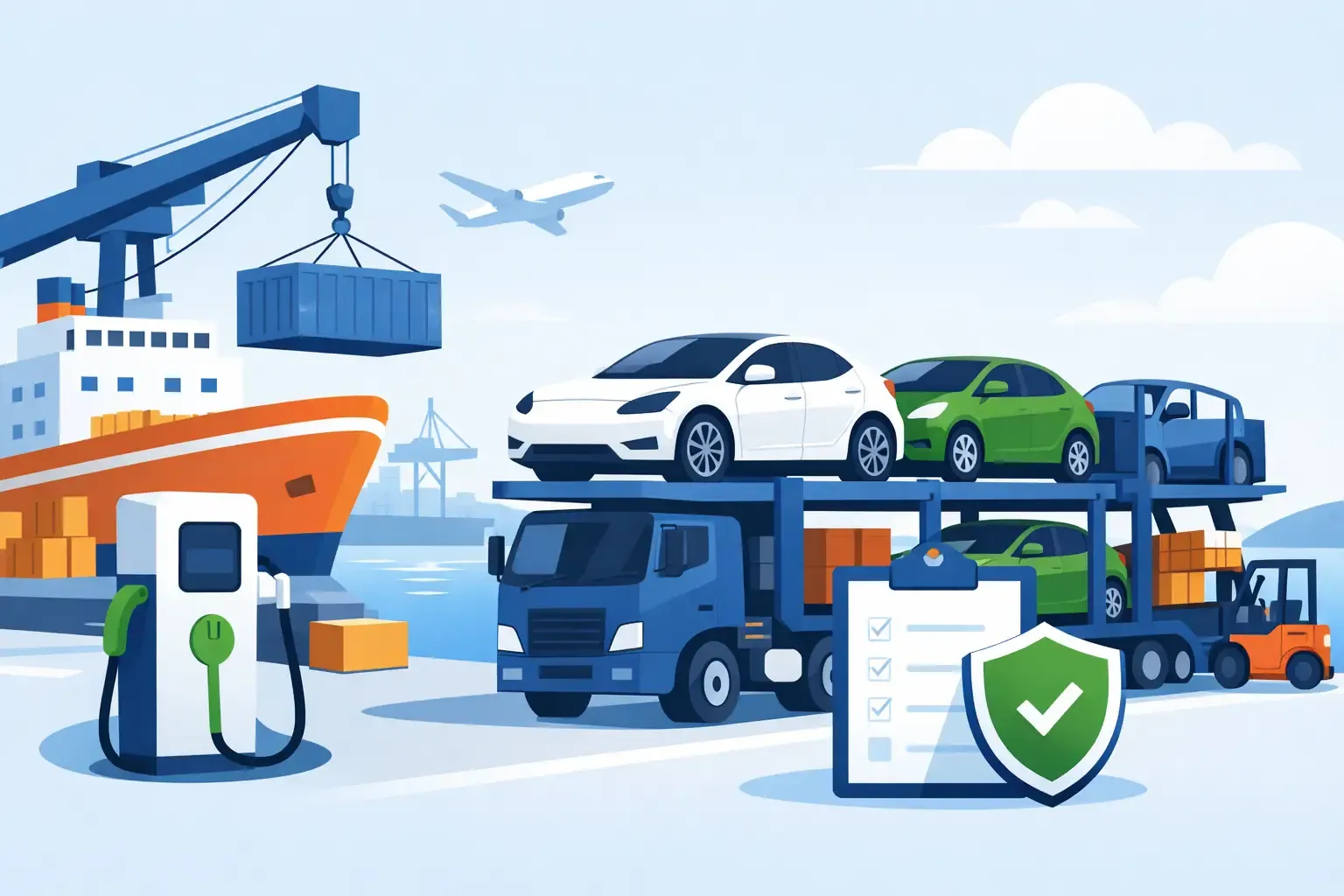
For international buyers, the best vehicle on paper is not always the easiest unit to register, clear, service, or operate after arrival. Armored vehicles may be subject to specific import procedures documentation requirementsor approvals in the destination market. These requirements can differ based on protection level, vehicle age, fuel type, steering configuration, and intended end use.
Shipping dimensions and weight matter too. A heavily armored SUV may require more careful booking and handling than a sedan, especially when moving by container. A sedan’s smaller profile can be advantageous for certain logistics plans, but the actual shipping method should be confirmed against the vehicle’s final dimensions, ground clearance, and secure loading requirements.
Pre shipment inspection is particularly valuable for armored units. The inspection should verify the vehicle identification number, build documentation, armor condition, glass condition, mechanical upgrades, tire system, electronics, and visible finish. Buyers should also confirm what spare parts, manuals, warranty support, and service recommendations are included with the vehicle.
For fleets, standardization is worth considering. Operating one vehicle type can simplify driver familiarization, spare parts planning, maintenance scheduling, and security procedures. A mixed fleet may still be the right solution when executive city transport and remote area mobility are both required.
Cost Should Be Measured Beyond the Purchase Price
The acquisition price of an armored vehicle reflects more than the donor vehicle. It includes the protection level, engineering work, labor, certified materials, mechanical upgrades, and final inspection. Comparing an SUV and sedan only by FOB price can overlook the long term cost of ownership.
Evaluate fuel consumption, insurance, tire replacement, brake wear, service intervals, storage, driver training, and local technician capability. A lower priced unit that cannot be maintained correctly in the destination market can become a costly operational asset. Likewise, buying a larger SUV than the mission requires can add unnecessary expense without improving actual security outcomes.
The most effective procurement approach is to define the passenger load, routes, annual mileage, threat level, and destination requirements first. Then compare available platforms against those criteria, including delivery timing and export documentation.
An armored vehicle should support the way your team actually moves. Choose the SUV when capacity, clearance, and multi role capability are essential. Choose the sedan when discreet executive protection and paved road efficiency lead the requirement. With verified specifications, pre shipment checks, and export planning handled early, the vehicle can arrive ready for its intended role rather than requiring costly adjustments after delivery.