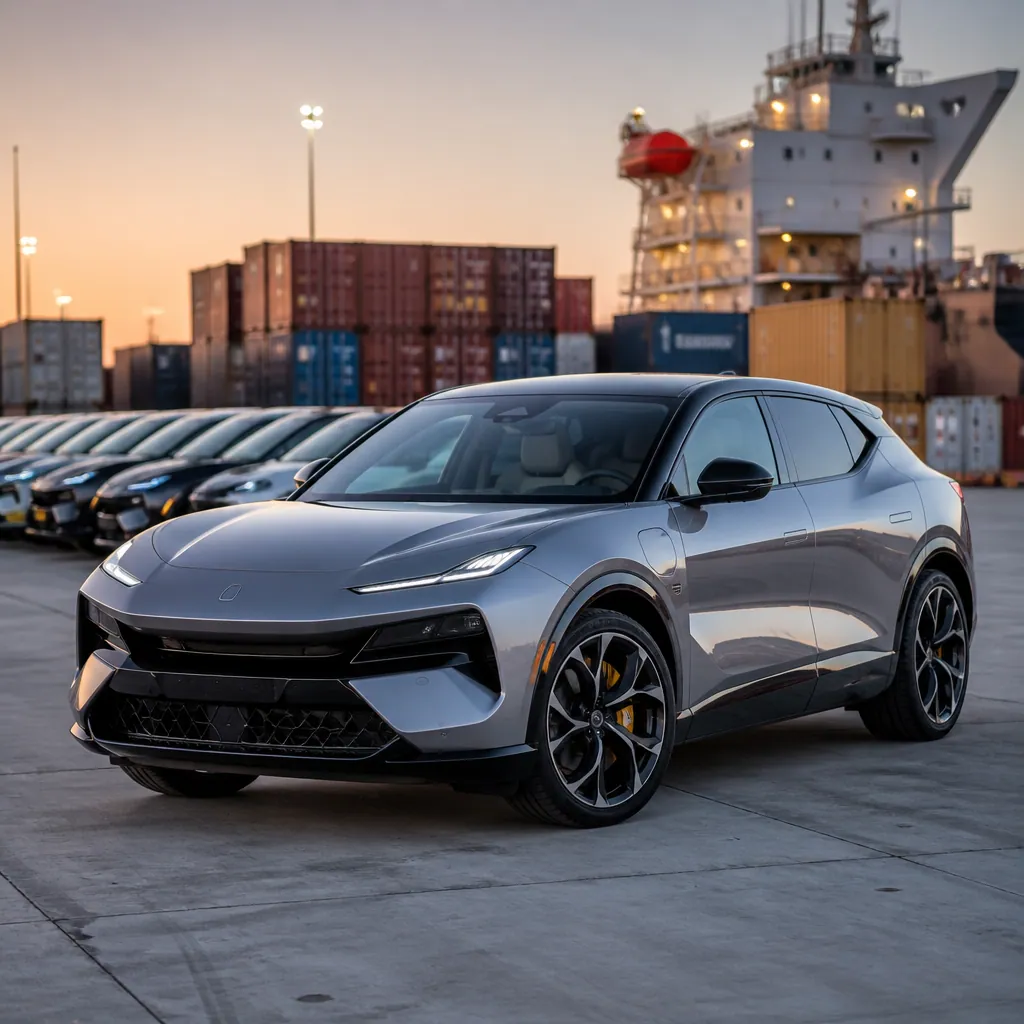

A low FOB price can stop looking attractive the moment an EV arrives with an incompatible charging port, incomplete export papers, or a battery issue that delays vessel loading. Importing electric cars safely means managing the vehicle, its high voltage battery, the documentation, and the destination market requirements as one coordinated transaction.
For individual buyers, fleet operators, and resellers, the objective is not simply to secure an electric vehicle overseas. It is to receive the correct, verified vehicle in a condition that can be cleared, registered, charged, serviced, and operated in the intended market. That requires decisions before payment, not after the vehicle reaches port.
Start With Destination Market Eligibility
The first question is whether the specific EV can be legally imported and registered where it will be used. Do not rely on the model name alone. A vehicle sold under the same name in different regions may have different lighting, safety equipment, charging standards, software configurations, battery specifications, and certification labels.
For U.S. importers, federal requirements can involve safety, emissions, and customs rules, while state registration requirements can add another layer. A vehicle that is legal to purchase abroad is not automatically eligible for permanent road use in the United States. Similar differences apply across other markets. Confirm the rules with the relevant authorities or a qualified customs and compliance professional before committing to a unit.
Ask for the vehicle identification number early. The VIN is the starting point for verifying production origin, trim level, model year, drivetrain, and prior records. It also helps identify whether the vehicle was built to a market specification compatible with your destination.
Charging compatibility deserves the same attention. Confirm the AC charging connection, DC fast charging standard, onboard charger capacity, and whether any adapter is approved for the equipment you plan to use. An adapter may solve a physical connection issue, but it does not always resolve communication, charging speed, warranty, or certification concerns.
Verify the Vehicle Before Funds Are Released
A clean looking EV listing is not a condition report. Buyers should request a documented inspection that covers the vehicle beyond exterior appearance and basic mileage.
The inspection should confirm VIN consistency across the vehicle and documents, title or ownership status, odometer reading, tire condition, underbody condition, glass, body panels, keys, charging cables, and included accessories. For electric cars, it must also address battery condition, warning lights, charging operation, and evidence of prior collision or water damage.
Battery Health Is a Commercial and Safety Issue
The traction battery is one of the vehicle’s highest value components. Its condition affects range, resale value, insurability, transport acceptance, and long term operating cost. Request available battery health data, diagnostic reports, current range information, and records of warranty coverage where applicable.
Battery state of health is useful, but it should be interpreted in context. A lower reading may be reasonable for an older, high mileage vehicle. A strong reading does not eliminate the need to inspect for impact damage, corrosion, coolant leaks, warning messages, or improper repairs. If a report is unavailable, establish that clearly in the commercial terms rather than assuming battery condition from the vehicle’s age.
Vehicles with damaged, leaking, overheated, recalled, or visibly compromised lithium ion batteries require specialized handling. They may not be accepted for standard ocean transport. Never treat a battery warning as a minor item to be resolved after arrival.
Confirm Software, Features, and Service Support
Many modern EV functions depend on regional software settings and connected services. Navigation, mobile app access, emergency calling, radio bands, remote updates, and driver assistance features may operate differently outside the original sales market.
Confirm what will work after importation and whether local authorized service support is available. This is especially relevant for fleet buyerswho need predictable charging access, diagnostic capability, replacement parts, and downtime planning. A vehicle can be mechanically sound but still be a poor operational fit if its support ecosystem is limited in the destination country.
Use Documentation That Matches the Physical Vehicle
Documentation errors can create storage charges, customs delays, or questions about ownership. Every document should match the VIN, buyer details, vehicle description, value, and shipping terms.
A standard export file commonly includes the commercial invoice, purchase agreement, title or ownership document where applicable, export declaration, bill of lading, inspection records, and packing or vehicle condition report. Requirements vary by origin and destination, so the file should be reviewed before the vehicle is handed to the carrier.
Be precise about Incoterms and responsibility. FOB pricing, for example, identifies a point in the shipping process but does not mean every destination cost is included. Clarify who handles inland transport to port, export clearance, marine insurance, ocean freight, destination handling, customs brokerage, duties, taxes, and final delivery.
The declared value should be accurate and defensible. Under declaration can lead to penalties, delayed release, reduced insurance recovery, and future compliance issues. For commercial buyers, documentation discipline also supports inventory accounting and resale traceability.
Choose an EV-Ready Shipping Plan
Ocean shipping is often the most practical method for international vehicle movement, but the shipment must meet carrier and port requirements. Carriers may request battery status confirmation, evidence that the vehicle is operable, and confirmation that there are no active safety concerns.
A vehicle with an intact battery and no warning indicators may move through normal carrier procedures, subject to the carrier’s rules. A non running vehicle, one with collision damage, or one displaying a high voltage fault may require additional assessment, special handling, or a different transport solution. Disclose the true condition before booking. A surprise at the port can cost more than arranging the correct shipment from the start.
Marine cargo insurance should be treated as a risk control tool, not an optional afterthought. Confirm the insured value, covered transit stages, exclusions, deductibles, claim procedure, and inspection requirements at destination. Take dated photos at handover and retain the pre shipment condition report. These records matter if damage is discovered after discharge.
Container shipping can offer added protection for high value units or grouped shipments, while roll on/roll off service may be efficient for operable vehicles. The right option depends on route availability, vehicle condition, urgency, volume, and insurance requirements. There is no single best method for every EV transaction.
Plan Clearance, Charging, and Delivery Before Arrival
Safe importing continues after the vessel departs. Customs clearance should be prepared in advance with a broker or experienced import coordinator who understands vehicle entries. Missing paperwork at destination can lead to port storage, demurrage, and avoidable delivery delays.
Arrange final mile transport suited to the vehicle’s condition. If the EV has limited state of charge, cannot be driven legally on local roads, or needs inspection before operation, use an appropriate carrier rather than asking a driver to improvise. Confirm a secure receiving location with charging access, especially for fleet deliveries and cold weather destinations where available range can be reduced.
At handover, inspect the EV before signing a final condition acknowledgment. Compare the VIN, mileage, keys, accessories, charging equipment, body condition, and dashboard alerts against the origin report. Photograph any discrepancy immediately and report it through the agreed claims process.
Work With a Supplier That Controls the Critical Steps
The safest import process is built on visibility. Buyers should know what vehicle is being supplied, where it is located, what inspection has been completed, which documents are available, how it will be shipped, and who is responsible at each stage.
Automotion Global supports this process through export ready sourcing, pre shipment coordination, worldwide shipping support, and direct communication around vehicle availability and delivery requirements. For buyers purchasing multiple units, consistent inspection standards and document control are particularly valuable because one unresolved issue can delay an entire shipment.
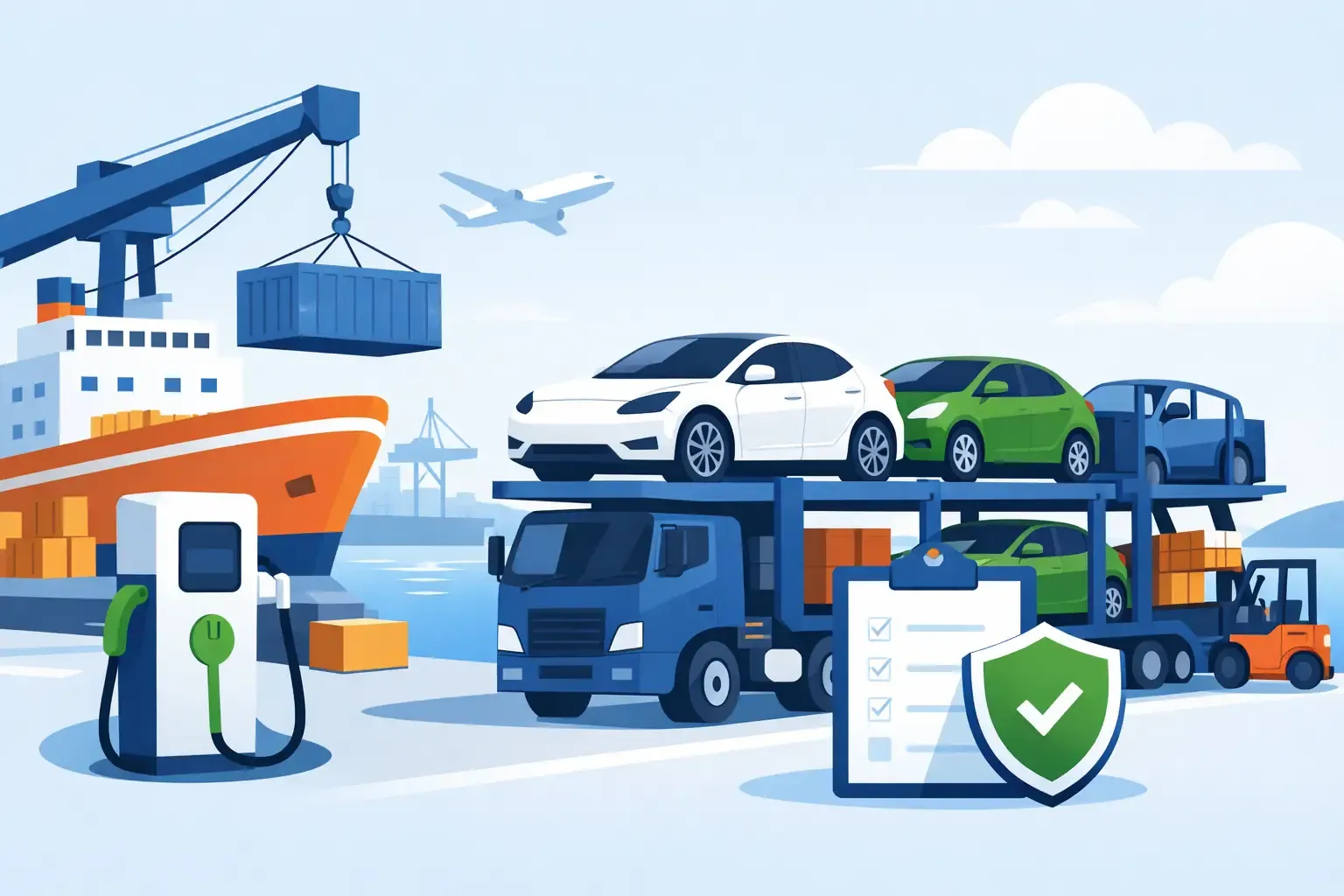
Before issuing payment, turn the transaction into a written checklist: destination eligibility, VIN verification, inspection scope, battery status, charging compatibility, commercial terms, shipping method, insurance, documents, and destination clearance responsibility. A properly prepared EV shipment is easier to insure, easier to clear, and far more likely to arrive ready for its intended role.