
When a fleet order stalls, the problem is rarely just price. It is usually availability, compliance, shipping lead times, or a mismatch between what was quoted and what can actually be delivered. That is why working with the right fleet vehicle procurement company matters, especially for buyers managing cross border purchasing, mixed vehicle categories, or time sensitive operational demand.
A fleet purchase is not a simple retail transaction at a larger scale. It is a supply decision that affects utilization, maintenance planning, driver uptime, and capital deployment. For international buyers, the stakes are higher. The procurement partner needs to secure the right units, verify their condition and specifications, prepare them for export, and keep the process moving without avoidable delays.
What a fleet vehicle procurement company actually does
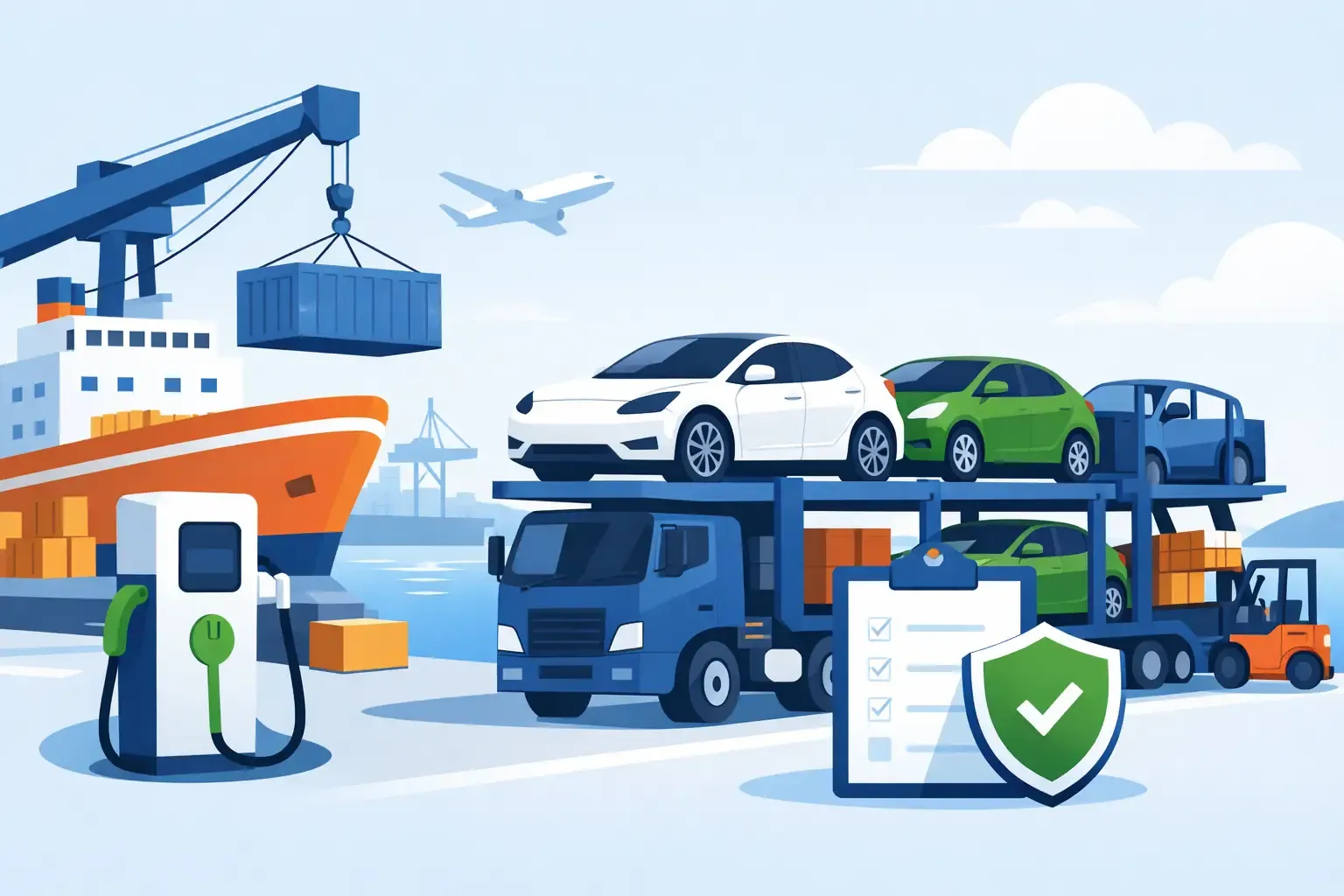
A strong fleet vehicle procurement company does far more than locate vehicles. It manages sourcing channels, confirms availability, negotiates based on real stock, coordinates inspections, and aligns logistics with the buyer’s destination market. In practical terms, this means the procurement process is built around deliverability, not just attractive quoting.
That distinction matters. Many fleet buyers can obtain offers from multiple sellers, but fewer can secure export ready inventory backed by documentation, pre shipment checks, and predictable shipping coordination. If your business depends on vans, pickups, EVs, commercial units, or specialized vehicles arriving on schedule, procurement needs to be handled as an operational function rather than a sales exercise.
For some buyers, the need is straightforward, replacing aging units with available stock at a competitive FOB price. For others, the requirement is more complex, involving electric vehicles, plug in hybrids, armored vehicles, or region specific models that are hard to source locally. In both cases, the procurement partner should reduce uncertainty, not add another layer of it.
Why fleet procurement is more complex than retail sourcing
Fleet buyers do not just ask, “Can you get this model?” They need to know how many units are available, whether the specification is consistent across the batch, what lead time applies, and what export documents will be required. They also need confidence that the final delivered vehicles will match the original procurement brief.
This becomes more complicated when orders cross borders. Market availability differs by region. Trim levels vary. Emissions and safety requirements may affect import eligibility. Shipping schedules can change. Some vehicles are ready for immediate delivery, while others exist only as future supply possibilities. A procurement company with international experience knows the difference and communicates it early.
There is also the issue of category diversity. A local supplier might handle standard passenger vehicles well, but struggle when the order includes commercial vansEVs, or security focused units in the same procurement cycle. A buyer with multiple operating needs benefits from one procurement partner that can source across categories and align them under a single export process.
What to look for in a fleet vehicle procurement company
The first priority is verified supply access. A procurement company should be able to source through direct manufacturer relationships, established supplier networks, or ready stock channels with clear availability. Buyers should be careful with vague promises around future allocation unless the supplier can explain the timeline and conditions behind it.
The second is inspection and condition control. This matters for both new and near new inventory. Pre shipment checks help confirm specifications, equipment, physical condition, and documentation before the vehicles leave the origin market. That step reduces disputes and protects planning at the receiving end.
The third is export capability. A procurement partner should understand how to move vehicles internationally, not simply sell them domestically. That includes handling documentation preparing units for shipmentcoordinating logistics, and communicating realistic timelines. The handoff from sourcing to shipping should feel like one process.
Responsiveness also matters more than many buyers expect. Fleet procurement often moves under pressure, contract starts, replacement cycles, tender deadlines, or project launches. Slow updates can be as costly as high pricing. A professional procurement company gives clear answers, flags constraints early, and keeps commercial conversations tied to actual deliverability.
Fleet vehicle procurement company options for modern fleets
The fleet market is shifting. Buyers are no longer sourcing only diesel vans or standard sedans. Many are balancing internal combustion units with EVs, PHEVs, and other newer mobility platforms based on route profiles, fuel economics, import incentives, and local infrastructure.
This creates a new test for any fleet vehicle procurement company. It is not enough to understand vehicle availability in general. The company should understand which models are practical for the buyer’s market, which units are in active demand, and where supply is tight. An EV that looks attractive on paper may not fit charging realities or service support in the destination country. A hybrid option may offer a better operating result depending on route length and duty cycle.
Commercial buyers also need consistency. If a business is building or expanding a fleet, having mixed battery ranges, trim packages, or incompatible parts across the same category can create avoidable service and training issues. Good procurement advice takes this into account. The goal is not simply to fill an order. It is to support a fleet that can operate efficiently after delivery.
The advantage of export ready inventory
Export ready inventory changes the buying equation. Instead of starting from a theoretical sourcing request, the buyer can assess actual available units, actual pricing, and a realistic shipping path. That shortens procurement cycles and improves decision quality.
For international fleet buyers, this is often the difference between a planned deployment and a delayed one. Ready to deliver stock helps reduce uncertainty around production delays, allocation bottlenecks, and changing manufacturer lead times. It also gives buyers more confidence when they need to lock in budget, project timing, or customer commitments.
This is where companies with active international stock access stand apart. Automotion Global, for example, operates in a way that aligns sourcing, inspection, and export delivery around real vehicle availability rather than speculative procurement. For buyers managing global supply demands, that operating model can be more useful than working through fragmented local channels.
Questions serious buyers should ask before placing an order
Before selecting a procurement partner, ask how inventory is sourced and whether quoted vehicles are physically available, allocated, or subject to future production. Ask what inspection process applies before shipment and what documentation will be provided. Ask who manages export coordination and how updates are communicated during transit.
It is also worth asking how the company handles substitutions. In a volatile supply market, changes happen. The issue is not whether supply conditions ever shift. The issue is whether the procurement partner has a disciplined process for proposing alternatives that match the original operational requirement.
Finally, ask about category breadth. If your needs may expand from passenger units into commercial vehicles, armored models, or electrified fleets, a broader procurement partner may save time later. Consolidating purchasing through one capable supplier can simplify communication and reduce logistical friction.
Price matters, but landed value matters more
Most buyers begin with price, and they should. Fleet procurement needs commercial discipline. But the lowest quoted number is not always the strongest buying decision. A cheaper unit that ships late, arrives with documentation issues, or requires replacement due to spec mismatch can become more expensive very quickly.
Landed value is the better lens. That includes acquisition cost, inspection quality, shipping efficiency, compliance readiness, and how reliably the vehicles enter service after arrival. A procurement company that protects those variables adds measurable value, even if its quote is not the lowest on the first comparison sheet.
This is particularly true in cross border fleet buying, where hidden delays have operational consequences. Idle drivers, deferred route launches, postponed resale plans, or unserved contracts can outweigh headline savings.
Choosing a fleet vehicle procurement company is really a decision about execution. Buyers need verified supply, clear communication, export readiness, and a procurement process built for real operating conditions. If your next order includes hard to source units, modern EV inventory, or multi market delivery requirements, choose the partner that can move from quote to shipment with confidence. The right fleet starts with vehicles you can actually get, delivered in a way your business can use.