
Shipping cars from China looks simple until the first quotes arrive. One ocean rate looks cheap, another looks expensive, and neither tells you whether the vehicle will be accepted at the terminal, whether it will arrive with its paperwork intact, or how long it will sit before the buyer can register it. For dealers, distributors, and fleet operators importing new vehicles, the real decision comes down to two options: RoRo (roll on/roll off) and container sea freight. Choosing the wrong one costs more than the price gap between them, because it affects loading, insurance, port handling, and the delivery date for every unit.
Quick Takeaways
| Key Insight | Explanation |
|---|---|
| RoRo only takes units that drive | If the car cannot start, steer, brake, and roll under its own power, expect a special approval request, a handling fee, or a refusal at the terminal gate. |
| Containers protect non standard units | Classic, high value, modified, and non running vehicles usually move better in a container with warehouse loading and load photos. |
| Spare parts push you toward containers | RoRo generally does not allow loose items inside the vehicle. If parts ride with the car, plan for a container from the start. |
| Sailing frequency beats the headline rate | A cheap RoRo rate means little if the lane sails rarely. Ask for the next three sailings before you commit to a method. |
| Compare landed cost per unit | Add inland trucking, terminal charges, documentation, and storage days to each quote. The ocean leg is often not the largest cost line. |
| Consolidation favors 40-foot boxes | Several units for one buyer often fit well in a 40-foot or 40-foot high cube container, but measure each model before you promise a count. |
| Documents decide release speed | A mismatch in VIN, model, or value between export documents causes more delays at destination than most ocean transit issues. |
What RoRo Shipping Involves
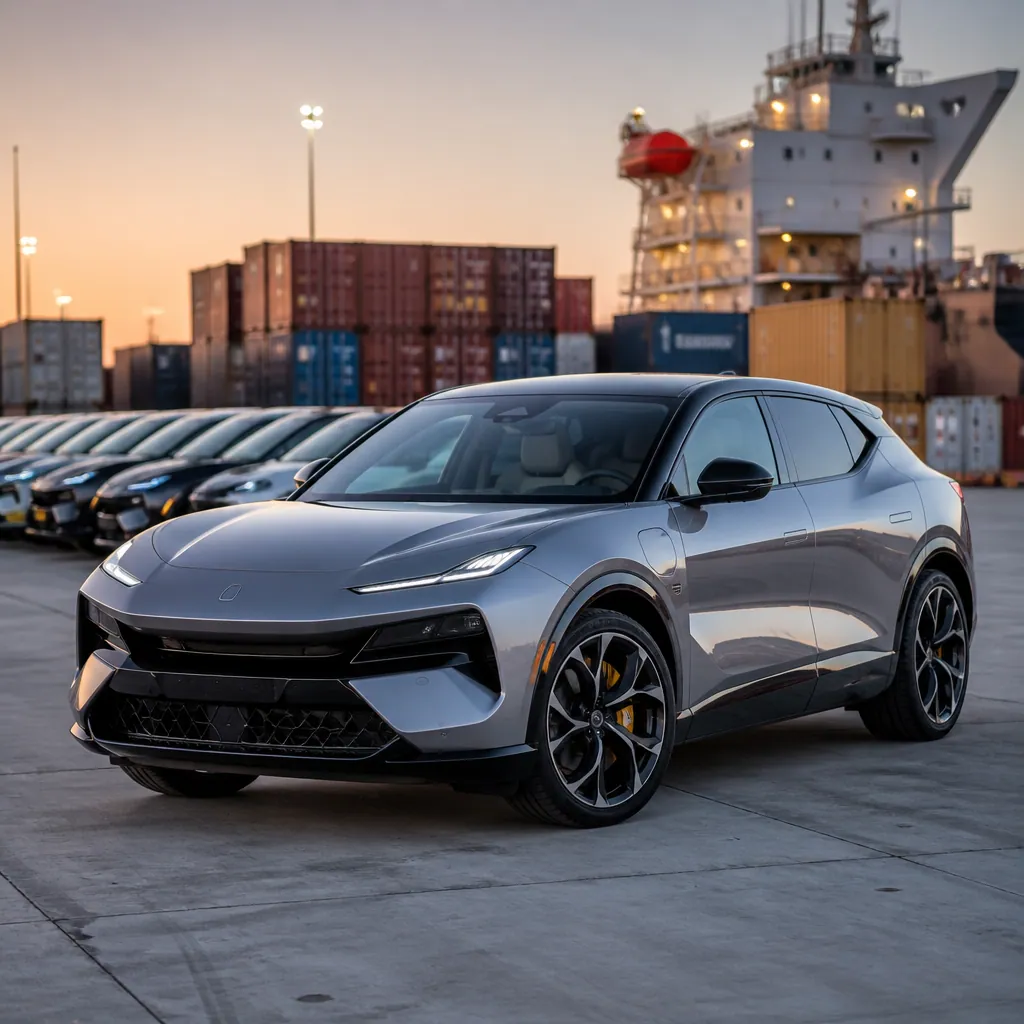
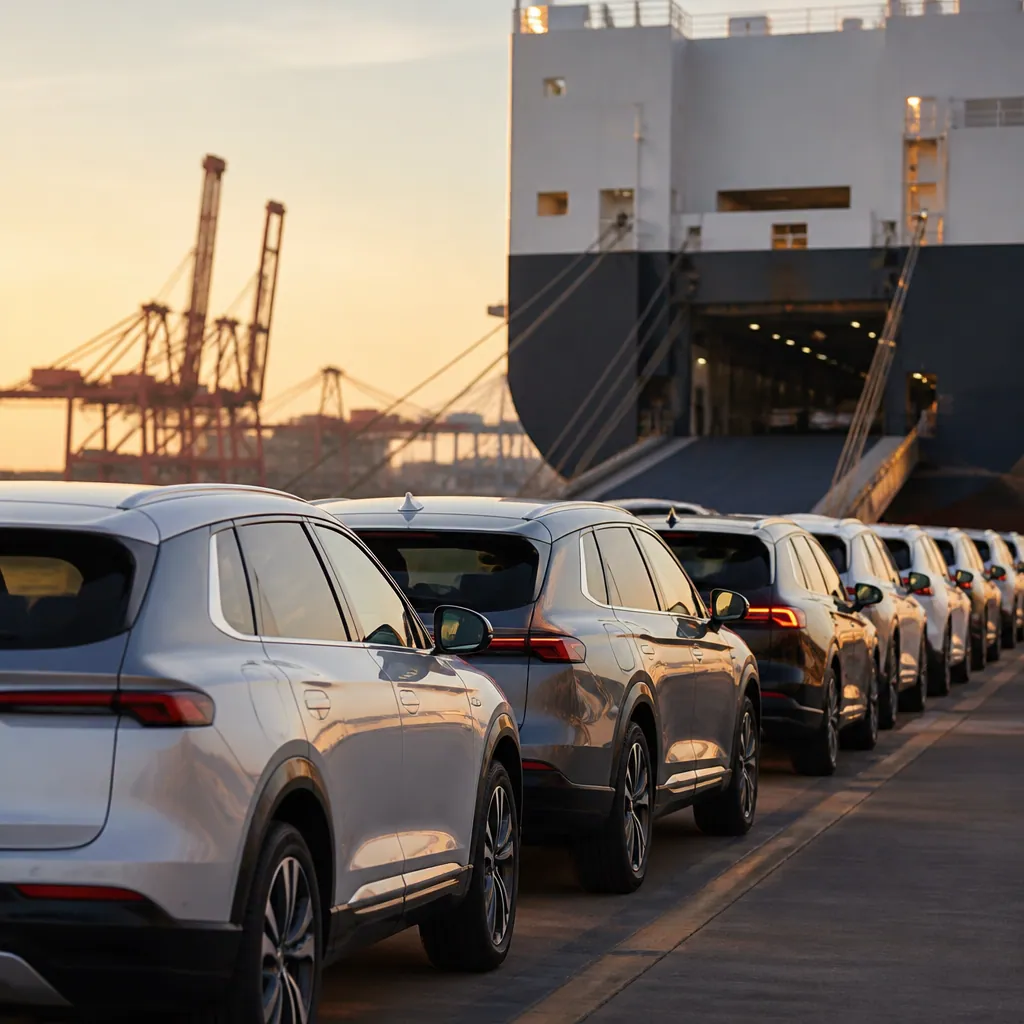
RoRo, short for roll on/roll off, is a vessel based method built for vehicles that can be driven on and off under their own power. The car is delivered to the export terminal, checked in by the terminal operator, driven onto a specialized ship, and driven off at the destination port. For brand new vehicles leaving a Chinese factory or dealer compound on a busy lane, it is often the most economical route.
When a vehicle qualifies for RoRo
The practical test is simple. The car must start, move, steer, and brake without help, and it must be free of loose cargo. Most standard passenger cars, SUVs, pickups, and vans from factory stock meet that test on the day they leave the compound.
Carriers and terminals set their own acceptance rules, and those rules change by line and by port. Confirm them in writing before the vehicle is booked, not after it arrives at the gate.
Pro tip: Ask the terminal or carrier for its written acceptance checklist before the first unit moves. A short list covering battery, fluids, tires, and personal items prevents most gate rejections.
Where RoRo runs into trouble
Problems usually come from edge cases rather than normal units. A dead battery, a flat tire, or a visible fluid leak can lead to a refused unit or an extra handling charge. Those costs often exceed the savings that made RoRo look attractive in the first place.
Shipments with spare parts inside the car are another common issue. RoRo terminals generally do not accept loose items in the cabin or trunk, so parts either travel separately or the whole shipment moves to a container.
Why sailing schedules matter more than the rate
A RoRo service that sails infrequently on your lane creates a scheduling risk. Units wait at the terminal, storage days accumulate, and your buyer’s delivery date slips. Frequent sailings are worth paying a little more for when your customers are waiting on a fixed date.
How Container Shipping Works for Vehicles
Container shipping moves vehicles inside sealed steel boxes, usually 20-foot or 40-foot units, which are loaded at the origin and shipped to the destination port. Standard sea freight works the same way for every cargo type. The shipper either uses a full container for their own goods, or shares one with other shippers in a consolidated load. For vehicle exporters, the full container is the format that gives the most control over loading, sealing, and condition records.
Loading and securing inside the box
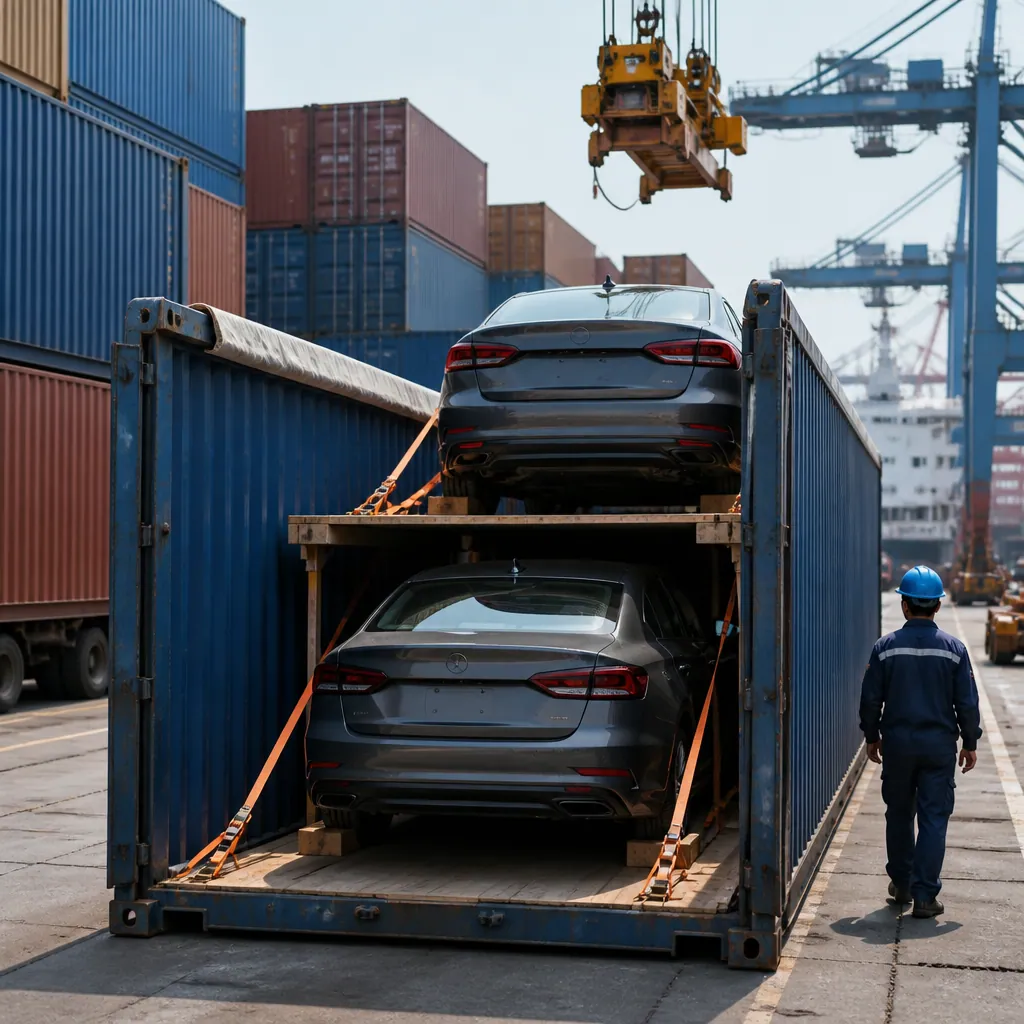
Vehicles are driven or winched into the container, secured with straps or blocks, and the doors are sealed. This is where container shipping earns its place for non running and salvage units, since they cannot be driven onto a ship. Warehouse loading usually means forklifts or winches, and it should be done with photos at every stage.
Ask who performs the securing and who signs off on it. A loading plan that names the person responsible for each unit gives you a clear record if damage appears at destination.
Consolidating several units for one buyer
Dealers and importers often ask how many cars fit in one box. The honest answer depends on the dimensions of each model, the height of the container, and how the vehicles are arranged. Measure the models you plan to ship and build a loading plan before you quote a number to the customer.
A 40-foot high cube container gives extra height, which matters for taller SUVs and vans. Mixing a few tall units with compact cars in one box can work well, but only if the plan is checked before the container is sealed.
Cost and Timing Differences
The ocean rate is only one line in the total cost. The better comparison is landed cost per unit at the buyer’s yard, which includes inland trucking, terminal charges, documentation, and any storage days. Shipping specialists make the same point for auto exports in general: the cheapest ocean rate is not automatically the best choice once condition, port access, and inland planning enter the picture.
Where the ocean rate misleads
A RoRo rate can look lower per unit, yet a container can cost less overall if the RoRo lane has infrequent sailings and your cars wait. A single car bound for a smaller port may also pay more on a container than it would in a shared RoRo slot. Compare the same vehicle, the same destination, and the same delivery date on both methods before you decide.
Inland movement and terminal fees
Inland trucking adds cost in both directions. The vehicle must reach the origin port from the factory or dealer compound, and it must reach your yard from the destination port. Container loads usually need a truck and a container move, while RoRo units must be driven to the terminal under their own power.
Confirm who pays storage or demurrage if the unit or box sits longer than planned. These charges are where many budgets quietly break, and they are easy to avoid with clear terms in the booking.
Transit time and sailing frequency
Transit time depends on the route, the carrier schedule, and the port of destination, so no single figure applies to every shipment from China. Ask for the next few sailings, not an average, and build a buffer for customs clearance and release. A realistic delivery date is one that accounts for the slowest step, not the fastest one.
RoRo vs Container Comparison
The decision should be made lane by lane, not as a blanket policy. A RoRo move to a major vehicle importing market may be straightforward, while the same vehicle going to a smaller destination may be more controllable in a container routed through a different gateway. The same logic applies whether your buyers are in the Middle East, Africa, or elsewhere in Asia.
How to read the comparison in a real quote
Use the table below as a starting point. Each row is a question you should answer for the actual vehicles, not for vehicles in general. If your fleet is mostly running stock with steady volume, RoRo will often win on cost. If your mix includes specialty units, parts, or irregular destinations, the container usually makes more sense.
| Factor | RoRo | Container |
|---|---|---|
| Vehicle condition | Must run, steer, and brake | Accepts non running and salvage units with warehouse loading |
| Cost profile | Often lower per unit on busy, regular lanes | Can be better for small volumes or irregular destinations |
| Spare parts or accessories | Generally not allowed inside the vehicle | Possible when declared, packed, and secured |
| Consolidation for one buyer | Works when schedule and pricing align | Strong option in 40-foot or 40-foot high cube containers |
| Loading photos and control | Limited to the terminal process | Stronger, with warehouse inspection and load photos |
| Destinations with thin RoRo service | Limited | Often more flexible through container ports |
Where the two methods overlap
Many standard running vehicles can move either way. In that case, the tiebreakers are usually sailing frequency, terminal acceptance rules, and how much control you want over loading records. Ask both options to quote the same unit and the same delivery window, then compare the total cost and the risk each one carries.
Documents, Inspection, and Port Preparation
Paperwork rarely gets attention during planning, yet it decides release speed more often than ocean transit does. Export documents, commercial invoices, and vehicle records must agree with each other and with the physical vehicle. A mismatch in one digit of a VIN or one inconsistent model code can hold a unit for days.
Paperwork that stalls shipments
The most common holds come from small inconsistencies. Check that the VIN, model name, engine details, and declared value match across every document. Also confirm whether the destination market needs extra certificates or conformity papers before the car can be cleared.
Keep one master file per vehicle, with copies of each document and a note of who prepared it. When something goes wrong at destination, that file shortens the time to a fix.
Pre shipment inspection and photos
Photograph each vehicle from all sides before loading. Record the odometer reading, fuel or battery level, and any existing dents or scratches. This record protects you if a damage claim comes up at destination, and it is the basis for any dispute with the carrier.
Pro tip: For container shipments, write the container seal number on your loading photo log. That single link ties each vehicle to its box from the warehouse to the destination port.
Fuel, battery, and personal items
Fuel and battery rules differ by carrier and terminal, and they matter most for electric vehicles and for units that have been sitting in a compound. Ask for the limits in writing and do not assume that a full tank is required or allowed. Remove personal items from the cabin and trunk, because they can delay release and create liability questions.
Choosing the Right Method by Lane
Start with the destination port, not the vehicle. Check how often RoRo vessels call there, how frequent container service is, and how cargo clears customs locally. A lane with both options lets you compare on cost and control, while a lane with only one option makes the decision for you.
Questions to ask your forwarder
Ask for the next three sailings, the terminal acceptance rules, the inland cost from your supplier to the origin port, and the demurrage terms at destination. A forwarder who answers these questions in writing is easier to hold accountable when a sailing changes.
Also ask how they handle units that fail acceptance at the gate. The answer tells you whether they have a plan or will leave you to pay for a last minute rebooking.
Fleet mix and buyer profile
Dealers with mostly running stock and steady volume to one port often standardize on RoRo. Fleet operators with specialty vehicles, mixed loads, or irregular destinations usually need containers for a share of their shipments. Plan for both methods if your business sells across several markets.
The cheapest ocean rate is only the start of the calculation. The right method is the one that delivers a running, documented vehicle to the buyer’s yard on the date you promised.
Common Mistakes Dealers and Fleet Buyers Make
Most shipping problems trace back to a few avoidable decisions. Booking RoRo for a vehicle that does not meet acceptance rules, packing spare parts into a RoRo unit, and quoting only the ocean rate to the customer cause most of the rework we see. Each one is easy to prevent with a short check before the booking is confirmed.
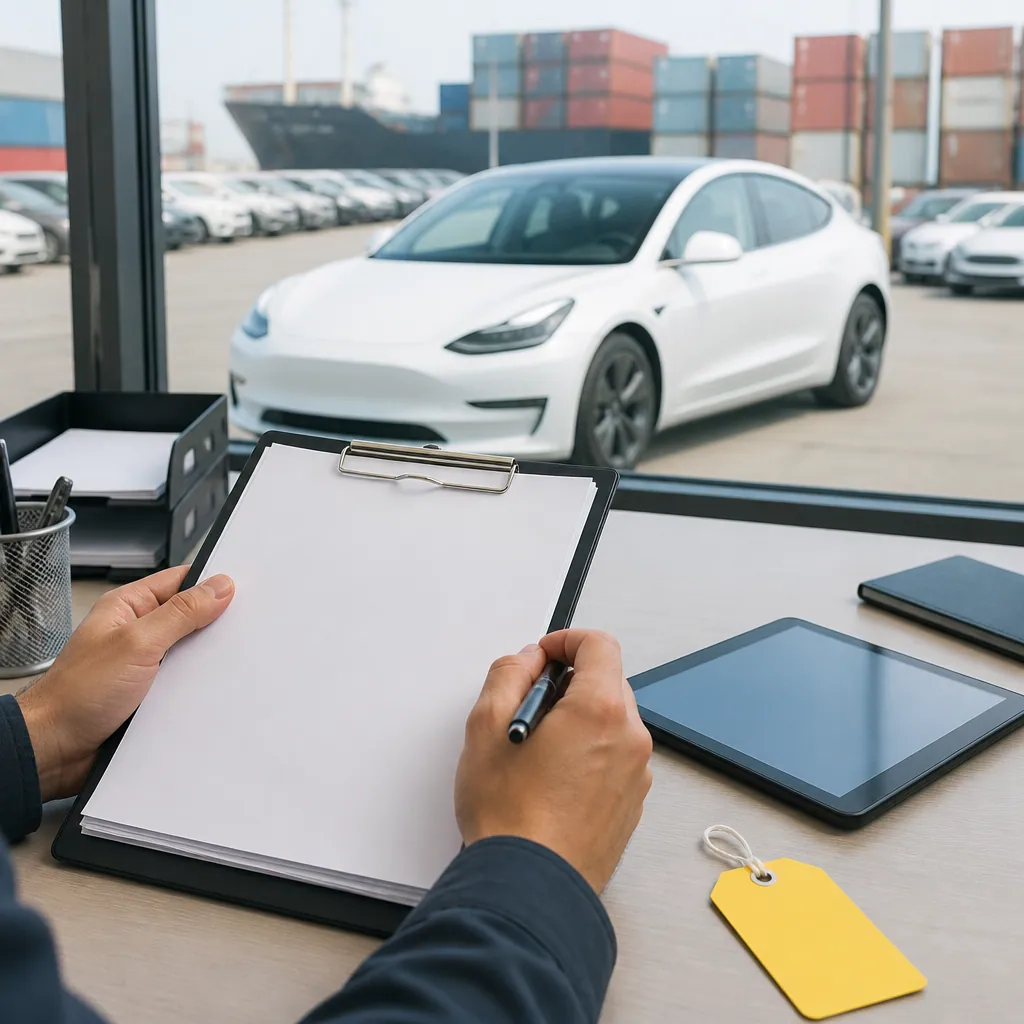
Booking before confirming condition
A unit that looks ready in the showroom can fail at the terminal gate because of a battery issue or a warning light. Confirm the condition of each vehicle before booking, and do a pre loading check on the day the car leaves the compound. A few minutes of inspection saves a rebooking fee and a missed sailing.
Treating the ocean rate as the total cost
Buyers often compare two ocean quotes and stop there. The better habit is to build a full landed cost for each unit, with inland transport, terminal fees, and storage added in. Once those numbers are side by side, the cheaper method is often clear.
Ignoring the buyer’s import rules
Destination rules decide whether a shipment clears on time. Some markets require specific certificates, emission or safety documentation, or inspection before release. Check these rules with the buyer or the local agent before the vehicle leaves China, not after it lands.
Frequently Asked Questions
Is RoRo always cheaper than container shipping for cars from China?
No. RoRo is often cheaper per unit on busy, regular lanes, but a container can cost less when sailings are infrequent, the shipment is small, or the destination port is better served by container service. Compare landed cost per unit, including inland and terminal charges, before deciding.
Can a non running car be shipped by RoRo?
Usually not without special approval from the carrier and terminal, and some lines will refuse these units outright. A non running vehicle normally moves in a container, with warehouse loading and load photos to document its condition.
Can I put spare parts inside a car being shipped?
Generally not on a RoRo vessel, because loose items inside the vehicle are not accepted. In a container, parts can travel with the vehicle if they are declared, packed, and secured, and the loading plan records them.
How many cars fit in one 40-foot container?
The count depends on the dimensions of each model, the arrangement inside the box, and whether the container is a standard or high cube unit. Measure the models you plan to ship and prepare a loading plan before you promise a number to your buyer.
What should I prepare before booking a vehicle export?
Prepare the export documents, make sure the VIN, model, and declared value match across every file, and confirm any certificates the destination market requires. Also gather the condition photos, fuel or battery levels, and the carrier’s written acceptance rules for your vehicle type.
Are electric vehicles shipped differently from petrol or diesel cars?
The core process is the same, but battery state and charging rules are the main differences. Carriers and terminals set their own limits, so ask for them in writing before booking, and do not assume that the same rules apply on every line.
Which method has worked better for your lane so far, and what surprised you most about the process?