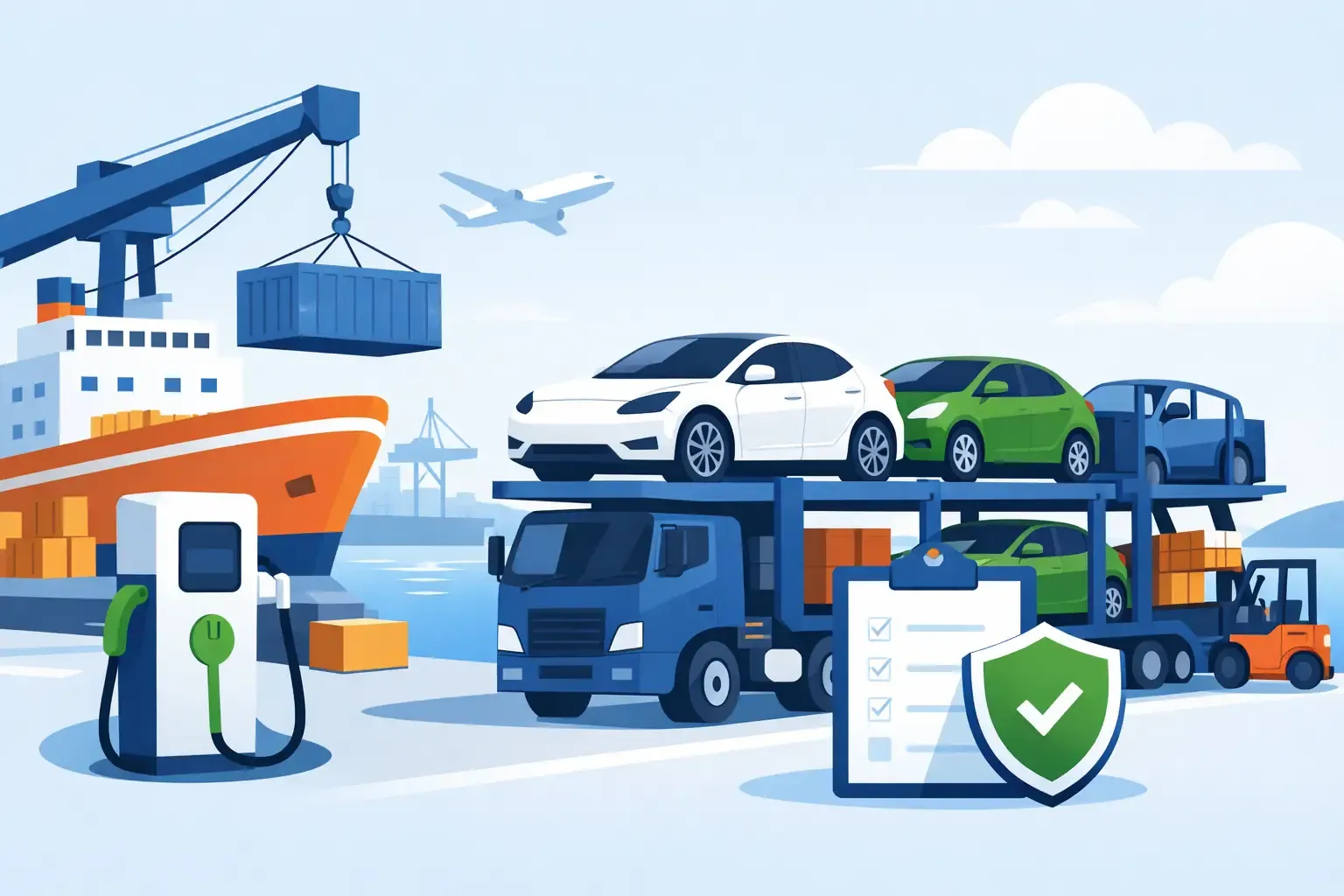


When a buyer gets the sourcing stage wrong, every step after that gets more expensive. Delays at port, compliance issues, missing documents, mismatched specifications, and poor vehicle condition usually start with one problem, the vehicle was never sourced correctly for export in the first place. That is why understanding how to source export vehicles is less about finding any available unit and more about securing the right vehicle, from the right supplier, with the right paperwork, for the right destination market.
For international buyers, fleet operators, resellers, and procurement teams, sourcing is a commercial decision. Price matters, but so do lead time, stock visibility, model availability, inspection standards, and shipping readiness. A low unit cost means very little if the vehicle cannot clear import requirements or arrives with avoidable issues.
What sourcing export vehicles actually involves
At a practical level, sourcing means identifying available units that match the buyer’s market, budget, and intended use. In export trade, that process goes beyond selecting a make and model. It includes confirming supply channel legitimacy, checking whether the vehicle is export ready, validating documentation, and aligning the unit with destination country regulations.
That matters even more when the order involves specialized categories such as EVs, plug in hybrids, commercial vehicles, or armored vehicles. These are not one size fits all purchases. Battery specifications, charging compatibility, emissions rules, security configurations, and commercial upfit details can all affect whether a vehicle is suitable for import and deployment.
A strong sourcing process is built around fit, not just availability. The best result is not simply a purchased vehicle. It is a vehicle that can be inspected, cleared, shipped, landed, and used without unnecessary friction.
How to source export vehicles with fewer risks
The first step is to define the exact requirement before contacting suppliers. Buyers who begin with a vague brief often receive broad offers that waste time and create pricing confusion. A clear sourcing request should cover vehicle type, quantity, model year range, fuel or powertrain preference, condition, target budget, and destination country. If the vehicle is intended for fleet use, security use, or resale, that should be stated early because it affects sourcing options.
Once the requirement is clear, the next step is supplier selection. This is where many export transactions become exposed. Not every seller is structured for international fulfillment. Some can sell vehicles domestically but have limited ability to provide export documentation, pre shipment checks, or coordinated logistics. Buyers should prioritize suppliers with established export channelsdirect inventory access, and a record of cross border transactions.
Direct manufacturer and supplier relationships are especially valuable in this context. They tend to improve stock accuracy, reduce sourcing time, and lower the risk of intermediary markups or inconsistent documentation. buyers seeking hard to source models or newer mobility platforms such as EVs and PHEVssupply access matters as much as price.
After identifying a supplier, verification becomes critical. Vehicle specifications should be checked against the actual unit, not just a generic listing. VIN confirmation, production year, trim level, mileage, battery information where relevant, and visible condition should all be reviewed before the deal moves forward. If the order is volume based, sample verification or batch level consistency checks are worth the time.
Price is only one part of the export equation
One of the most common sourcing mistakes is comparing vehicles by FOB price alone. FOB is important, but it does not reflect the full landed picture. Ocean freight, inland transport, destination duties, compliance modifications, storage risk, and banking costs can shift the real economics quickly.
A vehicle that appears cheaper at the sourcing stage may cost more overall if it needs technical modification or if the supplier cannot deliver on time. That is why experienced buyers evaluate total transaction efficiency. A slightly higher purchase price can be the better commercial choice if the vehicle is immediately available, properly documented, and ready for shipment.
This is also where market timing matters. Export vehicle pricing is influenced by model demand, regional stock levels, exchange rate movement, and manufacturer supply cycles. Buyers sourcing EVs or newer hybrids should pay particular attention to this, since availability can change quickly depending on incentives, production allocation, and local demand in the source market.
Inspection is not optional
If you are serious about how to source export vehicles professionally, inspection has to be part of the process. Export buyers often do not have the advantage of viewing the unit in person, which makes pre shipment verification essential.
A proper inspection should cover cosmetic condition, mechanical status, tires, glass, electronics, interior quality, warning lights, and underbody condition where practical. EVs and hybrid units, battery health and charging related systems deserve closer review. Commercial vehicles, payload setup, body configuration, and signs of heavy wear are equally important. Armored vehicles, certification and build integrity should be confirmed through the appropriate technical documentation.
Inspection also protects the supplier relationship. It creates a shared standard before shipment and reduces disputes after delivery. In international trade, clarity before loading is always cheaper than correction after arrival.
Match the vehicle to the destination market
A vehicle may be attractive in stock, but that does not automatically make it suitable for import. Destination country requirements can affect emissions acceptance, steering configuration, safety equipment, homologation, and age limits. In some markets, even labeling, lighting, or charging port standards can affect admissibility.
This is where sourcing becomes strategic rather than transactional. Buyers need to think ahead to registration, resale, and end user usability. A good export ready vehicle is not just legal to import. It is practical to operate in the destination market.
In the Case of EV and PHEV sourcing, infrastructure compatibility deserves special attention. Charging standards, battery transport requirements, and local service support should be factored in before purchase. A fast moving model in one market may become difficult inventory in another if after sales support is limited.
Documentation is part of the product
In export trade, the documents are not separate from the vehicle sale. They are part of the deliverable. A sourcing process should confirm early which documents will be available and when. That usually includes the commercial invoice, packing details, title or certificate of origin where applicable, export declaration support, and inspection records.
Missing or inconsistent paperwork can delay customs clearance, financing release, and onward delivery. It can also affect the buyer’s ability to register or resell the vehicle. Bulk orders, documentation accuracy becomes even more important because one error can affect an entire shipment.
This is why many international buyers prefer partners that manage sourcing and export coordination together. It reduces handoff risk and keeps accountability clear from stock selection through loading.
Why stock visibility and delivery readiness matter
There is a difference between a vehicle that can be sourced and a vehicle that is actually ready to move. In fast moving export markets, buyers often lose time because they are negotiating around theoretical availability rather than confirmed stock.
Ready to deliver inventory provides a stronger operating advantage. It shortens lead times, supports clearer shipping schedules, and improves planning for importers managing resale or fleet deployment. This is particularly useful for commercial buyers who need predictable replenishment, as well as for security or project driven procurement where timing is critical.
Automotion Global operates with that export focused logic, prioritizing verified supply access, inspection support, and worldwide delivery coordination for buyers who need vehicles that are commercially ready, not just listed for sale.
Common sourcing mistakes to avoid
The most expensive errors are usually simple. Buyers rely on unverified sellersskip inspection, assume all documents will be available later, or choose a vehicle based only on headline price. Others fail to confirm destination compliance until after payment, which can create rework or even import rejection.
Another common issue is treating specialized units like standard passenger cars. Commercial vehicles, EVs, and armored units require more detailed sourcing review because the technical and regulatory stakes are higher. The more specialized the vehicle, the less room there is for assumptions.
A disciplined sourcing process does not need to be slow. It needs to be structured. Clear requirement setting, verified supply channels, inspection controls, document planning, and shipping alignment usually produce faster results than rushed buying.
The best export purchases are rarely accidental. They come from sourcing with the end market in mind, checking every operational detail early, and working with partners who understand that availability alone is not enough. When the vehicle, paperwork, and logistics are aligned from the start, the transaction moves with far less friction, and that is where real value shows up.