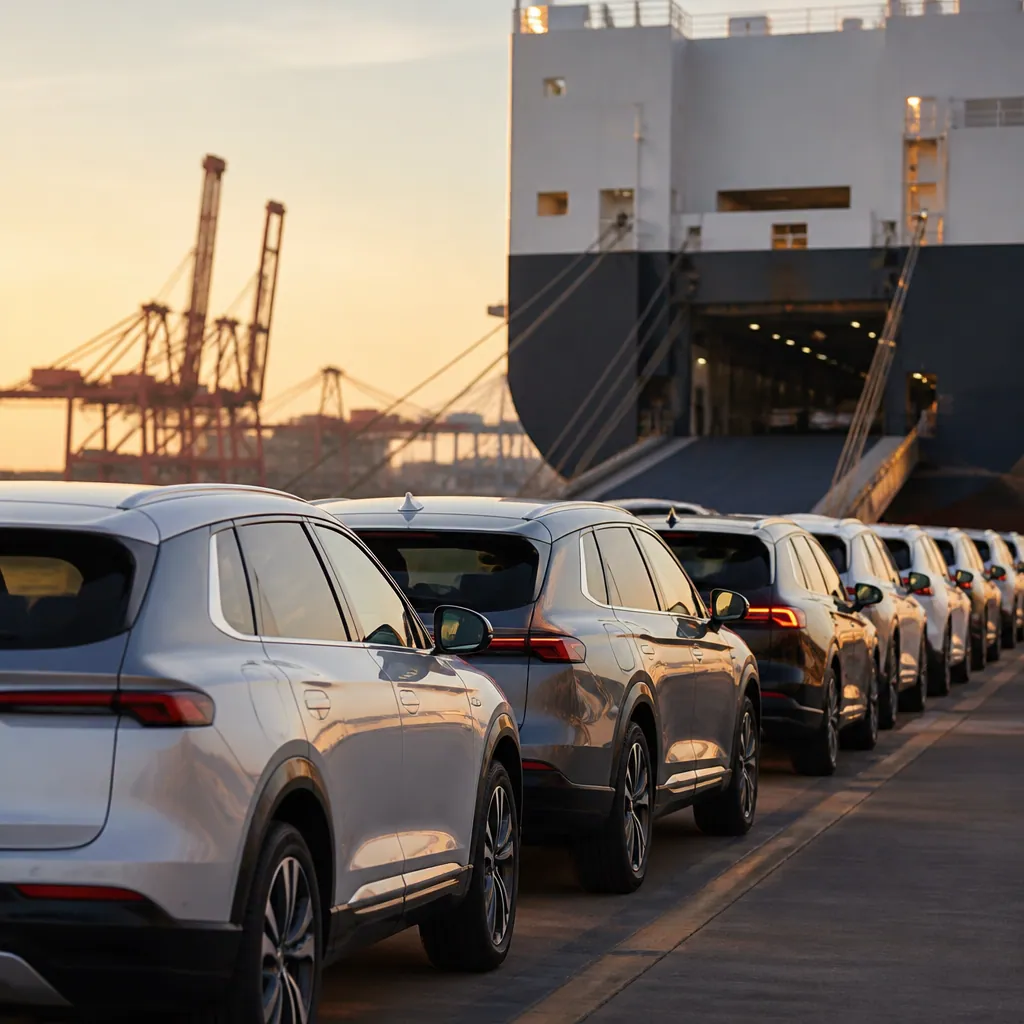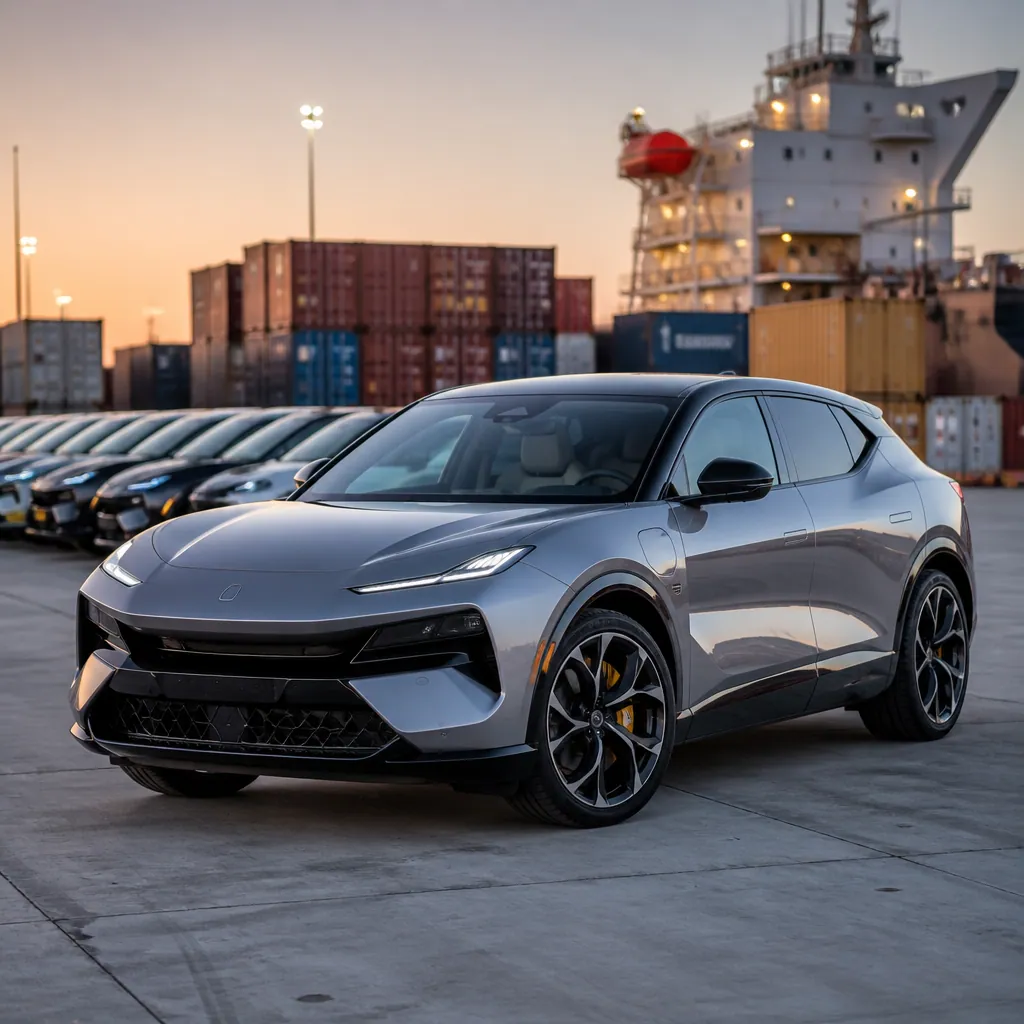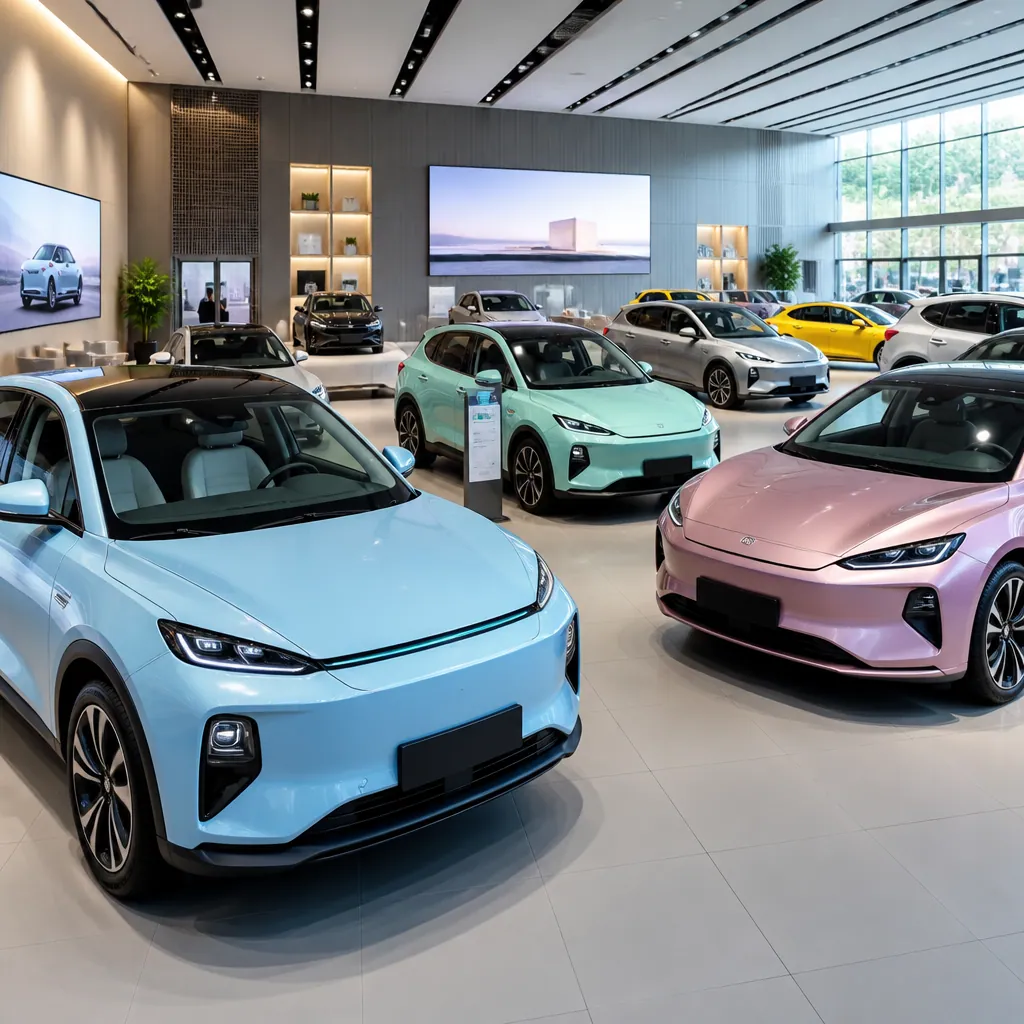


Most vehicle dealers sourcing from China are still focused on budget to mid range EVs. The Avatr 11 is a different conversation entirely. Built on a collaboration between Changan Automobile, CATL, and Huawei, this mid size luxury coupe SUV sits in a segment where Chinese manufacturers had little credibility just a few years ago. That has changed. If you are evaluating the Avatr 11 export opportunity for your dealership, distribution network, or fleet operation, this article lays out exactly what the vehicle offers, what the import process involves, and whether it belongs in your next sourcing order.
Quick Takeaways
| Key Insight | Explanation |
|---|---|
| Triple company pedigree drives credibility | Avatr Technology is backed by Changan Automobile, CATL, and Huawei, giving the Avatr 11 a supply chain and technology foundation that most premium Chinese brands lack. |
| Two powertrain types for two buyer profiles | BEV variants offer up to 815 km of CLTC range; the EREV variant adds a 1.5-litre range extender for a combined range of around 1,065 km, covering markets with thin charging infrastructure. |
| First production car with Huawei Inside | The Avatr 11 was the first vehicle to use Huawei’s full stack smart car solution, including HarmonyOS infotainment, Huawei ADS autonomous driving, and a 34-sensor suite with 3 LiDAR units. |
| Avatr is actively expanding into export markets | Avatr has signed distribution deals in the UAE, launched in Nepal and Brunei, and expanded into Hong Kong. The brand has publicly targeted entry into over 50 countries. |
| China guide prices start around RMB 289,900 | The 2025 EREV variant opens at roughly RMB 289,900 in China. BEV variants start at RMB 309,900. Export FOB pricing will vary, and buyers should request current quotes from a specialist exporter. |
| 800V platform enables rapid charging | The BEV versions sit on an 800V architecture with up to 240 kW DC fast charging, while the EREV charges from 30 to 80 percent in approximately 15 minutes. |
| Dimensions position it as a genuine large luxury SUV | At 4,895 mm long, 1,970 mm wide, and with a 2,975 mm wheelbase, the Avatr 11 competes physically with European and American full size luxury SUVs, not compact crossovers. |
What Is the Avatr 11?
The Avatr 11 is a five door coupe SUV manufactured by Avatr Technology and assembled in Chongqing, China. It entered production in 2022, with its official China launch on August 8, 2022. The vehicle sits on the CHN platform, a shared architecture co developed by Changan, Huawei, and CATL, and is closely related to the Avatr 12 executive sedan.
Avatr Technology itself is a high end sub brand within the Changan ecosystem. The three way ownership structure matters commercially: Changan brings manufacturing scale and distribution depth, CATL supplies the battery cells and packs at a level no third party buyer could match, and Huawei contributes the intelligent vehicle systems that genuinely differentiate the cabin experience. This is not a badge engineering exercise. All three parties have skin in the product.
For dealers and distributors assessing premium Chinese EV 2026 inventory candidates, the Avatr 11 sits clearly at the top of the credibility hierarchy among Chinese brands attempting to enter the luxury segment. It is designed by a team that includes international designers, and reviewers who have driven it consistently note that the interior quality and technology execution feel closer to a German luxury SUV than to the mid market Chinese EVs that dominate volume export figures.
Powertrain and Range Options
BEV Variants: Long Range as Standard
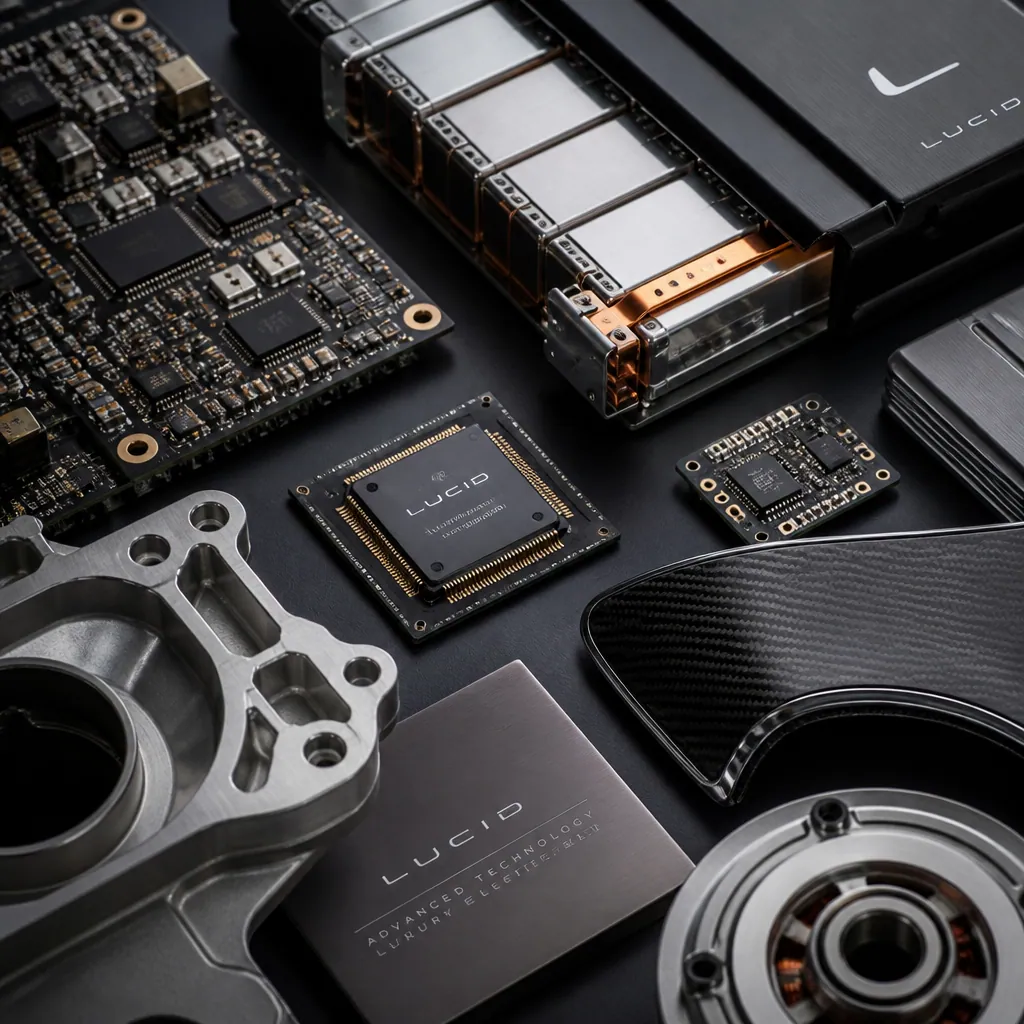
The battery electric versions of the Avatr 11 use CATL-supplied nickel manganese cobalt (NMC) cell to pack battery packs in either 90.38 kWh or 116.79 kWh configurations. The 90.38 kWh pack delivers a CLTC range of 555 km in rear wheel drive form. The flagship 116.79 kWh pack in the 2025 MAX variant achieves 815 km of CLTC range with a power output of 237 kW and 0 to 100 km/h acceleration in 6.5 seconds. AWD configurations produce a combined 425 kW.
The 800V platform across BEV variants supports up to 240 kW DC fast charging. That charging speed is significant for markets where premium buyers expect genuine rapid charging, not a theoretical figure that requires a rare ultra rapid charger to achieve.
Pro tip: When presenting the Avatr 11 BEV to fleet operators or fleet buyers in markets with expanding DC infrastructure, focus on the 800V charging architecture, not just the range figure. Range anxiety is solvable with education; a slow charging ceiling is a harder objection to overcome.
EREV Variant: Built for Thin Infrastructure Markets
The extended range electric vehicle (EREV) version, marketed under Avatr’s Kunlun range extender system, uses a 1.5-litre turbocharged four cylinder engine that functions solely as a generator. Electric motor output is 231 kW with 367 Nm of torque. The battery is a 39 kWh LFP pack, delivering a pure EV range of approximately 225 km, and a combined total range of around 1,065 km on the CLTC cycle.
This variant matters enormously for the African and Middle Eastern markets that Automotion Global serves. Buyers in cities with growing charging networks can run the Avatr 11 EREV in pure electric mode day to day, while the range extender removes any anxiety for long distance trips or routes where DC fast chargers are absent. The fuel consumption in hybrid mode is approximately 6.2 L/100 km on the WLTC cycle. The EREV variant charges from 30 to 80 percent in approximately 15 minutes.
China guide pricing for the 2025 update starts at RMB 289,900 for the EREV and RMB 309,900 for the entry BEV. Earlier facelift pricing positioned the EREV Max at roughly 279,900 yuan (around USD 38,400) and the BEV Ultra RWD at approximately 339,900 yuan (around USD 46,600). Export FOB pricing moves separately from domestic guide prices, and importers should obtain direct quotes rather than assuming domestic Chinese prices translate directly.
Technology Stack: Huawei Inside
The Avatr 11 holds a meaningful historical distinction: it was the first production vehicle to carry the Huawei Inside designation, meaning it uses Huawei’s full stack smart car solution throughout the vehicle. This is not a co branded infotainment add on. Huawei’s involvement covers intelligent driving, the operating system, and the core computing architecture.
The autonomous driving system uses 34 sensors in total, including 3 LiDAR units, enabling what Avatr describes as a full scenario assisted driving capability covering highway, urban, and parking situations. The Huawei ADS system (version 3.0 on the latest EREV Ultra) provides Level 2+ autonomous driving capabilities, with features including adaptive cruise control, active lane keeping assist, and automatic emergency braking.
The combination of LiDAR, Huawei’s computing platform, and CATL’s battery technology gives the Avatr 11 a technology stack that is genuinely difficult for European or American luxury brands to match at the same price point.
Infotainment runs on HarmonyOS, Huawei’s proprietary operating system, on a 15.6-inch floating central touchscreen. The cabin features a tri screen layout, with separate displays for the driver instrument cluster and the front passenger. Physical buttons are limited to door controls for windows and seat adjustment, which aligns with the minimalist, screen forward interior philosophy common across premium Chinese EVs but executed here with more refinement.
Pro tip: For dealers targeting tech forward buyers in markets like the UAE or Southeast Asia, the Huawei Inside branding is a legitimate selling point. Huawei’s ecosystem recognition in these markets means buyers understand the reference, unlike markets where the brand association is neutral or uncertain.
Interior and Build Quality
The interior of the Avatr 11 is where this vehicle separates itself from most Chinese EVs at comparable price points. Upholstery options across trim levels include Nappa leather and premium semi aniline leather, with detailed attention to material quality across the door cards, centre console, and seat bolstering. The Ultra EREV trim adds Meridian audio system integration and front massage seats, two features that buyers in the luxury SUV segment treat as baseline expectations.
Dimensions confirm this is a large vehicle with practical interior space. The 2,975 mm wheelbase and 1,970 mm width translate to rear passenger room that competes with genuine executive SUVs, not compact crossovers. The coupe roofline is the one design trade off that affects rear headroom in the far back row, but it does not compromise front and middle row comfort.
For Avatr electric vehicle import purposes, the interior quality level is critical context. Dealers who position the Avatr 11 only on specs and range will undersell it. The interior is the argument for the price premium, and it holds up to in person inspection in a way that matters when buyers are comparing it to European alternatives at similar local market prices.
Avatr 11 Global Market Expansion
Avatr has moved deliberately rather than aggressively on international markets, which makes the expansion trajectory more reliable than brands that announce 30 markets and deliver logistics chaos. In June 2024, Avatr signed an exclusive distribution agreement with Smart Mobility International, part of the United Al Saqer Group, covering the UAE market. This made the UAE Avatr’s first major Middle East presence.
The Avatr 11 launched in Nepal in August 2024, and official distribution through Maju Motors started in Brunei on February 26, 2025. Avatr also expanded into Hong Kong in 2025. The company has publicly stated plans to enter over 50 countries and target annual overseas sales of 15,000 vehicles.
For dealers and distributors in the Middle East and Africa, the Avatr 11 entering formal distribution channels in the UAE creates a useful market reference. It establishes that the brand is willing to invest in regional service infrastructure, not simply dump vehicles and walk away. That matters for aftersales confidence, which is still the primary objection buyers raise when considering any Chinese luxury vehicle for the first time.
Markets across Africa where charging infrastructure is developing, and where the EREV range extender variant is the practical choice, present the strongest near term opportunity. Buyers who can afford a premium SUV but cannot guarantee daily access to a fast charger are the natural target, and the EREV’s 1,065 km total range addresses that concern directly. For a broader view of which Chinese electric SUVs are performing across global export markets, the Automotion Global guide to top Chinese electric SUV exports for 2026 provides useful context on how the Avatr 11 sits alongside competing models.
Avatr 11 Export Process: What Importers Need to Know
Sourcing and Supplier Coordination
The Avatr 11 is not available through generic wholesale channels the way high volume brands like BYD Atto 3 or Chery Tiggo are. It requires working with a supplier network that has established relationships with Avatr Technology directly or through authorised distributors. Automotion Global lists Avatr as one of its authorised vehicle brands, which means sourcing requests go through a coordinated channel rather than speculative sourcing on secondary markets.
A common mistake importers make with premium Chinese vehicles is treating the sourcing process identically to mid market volume sourcing. Lead times, documentation requirements, and minimum order quantities differ. Clarifying build configuration, including battery size and powertrain type, at the sourcing stage prevents costly specification mismatches on arrival.
Export Documentation and Customs
Exporting the Avatr 11 involves standard new vehicle export documentation from China: certificate of origin, commercial invoice, packing list, and the Chinese vehicle compliance documents. However, BEV variants with the 800V architecture may face additional scrutiny in markets that apply special import classifications to high voltage EVs. Importers should confirm with their customs broker whether the 116.79 kWh battery pack triggers any specific duty category in the destination country, as battery capacity thresholds vary by jurisdiction.
For EREV variants, the classification question centres on whether the destination country treats it as a PHEV, a series hybrid, or an extended range EV, since those three classifications attract different duty rates in several African and Middle Eastern jurisdictions. Getting this confirmed before the order is placed, not after the vehicle ships, is essential.
Inspection and Pre Shipment Quality Control
With any premium Chinese vehicle export, pre shipment inspection is non negotiable. The Avatr 11’s technology dense cabin, including the Huawei computing systems and the LiDAR hardware, requires inspection beyond the standard cosmetic and mechanical checklist. Inspectors should verify software version, Huawei ADS functionality, screen operation across all three displays, and fast charging system connectivity before sign off. Working with an exporter who conducts their own vehicle inspection as part of the export solution, rather than relying solely on factory PDI, gives importers a second line of assurance. Automotion Global’s authorised vehicle sourcing process includes supplier coordination and inspection as part of the export solution.
Avatr 11 vs. Competing Premium Chinese EVs
The premium Chinese EV SUV space has matured quickly. The Avatr 11 does not exist in isolation; dealers evaluating it are typically also looking at the Voyah Free, the Zeekr X, or the Lixiang L8. Here is how the Avatr 11 positions against the two most commonly compared alternatives in export markets.
| Feature | Avatr 11 (2025 BEV MAX) | Voyah Free (EREV) | Zeekr 001 (Long Range) |
|---|---|---|---|
| Powertrain Type | BEV or EREV | EREV (primary) | BEV |
| Max CLTC Range | 815 km (BEV) / 1,065 km (EREV) | Approximately 1,000 km total (EREV) | Around 770 km |
| Autonomous Driving Hardware | 3 LiDAR, 34 sensors, Huawei ADS 3.0 | Camera and radar based ADAS | Camera and radar based ADAS |
| Charging Architecture | 800V, up to 240 kW DC | Standard voltage architecture | 800V architecture |
| Brand Ecosystem | Huawei Inside, HarmonyOS | Dongfeng ecosystem | Geely ecosystem |
| Export Market Presence | UAE, Nepal, Brunei, HK, expanding | Middle East, selected markets | Europe, selected global markets |
| China Guide Price Start | RMB 289,900 (EREV) / RMB 309,900 (BEV) | Varies by configuration | Varies by configuration |
The Avatr 11’s clearest competitive advantage is the depth of its technology stack. No competing export oriented Chinese premium SUV can match the combination of 3 LiDAR sensors, Huawei’s full stack smart car solution, and CATL’s top tier battery chemistry in a single production vehicle. The Voyah Free competes well on EREV practicality for thin infrastructure markets, but lacks the technology headline. The Zeekr 001 matches the 800V charging architecture but is a fastback rather than an SUV, targeting a different buyer profile.
For dealers sourcing a vehicle that can genuinely sit next to a BMW X5 or Mercedes Benz GLE in a showroom and hold its own on interior and technology, the Avatr 11 is the most defensible choice currently available through Chinese export channels.
Frequently Asked Questions
What is the Avatr 11, and who manufactures it?
The Avatr 11 is a mid size luxury coupe SUV manufactured by Avatr Technology, a company backed by Changan Automobile, CATL, and Huawei. It is assembled in Chongqing, China, and was first launched in the Chinese market on August 8, 2022. It is the brand’s flagship SUV model and the first production car to carry the Huawei Inside designation.
What powertrain options are available on the Avatr 11 for export?
The Avatr 11 is available in two primary powertrain types. BEV variants use CATL NMC battery packs of 90.38 kWh or 116.79 kWh, delivering up to 815 km of CLTC range. The EREV variant uses a 39 kWh LFP battery with a 1.5-litre turbo range extender, offering approximately 225 km of pure electric range and a combined total range of around 1,065 km. Both types use rear wheel drive or all wheel drive configurations depending on the trim level.
Is the Avatr 11 suitable for markets with limited EV charging infrastructure?
Yes. The EREV variant is specifically suited to markets where public fast charging is not yet widespread. Because the 1.5-litre engine acts solely as a generator and never drives the wheels directly, the driving experience remains fully electric. The vehicle can operate on petrol alone when the battery is depleted, removing range anxiety for buyers in regions with developing charging networks. This makes it a practical entry point for premium EV buyers in many African and Middle Eastern markets.
What does the Avatr 11 export process involve for dealers and importers?
Exporting the Avatr 11 from China involves sourcing through an authorised supplier channel, vehicle inspection confirming both mechanical and technology system functionality, standard export documentation (certificate of origin, commercial invoice, packing list, compliance certificates), and customs clearance at the destination port. Importers must also confirm whether the EREV is classified as a PHEV or EREV for duty purposes in their jurisdiction, as the classification affects the applicable duty rate. Working with a specialist vehicle exporter who coordinates all stages reduces risk significantly.
How does the Avatr 11’s technology stack compare to European competitors?
The Avatr 11 uses Huawei’s full stack smart car solution, which includes a 34-sensor autonomous driving suite with 3 LiDAR units, HarmonyOS infotainment on a 15.6-inch floating display, and a tri screen interior layout. The Huawei ADS system provides Level 2+ autonomous driving. In terms of sensor count and computing architecture, this hardware specification exceeds what most European luxury SUVs offer at equivalent or even higher price points, though software maturity and ecosystem depth in non Chinese markets vary.
Which markets is Avatr actively entering for the Avatr 11?
As of 2025, Avatr has launched the Avatr 11 in the UAE through an exclusive distribution agreement with Smart Mobility International, as well as in Nepal, Brunei, and Hong Kong. The brand has stated a target of entering over 50 countries and achieving 15,000 annual overseas sales. Middle Eastern and Asian markets are the primary focus of current export activity.
What is the starting price of the Avatr 11 in China, and how does this translate to export pricing?
In China, the 2025 updated Avatr 11 starts at RMB 289,900 for the EREV variant and RMB 309,900 for the entry BEV. Export FOB pricing is not a direct conversion of domestic guide prices; it factors in logistics, export preparation, documentation, and the supplier margin. Importers should request current export quotes rather than using domestic prices as a proxy. Prices can shift between model updates, so confirming the current build specification at the time of order is important.
If you are currently sourcing premium Chinese EVs or evaluating the Avatr 11 for your dealership or fleet, share your experience or questions in the comments. We want to hear what your market is telling you about demand for this category.
We would love your feedback and any insights you would share with others. What perspective would you add?
References
- Avatr 11 full specifications, history, and global launch details on Wikipedia
- CNEVPost report on the 2025 updated Avatr 11 pricing and variant details
- Car News China coverage of the Avatr 11 facelift China launch price and specs
- China Daily report on Avatr entering the UAE market with Smart Mobility International
- iChongqing report on Avatr’s plan to enter 50 countries and overseas sales targets