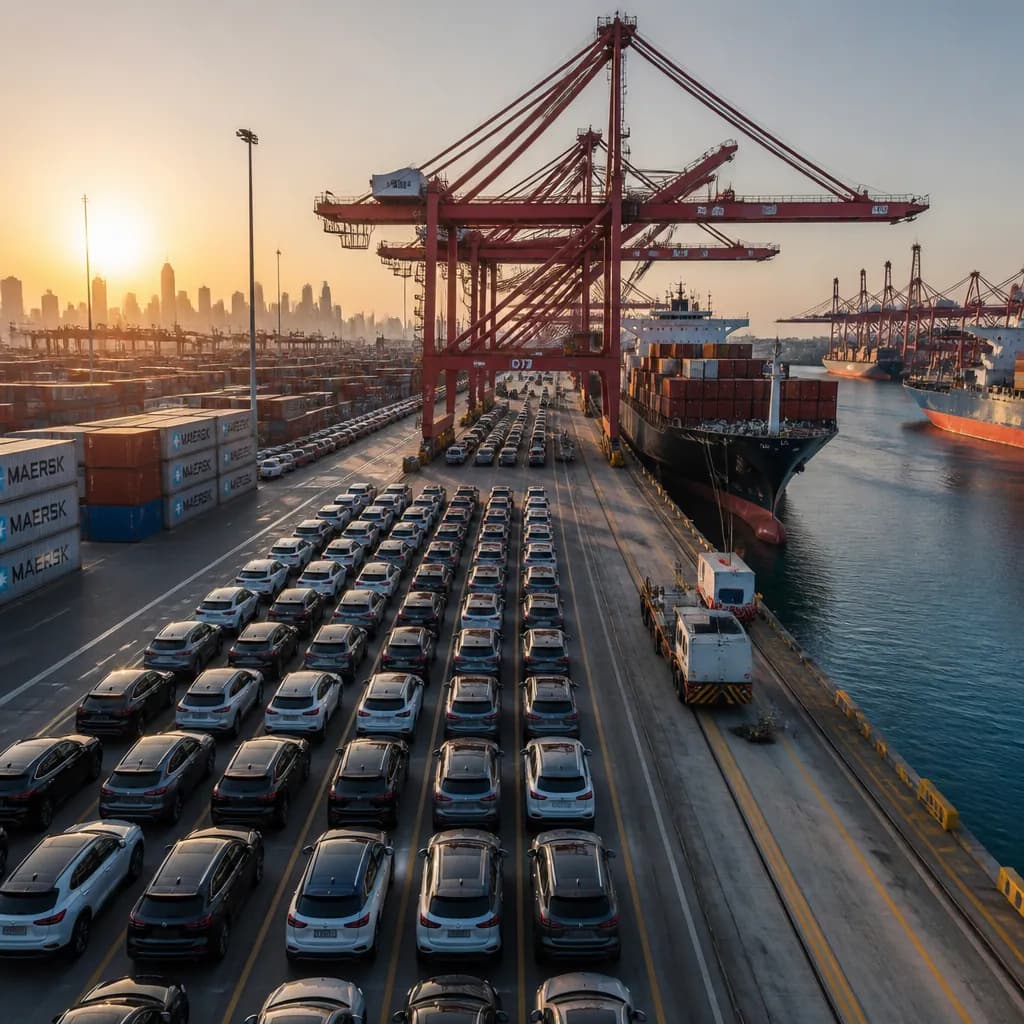
If you are sourcing vehicles for a dealership, fleet, or distribution network, the Chinese electric SUV export market in 2026 is impossible to ignore. Chinese electric car exports more than doubled in the first quarter of 2026 compared to the same period in 2025, and NEVs now account for over 54% of all passenger vehicles leaving Chinese ports. The models driving those numbers are not budget curiosities. They are well engineered SUVs with competitive range, serious safety ratings, and factory direct pricing that Western and Japanese alternatives cannot match at the same spec level. This guide breaks down which models are worth importing, what the process actually involves, and what buyers in the Middle East, Africa, and Asia need to know before placing an order.
Quick Takeaways
| Key Insight | Explanation |
|---|---|
| Chinese EV exports surged over 120% in H1 2026 | Total Chinese electric car exports jumped more than 120% year on year in the first six months of 2026, giving importers unprecedented model choice and supply volume. |
| NEVs now make up over 54% of Chinese passenger vehicle exports | The shift away from ICE vehicles in Chinese export shipments is accelerating fast. Electric and plug in hybrid SUVs dominate the outbound freight mix. |
| BYD and Chery lead the export pack | Chery holds roughly 23% of all made in China passenger vehicle exports, with BYD close behind at nearly 20%. Both brands offer strong SUV and EV lineups for international buyers. |
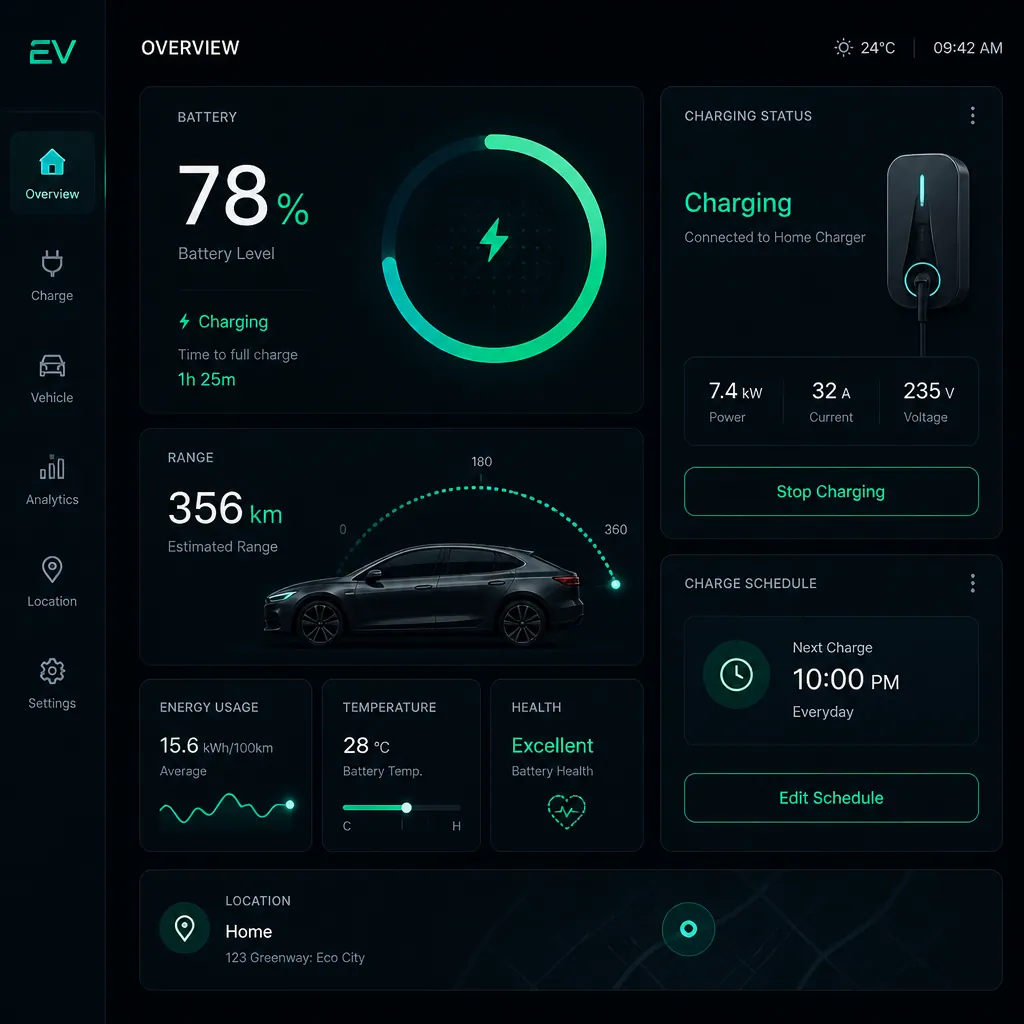
| Most 2026 Chinese EV SUVs offer 450 to 600 km WLTP range | Battery technology using LFP or NMC chemistry now delivers ranges that are practical for both urban fleets and regional distribution in markets with developing charge infrastructure. |
| Pre shipment inspection is non negotiable | Securing a vehicle inspection certificate in China before shipment, and verifying all electrical components meet destination market standards, is the single most effective way to avoid costly customs delays. |
| PHEV variants extend your market reach | For regions where charging infrastructure is still developing, plug in hybrid versions of popular EV SUVs (such as the BYD Song Pro DM-i) let you serve buyers who cannot fully commit to pure electric yet. |
| Total import cost is far more than the FOB price | Duties, shipping, local certification fees, and port handling can add significantly to the ex works price. Accurate landed cost modelling before ordering protects your margin. |
Why Chinese EV SUVs Dominate Export Volumes
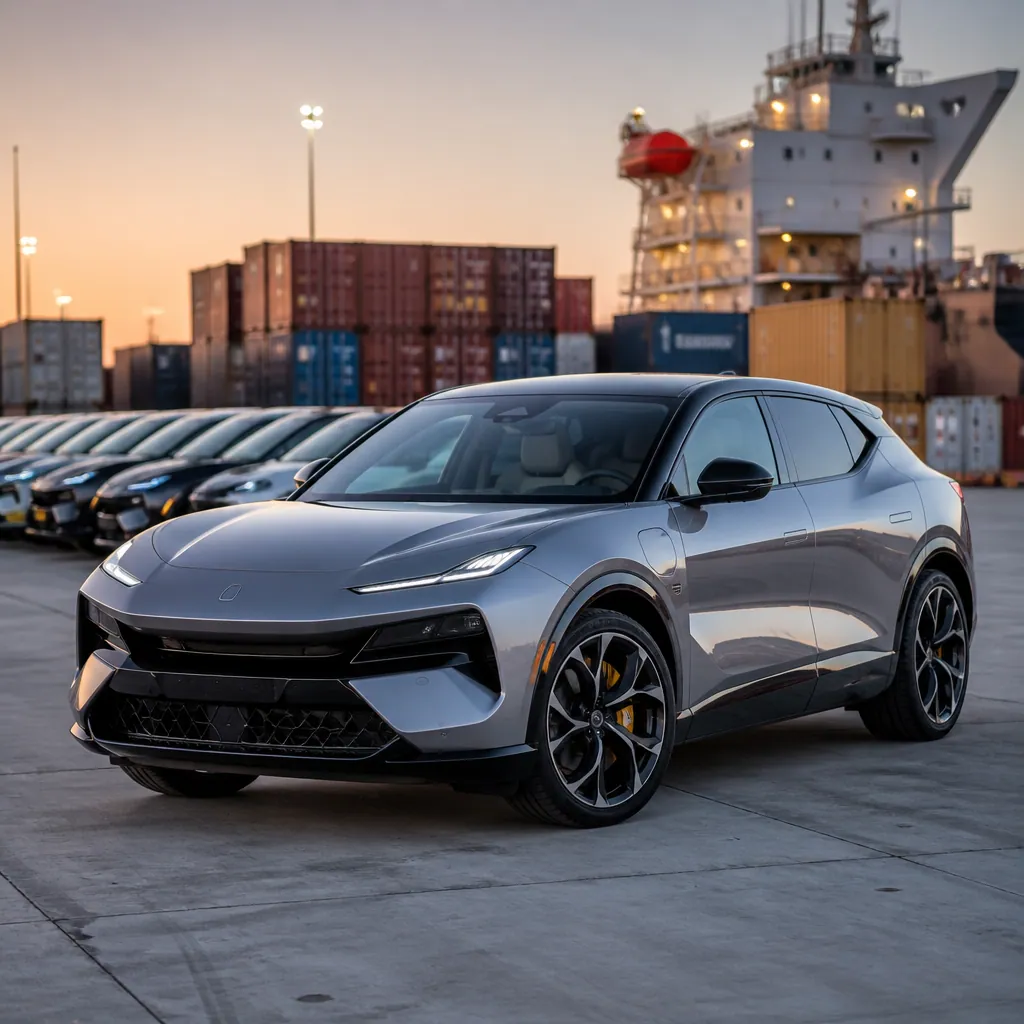
The numbers behind this shift are not subtle. Total vehicle exports from China surged 65 percent year on year in H1 2026, reaching more than 5 million vehicles, compared with closer to 3 million during the corresponding period of 2025. Electric car exports expanded even faster, jumping more than 120 percent year on year during the first six months of 2026. For vehicle dealers and distributors sourcing inventory, this means supply is there, model variety is widening, and factory pricing is increasingly competitive because Chinese OEMs need overseas volume.
The EV share of China’s automobile exports climbed from more than 35 percent in 2025 to over 45 percent in H1 2026. That is not a rounding error. That is a structural shift in what China ships, and the SUV segment sits at the centre of it. The combination of competitive pricing, rapid technology development, and improving international safety certifications has made the Chinese electric SUV export proposition genuinely compelling for importers who were previously reluctant.
The scale of China’s EV export expansion in 2026 reflects a market correction. Softer domestic demand and tightening purchase incentives inside China are pushing manufacturers to prioritise export volumes, which means better availability, faster lead times, and negotiating power for international buyers who move now.
BYD sold 4.6 million NEVs globally in 2025, with overseas volume exceeding 1 million for the first time. That milestone matters because it signals the infrastructure behind global deliveries, spare parts logistics, and aftersales support has reached a scale that makes fleet level ordering realistic, not just speculative.
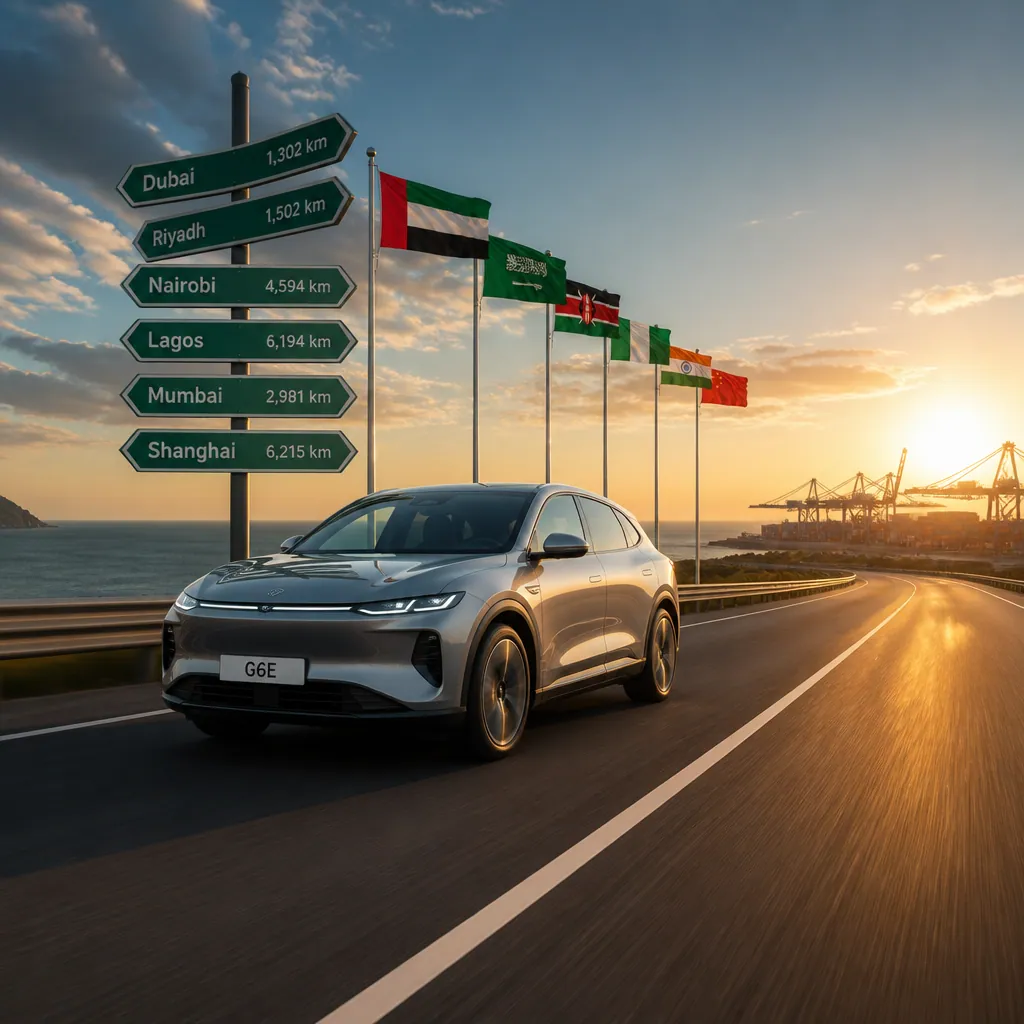
Top Chinese Electric SUVs Available for Export in 2026
Not every Chinese EV SUV is actually export ready in practical terms. A model might sell well domestically but lack the right hand drive configuration, the safety certification, or the spare parts ecosystem your market requires. The models below have demonstrated real export traction and are regularly available through established export channels.
BYD Sealion 7
The BYD Sealion 7 has largely replaced the older Atto 3 as the global favourite in the mid size segment, utilising BYD’s Blade Battery 2.0 technology. This model is specifically engineered for international safety standards, achieving a Euro NCAP 5-star rating. For a dealer bringing in a mid size electric SUV for an audience that cares about brand credibility, the Sealion 7 is the clearest recommendation in the BYD range right now.
A key 2026 technology feature is the 800V high voltage platform that enables charging from 10% to 80% in just 12 minutes. In markets where public charging infrastructure is concentrated in urban centres and buyers do fast top ups rather than overnight home charging, that charging speed is a genuine selling point, not just a spec sheet number.
BYD Yuan Plus (Atto 3)
The Yuan Plus remains one of the most widely exported Chinese electric SUVs globally. The BYD Yuan Plus (Atto 3) has achieved a 5-star Euro NCAP rating. It is described by those who source it regularly as a pure electric “global car” suited to urban, tech focused markets. It is available in configurations for both left hand and right hand drive markets, making it one of the most flexible options for multi market distributors.
Chery Omoda E5 (Chery E5)
Chery has been China’s largest passenger vehicle exporter since 2003, and their electric SUV offering has matured considerably. The Chery E5 (formerly known as the Chery Omoda E5) is available in two model grades. Its 150kW motor and 61kWh battery deliver 430km of WLTP range. For fleet operators sourcing compact electric SUVs at a price point below the BYD premium tier, the E5 consistently earns consideration. Chery’s global parts network and established export documentation processes reduce friction for first time importers.
ZEEKR 7X
For buyers targeting the premium end of the electric SUV market, the ZEEKR 7X has attracted serious attention. Across price points in the mid to large SUV segment, the ZEEKR 7X leads by a significant margin with a DC fast charging rate of 450kW, far outpacing competitors in its class. ZEEKR is a Geely brand, which gives it the backing of one of China’s most internationalised automotive groups. For dealers building a premium EV portfolio, the 7X addresses buyers who previously would have considered a European luxury SUV.
Deepal S07
The Deepal S07 has become one of China’s most popular electric SUVs, noted for its modern styling, intelligent technology, and excellent value. It is available in both Pure Electric (EV) and Range Extended (EREV) versions, offering flexibility for different markets and driving habits. The EREV option is particularly useful for distributors serving markets where charging network density is still developing, since buyers get the fuel flexibility of a hybrid with the primary efficiency of an electric drivetrain.
Haval Jolion and GWM Models
Great Wall Motor’s brands, particularly Haval, have built strong recognition across the Middle East and Africa over several years of consistent presence. GWM’s electric and hybrid SUV variants extend that brand familiarity into the EV segment without requiring buyers to adopt an entirely unfamiliar brand. For fleet operators in markets where Haval already has service infrastructure in place, sourcing the electrified variants of established Haval models reduces the aftersales risk that comes with introducing a brand new nameplate.
EV SUV Comparison: Mass Market vs. Premium vs. PHEV
When importers ask which category of Chinese electric SUV export to start with, the honest answer depends entirely on their end customer. The three tiers serve genuinely different buyer profiles and the wrong choice creates inventory that sits, not sells. Here is a direct comparison of how the three approaches stack up for international buyers.
| Category | Representative Models | Best Suited For |
|---|---|---|
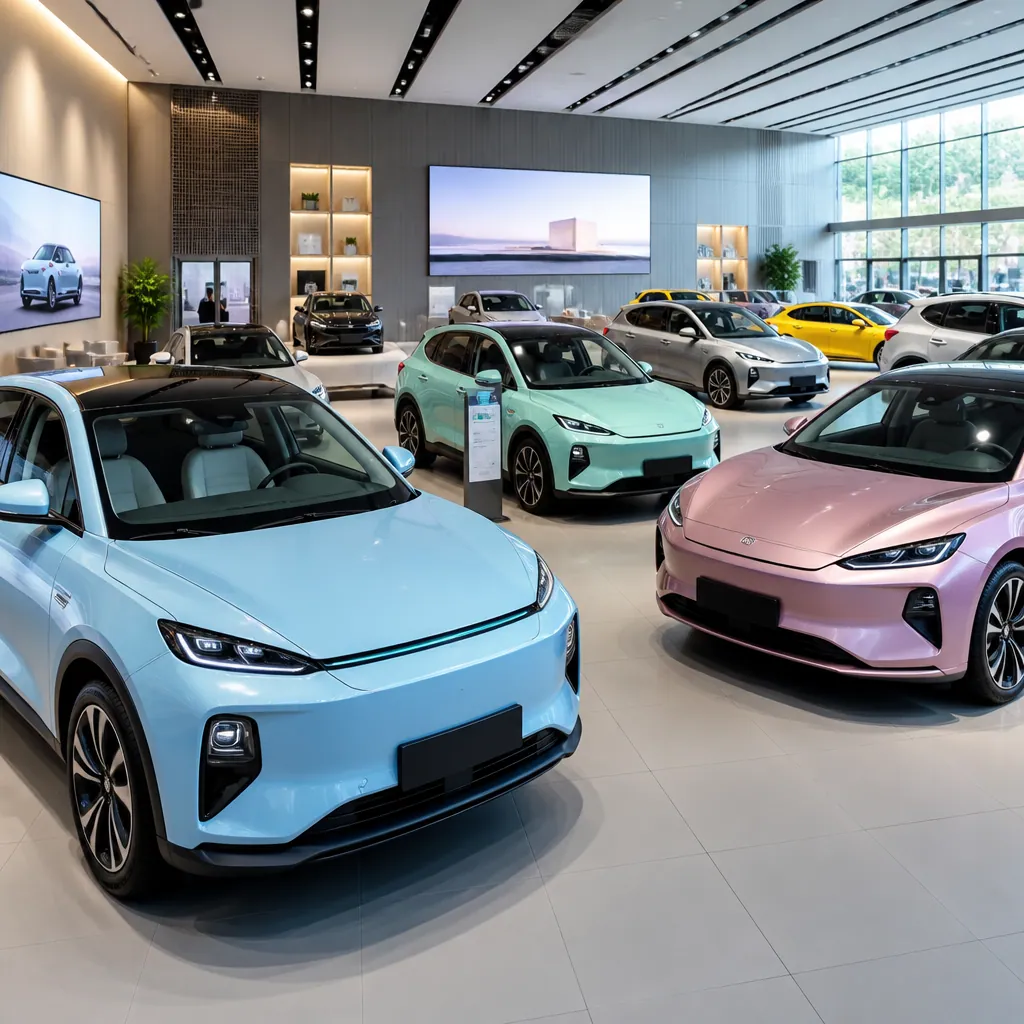
| Mass Market Pure EV SUV | BYD Yuan Plus (Atto 3), Chery Omoda E5, Deepal S05 | Urban fleet operators, first time EV importers, markets with developing but growing charge infrastructure. Price sensitive buyers who want credible safety ratings and a proven export track record. |
| Premium Pure EV SUV | BYD Sealion 7, ZEEKR 7X, XPeng G6 | Dealers targeting buyers upgrading from European or Japanese mid size SUVs. Markets where 5-star NCAP safety ratings and fast charging specifications are active purchase criteria. Fleet buyers who need to demonstrate quality to corporate clients. |
| Plug In Hybrid (PHEV/EREV) SUV | BYD Song Pro DM-i, Deepal S07 EREV, AITO M5 | Markets with limited charging infrastructure. Buyers who need long intercity range without range anxiety. Governments or fleets that want to electrify gradually rather than all at once. |
Pro tip: If you are entering a new market with Chinese EVs for the first time, starting with a PHEV or EREV model reduces buyer hesitation about charging infrastructure. Once your customer base grows comfortable with the brand, transitioning them to pure EV models in later orders becomes significantly easier.
What the Export Process Actually Looks Like
A common mistake among first time importers is treating the Chinese electric SUV export process as a simple purchase transaction. It is not. The process involves supplier verification, model configuration confirmation, pre shipment inspection, export documentation, customs compliance at the origin, international freight, and destination country import clearance. Each of these steps has its own failure mode.
Supplier Verification and Model Configuration
Buyers should conduct supplier verification, confirm product certifications, inspect vehicle quality, and ensure all export and import documents are prepared correctly before shipment. Chinese vehicle manufacturers have years of experience exporting to Europe, North America, South America, the Middle East, Africa, and Southeast Asia, and many suppliers are familiar with international certifications, export documentation, and shipping requirements.
In practice, supplier verification means confirming the entity you are dealing with is an authorised exporter or a verifiable intermediary, not simply someone who can access factory pricing. The difference matters enormously for warranty claims, spare parts supply, and any post delivery issues.
Pre Shipment Inspection
Proper pre shipment preparation is key. Securing a vehicle inspection certificate in China and ensuring all electrical components meet local standards can help avoid customs delays. Consistency across all certificates and invoices is critical to keeping the import process smooth and efficient.
For electric SUVs specifically, the inspection needs to cover battery health, software version compatibility with the destination market, charging port standards (CCS2 vs. CHAdeMO vs. GB/T), and any market specific configuration requirements such as speedometer units or language settings. These are not items you want to discover after the vehicles clear the port.
Freight and Logistics
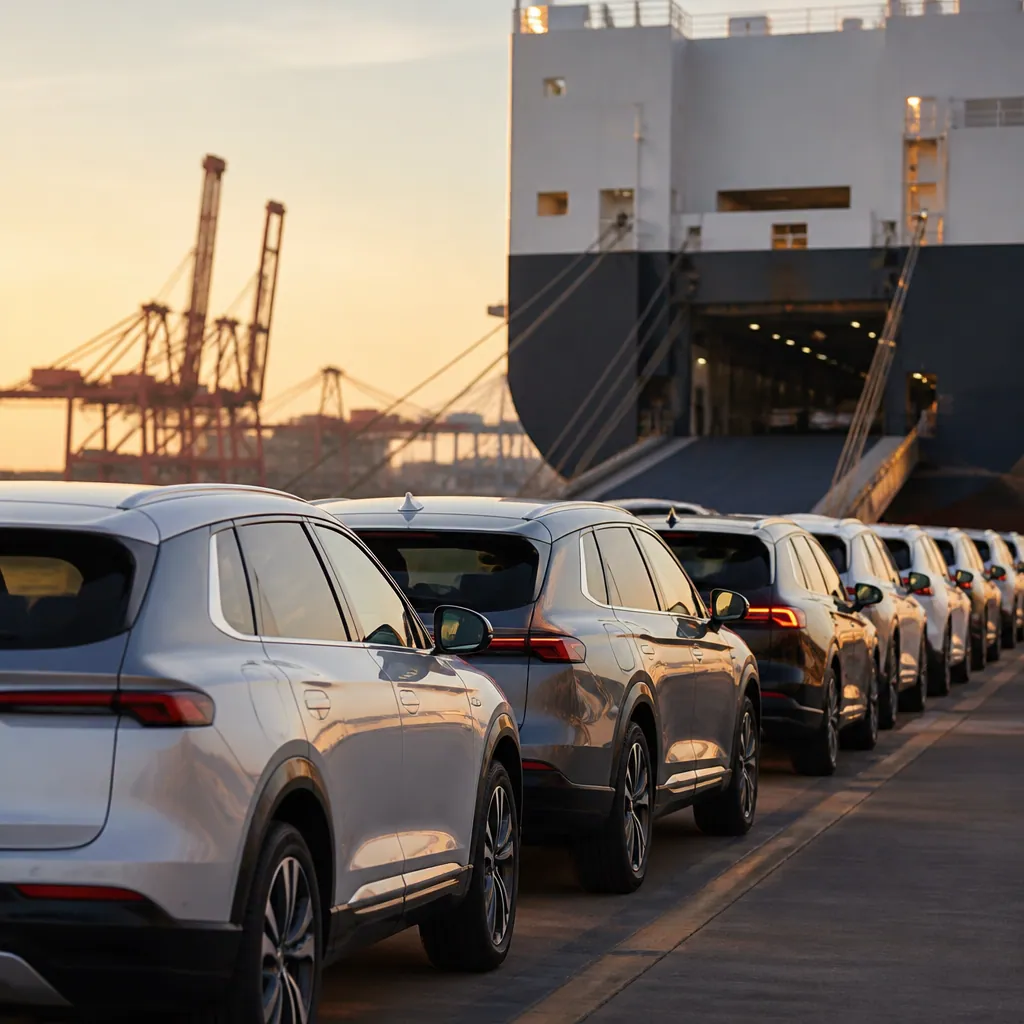
Chinese EV SUVs are shipped via Ro Ro (roll on, roll off) vessels or container freight depending on volume and destination. Ro Ro is generally preferred for large consignments. Lead times from order confirmation to port of destination arrival vary by route but typically run several weeks for most Middle Eastern and African destinations. Working with an experienced freight forwarder who handles automotive cargo specifically, rather than a general freight agent, reduces the risk of handling damage and documentation errors.
Pro tip: Always negotiate and confirm the Incoterms with your supplier before signing any purchase agreement. FOB (Free on Board) and CIF (Cost, Insurance, and Freight) shift liability at different points in the journey, and the difference has direct financial consequences if a shipment is damaged or delayed en route.
Key Documentation and Compliance Requirements
Documentation failures are the most common reason EV imports from China are delayed or rejected at customs. Key documents to prepare include invoices, certificates of origin, and inspection reports to meet local regulations. For electric vehicles specifically, the list extends further. Battery certification documentation, homologation certificates, and conformity of production records are increasingly required by customs authorities in both the Middle East and Africa.
Some countries may require additional certifications or impose age restrictions on imported vehicles. Staying informed about these evolving rules is key to a smooth import experience. Understanding the full cost structure is essential for planning your EV import effectively. The total price involves much more than just the vehicle’s sticker price, including shipping, duties, taxes, and administrative fees.
For buyers in Africa, the compliance landscape is evolving quickly. The Africa EV Readiness and Impact Index, launched in 2025, evaluates how prepared African nations are for EV adoption, emphasising the importance of tailored policies and infrastructure development. This means that import regulations in African markets are actively changing, and what cleared customs last year may face new requirements this year. Working with a supplier or export partner who monitors these changes proactively is not optional for repeat importers.
Choosing the Right Model for Your Market
The best Chinese electric SUV for export to your market is not the one with the longest range or the most impressive spec sheet. It is the one your end buyers will actually purchase, service, and recommend. Here is how to think through the decision by market type.
Middle East Markets
Buyers in the Middle East have shown strong appetite for mid to large SUVs with premium technology features. Chery and Haval are the top sellers in the region, and the Geely Monjaro is gaining traction in the UAE. Chinese brands are capturing share from Japanese alternatives primarily on price. For EV specifically, buyers tend to prioritise fast charging capability, range above 500km, and cabin tech features. Models such as the BYD Sealion 7 and ZEEKR 7X map well to these preferences. Battery thermal management in high ambient temperature environments is also worth verifying with your supplier, as not all battery management systems handle consistent 40 to 45 degree operating conditions equally well.
African Markets
Chinese car exports to Africa hit 222,000 units between January and May 2025, a 67% increase compared to the previous yearand the growth is continuing into 2026. The most practical choice for most African markets at this stage is a PHEV or EREV SUV model rather than a pure electric, given the variance in charging infrastructure between urban and rural areas. Where charging is reliable, the Chery E5 and BYD Yuan Plus offer strong value. Aftersales parts availability should be a primary selection criterion alongside the vehicle price, since repair delays cost fleet operators more in downtime than the initial price saving.
Southeast Asian and Other Markets
Southeast Asian markets vary considerably by country. Some have strong EV incentive programmes and growing public charging networks; others do not. The Deepal S07 in its EREV configuration has shown appeal in markets that sit in between, because it removes the binary choice between pure EV and ICE. For dealers building a multi model portfolio rather than a single model bet, pairing a mass market EV SUV with a PHEV variant of the same brand family tends to outperform a single model strategy in markets that are still deciding on their EV infrastructure trajectory.
Frequently Asked Questions
Which Chinese electric SUV brands are most widely exported in 2026?
BYD and Chery lead Chinese passenger vehicle exports by volume, with Geely, SAIC, and Great Wall Motor rounding out the top five. In the electric SUV segment specifically, BYD’s Sealion 7 and Yuan Plus (Atto 3) see the widest international distribution, while Chery’s Omoda and E5 models have strong traction in the Middle East, Africa, and South America. ZEEKR, as a Geely brand, is growing quickly in premium segment exports.
What is the typical lead time for importing a Chinese EV SUV?
Lead times depend on whether the vehicle is in stock at the factory or port, the destination country, and the shipping route. For most Middle Eastern and African markets, expect four to ten weeks from confirmed order to port of destination arrival. Rush freight options exist but carry a significant cost premium. Working with a supplier who holds ready to ship inventory cuts lead times considerably compared to placing a factory build order.
Do Chinese electric SUVs come with right hand drive configurations for markets that require them?
Several models are available in right hand drive, including the BYD Yuan Plus (Atto 3), and Chery has produced RHD variants for specific markets. However, not every model is available in RHD from the factory, so you need to confirm configuration availability with your export partner before committing to a specific model. Retrofitted conversions are generally not recommended as they can affect safety certifications and warranty validity.
What certifications should I look for when importing a Chinese EV SUV?
The most important certifications depend on your destination market. Euro NCAP 5-star safety ratings are increasingly used as a credibility benchmark even outside Europe. UN Regulation ECE R100 covers electric vehicle battery safety and is required or referenced in many markets. You should also confirm the vehicle’s charging port standard matches your market’s infrastructure (CCS2 is the most widely accepted internationally), and obtain the Certificate of Origin, the Manufacturer’s Certificate of Conformity, and any relevant homologation documents before shipment.
How do I verify that a Chinese EV SUV exporter is legitimate?
Ask for the supplier’s export licence number, request references from verified previous customers in your region, and conduct an independent pre shipment inspection through a third party inspection company. Legitimate exporters will not object to independent inspections. Check whether the exporter is an authorised dealer or direct factory agent for the brand in question rather than a secondary reseller. For large orders, visiting the factory or authorised warehouse in China before committing is a worthwhile step that a reputable export partner will facilitate.
Are spare parts and aftersales support available for Chinese EVs outside China?
This varies significantly by brand and market. BYD and Chery have invested in regional parts distribution infrastructure across the Middle East and Africa, and their dealer networks in key cities have improved considerably. For newer or less established brands, parts availability can be slower and more expensive. When evaluating a Chinese electric SUV export order, ask your supplier specifically about parts lead times for high wear components (brake pads, tyres, suspension parts) and about software update procedures for the vehicle’s operating system in your market.
If you are currently evaluating Chinese electric SUVs for your dealership, fleet, or distribution network, we would love to hear which models or markets you are focused on. Drop your thoughts or questions in the comments below.
References
- China vehicle export market share by brand: Chery and BYD dominate May 2026 figures
- IEA Global EV Outlook 2026: Chinese electric car manufacturing and trade data
- China EV export surge analysis: 120% growth and domestic market reset in 2026
- Guide to importing electric cars from China to Africa: documentation, costs, and compliance
- Complete guide to importing electric vehicles from China: sourcing, inspection, and logistics