
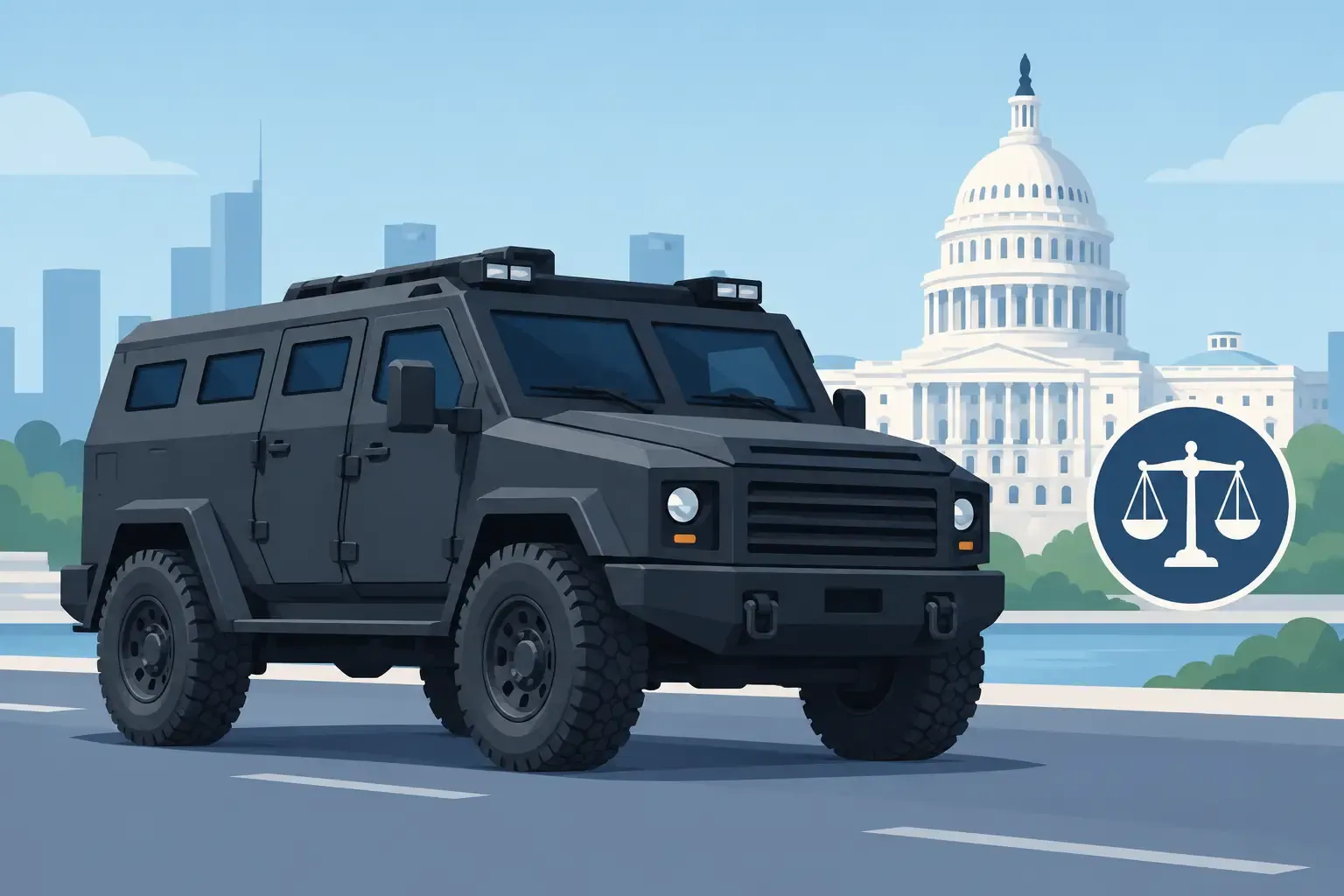
An armored SUV may look ready for any assignment, but protection alone does not make it road ready. Are armored cars street legal in the United States? In most cases, yes, provided the vehicle is properly titled, registered, insured, and equipped to comply with applicable federal and state requirements. The critical issue is not the presence of ballistic protection. It is whether the completed vehicle remains compliant after armoring, modification, import, and delivery.
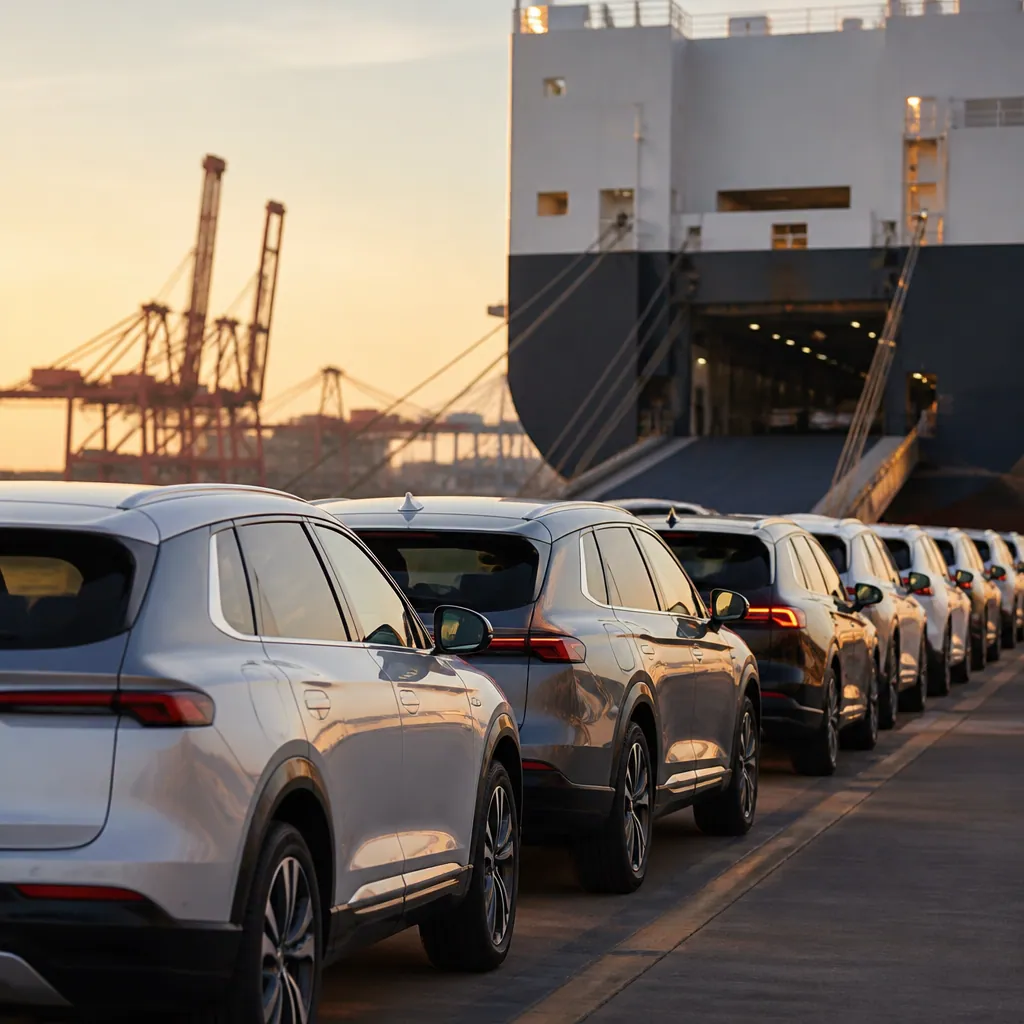
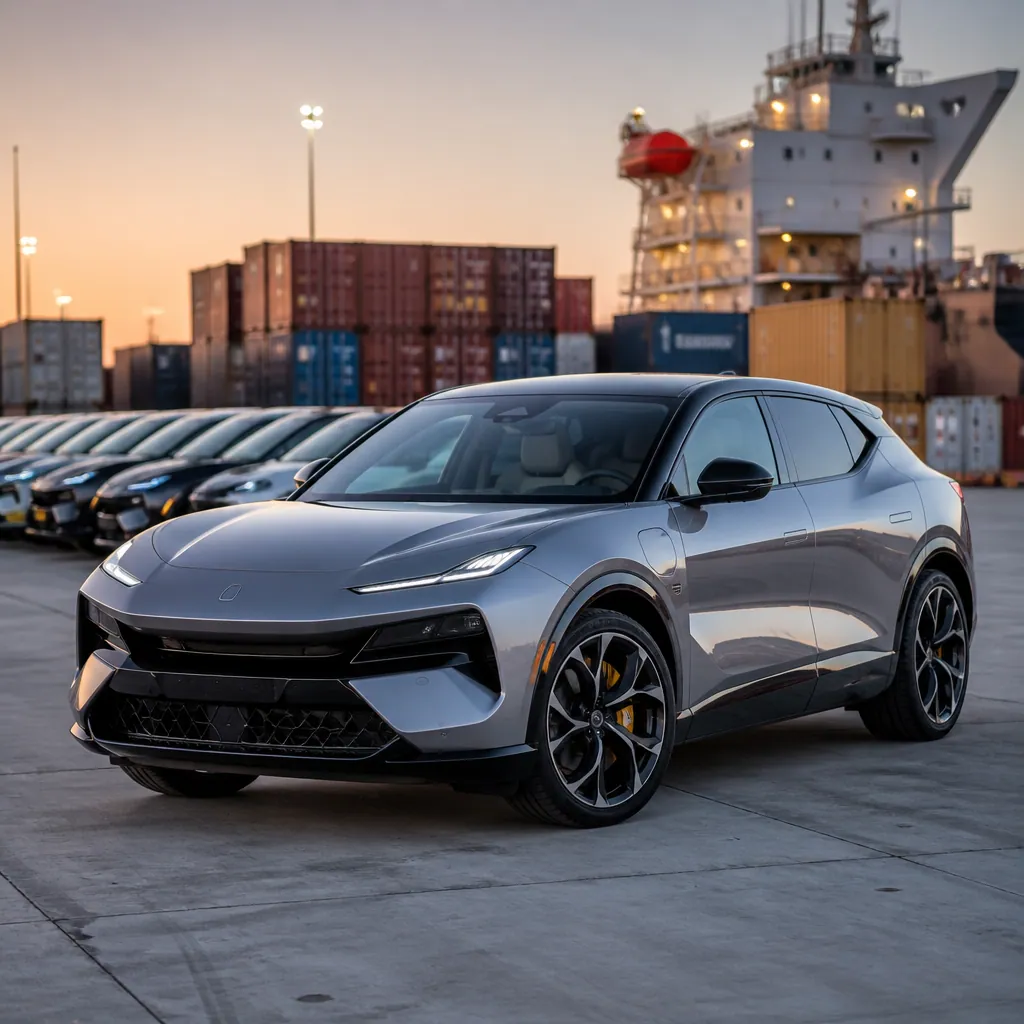
For buyers sourcing vehicles internationally, street legality should be verified before funds are committed and long before the vehicle reaches the destination port. A capable armored vehicle can still become expensive, delayed inventory if its documentation, weight rating, lighting, glazing, or import status does not support registration in the intended state.
Are Armored Cars Street Legal Under U.S. Law?
There is no general U.S. law that bans civilian ownership or road use of armored cars. Private individuals, corporate fleets, executive transport operators, and security teams can typically own and operate armored vehicles on public roads. Civilian armor is not automatically treated as military equipment, and ballistic panels, reinforced glass, run flat systems, and protected fuel tanks are not inherently unlawful.
Street legality depends on the same foundation required for any other vehicle: a valid vehicle identification number, legal ownership documents, a title or acceptable title pathway, registration, required insurance, and compliance with road use rules. The vehicle must also meet applicable equipment standards, including lights, mirrors, windshield condition, tires, brakes, and emissions requirements where applicable.
The answer becomes more complicated when a vehicle has been extensively modified or imported from outside the United States. Armoring changes vehicle mass, braking demandsvisibility, and sometimes the function of factory safety systems. Those changes do not automatically make the vehicle illegal, but they can affect whether the vehicle can be inspected, insured, and registered.
The Four Issues That Usually Determine Registration
1. Title, VIN, and ownership documentation
A street legal armored vehicle needs a traceable identity. The VIN should be intact, readable, and consistent across the vehicle, title, export documents, and customs paperwork. Buyers should be cautious with vehicles that have unclear title history, altered VIN areas, salvage complications, or incomplete conversion records.
For a newly armored vehicle, the original manufacturer VIN is normally retained. However, the buyer should receive clear documentation identifying the base vehicle, the armoring company, the level or scope of conversion, and the final vehicle specifications. This record supports registration, insurance underwriting, future resale, and fleet compliance reviews.
2. Federal and state equipment requirements
Most states focus on whether the vehicle can safely operate on public roads. Standard road equipment must remain functional after conversion. Headlights, turn signals, brake lights, mirrors, windshield wipers, seat belts, tires, and other required equipment cannot be compromised by the armor package.
Weight is a major practical factor. Ballistic glass, steel or composite panels, reinforced suspension, and run flat tires can add substantial mass. The upgraded suspension, brakes, wheels, and tires should be rated for the completed vehicle weight. If the conversion pushes the vehicle beyond its gross vehicle weight rating, the risk is not only mechanical. It may create registration, inspection, warranty, insurance, and liability concerns.
State requirements vary. Some states have periodic safety inspections, emissions testing, modified vehicle rules, or specific windshield and window tint restrictions. Ballistic glass may be darker or thicker than standard glazing, so buyers should confirm visibility and tint compliance for the state where the vehicle will be registered.
3. Import compliance for foreign sourced vehicles
An armored vehicle purchased abroad is not automatically eligible for U.S. road use just because it can be driven in its country of origin. Imported vehicles generally need to meet U.S. safety and environmental requirements unless a recognized exemption applies.
A vehicle originally manufactured for the U.S. market is often simpler to import, assuming it retains its compliance labels and has not been modified in a way that defeats required systems. A foreign market vehicle may require a formal compliance pathway, modifications through qualified channels, or eligibility under an age based exemption. The well known 25-year rule can apply to certain older vehicles, but it does not turn every imported vehicle into a simple registration process. State title rules, customs entry, and emissions requirements can still apply.
Armoring work performed overseas adds another layer of review. The buyer should understand whether the base vehicle was compliant before conversion and whether the final configuration affects federal standards or the documentation required at import. A complete pre shipment file is essential, particularly for high value executive, commercial, or security fleet purchases.
4. Insurance and real world operability
An armored vehicle may meet registration requirements but still be difficult to insure if the carrier cannot accurately assess its value, modification quality, repair cost, or use case. Standard personal auto coverage may not reflect the replacement cost of armor, ballistic glass, specialized tires, and security equipment.
Insurance providers commonly ask for appraisals, invoices, conversion specifications, photographs, and proof of anti theft or security features. Commercial use, executive transportation, security operations, and cross border use can require a different policy structure. Confirm insurability before delivery, not after the vehicle arrives.
Operational suitability matters as well. An armored vehicle can be significantly heavier, slower to stop, more expensive to maintain, and harder to repair after collision damage. Qualified service supportparts availability, tire load ratings, and brake maintenance should be considered part of the road readiness decision.
Modifications That Can Create Legal Problems
Armor itself is usually not the concern. Certain accessories and modifications can attract regulatory attention or prevent a vehicle from passing inspection. Emergency style red or blue lighting, sirens, police markings, restricted radio equipment, and obscured license plates can be unlawful for civilian use depending on the state and intended use.
Window tint is another recurring issue. Even when ballistic glazing is installed for protection, state laws may limit how dark the front windows and windshield can be. Buyers should not assume that a security specification overrides local visibility requirements.
The use of reinforced bumpers, push bars, exterior protective components, or roof mounted equipment should also be reviewed for lighting, pedestrian safety, and plate visibility implications. If an armored vehicle has been built for diplomatic, military, or law enforcement use, it may require changes before civilian registration is practical.
What Buyers Should Verify Before Shipping
The strongest purchase decision is made before the vehicle is loaded for export. Request the vehicle title or ownership documents, VIN photographs, conversion invoice, final weight information, equipment specification, maintenance records, and pre shipment inspection results. For imports, retain the customs and compliance documentation required for entry and registration.
It is also wise to provide the vehicle specifications to the intended insurer and, where rules are unclear, the local DMV or a qualified registration professional. This is especially relevant when purchasing a heavily armored model, a foreign market unit, or a vehicle that will be titled through a business entity.
Automotion Global supports buyers who need export ready vehicle sourcing with attention to documentation, inspection, and international shipping coordination. For armored inventory, the right commercial question is not simply whether a vehicle is available. It is whether its completed specification is suitable for the destination market and the buyer’s intended registration path.
Street Legal Does Not Always Mean Mission Ready
A legally registered armored vehicle may still be the wrong choice for a particular route, climate, fleet operation, or security profile. Heavy armor can reduce payload, increase fuel consumption, and place greater demands on brakes, suspension, and driveline components. A discreet civilian style build may be better suited to executive travel, while a higher protection configuration may require more specialized operating and maintenance planning.
Before purchasing, match the vehicle’s protection level, curb weight, legal documentation, and service support to where it will actually operate. That preparation turns an armored vehicle from a complex import risk into a dependable, road ready asset.