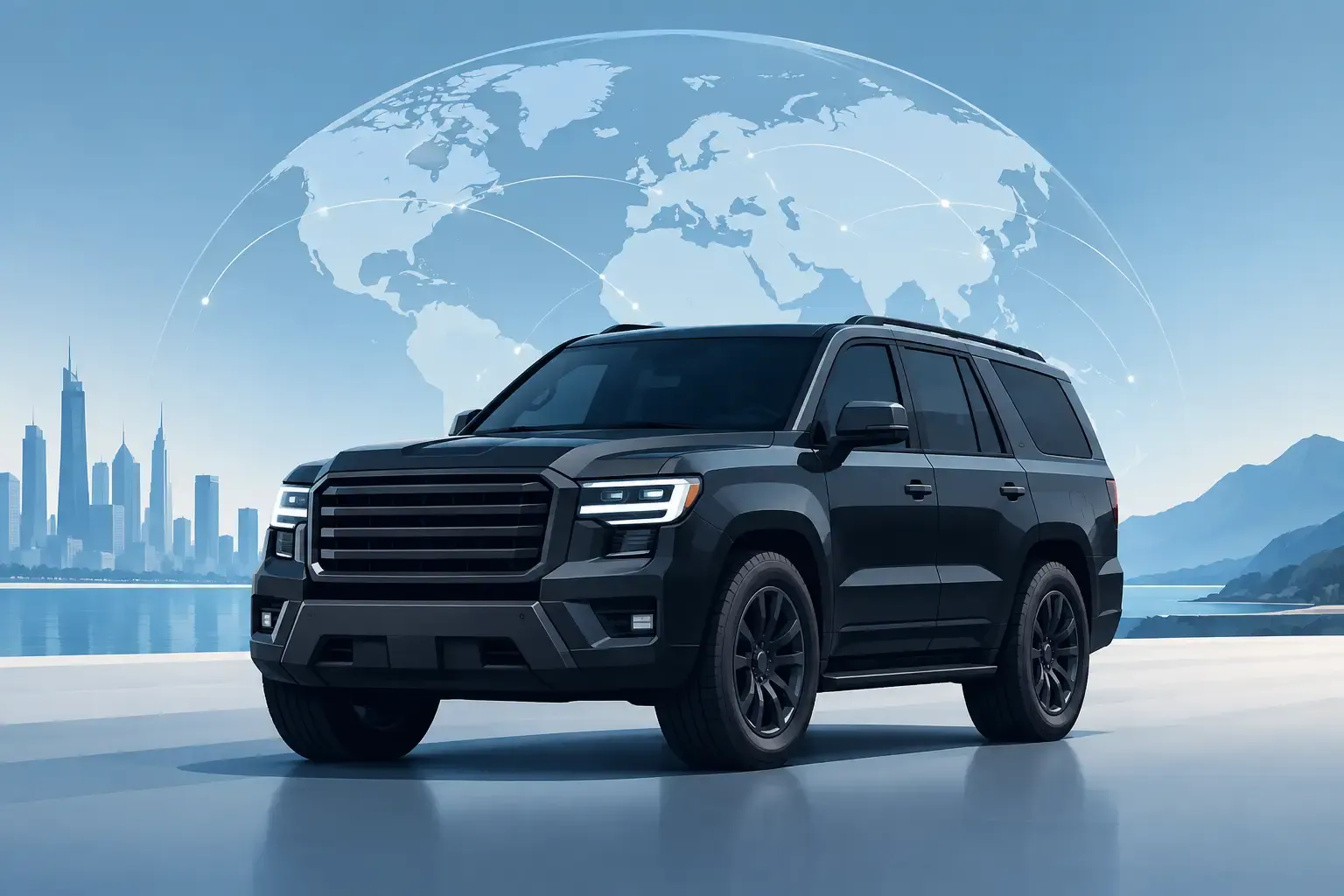
A credible armored SUV performance review starts where most standard vehicle reviews stop: with the effect of protection on the complete operating package. Ballistic glass, reinforced body panels, run flat systems, upgraded suspension, and added structural components change more than curb weight. They influence acceleration, stopping distance, cornering, fuel use, payload, maintenance planning, and shipping documentation.
For international buyers, performance must be assessed against the vehicle’s real mission. A security team moving executives through urban traffic has different priorities than a fleet operating long intercity routes or an organization deploying vehicles in high risk environments. The correct armored SUV is not simply the one with the highest protection rating. It is the one whose protection level, chassis capability, and supply support are properly matched.
What Changes When an SUV Is Armored?
Armoring adds significant mass, often concentrated in the doors, glazing, roof, floor, firewall, and rear cargo area. The exact increase depends on the ballistic level, material system, glass specification, and whether blast protection or additional security equipment is included. This weight changes the vehicle’s original engineering balance.
A properly converted SUV should receive more than armor panels. The conversion should account for suspension tuning, spring rates, dampers, braking capacity, wheel and tire ratings, door hinges, electrical load, and cooling performance. Without these upgrades, the vehicle may still offer protection, but it can feel under braked, unstable when loaded, or difficult to operate consistently in demanding conditions.
The base platform matters. Full size SUVs and body on frame models generally provide more room for weight management, higher gross vehicle weight ratings, and useful load capacity. Premium unibody SUVs can offer refined road manners and strong powertrains, but buyers must confirm that the completed vehicle remains within approved axle and gross weight limits.
Armored SUV Performance Review: The Key Tests
Acceleration and power delivery
An armored SUV will not perform like its unarmored equivalent. Added weight increases the work required for every launch, passing maneuver, incline, and recovery from low speeds. A strong gasoline, diesel, hybrid, or electrified powertrain can maintain confident real world response, but headline horsepower alone is not enough.
Torque delivery, transmission calibration, cooling capacity, and sustained load behavior are more relevant than a single zero to-60 figure. For executive transport and security use, the question is whether the vehicle can pull away decisively, merge safely, and maintain speed with passengers, equipment, and fuel onboard. For a heavier protection package, a larger displacement engine or high torque electrified system may be the better operational choice.
Buyers should also ask whether performance figures are based on the completed armored vehicle or the donor SUV. Factory performance data does not represent the finished vehicle after armor installation.
Braking under load
Braking is one of the most critical areas in any armored SUV evaluation. More mass means more energy must be controlled during every stop. Upgraded brake components, properly rated tires, and correct suspension geometry help maintain predictable braking behavior, especially during repeated use in traffic, on steep grades, or in hot climates.
A serious inspection should confirm the condition and specification of discs, calipers, pads, brake lines, wheels, and tires. It should also verify that braking stability systems operate correctly after conversion. An armored SUV that feels acceptable during a short, unloaded drive may behave very differently with a full passenger complement and operational equipment.
Run flat tires deserve particular attention. They provide valuable mobility after a tire is compromised, but they can add unsprung weight and create a firmer ride. Their availability in the destination market, replacement lead time, and speed or distance limitations should be part of the purchase decision.
Handling, ride quality, and driver control
Armored SUVs naturally carry a higher center of gravity and more weight than standard models. The result can be increased body motion, slower directional changes, and more pronounced weight transfer in emergency maneuvers. Professional conversion work reduces these compromises through matched suspension components and careful weight distribution, but it cannot eliminate physics.
The objective is controlled, predictable handling rather than sports car response. Steering should remain consistent, the vehicle should track securely at highway speed, and the suspension should manage uneven roads without excessive bounce or bottoming. For buyers serving regions with poor pavement, ground clearance and suspension travel may be more valuable than low speed comfort.
A road evaluation should include city turns, highway cruising, braking from normal operating speeds, inclines, and uneven surfaces where practical. If the vehicle will be chauffeur driven, the rear seat experience also matters. Ballistic glass and reinforced doors can alter cabin noise, entry effort, visibility, and air conditioning demand.
Payload and usable capacity
Protection weight reduces the amount of cargo and passenger weight that remains available. This is often overlooked in procurement discussions. A vehicle may have seating for seven, but its legal and safe operating payload after armoring may not support seven adults, luggage, communications equipment, medical supplies, and full fuel capacity at the same time.
Confirm the completed vehicle’s curb weight, gross vehicle weight rating, front and rear axle ratings, and maximum payload. These figures should be documented for the actual armored configuration, not estimated from the original manufacturer specification. Overloading an armored SUV can affect braking, tire life, driveline reliability, and compliance with local road regulations.
Protection Must Be Verified, Not Assumed
An armored vehicle’s performance is inseparable from its protection specification. Buyers should request clear confirmation of the ballistic standard, coverage areas, glass level, overlap design, floor protection, fuel tank treatment, battery protection where applicable, and run flat system specification. Terms such as “bulletproof” are not a substitute for a defined protection level and documented build scope.
The protection package should match the assessed threat profile. Higher protection can bring greater weight, cost, and operating demands. For some executive transport missions, a carefully engineered lower level package may provide the right balance of discretion, mobility, and comfort. For higher risk deploymentsgreater protection may be necessary, with the understanding that vehicle performance and maintenance requirements will change accordingly.
It is also necessary to distinguish between factory developed armored models and aftermarket conversions. Both can be suitable when properly specified and documented, but the buyer should understand who performed the work, what components were upgraded, and what inspection records are available.
Export Readiness Is Part of Vehicle Performance
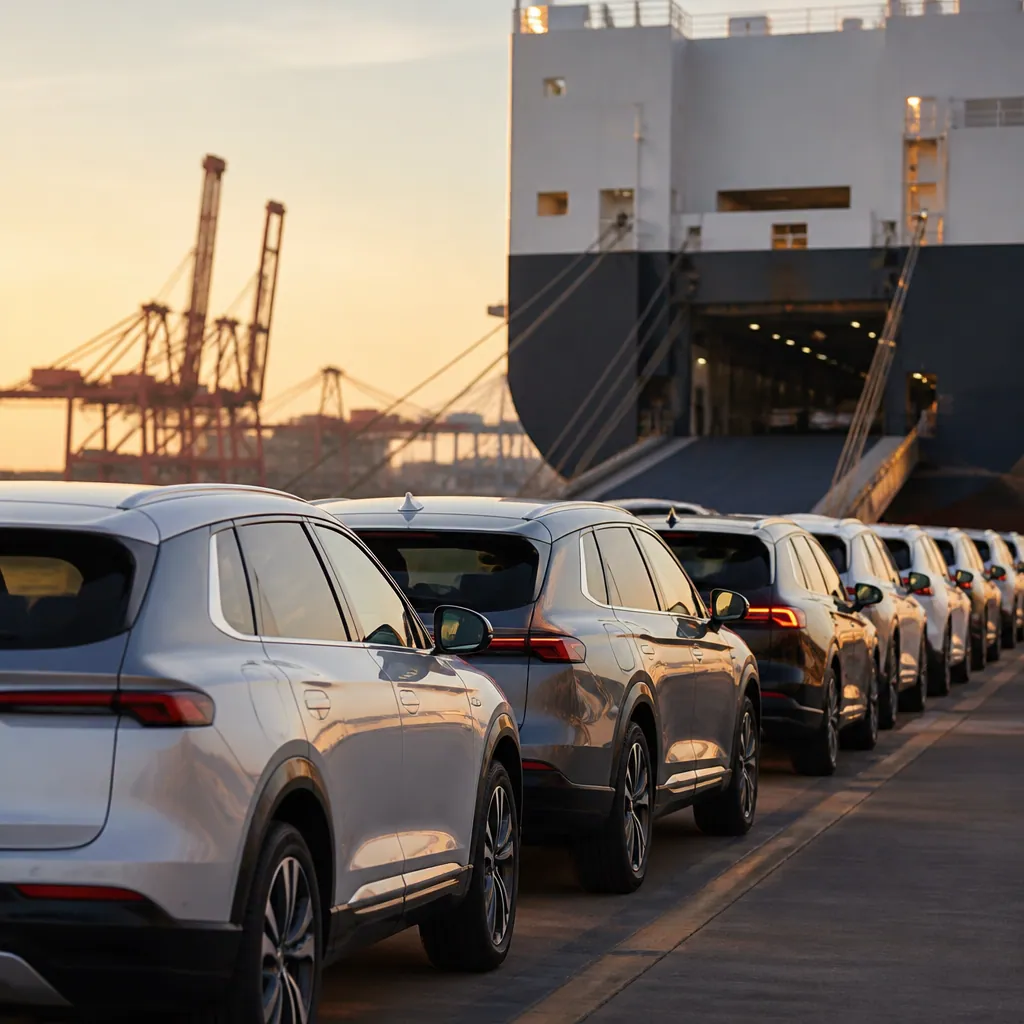
For a cross border purchase, a vehicle that performs well on the road but cannot clear import requirements is not a successful procurement. Import rules can affect allowable protection levels, vehicle age, steering configuration, emissions status, homologation, registration, and required documentation. Armored glass and specialized security components may also require accurate declaration during shipment.
Before committing to a unit, confirm the destination country requirements and the documents available with the vehicle. A complete export file may include the commercial invoice, vehicle identification details, title or ownership documents where applicable, inspection records, armoring certification, packing information, and shipping paperwork. Requirements vary by destination, so this process should begin before vehicle dispatch.
Automotion Global supports buyers who need export ready vehicle sourcing, pre shipment coordination, and international delivery planning. For armored SUVs, that operational discipline is especially valuable because specification, weight, inspection, and documentation must align before the vehicle moves.
Questions That Should Be Answered Before Purchase
A performance review should produce clear answers, not general assurances. Buyers should request confirmation of the completed curb weight and payload, the protection standard and coverage, brake and suspension upgrades, tire and run flat specifications, service history, and the availability of replacement parts in the operating region.
They should also establish how the vehicle will be used. Will it carry two executives in a city, a full security detail across long distances, or commercial personnel and cargo over mixed road conditions? Will it be maintained through a local specialistand are consumables such as armored glass, tires, brake parts, and suspension components accessible? These answers often determine the right configuration more accurately than a model badge.
The best armored SUV is the one that arrives with verified specifications, remains within its operating limits, and can be supported after delivery. Choose protection with the same discipline used to choose the vehicle itself: based on mission, documented capability, and a practical plan for the roads ahead.