Buying a vehicle from China is the easy part. Once that vehicle lands in your country and starts accumulating kilometres, the real question kicks in: who fixes it, who supplies the parts, and what does the warranty actually cover? Aftersales support for Chinese vehicles is the issue that separates a smart procurement decision from an expensive headache, and it is the question that every dealer, importer, and fleet operator needs to answer before signing an order, not after. This guide gives you a clear eyed picture of what to expect, what to demand, and how to build a support structure that keeps your vehicles operational and your customers loyal.
Quick Takeaways
| Key Insight | Explanation |
|---|---|
| Warranty terms change at the border | Many Chinese manufacturer warranties are valid only within China. Export orders must confirm in writing whether international warranty coverage applies and under what conditions. |
| VIN documentation is non negotiable | Every warranty claim and parts order depends on matching the Vehicle Identification Number to the correct model year, market spec, and trim. Always obtain VIN records before shipment. |
| Spare parts lead times average 7 to 21 days from China | Parts ordered directly from Chinese depots typically take one to three weeks to arrive internationally. Plan buffer stock for fast wearing consumables such as brake pads, filters, and sensors. |
| Technician training is often overlooked and always critical | Local mechanics unfamiliar with Chinese vehicle platforms, especially EVs and PHEVs, can misdiagnose faults or create safety hazards. Arrange training before vehicles enter service. |
| Fleet operators should negotiate service terms upfront | For bulk orders, service agreements including labour rate caps, priority parts scheduling, and diagnostic tool access should be part of the procurement contract, not an afterthought. |
| OEM parts quality varies widely | Parts listed as fitting a specific Chinese model can differ between production batches. Always verify ISO 9001 certification and request test reports from your parts supplier. |
| Authorized networks matter more than price | Vehicles imported through authorized channels with confirmed dealer support have lower total ownership costs than grey market units that save money upfront but carry no service backing. |
Why After Sales Support Is the Real Test of a Chinese Vehicle Deal
There is a version of Chinese vehicle importing that looks great on a spreadsheet. The purchase price is lower than equivalent Japanese or European models, shipping is manageable, and the vehicles arrive in excellent condition. Then the first major service interval arrives, or worse, the first unplanned breakdown. At that point, the quality of the aftersales support structure determines whether the import decision was genuinely profitable or just deferred cost.
This is not a problem unique to Chinese vehicles, but it is more acute with them for a specific reason: the global dealer and parts network for Chinese brands is still maturing. Established brands like Toyota or Mercedes Benz have decades of parts distribution, trained technicians, and documented repair procedures baked into workshops on every continent. Chinese brands, even fast growing names like BYD, Chery, MG, and SAIC, are building that infrastructure in real time. Depending on where you operate, it may be comprehensive or it may be almost nonexistent.
The gap between what is promised at the point of sale and what is actually available in the field is where importers lose money. Understanding that gap, and closing it before vehicles enter service, is the entire purpose of a proper aftersales plan.

Understanding Warranty Coverage for Exported Chinese Vehicles
Warranty coverage for exported Chinese vehicles is more complicated than most buyers expect, and the details differ significantly between brands, export channels, and destination markets.
How Warranty Terms Apply Outside China
Many Chinese manufacturers issue warranties that are technically valid only within China. When a vehicle is exported, especially through an independent importer rather than an authorized distribution agreement, that factory warranty may be unenforceable in the destination country. This is not a legal technicality you can ignore. If your battery pack degrades on a Chinese EV and the manufacturer’s warranty is China only, you are facing the full repair cost with no recourse.
The key variable is whether your supplier has a formal export arrangement with the manufacturer. Brands that have invested in international distribution, including formal dealer agreements in target markets, tend to carry warranty obligations into those markets. Brands sold through grey channels typically do not. This is one of the most important questions to resolve before any order is placed.
What Good Warranty Documentation Looks Like
A credible warranty commitment for an exported Chinese vehicle should include: the specific warranty period and kilometre limit in writing, confirmation of whether it covers the destination country, a named point of contact for claims, and clarity on which repairs or modifications void coverage. Some brands, including BYD, attach warranty coverage to the Vehicle Identification Number rather than to the buyer, which means it transfers with the vehicle regardless of how many hands it passes through. Confirm whether this applies to your vehicles and whether your export invoice chain supports a valid claim.
Pro tip: Before signing a purchase order for any Chinese vehicle destined for your market, request a written warranty statement on the manufacturer’s letterhead that names the destination country explicitly. Verbal assurances from a sales agent are not warranty documentation.
The real cost of a vehicle is not the purchase price. It is the purchase price plus every hour of unplanned downtime multiplied by the revenue that vehicle should have been generating. Aftersales planning is how you keep that multiplier close to zero.
Warranty on EVs and PHEVs: Battery Coverage Specifics
Battery warranty for Chinese electric vehicles deserves separate attention. Battery packs are the most expensive single component in an EV, and coverage terms vary dramatically. Some manufacturers offer eight year or 160,000 km battery warranties as standard. Others restrict battery warranty to vehicles serviced exclusively at their authorized centers, which may not exist in your country. If a battery warranty is one of your selling points to end customers, verify it is enforceable in your market before you make that promise.
Spare Parts for Chinese Cars: Supply Chains, Lead Times, and Sourcing
Spare parts availability is the practical daily reality of aftersales support, and it is where most importers encounter their first real friction. The global automotive aftermarket is large, and China’s parts export sector is growing fast, but availability for specific Chinese vehicle models in specific markets is inconsistent.
Lead Times and the Case for Buffer Stock
For parts ordered directly from Chinese depots, realistic international lead times run from seven to twenty one days under normal conditions. Air freight can compress that, but at significantly higher cost. For a single vehicle owner, a two week wait for a sensor is an inconvenience. For a fleet operator running thirty vehicles on a delivery route, it is a serious operational problem.
The practical answer is a local buffer stock of fast moving consumables. Brake pads, filters, belts, sensors, and lighting components are high frequency replacement items that you can stock locally without significant capital risk. Slower moving items like body panels, suspension arms, and electronic control units are harder to pre stock but should be identifiable from the manufacturer’s parts catalogue so you know exactly what to order when needed.
The VIN Problem and How to Avoid It
A recurring issue with spare parts for Chinese cars is parts compatibility across model years and variants. Chinese vehicle manufacturers update their models frequently, sometimes within the same model year. A part listed as fitting a 2023 model may not fit the same vehicle built six months later. This is not unique to Chinese brands, but the frequency of updates and the variable documentation quality make it more common in practice.
The solution is rigorous VIN-based ordering. Always provide the full VIN, the exact model designation, the production date, and the market specification (domestic China spec versus export spec) to your parts supplier before ordering anything. Never order from a listing that says only “fits BYD models” without year and trim confirmation. One wrong part wastes money and time.
Pro tip: Ask your vehicle supplier for the full parts catalogue and OEM part numbers at the time of vehicle purchase. This single step eliminates most compatibility errors when ordering parts later, and suppliers who cannot provide this documentation are a warning sign about their overall support capability.
OEM Parts vs. Aftermarket: What Actually Works
For newer Chinese vehicle models, genuine OEM parts ordered through authorized channels are almost always the right choice. The aftermarket parts ecosystem for newer Chinese models is underdeveloped in most export markets, and quality control on non-OEM parts for these vehicles is inconsistent. Inferior friction compounds in brake pads, for example, can damage rotors and create safety issues. The price saving on a cheap part rarely justifies the downstream cost when it fails or causes secondary damage.
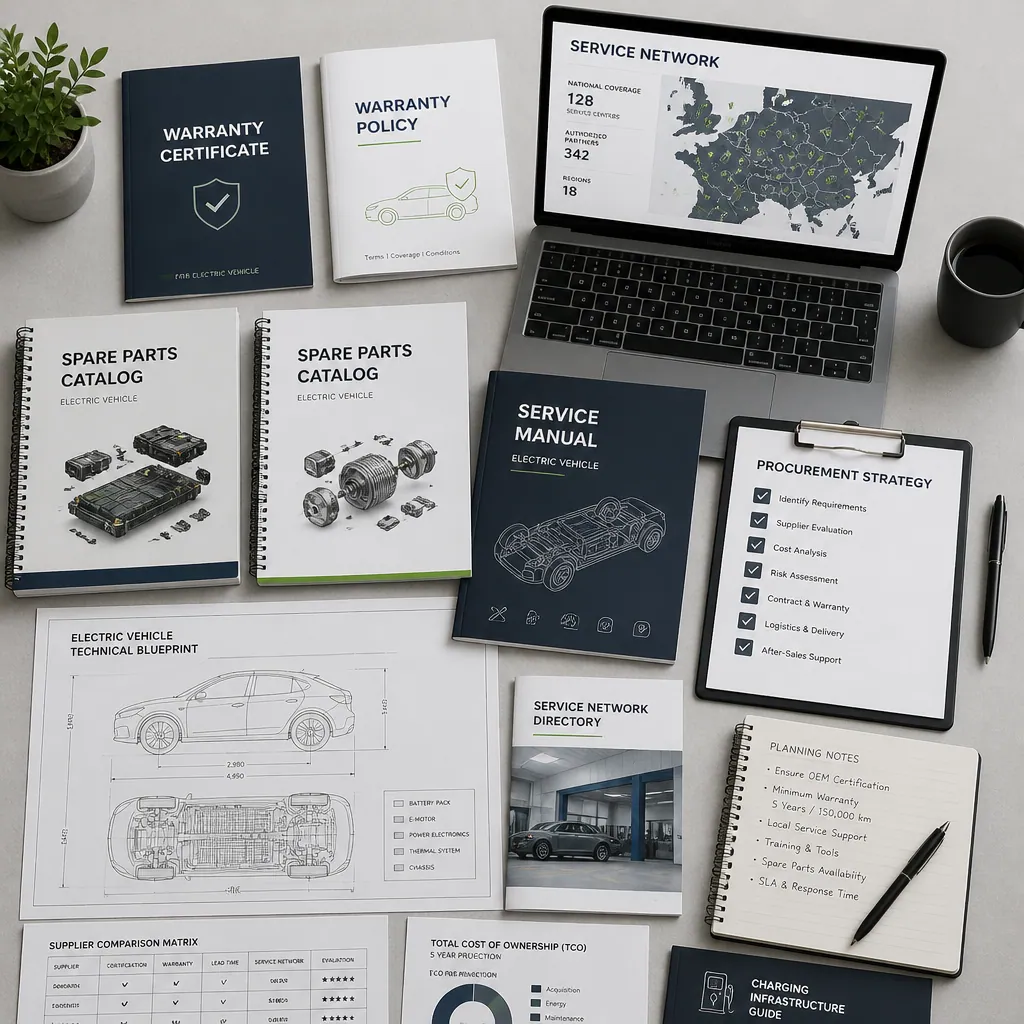
Building a Local Service Network From Scratch
If you are importing Chinese vehicles into a market where no authorized service network exists, you are responsible for creating one. This is not optional. Vehicles that cannot be serviced locally will generate customer complaints, warranty disputes, and reputational damage that undermine your entire business.
Partnering with Existing Workshops
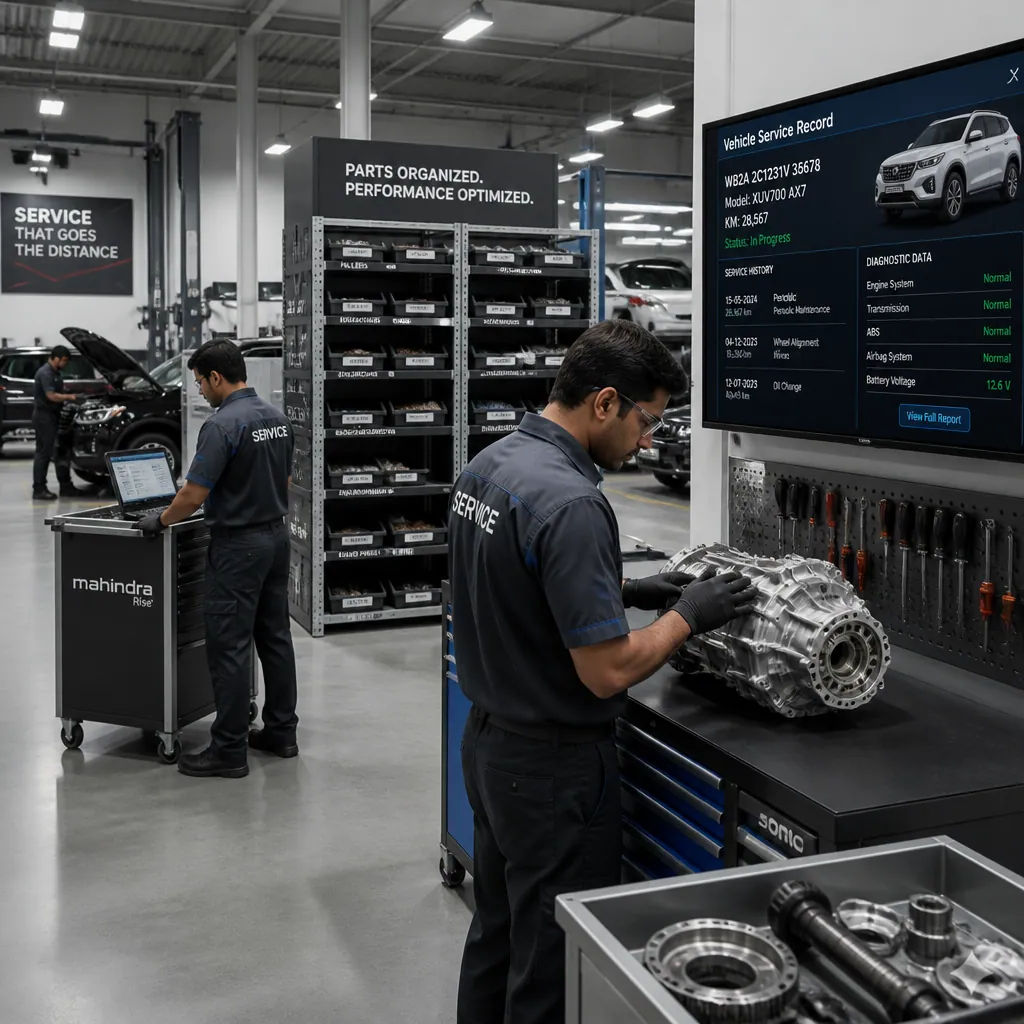
The fastest way to establish local service capability is to partner with existing automotive workshops rather than building your own. Identify workshops in your key markets that already service vehicles with similar technical architecture, particularly if they service Japanese or Korean vehicles on similar platforms. Chinese vehicles, especially newer models, often use components and systems comparable to well established international brands, which means a competent general workshop can handle a significant proportion of routine maintenance.
The partnership arrangement should include: access to vehicle specific diagnostic software, a supply agreement for OEM parts, written service procedures for common maintenance items, and clear escalation procedures for faults that require specialist intervention. This structure gives you coverage without the overhead of operating your own service centers.
Technician Training Is Not Optional
Particularly for EVs and PHEVs, untrained technicians are a genuine safety risk, not just a competency issue. High voltage systems in electric vehicles require specific handling protocols, insulated tools, and certified training. A mechanic who is excellent with conventional combustion engines does not automatically have the knowledge to safely work on a high voltage battery pack or power management system.
Arrange manufacturer level technical training for your partner workshops before the first vehicles enter service. If the vehicle manufacturer offers remote or in market training programs, use them. If not, work with your vehicle supplier to obtain technical documentation and arrange training from a qualified EV technician. The investment is small compared to the cost of a misdiagnosed fault or a safety incident.
Documentation and Service Records
Maintain complete digital and physical service records for every vehicle you supply. Service history is a warranty validation requirement and a resale value driver. For fleet operators, it is also an operational compliance requirement in many markets. Use a service record system from day one, even if it is a simple spreadsheet, and make it a condition of any workshop partnership that records are provided after every service visit.
After Sales Planning for EV and PHEV Fleets
Fleet operators sourcing Chinese EVs and PHEVs face a specific set of aftersales planning challenges that go beyond what applies to conventional combustion vehicle fleets. The technology is different, the service intervals are different, and the consequences of getting it wrong are more expensive.
Charging Infrastructure and Its Impact on Vehicle Condition
EV battery health is directly affected by charging practice. Vehicles regularly fast charged to 100 percent and discharged to zero will degrade faster than those maintained in a 20 to 80 percent charge window. This is a fleet management issue, not just a vehicle issue, but it has direct aftersales implications because battery degradation claims are harder to pursue when vehicle data shows poor charging behaviour. Establish charging protocols for your fleet from the start and document them.
Remote Diagnostics and Software Updates
Most modern Chinese EVs include over the air (OTA) software update capability and remote diagnostic systems. These features can resolve many issues without a workshop visit, which is a genuine operational advantage for fleet operators in markets where service infrastructure is thin. However, these systems depend on maintained connectivity and, in some cases, on active support from the manufacturer’s back end systems. Confirm with your supplier whether remote diagnostic access is included in your purchase agreement and whether it is supported in your destination country.
Spare Parts Stocking for EV Fleets
EV fleets have different parts consumption patterns from combustion fleets. Brake pads last longer because of regenerative braking, but tyre wear can be heavier due to the additional vehicle weight. Consumables like cabin air filters, wiper blades, and coolant for thermal management systems still apply. The unique high cost items to plan for are battery modules, inverters, and charging port components. These are not items to stock locally, but you should have confirmed lead times and an identified supplier before a failure occurs, not after.
Comparing After Sales Approaches for Importers
Importers generally have three broad options for structuring Chinese car after sales service for the vehicles they supply. Each has genuine trade offs.
| Approach | How It Works | Best Suited For |
|---|---|---|
| Rely on Manufacturer’s Authorized Network | Import through channels that include formal dealer or distributor agreements with the manufacturer. Warranty claims, parts, and technical support flow through the manufacturer’s official structure. | Importers in markets where the manufacturer has an established or growing authorized dealer presence. Reduces operational burden but limits brand and model selection. |
| Build an Independent Local Network | Partner with local workshops, arrange direct parts supply from China, train technicians, and manage all service operations independently. Requires upfront investment in relationships, training, and parts stock. | Established importers and distributors with volume sufficient to justify the infrastructure cost. Works well for fleet operators with in house workshop capability. |
| Work with a Full Service Export Partner | Source vehicles through a supplier like Automotion Global that provides vehicle inspection, export documentation, and ongoing spare parts support and aftersales assistance as part of the service. The export partner handles coordination with Chinese suppliers and connects importers with local service resources. | New market entrants, smaller dealers, and fleet operators who want the benefits of Chinese vehicle sourcing without building a full support infrastructure from scratch. |
In practice, the most resilient approach for most importers is a combination: use an authorized manufacturer network where it exists in your market, supplement it with an independent local workshop partnership for gaps, and work with an experienced export partner to ensure parts access and documentation support. Relying on any single approach exclusively creates a single point of failure.
Frequently Asked Questions
Does the factory warranty on a Chinese vehicle cover repairs in my country?
It depends entirely on how the vehicle was exported and which brand is involved. Vehicles imported through formal authorized distribution agreements are more likely to carry international warranty coverage. Grey market imports almost never do. Before purchasing, obtain written confirmation from the manufacturer or your supplier that warranty coverage is valid in your specific destination country. Do not rely on verbal assurances.
How long does it take to get spare parts shipped from China?
For parts ordered from Chinese depots and shipped internationally, realistic lead times are typically seven to twenty one days by sea or air freight depending on the urgency and your location. High demand consumables can often be shipped faster. The practical solution is to maintain a local buffer stock of fast moving parts, particularly for fleet operators where vehicle downtime has direct revenue impact.
Can local mechanics service Chinese vehicles, or do I need specialist technicians?
Qualified mechanics can handle routine maintenance on most Chinese combustion and hybrid vehicles with access to the correct service documentation and OEM parts. For EVs and PHEVs, high voltage system work requires specific training and certified equipment. It is not safe to assign untrained technicians to high voltage components regardless of their general mechanical competence. Arrange certified EV training before your first electric vehicle enters service.
What is the biggest mistake importers make with after sales planning?
The most common mistake is treating aftersales as something to figure out after the vehicles arrive. By that point, the purchase is made, the customers are committed, and you are solving problems under pressure rather than planning for them. The time to establish your parts supply chain, identify local service partners, and confirm warranty terms is during the procurement phase, before any order is signed.
How should fleet operators negotiate aftersales terms when ordering Chinese vehicles in bulk?
Fleet operators purchasing multiple vehicles have real negotiating leverage that single vehicle buyers do not. Use it. Negotiate service agreements that include capped labour rates, priority parts scheduling, access to diagnostic software, and defined response times for breakdown assistance. These terms should be part of the procurement contract. If a supplier refuses to include service commitments in a bulk order agreement, that is a meaningful signal about their aftersales capability.
Are spare parts for Chinese EVs available in African and Middle Eastern markets?
Availability varies considerably by brand and country. Brands with active authorized dealer networks in specific markets, including several major Chinese brands operating across the Gulf and East Africa, generally have parts pipelines in place with lead times of one to three weeks from Chinese depots. For brands without local dealer presence, parts must be ordered directly from China, which requires accurate VIN documentation and a reliable sourcing partner. The situation is improving as Chinese brands expand their international footprint, but planning for some supply delays is still realistic in many markets.
What documentation should I receive from my vehicle supplier to support aftersales operations?
At minimum: the full VIN for every vehicle, the manufacturer’s parts catalogue with OEM part numbers, service interval schedules, warranty documentation specifying coverage terms and geographic validity, any applicable diagnostic software access credentials, and technical service bulletins for known issues. A supplier who cannot provide this documentation package is not fully equipped to support you after the sale.
Have you worked through the aftersales side of importing Chinese vehicles? Share what has worked for your operation or where you have hit unexpected obstacles in the comments below.
References
- After sales strategy guide for importers sourcing vehicles from China
- What buyers and dealers need to know about Chinese cars and warranty coverage in the UAE market
- Practical guide to sourcing and verifying spare parts for Chinese vehicles internationally
- Overview of China’s automotive aftermarket structure and OEM parts distribution
- How BYD’s warranty coverage applies across international markets and export channels