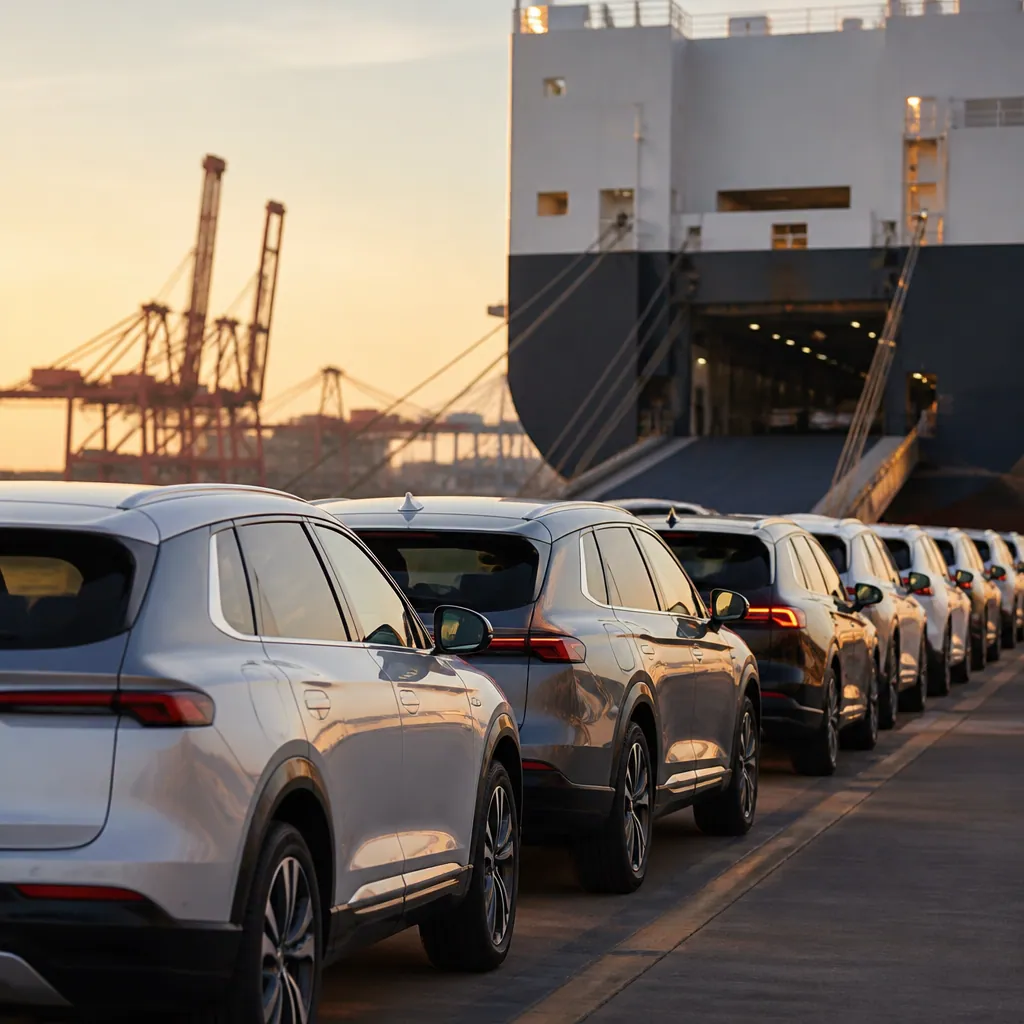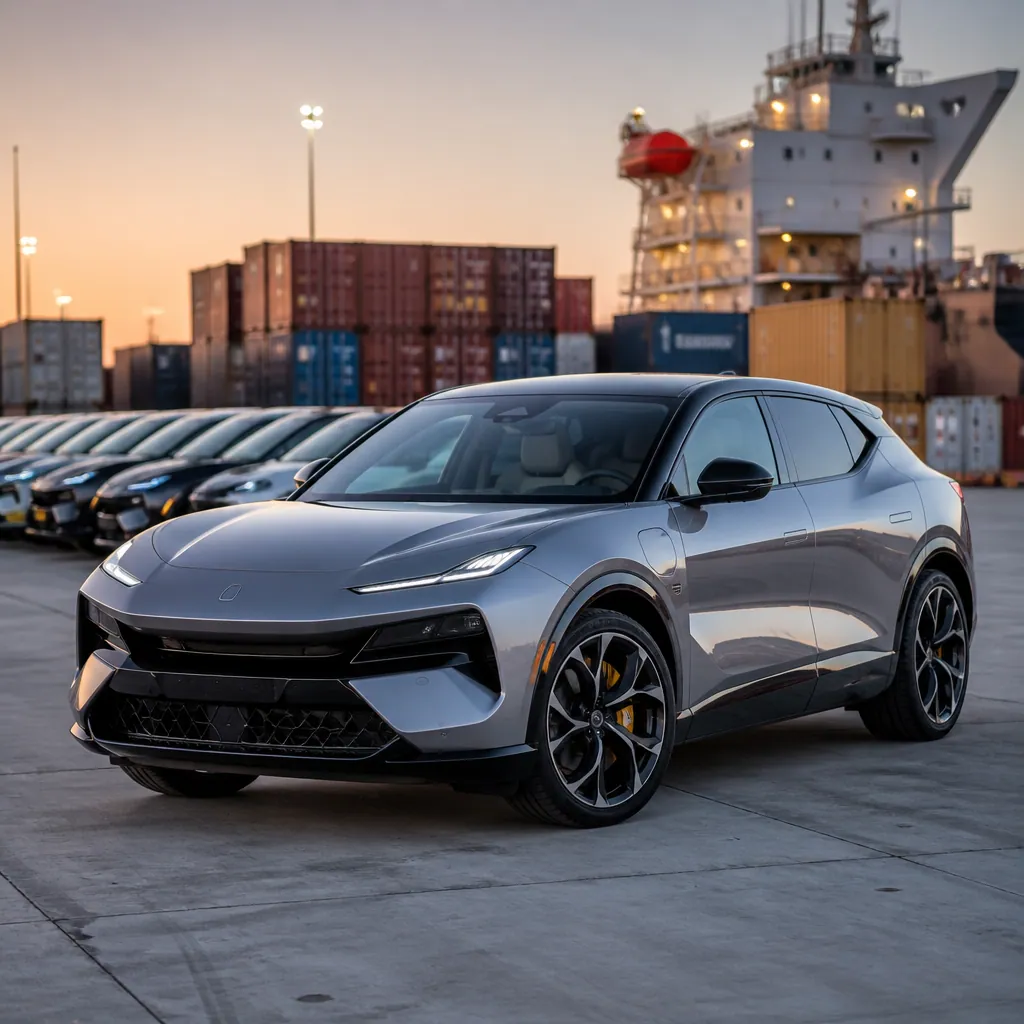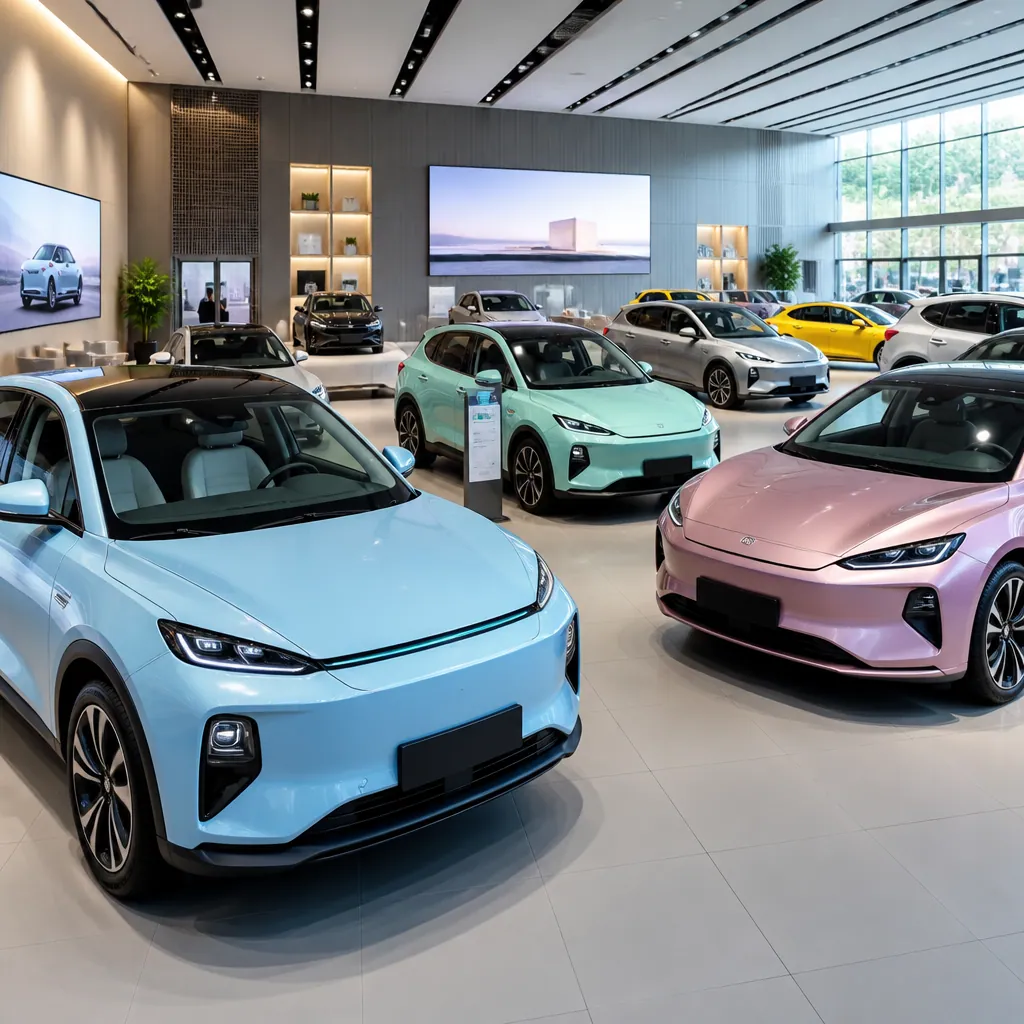

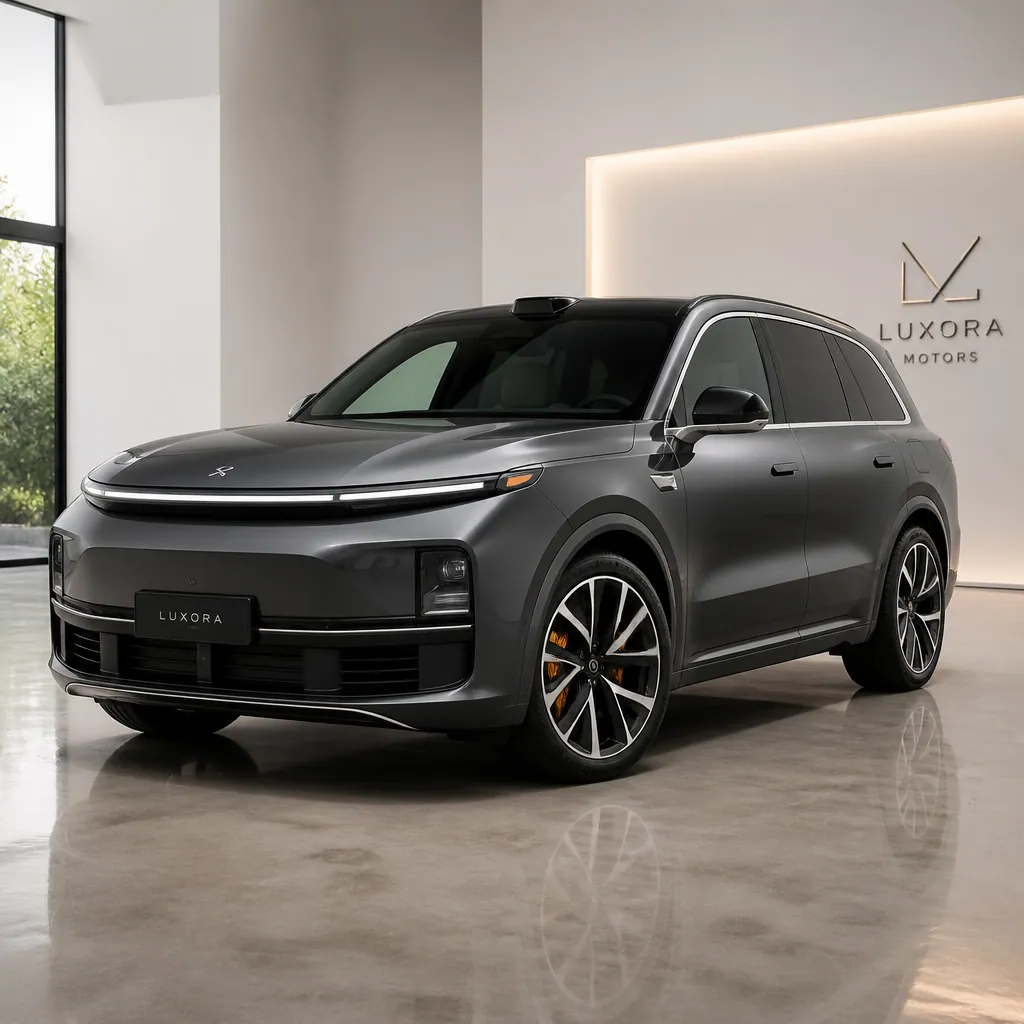
The Xpeng GX export opportunity is one of the most significant in the premium Chinese EV space right now, and most importers are sleeping on it. This is a full size six seater flagship SUV that launched in China in May 2026, pulled in 24,863 firm orders within its first 12 hours on sale, and had the Middle East confirmed as its first international pre sale region within weeks. That is not a slow burn. For vehicle dealers and fleet operators sourcing vehicles from China, the GX lands at the intersection of everything buyers in the Middle East and broader emerging markets want: imposing presence, long range, premium technology, and a price point that puts German luxury brands on notice.
What Is the Xpeng GX?
The Xpeng GX is Xpeng’s flagship full size SUV, unveiled at the Beijing Auto Show in April 2026 and launched in the Chinese market in May 2026. It sits at the top of the Xpeng SUV lineup, above the existing X9, and is positioned to compete directly with European full size luxury SUVs at a significantly lower price point. The name “GX” reportedly reflects a blend of “Great” and “Explore,” which tells you exactly the segment Xpeng is targeting.
For importers evaluating the Xpeng electric SUV China market, the GX is notable because it is not a mid range product dressed up. It is the company’s most technically ambitious consumer vehicle to date, built on the SEPA 3.0 platform, and described as the company’s first “robotaxi ready” consumer SUV.
Production began at Xpeng’s Guangzhou plant in March 2026, and the vehicle entered series production the same month. By the time it launched commercially in May, the supply chain was already operational at scale.
Quick Takeaways
| Key Insight | Explanation |
|---|---|
| Middle East is the confirmed first export market | Xpeng confirmed the Middle East as the first overseas region for GX pre sales, making it immediately relevant for dealers in the Gulf region and surrounding markets. |
| Two powertrain options suit different buyer needs | The BEV version offers 750 km of CLTC range on an 800V platform, while the REEV combines 430 km of electric range with a 1.5L petrol generator for 1,585 km total. Choose based on charging infrastructure availability in your market. |
| Starting price is approximately USD 41,000 ex China | The Chinese launch price starts at 279,800 yuan (roughly USD 41,000), with the top spec Ultra Flagship at 359,800 yuan. FOB Shanghai prices for export buyers are higher once logistics and agent fees are factored in. |
| ADAS capability varies significantly by trim | Computing power ranges from 750 TOPS (base Max trim) to 3,000 TOPS (L4 Robo trim). Importers need to match the trim to their local regulatory environment for ADAS approval. |
| Both left hand and right hand drive versions are planned | Xpeng has confirmed both LHD and RHD configurations, opening the door for markets in Southeast Asia, Africa, and Oceania beyond the Gulf’s LHD-dominant countries. |
| Xpeng’s overseas delivery volume is growing sharply | Exports in the first eight months of 2026 already exceeded all exports in 2025, with Xpeng targeting a doubling of overseas deliveries as a stated 2026 goal. Dealer relationships secured now will benefit from that push. |
| Inspection and documentation require specialist handling | For a vehicle at this price and specification level, pre shipment inspection, accurate MIIT documentation, and correct HS code classification are non negotiable. Work with export partners who have handled Chinese EV flagships before. |
Powertrain Options: BEV vs REEV
The Xpeng GX is offered in two powertrain configurations. Both use all wheel drive as standard, which matters for markets where buyers expect flagship SUVs to come with AWD as a baseline.
Battery Electric (BEV)
The BEV variant uses a 110 kWh NMC (nickel manganese cobalt) battery pack on an 800-volt silicon carbide platformdelivering up to 750 km of range under the CLTC standard with 5C ultra fast charging capability. In real world terms outside China, expect WLTP-equivalent range to come in somewhat lower, as CLTC figures consistently run optimistic versus European or Middle Eastern driving conditions, particularly in high ambient temperatures.
The 5C charging capability is a genuine differentiator. At the right DC charger, the GX BEV can add a substantial charge in under 15 minutes. For fleet operators, this changes the daily operational calculus significantly compared to slower charging competitors.
Range Extended Electric (REEV)
The REEV variant carries a 63.3 kWh lithium iron phosphate (LFP) battery paired with a 1.5-litre turbocharged four cylinder petrol generator. Electric only range is up to 430 km (CLTC), and total combined range hits 1,585 km. The EREV has dual electric motors producing 160 kW at the front axle and 210 kW at the rear, with a combined peak output of 370 kW (approximately 496 hp).
For importers serving markets with limited public fast charging infrastructure, the REEV version is the more practical choice for the near term. It eliminates range anxiety entirely while still delivering a predominantly electric driving experience for most daily use cases.
Pro tip: In markets where fuel quality is variable, confirm with your sourcing partner whether the REEV’s 1.5L generator engine has any octane or fuel grade requirements before committing to large order volumes. This is a common oversight in REEV imports from China.
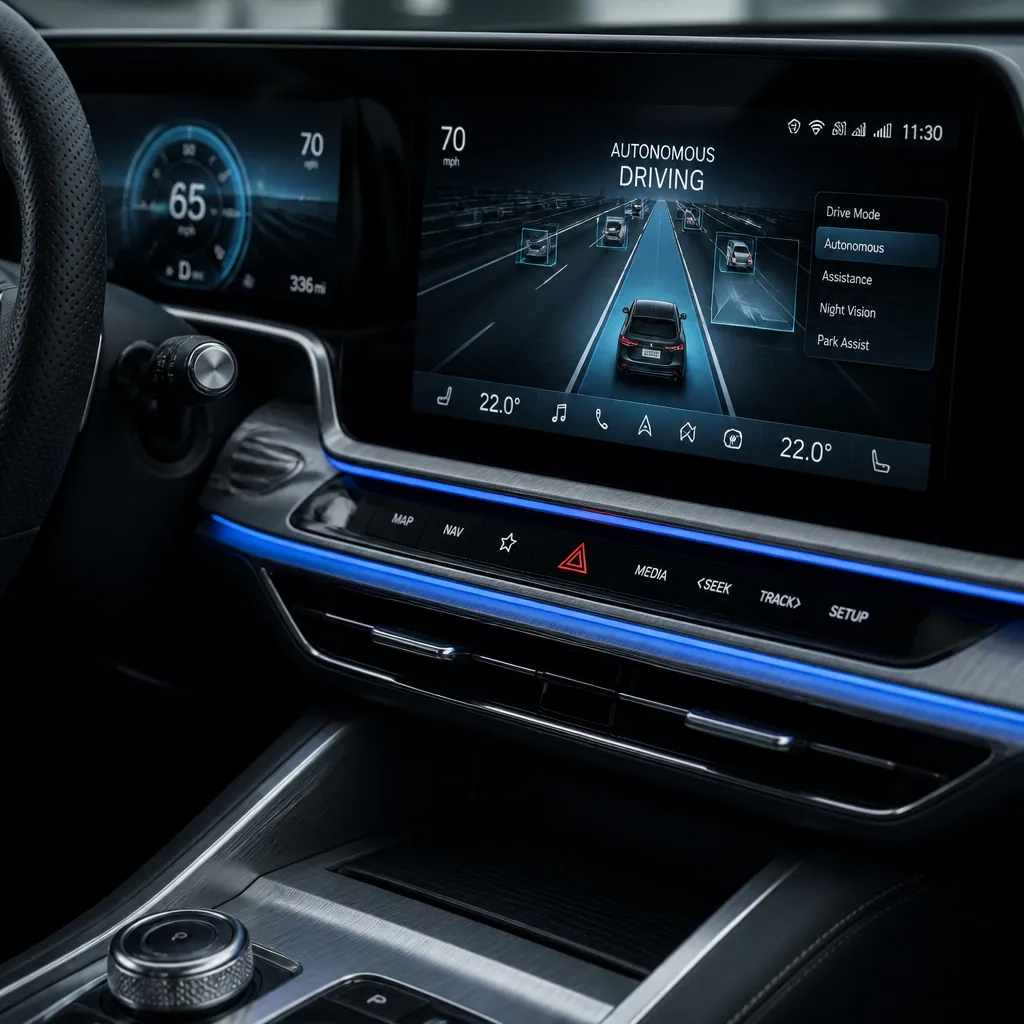
Dimensions, Design, and Interior
The GX measures 5,265 mm long, 1,999 mm wide, and 1,800 mm tall, riding on a 3,115 mm wheelbase. That makes it marginally longer than a Range Rover and directly comparable in footprint to a BMW X7 and a Mercedes Benz GLS. For buyers in the Middle East and Africa who treat SUV size as a marker of status, these dimensions land in exactly the right bracket.
Exterior and Build Quality
The GX body structure uses 16,000-tonne integrated die casting technology at both the front and rear, a structural approach that contributes to its torsional rigidity of 56,000 Nm/deg. The front fascia features a full width lighting assembly. Xpeng offers a “Kunlun Cloud Realm” two tone paint option using a 15-layer, 230 micron thick painting process that the company positions as comparable to luxury hand applied finishes. For dealers targeting buyers who care about this level of detail, it is a talking point that translates across markets.
The drag coefficient is stated at 0.255, which is low for a vehicle this size and contributes directly to real world range performance.
Interior and Seating
The GX seats six passengers in a 2+2+2 configuration with genuinely usable third row space, which Xpeng specifically highlights as rare at this size class. Standard features across the lineup include auto soft close doors on all four doors, a 180-degree reclining front passenger seat, triple electric folding second row seats, AI-dimming privacy glass, and a noise canceling refrigerator.
The trunk is sized to accommodate six 24-inch suitcases with all seats in the raised position, a spec detail that resonates immediately with buyers evaluating the GX for family or executive transport duty. The audio system is a 33-speaker “Lingjing Audio Max” unit. Eleven airbags extend coverage to the third row, which is not standard practice even at this price point in most markets.
A vehicle that can seat six adults comfortably, deliver nearly 1,600 km of combined range, and carry the luggage for all of them with all seats up is not competing on one dimension. It is redefining what a premium family SUV is expected to deliver at this price.
ADAS and Autonomous Driving Capability
This is where the GX gets technically interesting for importers who need to understand what they are actually selling. Xpeng has structured the GX ADAS offering in four tiers based on computing hardware, and the differences are substantial.
Four ADAS Tiers
The base Max trim runs on 750 TOPS of computing power from Xpeng’s Turing AI chips. The Ultra SE steps up to 1,500 TOPS, the Ultra to 2,250 TOPS with three Turing chips, and the top L4 Robo variant reaches 3,000 TOPS across four chips. The L4 Robo configuration is expected to become available in the second half of 2026.
The underlying system is Xpeng’s second generation Vision Language Action (VLA) autonomous driving model. The GX uses a vision based approach without roof mounted LiDAR, keeping the exterior cleaner while the software handles scene understanding. Standard active safety functions include autonomous emergency braking and forward collision warning across all trims.
What This Means for Importers
Regulators in different markets approve ADAS at different levels. In most Gulf states, and across much of Africa and Southeast Asia, L2 and L2+ functions are accepted; L3 capability may require additional regulatory engagement. When positioning the GX to dealers, be clear that the hardware supports advanced autonomy but that actual feature availability in any given market depends on local regulatory status, not the vehicle’s physical capability.
The GX also includes steer by wire and brake by wire systems supplied by Bosch, dual chamber air suspension, and rear wheel steering with a maximum angle of 7.5 degrees. That rear wheel steering gives a 5.4-meter turning radius for a 5.2-meter SUV, something worth emphasizing to buyers worried about urban maneuverability.
Pro tip: When preparing import documentation for vehicles with advanced ADAS, request the full MIIT technical filing from your China side sourcing partner early in the process. Regulators in some markets will want to see the detailed safety system architecture before granting homologation, and this document is not always included in standard export packages.
Pricing and Trim Structure
Xpeng launched the GX in China on May 20, 2026 with eight variants across both powertrains. The Chinese domestic pricing structure is the starting reference point for any import cost calculation, though FOB and landed costs will be materially different.
China Domestic Pricing
For the BEV lineup, pricing starts at 279,800 yuan (approximately USD 41,000) for the Max version and tops out at 359,800 yuan (approximately USD 53,000) for the Ultra Flagship edition. The REEV lineup starts slightly higher at 289,800 yuan and also peaks at 359,800 yuan for the top spec variant. At launch, a limited time promotional price brought the entry BEV down to 269,800 yuan.
FOB Export Pricing
Third party export aggregators have quoted FOB Shanghai prices ranging from approximately USD 47,300 for the BEV Max to USD 61,300 for the BEV 750 km Ultra 4WD Flagship, and from approximately USD 48,300 to USD 61,300 for the REEV range. These figures should be treated as indicative starting points for budgeting, not confirmed current prices. Always confirm directly with your China sourcing partner, as OEM export pricing can change and promotional periods affect availability.
Once you add destination freight, destination country customs duty, VAT (where applicable), local compliance costs, and dealer margin, the landed price in most Gulf or African markets will be meaningfully above the China base figure. Importers who build their business case on China factory price without stress testing the landed cost structure consistently overpromise to their end buyers.
Export Market Status
The Chinese premium EV SUV export story for the GX moved quickly after its domestic launch. Xpeng chairman He Xiaopeng confirmed that the GX accumulated more than 1,000 blind orders from overseas markets within weeks of its Beijing Auto Show debut, with the Middle East generating the majority of that international interest. The Middle East was then confirmed as the first overseas region for GX display and pre sales.
Xpeng’s broader overseas growth provides context. In the first eight months of 2026, Xpeng’s total exports reached 49,424 vehicles, already exceeding all of 2025’s export volume of 45,014 units, with year on year growth of nearly 100%. The company’s stated 2026 roadmap includes a doubling of overseas deliveries, seven new model launches, and increased AI R&D investment. The GX is positioned as a centerpiece of that international push.
For right hand drive markets, Xpeng has confirmed both LHD and RHD versions of the GX, which broadens the addressable export geography significantly beyond the Gulf. The company has established dealer partnerships across the UAE, Egypt, Jordan, and Lebanon, and has entered ASEAN markets through a long term alliance for other models. The GX will follow this established network.
Importers and distributors who want early positioning in their markets should move during the pre delivery phase rather than waiting for full commercial availability. The first mover advantage in premium Chinese EV segments has consistently proven to be real, as seen with earlier Xpeng models and broader BYD and Nio market entries.
What Importers Need to Evaluate
The GX is a compelling vehicle on paper. But importing a flagship SUV from China involves a set of practical decisions that separate profitable import operations from costly mistakes. Here is what to work through before committing.
Homologation and Certification
Verify the GX’s homologation status for your specific target market before placing orders. Requirements differ significantly between, for example, Gulf Cooperation Council (GCC) standards, SONCAP certification for Nigeria, KEBS requirements for Kenya, or local standards in Southeast Asian markets. A vehicle that is technically importable is not the same as one that is legally registerable in a given country.
Charging Infrastructure Fit
The BEV version’s 800V, 5C charging architecture requires compatible DC fast chargers to realize its charging speed advantage. In markets where public charging remains limited, the REEV variant is operationally safer for an initial import. For fleet operators, factor in the cost of depot charging infrastructure if you are sourcing BEV units at volume.
Aftersales and Spare Parts
At this price point, buyers expect aftersales support. Secure confirmed commitments on spare parts supply, diagnostic software access, and warranty support before marketing the vehicle. A Chinese premium EV without credible aftersales infrastructure will not retain buyers through a second purchase cycle. This is the single biggest differentiator between professional export operations and grey market imports.
Trim Selection for Your Market
Resist the temptation to import only the top spec Ultra Flagship. In most emerging markets, the mid range Ultra SE trim offers the strongest commercial proposition: enough technology to be genuinely impressive, a more accessible price for buyers, and a lower capital commitment per unit for the importer. Start with a spread of two trims, measure demand, then optimize your order mix.
Comparison: BEV vs REEV vs European Luxury SUV Benchmark
| Factor | Xpeng GX BEV | Xpeng GX REEV | Comparable European Luxury SUV |
|---|---|---|---|
| Seating | 6 seats (2+2+2 AWD standard) | 6 seats (2+2+2 AWD standard) | Typically 5 to 7 seats depending on variant |
| Range | 750 km CLTC (466 mi) | 430 km electric, 1,585 km combined CLTC | 400 to 600 km WLTP depending on model |
| Charging Architecture | 800V, 5C ultra fast DC | LFP battery, petrol generator backup | 400V-800V depending on brand, typically 2 to 3C |
| ADAS Top Capability | Up to 3,000 TOPS (L4 Robo trim) | Up to 3,000 TOPS (L4 Robo trim) | L2/L2+ typical, L3 limited availability |
| China Base Price | From 279,800 yuan (~USD 41,000) | From 289,800 yuan (~USD 42,600) | Equivalent models typically from USD 90,000+ |
| Body Length | 5,265 mm | 5,265 mm | Comparable (BMW X7: about 5,150 mm, GLS: about 5,207 mm) |
| Infrastructure Dependency | Requires fast DC charging for full benefit | Can operate on petrol where charging is unavailable | Petrol/diesel variants require no charging infrastructure |
Frequently Asked Questions
Is the Xpeng GX available for export right now?
As of mid-2026, the GX is in production at Xpeng’s Guangzhou plant and the Middle East has been confirmed as the first overseas market for pre sales. Export availability to other regions is being rolled out progressively. Importers in other markets should establish contact with a China side export partner to secure early allocation. Waiting for full commercial availability in your market typically means waiting behind buyers who moved earlier.
Which powertrain should importers prioritize for markets with limited charging infrastructure?
The REEV (range extended) variant is the stronger commercial choice for markets where public DC fast charging is sparse. With up to 1,585 km of combined range and the ability to refuel with petrol, it removes the infrastructure barrier entirely. Reserve the BEV for markets with established charging networks or for fleet operators who can install dedicated depot charging.
What ADAS level can the Xpeng GX legally operate at in export markets?
The GX’s hardware supports up to L4 autonomous driving capability in its top L4 Robo configuration, but legal operation of autonomous functions depends entirely on the regulatory framework of the destination country. In most Middle Eastern, African, and Southeast Asian markets, L2 and L2+ functions are the practical operational ceiling at the time of writing. Higher level autonomy features may become available via OTA updates as local regulations evolve.
How does the Xpeng GX’s China price compare to what importers will pay landed?
The China domestic launch price starts at 279,800 yuan (roughly USD 41,000). FOB Shanghai export prices from third party aggregators have been quoted in the USD 47,000 to USD 61,000 range depending on trim, though these figures should be verified with a direct export partner. Once destination freight, import duty, VAT, compliance costs, and dealer margin are added, landed prices in Gulf markets will be substantially higher. A UAE-specific cost estimate, factoring in 5% customs duty and 5% VAT, places the GX in the region of 250,000 AED at the lower trims, which still undercuts comparable European luxury SUVs considerably.
Does Xpeng offer right hand drive versions of the GX?
Yes. Xpeng has confirmed that both left hand drive and right hand drive configurations will be available for the GX, extending the vehicle’s export potential to RHD markets including parts of Southeast Asia, sub Saharan Africa, and Oceania. Specific RHD market launch timelines had not been announced at the time of writing, so confirm current status with your sourcing partner.
What documentation does an importer need for a Xpeng GX export from China?
At a minimum, you will need the bill of lading, commercial invoice, certificate of origin, MIIT technical filing documentation, and the vehicle’s compliance certification relevant to your destination market. For a flagship vehicle with advanced ADAS hardware, some destination country regulators will also require detailed safety system architecture documentation before granting import approval. Working with an experienced Chinese vehicle export partner who has handled EV flagships before is not optional at this specification level. If your export partner has not previously handled vehicles with steer by wire, brake by wire, or multi tier ADAS systems in documentation, that is a risk factor to address upfront.
If you are actively evaluating the Xpeng GX for your import portfolio or fleet procurement, we would like to hear which market you are sourcing for and what your biggest concern is when it comes to Chinese premium EV imports. Share your experience or questions in the comments below.
We would love your feedback and any insights you would share with others. What perspective would you add?
References
- Xpeng GX flagship SUV unveiled at Beijing Auto Show with 750 km range and pricing details
- Xpeng GX overseas blind orders and Middle East pre sales confirmation
- Xpeng GX full size flagship SUV pricing, trim levels, BEV and REEV specifications
- Xpeng GX China launch details including ADAS tier breakdown and powertrain data
- Xpeng GX technical specifications overview including battery chemistry and REEV configuration