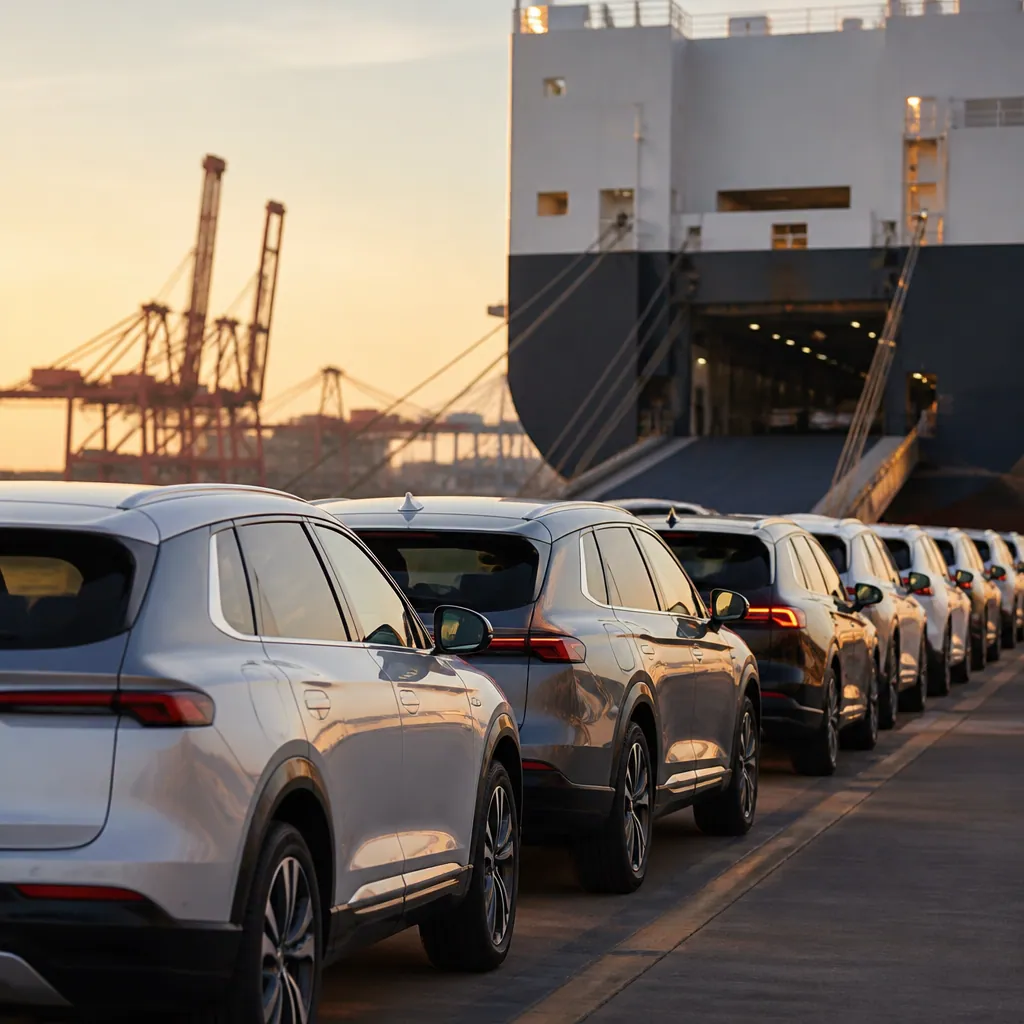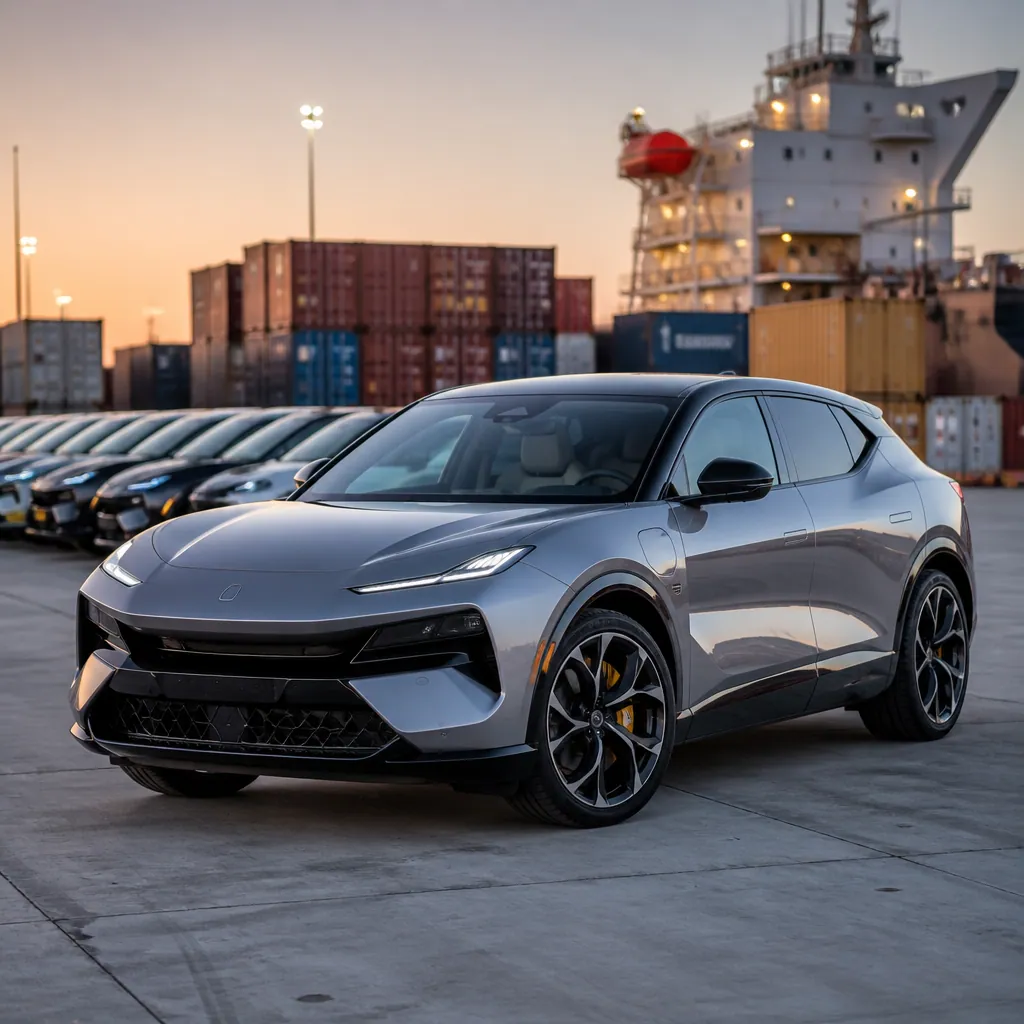

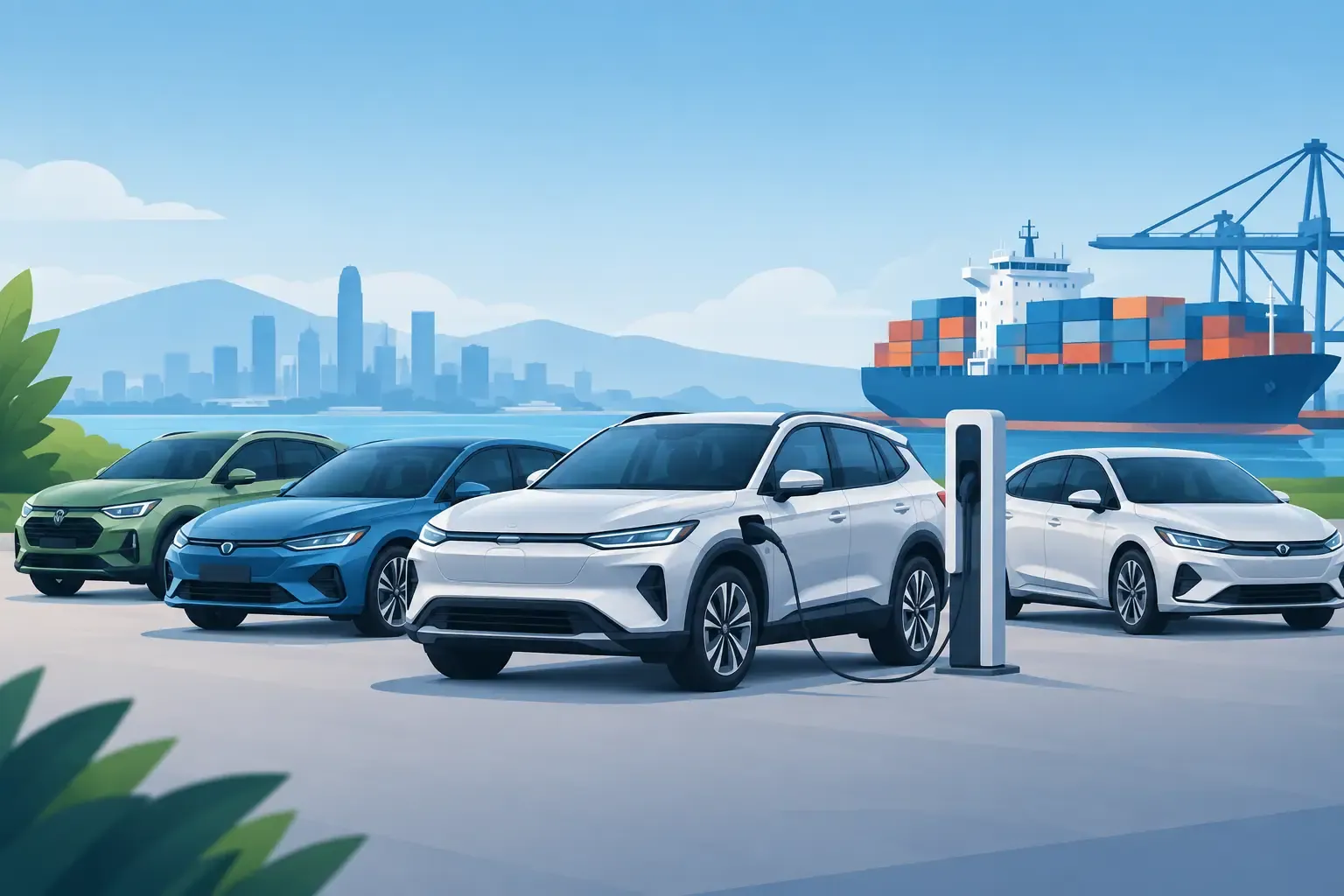
A plug in hybrid is not automatically a good import. The top PHEV models for importers are the ones that match the destination market’s regulations, charging reality, service capacity, and buyer demand, not simply the vehicles with the longest claimed electric range. For private buyers, resellers, and fleet operators, a successful order starts with selecting a model that can be delivered, registered, maintained, and resold with confidence.
PHEVs remain commercially relevant because they offer an electric driving experience for short daily use while retaining an internal combustion engine for longer routes and inconsistent charging networks. That flexibility can be especially valuable in markets where public charging is expanding but not yet dependable outside major cities.
What Makes a PHEV Worth Importing?
Import decisions should begin with the vehicle’s use case. A premium SUV may attract strong retail interest but create problems if replacement parts, diagnostic support, or approved charging equipment are difficult to obtain locally. A high volume crossover or sedan may have lower margins per unit, yet move faster and present less after sales risk.
The strongest candidates generally combine usable EV-only range, competitive fuel consumption when the battery is depleted, practical cabin and cargo space, and established demand in the intended market. Importers should also verify steering position, charging port standard, infotainment language options, radio frequency compatibility, and market specific emissions or safety requirements before confirming a purchase.
Export configuration matters as much as model selection. Build date, VIN documentation, battery certification, title or export paperwork, inspection records, and shipping method should be confirmed at the quotation stage. A PHEV with attractive FOB pricing can become an expensive acquisition if it arrives with an incompatible specification or cannot be registered without modification.
Top PHEV Models for Importers
The following models represent categories that regularly deserve attention in international sourcing. Availability, trim level, export eligibility, and destination market approval always vary, so each vehicle should be assessed against the buyer’s local requirements.
BYD Song Plus DM-i
The BYD Song Plus DM-i is a strong consideration for importers seeking a modern mid size SUV with broad market appeal. Its exterior design, family friendly packaging, and electrified powertrain make it relevant to buyers moving up from conventional compact SUVs. In many markets, the SUV body style alone creates a clear sales advantage over sedans.
Its main commercial appeal is the balance between daily electric use and long distance flexibility. The model can suit private buyers, ride hailing operators, and company fleets that want lower urban fuel costs without relying exclusively on public charging. Importers should confirm the specific battery size, claimed electric range under the applicable test cycle, and charging connector supplied on the export unit.
The trade off is that software language, connectivity features, and local dealer support may differ sharply by destination. For resale programs, importers should have a clear plan for diagnostics parts supplyand buyer education before bringing in volume.
BYD Seal U DM-i
For buyers who want a more premium looking plug in SUV, the BYD Seal U DM-i is worth evaluating where the model is eligible for import. It offers the kind of spacious, technology led presentation that can perform well in markets where customers expect large screens, driver assistance features, and flexible family transport.
This is a better fit for importers targeting upper mid market retail rather than entry level fleet volume. Its appeal depends on how the destination market values brand familiarity against equipment level and price. Where buyers are open to newer EV-focused brands, the Seal U DM-i can offer compelling value. Where established badges dominate purchasing decisions, resale timing may be less predictable.
Chery Tiggo 8 Pro e+
The Chery Tiggo 8 Pro e+ should be considered by importers looking for a larger, three row plug in SUV proposition. Seating capacity matters in export markets serving larger families, executive transport operators, and regional buyers who need more than a compact crossover.
A seven seat PHEV can occupy a useful gap between conventional gasoline SUVs and high priced premium electrified models. The key question is whether the third row is suitable for the customer profile and whether the vehicle’s real world fuel use remains competitive when operating with a low battery. Importers should request complete specification sheets rather than relying on headline fuel economy figures.
Because this is a larger vehicle, freight cost, duties based on engine displacement or vehicle value, and local tire availability deserve close attention. A strong landed cost calculation is essential before positioning it as a fleet or resale product.
Lynk & Co 08 EM-P
The Lynk & Co 08 EM-P is aimed at importers seeking a more design led, technology heavy PHEV for premium oriented customers. Depending on the version, it may offer substantial electric only capability and a cabin experience that differentiates it from mainstream hybrid SUVs.
This model is most relevant where buyers are willing to consider newer brands in return for specification, performance, and modern design. It may suit specialist retailers, executive vehicle programs, or buyers who want a distinctive alternative to conventional premium SUVs.
However, it is not automatically the easiest volume import. A vehicle with advanced electronics and a less established international service footprint requires a disciplined after sales plan. Before ordering, verify software support, available diagnostic tools, replacement body panels, and the practical route for sourcing warranty related components.
Toyota RAV4 Prime
The Toyota RAV4 Prime remains a practical benchmark in markets where it is available and legally importable. Toyota’s reputation, familiar SUV format, and broad parts ecosystem can reduce perceived risk for both buyers and resellers. For fleet operators, the value is often less about visual novelty and more about operating confidence.
Its limitations are commercial rather than technical. Supply can be constrained, pricing may be higher than newer Chinese market PHEVs, and export opportunities depend on regional allocation rules. Still, when brand recognition and resale liquidity are primary considerations, the RAV4 Prime can justify a higher acquisition cost.
Mitsubishi Outlander PHEV
The Mitsubishi Outlander PHEV is another model that can make sense in markets with established Mitsubishi service networks. Its larger SUV profile and long running PHEV identity give it an advantage with buyers who prefer a familiar manufacturer and straightforward ownership proposition.
This is often a sensible option for conservative retail channels, institutional buyers, and family oriented customers. It may not lead every competitor on electric range or digital features, but import success is not always about leading the specification sheet. Service access, brand recognition, and the availability of consumable parts can be more valuable than an extra margin of battery capacity.
Match the Vehicle to the Import Strategy
For retail resale, focus on models with recognizable body styles, easy to explain benefits, and clear price positioning against local alternatives. Mid size SUVs are usually the safest place to start because they combine broad demand with practical utility.
For fleets, evaluate total operating conditions rather than advertised efficiency. A PHEV only delivers its strongest fuel saving case when drivers can charge regularly. If a fleet runs long, unplanned routes and has limited depot charging, a conventional hybrid, diesel commercial vehicle, or EREV may be a better procurement decision.
For specialist and premium buyers, features can create demand, but parts planning cannot be an afterthought. Build a support package around critical service items, charging equipment, and technical information. This protects the buyer’s experience and strengthens the importer’s reputation after delivery.
Checks Before You Place an Export Order
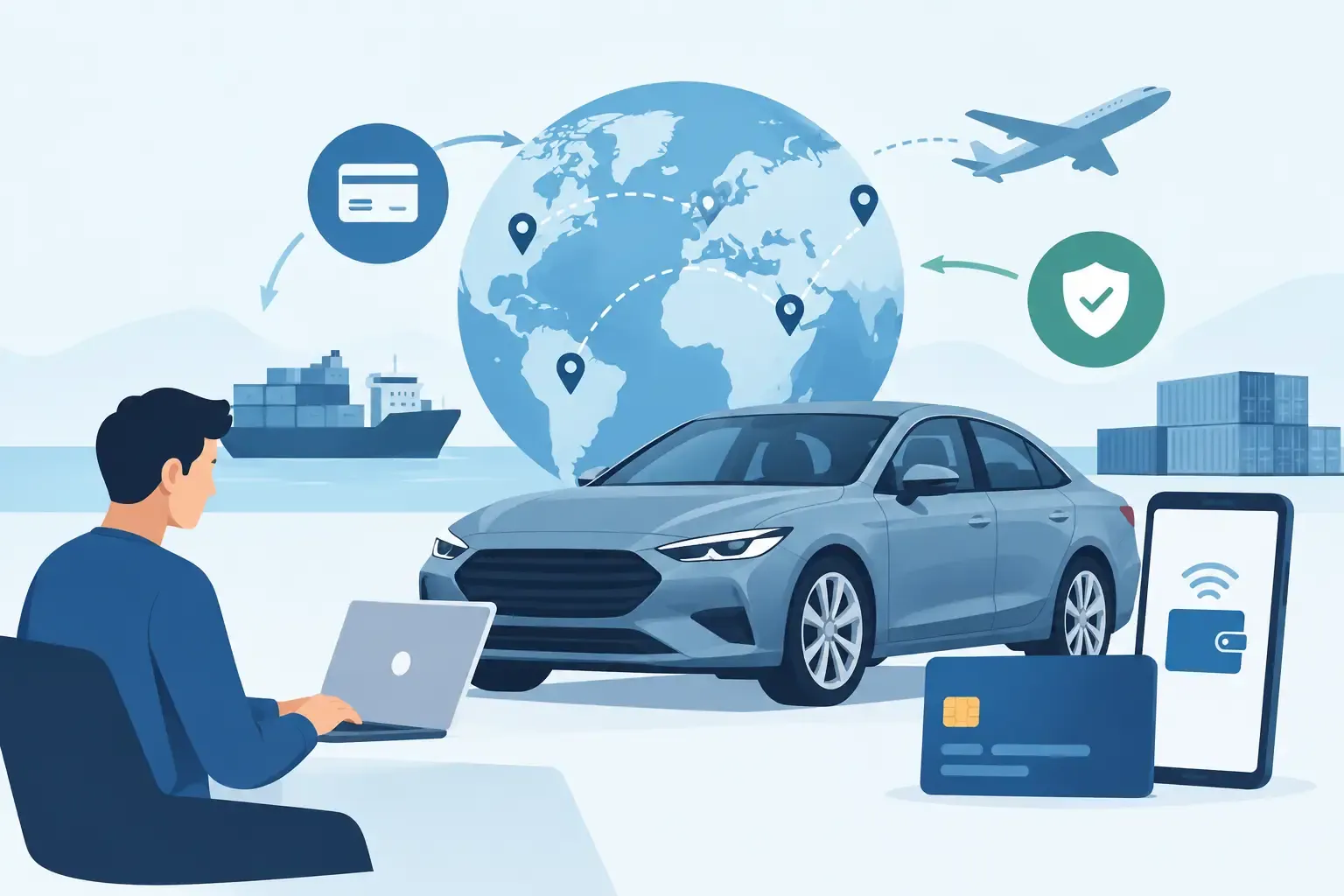
Before confirming any PHEV, verify these four areas with the supplier: exact VIN and build specification, battery and charging documentation, destination market import compliance, and the full landed cost estimate. The last figure should include vehicle price, inland handling ocean or air freight where applicable, insurance, duty, taxes, port charges, homologation, and expected service preparation.
A pre shipment inspection should confirm battery charging status, warning lights, charging equipment, tire condition, keys, accessories, and vehicle condition against the sales documentation. For higher volume purchases, inspect a representative unit before releasing final payment or expanding the order.
Automotion Global supports international buyers with export ready vehicle sourcing, inspection coordination, and worldwide delivery planning, helping keep the purchasing process focused on verified specification and operational readiness.
The right PHEV is the one your customer can charge, register, service, and trust after it leaves the port. Start with a defined destination and buyer profile, then source the model that fits that reality.