
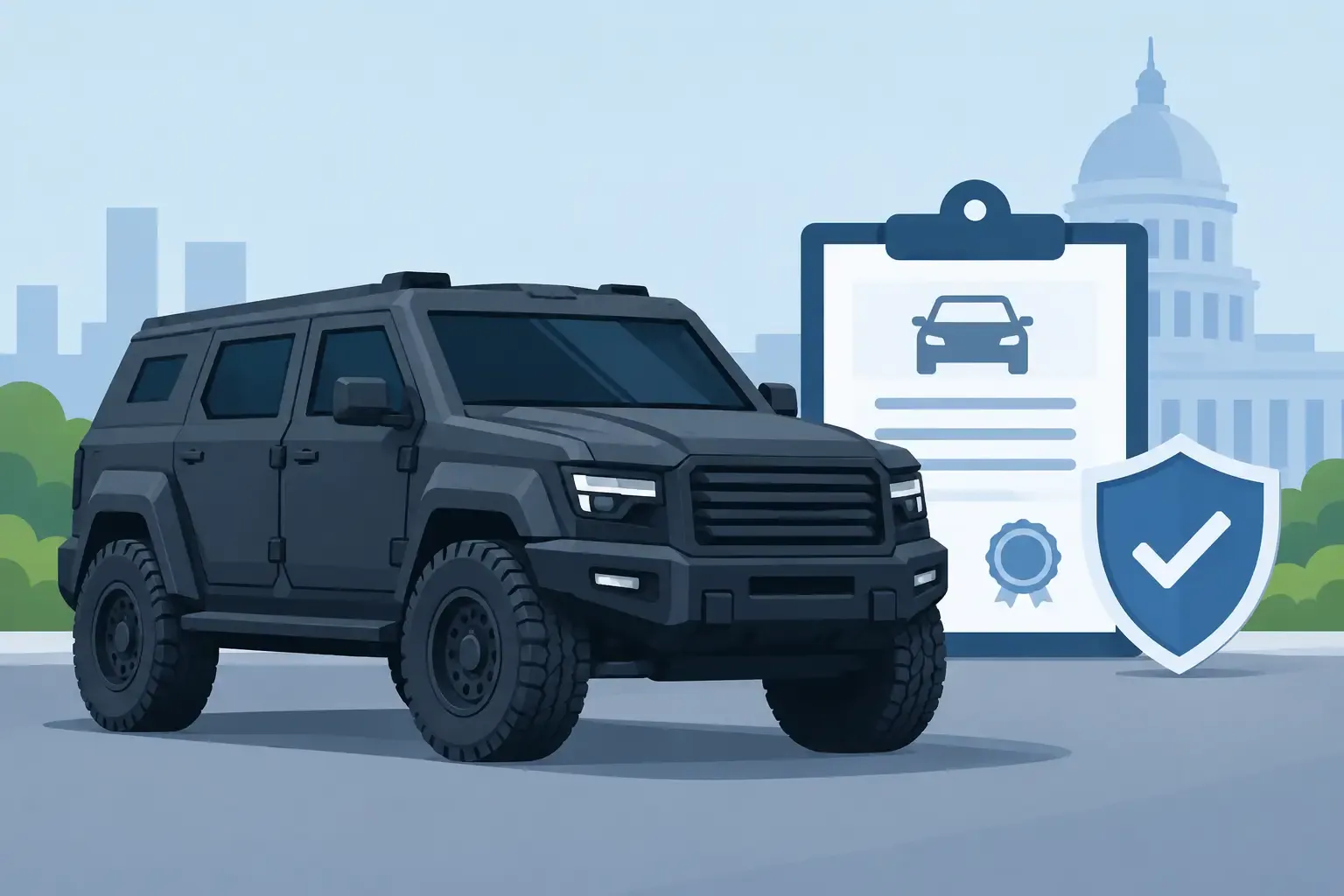
A civilian armored SUV may look like a specialized security asset, but the first question is usually practical: do armored cars need permits? In most U.S. jurisdictions, private ownership of an armored vehicle does not require a separate federal permit simply because the vehicle has ballistic protection. The legal requirements arise from how the vehicle is titled, registered, equipped, imported, used, and, in some cases, exported.
For buyers sourcing internationally, the vehicle itself is only one part of the transaction. A compliant purchase requires documentation that supports road use, customs entry, registration, insurance, and any security equipment installed on the unit. Requirements can change by state, destination country, vehicle weight, and end use.
Do Armored Cars Need Permits in the United States?
There is no general U.S. federal permit for owning a road legal armored car. A properly converted armored sedan, SUV, or pickup can typically be purchased and owned by a private individual, business, executive protection firm, or fleet operator.
That does not mean the purchase is permit free. Buyers should expect the same core obligations that apply to any vehicle: a valid title or ownership document, state registration, license plates, insurance, and compliance with applicable road safety requirements. If the vehicle is operated commercially, additional rules may apply based on its use and gross vehicle weight rating.
State and local rules matter. A heavy armored SUV can exceed weight thresholds that affect registration class, driver licensing, bridge restrictions, parking limitations, or commercial operation. The answer is therefore not a simple yes or no. The armor package may not require a permit, while the finished vehicle’s weight, modifications, or operating purpose may create additional requirements.
Registration Is Usually the Main Requirement
For a vehicle intended for public road use, registration is more relevant than an armor specific permit. The buyer will generally need to present the title, bill of sale, vehicle identification number, proof of insurance, and any state required inspection paperwork to register the unit.
An armored conversion should not obscure or alter the vehicle identification number. The VIN must remain readable and consistent with the title, customs documents, and registration records. Buyers should also confirm that the armored vehicle retains required road equipment, including compliant lighting, mirrors, windshield visibility, tires, brakes, seat belts, and emissions related components where applicable.
Armor adds substantial mass. Ballistic glass, armored steel or composite panels, run flat systems, reinforced suspension components, and protected fuel systems can change handling and stopping distances. A serious conversion should be engineered around the vehicle’s payload, axle capacity brake performanceand tire ratings. Registration agencies may not ask for an armor certificate, but insurers, inspectors, and commercial fleet managers may ask for clear vehicle specifications.
Permits for Weapons Are Separate From Vehicle Armor
A common source of confusion is the difference between an armored vehicle and an armed vehicle. Armor is defensive protection. Firearms, ammunition, weapon mounts, or restricted security equipment are governed by separate federal, state, and local laws.
A vehicle does not gain permission to carry prohibited weapons because it is armored. Firearm transport laws vary significantly among states. Rules can also differ for private owners, licensed security personnel, armored car cash in transit operators, and law enforcement agencies. If a vehicle is being procured for security operations, the purchasing team should verify the legal status of every installed or transported item independently of the armor package.
Buyers should also avoid assumptions about equipment such as emergency lights, sirens, police style markings, infrared systems, or communications devices. Some states restrict the use, display, or activation of certain emergency or law enforcement style equipment on civilian vehicles. A road legal armored SUV should be configured for its lawful intended use, not simply for appearance.
Imported Armored Vehicles Require More Planning
Importing a vehicle into the United States is where the process becomes more technical. An armored vehicle may require review under customs, Department of Transportation, Environmental Protection Agency, and state registration procedures. The correct path depends heavily on whether the base vehicle was originally manufactured for the U.S. market and whether the armoring work changed a vehicle already certified for U.S. road use.
A U.S.-specification vehicle with documented conversion work is often more straightforward to register than a foreign market model. A non-U.S.-spec vehicle may face restrictions unless it qualifies under a recognized import pathway. Age based exemptions, show and display eligibility, temporary import programs, and compliance conversion options all have different conditions. None should be assumed without confirming the vehicle’s exact model year, manufacturing status, and intended use.
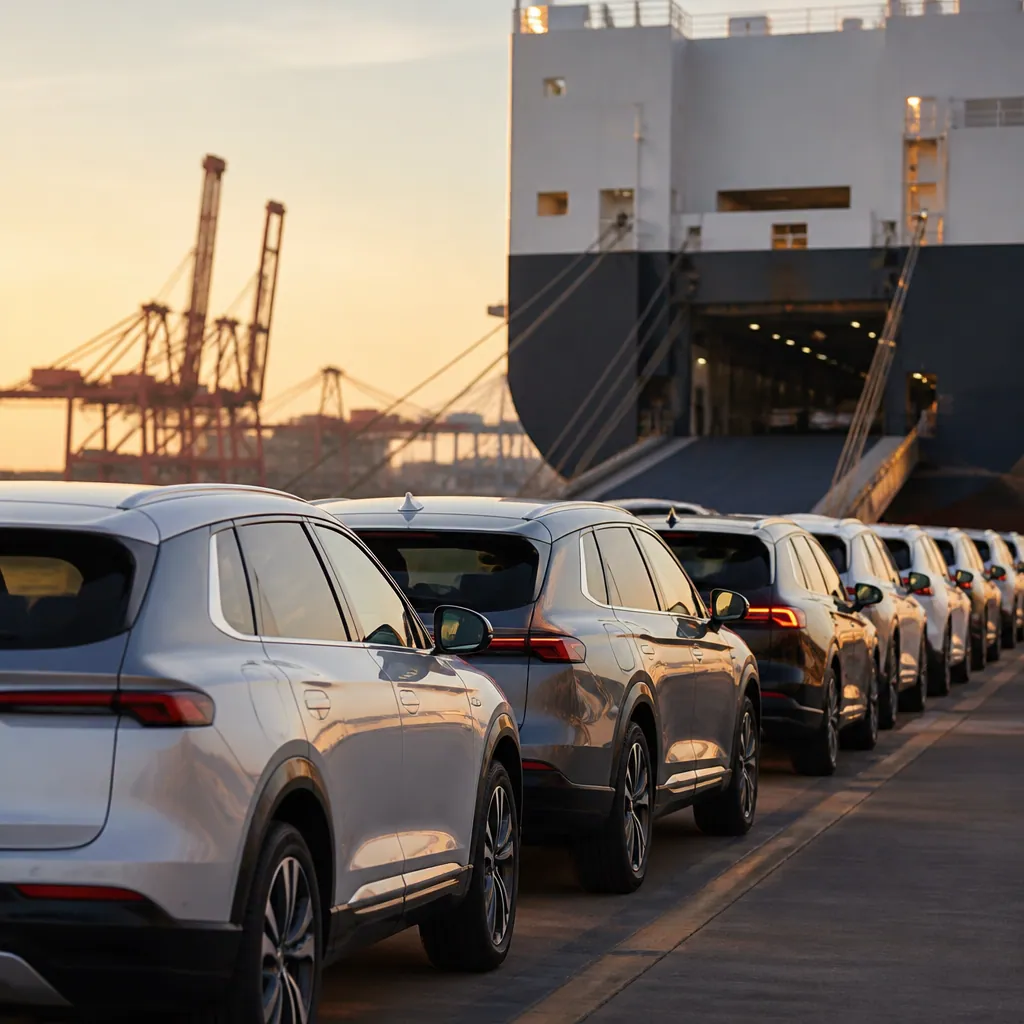
For international buyers shipping an armored unit onward to another market destination country import rules can be even more decisive. Some countries treat ballistic materials, protected vehicles, or security related equipment as controlled goods. They may require an import license, end user certificate, ministry approval, or prior clearance before the vehicle can enter the country.
Export Controls Can Apply to Armored Vehicles
A commercially available armored vehicle is not automatically restricted, but export controls can apply depending on the level of protection, installed equipment, origin of components, destination, end user, and stated use. Sanctions restrictions and denied party screening can also affect whether a transaction can proceed.
This is particularly relevant for cross border purchases involving government agencies, security contractors, mining operations, diplomatic users, or high risk regions. A buyer should be prepared to provide accurate end use and end user information. Vague descriptions such as “private security” may not be sufficient for a supplier, shipper, bank, insurer, or customs authority conducting compliance review.
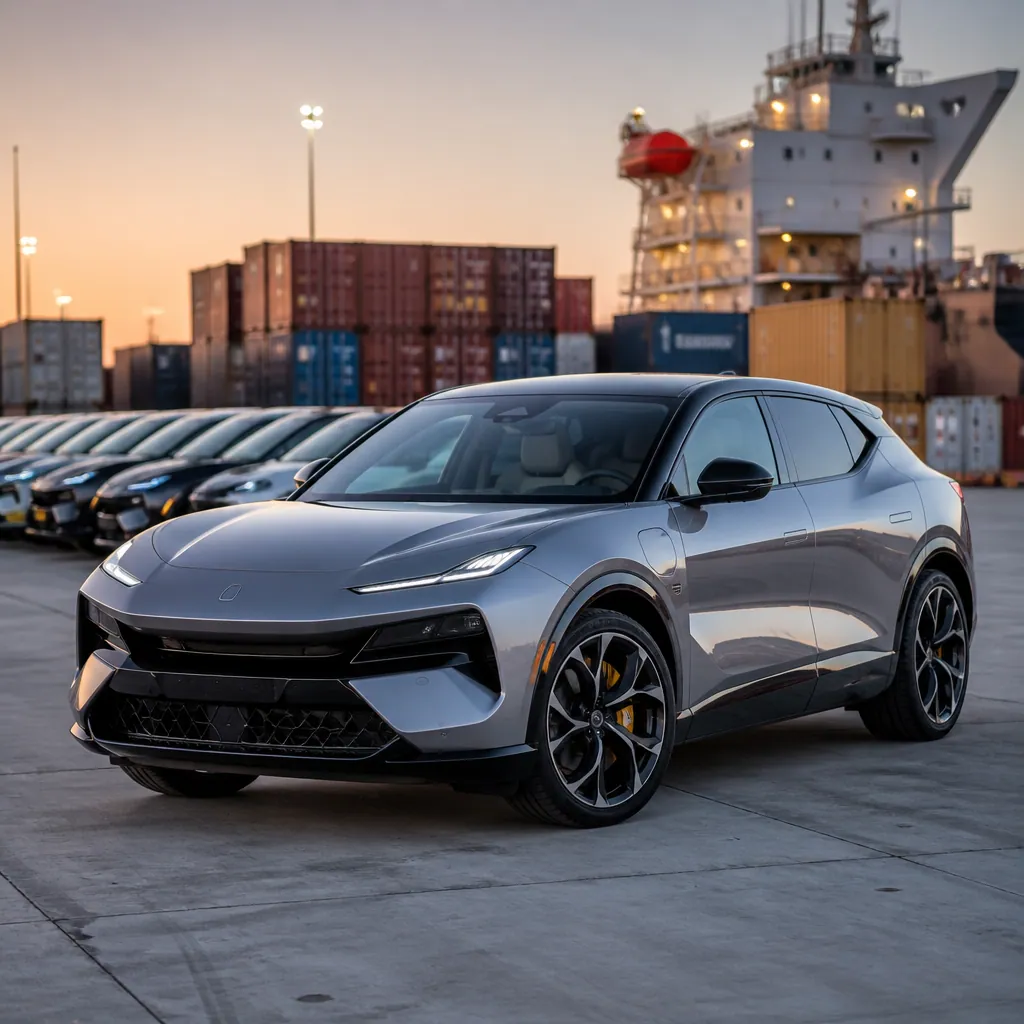
A reliable export file should align across the commercial invoice, packing list, bill of lading, title or certificate of origin, vehicle specification sheet, and any required export or import approvals. Inconsistent descriptions create delays and may cause the shipment to be held at the port.
What Buyers Should Confirm Before Ordering
The fastest way to avoid registration and delivery problems is to review the vehicle as a complete package before funds are committed. For an armored vehicle, that review should cover at least these four areas:
- Base vehicle status: Confirm the VIN, title availability, model year, market specification, and eligibility for registration in the destination.
- Armor specifications: Request the stated protection level, protected areas, glass configuration, run flat system details, added weight, and any suspension or brake upgrades.
- Road use compliance: Verify lighting, emissions status, tire ratings, axle loads, visibility, and whether the completed vehicle remains suitable for public road operation.
- Import and export documentation: Confirm what customs, shipping, end user, and destination country documents will be needed before the vehicle is dispatched.
For commercial users, add driver qualification and insurance review to the process. A heavy armored vehicle may require different operational controls than an unarmored version of the same model. Fleet managers should consider maintenance access, replacement ballistic glass lead times, run flat tire servicing, parts availability, and secure storage as part of the total procurement decision.
Insurance and Inspection Considerations
Insurance is not a permit, but it can become a practical gatekeeper. Some insurers will cover civilian armored vehicles under specialty policies, while others may require appraisals, conversion documentation, photographs, security use disclosures, or evidence of professionally completed work. Understating the vehicle’s value or modifications can create problems when making a claim.
Inspection rules also vary. Some states conduct safety inspections, emissions inspections, or both. An armored conversion that changes the vehicle’s weight, suspension, glass, or electronics should be documented clearly enough for an inspector and insurer to understand what has been modified. A conversion completed without attention to serviceability can turn routine maintenance into a costly operational issue.
Buy the Vehicle That Fits the Destination
The correct armored vehicle is not necessarily the highest protection level available. It is the unit that meets the security requirement while remaining legal, registerable, insurable, serviceable, and practical in the destination market. A B6 armored SUV may suit executive transport in one location, while a lighter discreetly protected vehicle may be more appropriate where road conditions, fuel quality, parking structures, or local registration limits create constraints.
Automotion Global supports buyers who need export ready vehicle sourcing with documentation, inspection coordination, and international delivery planning in view from the start. Before selecting inventory, establish the destination, intended use, protection requirement, and importer of record. That preparation turns the permit question into a clear procurement plan and helps ensure the armored vehicle is ready to operate when it arrives.