
A proper container shipping comparison is not simply a choice between a 20-foot and 40-foot unit. For an imported vehicle, the right decision affects freight cost per vehicle, transit protection, loading flexibility, port handling, and the condition in which the vehicle arrives. Buyers sourcing EVs, commercial units, premium vehicles, or armored vehicles should compare the full shipment plan before approving a purchase order.
Container Shipping Comparison: Start With the Vehicle
Vehicle dimensions, battery requirements, ground clearance, declared value, and destination regulations should determine the shipping method. A compact EV may fit efficiently in a shared container shipment, while a long wheelbase SUV, commercial van, or armored vehicle may require dedicated space and more specialized loading arrangements.
The lowest quoted freight rate is not always the lowest landed cost. A less suitable configuration can create extra terminal charges, loading delays, avoidable damage exposure, or a need to separate cargo that could have moved together. Start by confirming exact vehicle length, width, height, curb weight, and whether the vehicle is operational. Then compare shipping options against the complete shipment, not the vehicle alone.
For electric and plug in vehiclesbattery state of charge and carrier acceptance rules also matter. Carriers and ports can impose requirements for lithium ion batteries, including limits on state of charge, documentation, inspection status, and incident reporting procedures. These requirements can change by route and carrier, so they should be confirmed before cargo is delivered to the loading facility.
20-Foot vs. 40-Foot Containers
A 20-foot container is often the practical choice for one standard passenger vehicle. It can be cost effective where freight is priced by container rather than by vehicle, especially when the vehicle is high value or needs private loading. Its shorter internal length, however, limits room for oversized models and leaves less flexibility for approved accessories, spare parts, or additional cargo.
A 40-foot container generally creates better value when shipping two or more compatible vehicles. Depending on vehicle dimensions and loading method, it may accommodate two standard vehicles and, in certain cases, more. The usable capacity is not a simple vehicle count. Door opening dimensions, turning clearance, lashing points, axle weight distribution, and the loading sequence all affect what can safely fit.
When a 20-Foot Container Makes Sense
Choose a dedicated 20-foot container when shipping a single vehicle that requires controlled handling, when the vehicle is too valuable to consolidate with unrelated cargo, or when timing is more important than maximizing space. It can also be appropriate for vehicles with unusual dimensions that make a shared load difficult to organize.
A 20-foot shipment is often easier to manage from a documentation perspective because one buyer, one vehicle, and one bill of lading reduce coordination. That simplicity can be valuable for first time importers or buyers sending a vehicle to a destination with strict clearance procedures.
When a 40-Foot Container Delivers Better Value
A 40-foot container is usually the stronger option for fleets, resellers, and buyers combining vehicles with approved parts or equipment. Spreading ocean freight, trucking, documentation, and terminal costs across multiple vehicles can significantly improve the freight cost per unit.
The trade off is planning. Vehicles must be compatible in size and loading order, and the shipment must be secured correctly. A 40-foot container that is poorly planned can waste space or increase the chance of loading damage. Accurate pre shipment measurements matter more than assumptions based on model category.
Shared Container or Dedicated Container?
Shared container shipping, often called consolidation, allows cargo from multiple customers to move in the same container. It can reduce costs for a single vehicle because the buyer pays for allocated space rather than the full container. This option can suit standard passenger vehicles moving on established routes where the buyer has flexible timing.
The cost advantage comes with dependencies. The container may not depart until enough compatible cargo is received, and deconsolidation at destination can add handling steps. More handling means more touchpoints, which should be weighed carefully for luxury vehicles, vehicles with low clearance, or units requiring specialized protection.
A dedicated container gives the buyer control over the container’s contents, loading schedule, and sealing process. It is normally the preferred option for high value vehicles, multi vehicle orders, armored units, commercial equipment, and shipments that need to move on a defined timeline. It also provides more flexibility to add properly declared accessories, spare tires, charging equipment, or parts, subject to destination import rules.
For many commercial buyers, the decision comes down to predictability. Shared shipping may lower the initial quote. Dedicated shipping may offer a clearer loading window, fewer handling stages, and a more reliable handoff at destination.
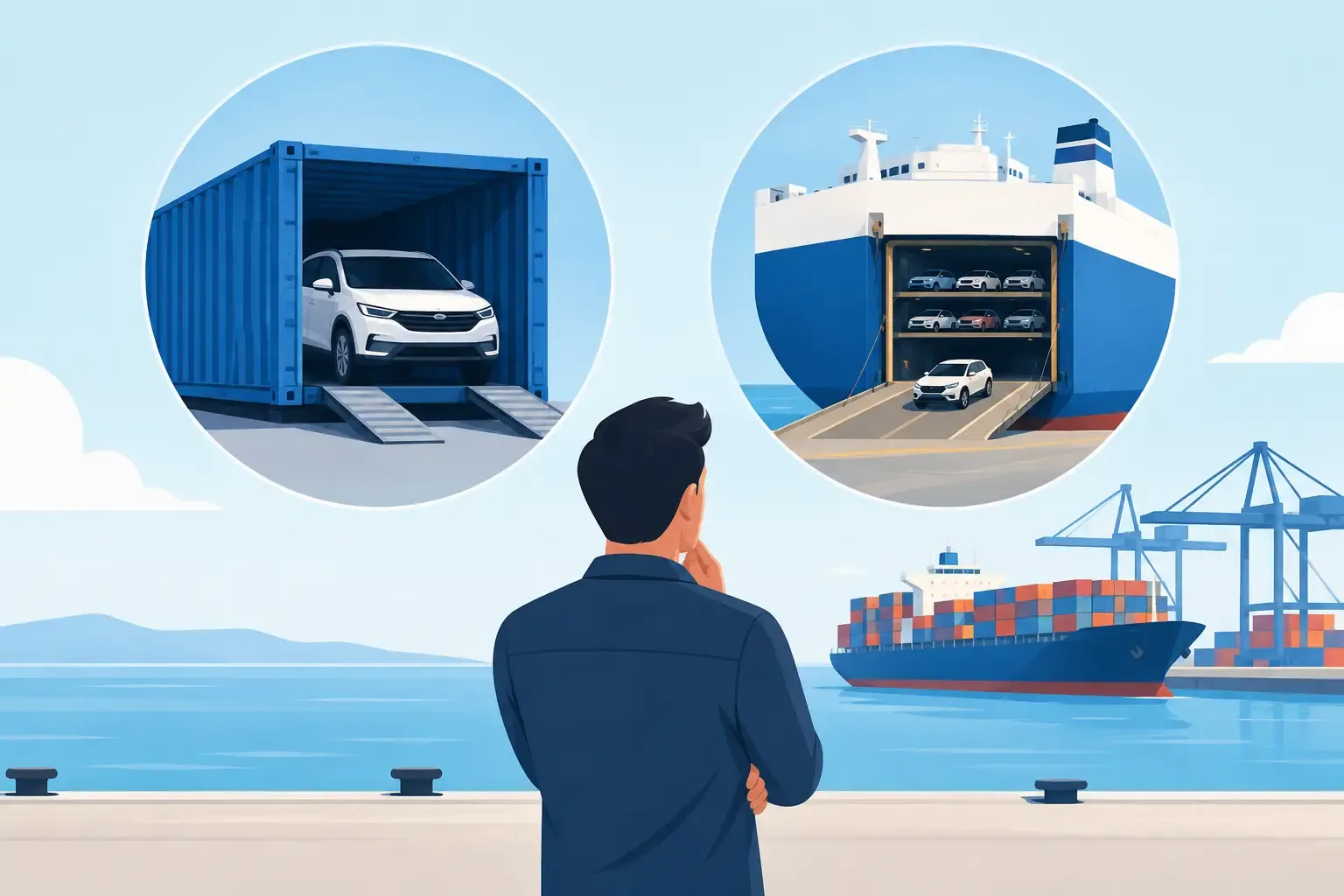
RoRo vs. Container Shipping
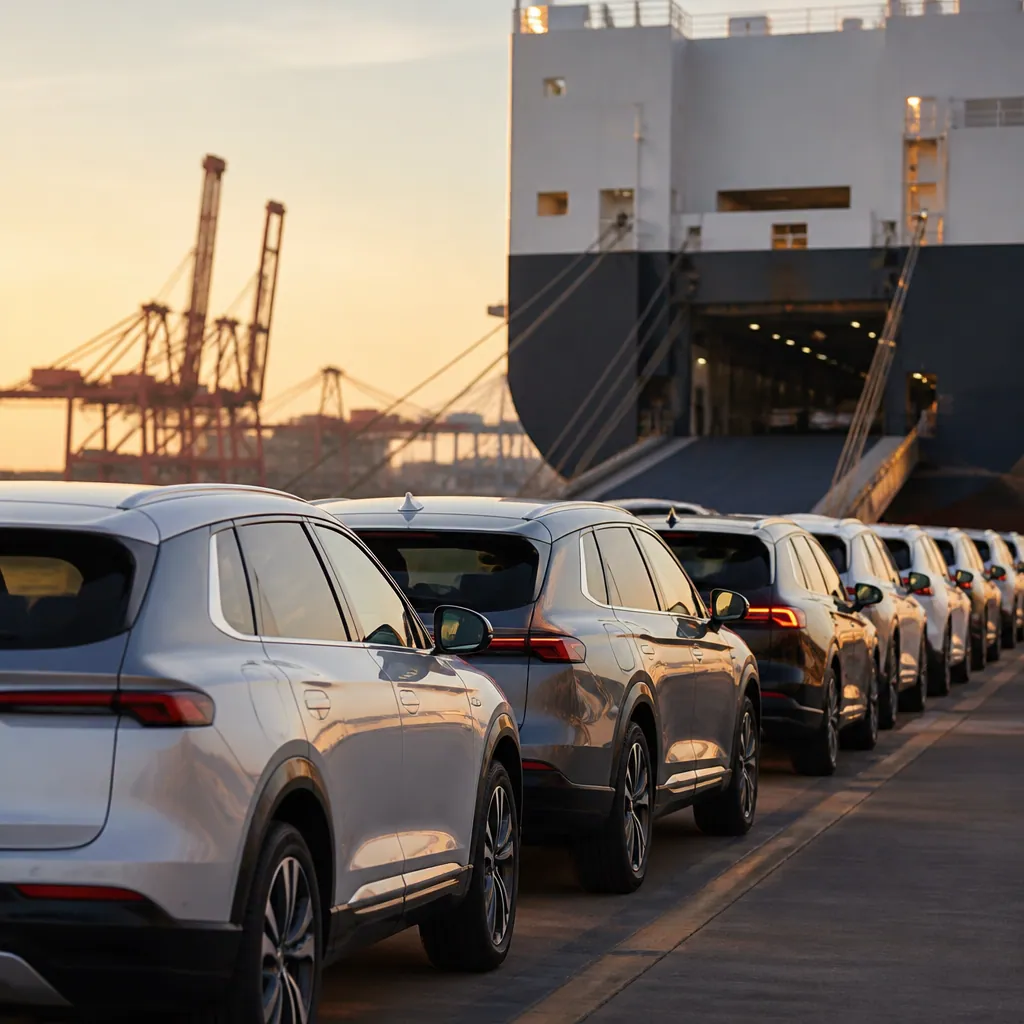
Roll on/roll off shipping, or RoRo, moves operational vehicles onto and off a vessel under their own power. It can be economical for standard drivable vehicles, particularly on routes with frequent RoRo service. It also avoids container loading constraints for larger vehicles that may not fit a standard container.
Container shipping provides greater enclosure from weather, port activity, and unauthorized access. It is often preferred for premium models, specialty vehicles, EVs requiring controlled preparation, and cargo moving to destinations where RoRo sailings are limited. Containerized shipping can also support combined loads, which helps buyers moving several units or vehicles with declared equipment.
RoRo may be the better price on a major route for one operational vehicle. A container may be the better operational choice when protection, consolidation, origin handling, or schedule control carries more value. Neither method is universally superior.
Compare Costs Beyond the Ocean Freight Quote
Ocean freight is only one line in the shipping budget. A useful comparison should include origin transport to the port, export handling, container loading, lashing and securing materials, terminal charges, documentation, insurance, destination handling, customs clearance, and inland delivery.
Ask whether the quote is based on FOB, CFRor another agreed Incoterm. FOB pricing generally places the vehicle at the export port after clearance, while freight and destination costs are handled separately by the buyer or appointed forwarder. A lower FOB vehicle price can still lead to a higher total acquisition cost if the shipping route or destination charges are unfavorable.
Insurance should be reviewed separately rather than assumed. Cargo insurance terms can differ by policy, including exclusions for scratches, mechanical faults, pre existing damage, inadequate packing, or delays. Pre shipment inspection records, clear photographs, and a documented vehicle condition report provide a stronger basis for any future claim.
Loading, Securing, and Inspection Standards
The container itself does not guarantee a safe delivery. Professional loading is what protects the vehicle. The unit should be inspected before loading for structural condition, water ingress, odors, floor damage, and door function. The vehicle should then be positioned with adequate clearance and secured using suitable wheel chocks, straps, and approved lashing points.
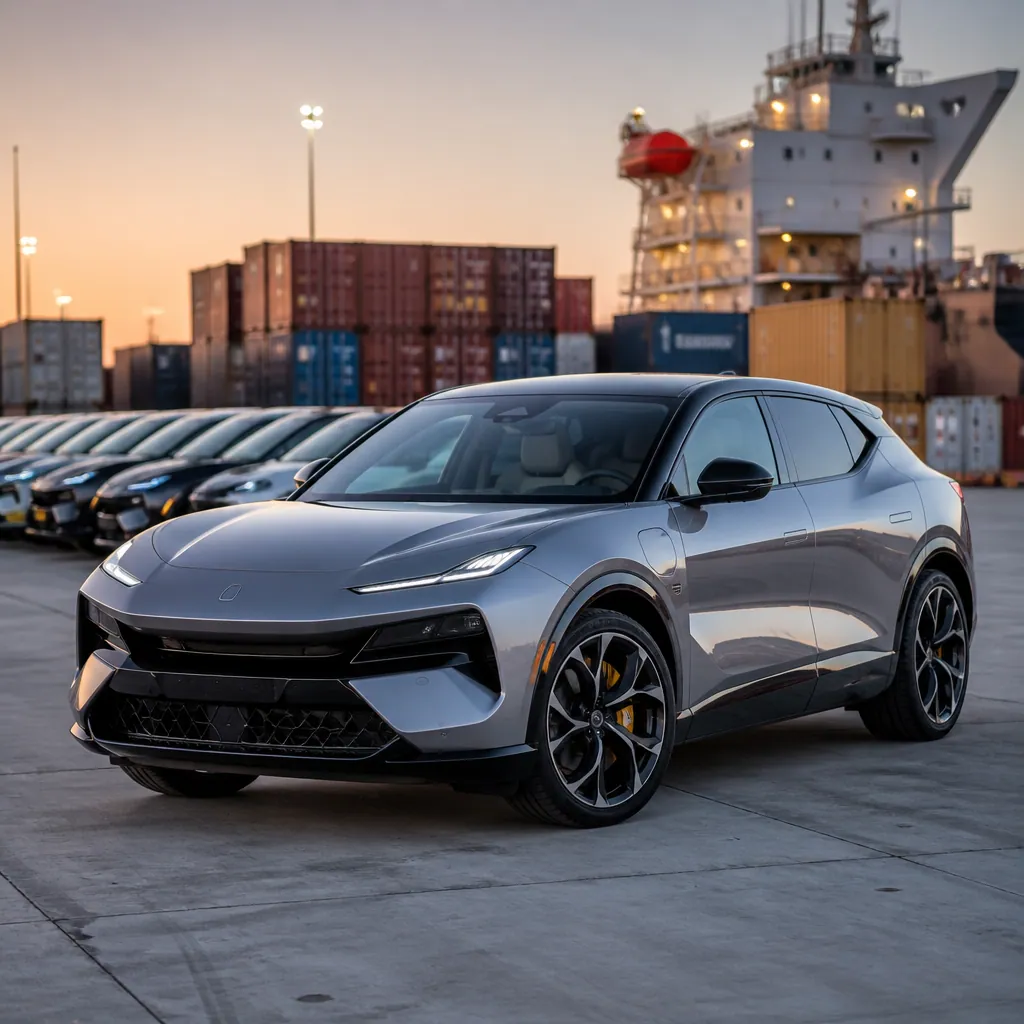
Battery charge, alarm settings, key control, loose items, and tire condition should be checked before loading. For EVs and PHEVs, the preparation process should reflect the carrier’s requirements. For low clearance performance vehicles, ramps and loading angles need close attention. For armored or heavy commercial vehiclesaxle loading and container floor capacity must be verified in advance.
Request loading photos, container number, seal number, and a copy of the shipping instructions. These records support tracking, customs processing, and condition verification at arrival. Automotion Global coordinates pre shipment inspection and export preparation so buyers can make decisions with clearer vehicle and logistics information before dispatch.
Timing: Transit Is Only One Part of the Schedule
A vessel transit time does not represent the full delivery timeline. The real schedule includes vehicle release, inspection, export documentation, port delivery, container availability, loading, customs clearance, vessel cut off, transshipment, destination discharge, and final release.
Shared containers can take longer to load because consolidation depends on other cargo. Dedicated containers may load faster once the vehicle and export documents are ready, but container release and vessel space still affect timing. Peak seasons, port congestion, weather, route changes, and customs examinations can all add days or weeks.
Buyers with fixed operational deadlines should work backward from the required arrival date. Allow contingency for documentation corrections and destination clearance, particularly when importing into a new market or managing a first shipment with a new consignee.
Make the Decision Based on the Shipment’s Real Priorities
The best container option is the one that protects the vehicle, fits the route, supports the clearance plan, and produces a predictable landed cost. A single standard vehicle with flexible timing may justify consolidation. A premium EV, a pair of resale vehicles, or a commercial order with a delivery deadline may justify a dedicated container even when the initial freight number is higher.
Before committing, compare two or three complete shipment scenarios using the same origin, destination, vehicle details, and insurance assumptions. The right shipping choice becomes much clearer when every cost, handling step, and timing dependency is visible before the vehicle reaches the port.