Most importers researching the BYD Sealion 7 export opportunity make the same early mistake: they treat it as a standard vehicle procurement and skip the platform and compliance questions until a shipment is already in motion. That is an expensive error. The Sealion 7 ships in two meaningfully different technical configurations depending on destination market, carries distinct documentation requirements by region, and sits inside a rapidly shifting export landscape where BYD has actively redirected production away from the Chinese domestic market toward international shipping hubs. Before you place an order, you need to understand exactly what variant you are buying, what compliance hurdles your market demands, and how FOB pricing from China translates into a landed cost your customers or fleet budget can actually absorb.
Quick Takeaways
| Key Insight | Explanation |
|---|---|
| Two distinct export platforms exist | Standard export models use the 400V e-Platform 3.0 with 150 kW DC fast charging. Only the top spec European variant uses the 800V e-Platform 3.0 Evo with up to 230 kW charging. Ordering the wrong spec for your market is a common and costly mistake. |
| BYD has shifted Sealion 7 production to export only | The Sealion 7 has been withdrawn from BYD’s domestic Chinese consumer channels and redirected exclusively toward international shipping hubs, which improves supply availability for importers but also means the domestic spec Sealion 07 EV and the export Sealion 7 are different products. |
| FOB China pricing does not reflect your landed cost | Retail prices in Europe have been documented at roughly USD 58,900 to USD 73,600 for a vehicle that targets around USD 29,000 in China. Import duties, freight, homologation, and local registration fees are the gap. Calculate all of these before quoting customers. |
| The Blade LFP battery is a real advantage for hot climate markets | BYD’s Blade Battery has passed nail penetration tests without fire or explosion, making it well suited for the Middle East and African markets where thermal management is a daily operational concern. |
| GCC and Middle East imports require SASO compliance | Importing into Saudi Arabia, the UAE, and other GCC states requires SASO certification and GCC-specific technical standards documentation. This is not optional and cannot be resolved at the destination port after arrival. |
| RHD and LHD availability differs by market | The Sealion 7 is available in right hand drive for markets including Hong Kong, South Africa, Malaysia, and Australia. Confirm drivetrain configuration at order stage, not after production. |
| Pre shipment inspection covering battery health is non negotiable | For any BYD electric vehicle import, a documented battery health check, thermal system inspection, and fault history review must be completed before the vehicle leaves the port of origin. Skipping this creates warranty and liability exposure for distributors. |
What the Sealion 7 Actually Is
The BYD Sealion 7 is a five door, five seat electric SUV measuring 4,830 mm in length and 1,620 mm in height. It sits in the medium size SUV segment and competes directly against the Tesla Model Y, the XPeng G6, and the Kia EV5. For importers and distributors, the competitive positioning matters: this is not a budget EV. It is a premium positioned product with premium compliance requirements and premium customer expectations to match.
The vehicle is built on BYD’s e-Platform 3.0 architecture, which uses Cell to Body construction. This means the Blade Battery cells are integrated directly into the vehicle’s structural frame, contributing to a low centre of gravity and strong torsional rigidity. The suspension setup uses double wishbones at the front and a multi link rear axle, which is a step up from the simpler rear setups found in entry level EVs. For fleet buyers evaluating ride quality and driver retention, that matters in practice.
The standard export Sealion 7 comes in two main drivetrain configurations: a rear wheel drive model producing 230 kW (308 hp) and an all wheel drive model producing 390 kW (523 hp). Both share the same 82.5 kWh lithium iron phosphate Blade battery in their standard export form. The RWD variant offers a WLTP range of up to 482 km; the AWD Performance variant trades some range for dual motor performance and a 0 to 100 km/h time of around 4.5 seconds. For fleet operators, the RWD variant will almost always be the right call on total cost of ownership grounds.
Export Variant Differences Importers Must Understand
This is where importers most frequently go wrong, and the consequences are not minor. The standard export market Sealion 7 uses the e-Platform 3.0 with a 400V electrical architecture. DC fast charging on this version is capped at 150 kW, with a claimed 10 to 80% charge time of around 32 minutes. AC charging supports up to 11 kW. For most markets in the Middle East, Africa, and Southeast Asia, this specification is entirely appropriate and matches local charging infrastructure.
The 800V Exception for European Top Spec
The top specification European version is a different product at a platform level. It uses the more advanced e-Platform 3.0 Evo with an 800V electrical architecture, a larger 91.3 kWh battery, and DC fast charging support up to 230 kW. This variant is architecturally similar to the Chinese market Sealion 07 EV. If you are sourcing for a European distributor who needs maximum charging performance, you must specify this variant explicitly. Assuming the standard export model will meet European fast charging expectations is a sourcing mistake.
Chinese Domestic Spec vs. Export Spec
The Chinese market Sealion 07 EV supports up to 240 kW DC fast charging, which is higher than the standard export model. Sourcing a vehicle that has been previously registered in China and then re exported is a risk for importers, because the domestic software configuration, OTA update eligibility, and warranty chain will differ from a factory direct export unit. Always confirm you are receiving a purpose built export variant, not a redirected domestic market vehicle.
The Sealion 7’s export production has been redirected exclusively toward international shipping hubs, separating it from the intense domestic pricing competition in China. Importers who understand this supply dynamic are better positioned to negotiate and plan inventory cycles accordingly.
BYD Sealion 7 FOB Price and Landed Cost Reality
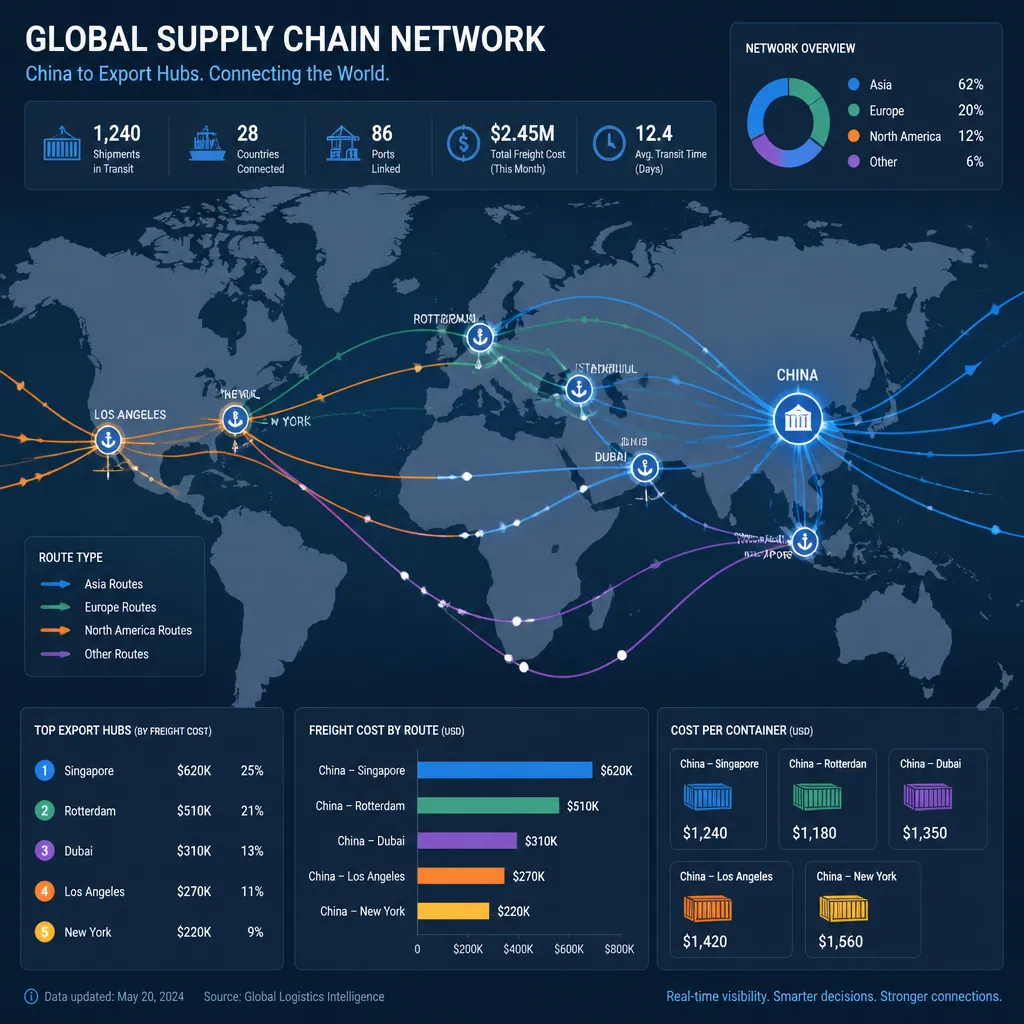
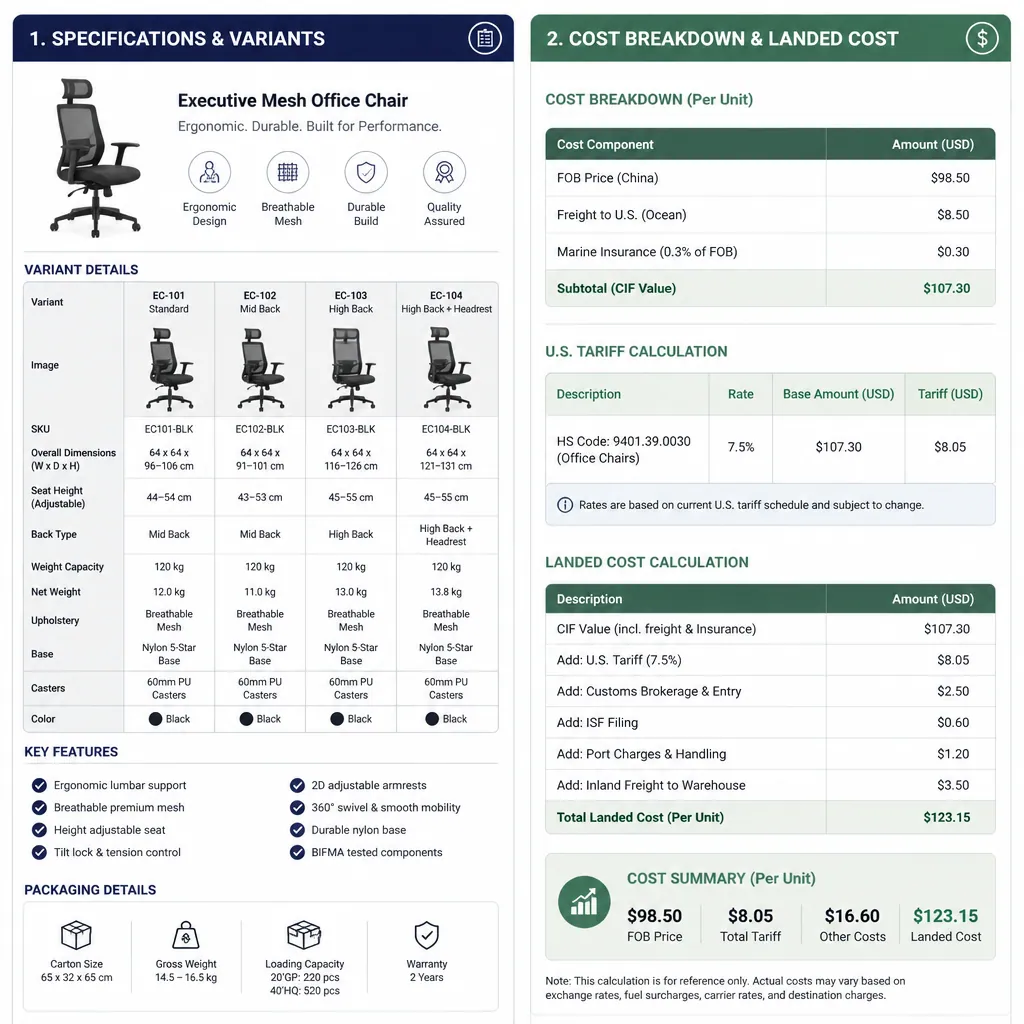
The BYD Sealion 7 FOB price is the figure you will see first in any supplier quote, and it is the figure that will mislead you fastest if you stop there. The vehicle has been documented retailing in European markets at roughly USD 58,900 to USD 73,600, against a domestic Chinese market price targeting around USD 29,000. That gap does not represent supplier profit. It represents freight, insurance, import duties, homologation costs, local registration fees, dealer margin, and warranty provisioning. Every one of those line items needs to be calculated before you commit to a landed price for your own market.
In practice, the most common failure in BYD electric vehicle import costing is underestimating homologation and certification costs, particularly for first time orders into a new destination country. A vehicle that clears customs without the right documentation will be held at port, often at significant daily storage cost, until compliance is demonstrated. Build certification lead times and costs into your pro forma from day one, not as an afterthought.
Pro tip: When requesting a supplier quote for BYD Sealion 7 export, always ask for the quote to specify FOB port of loading, Incoterms version, and whether the price includes a Certificate of Conformity for your destination market. A quote without these details is incomplete for commercial purposes.
For fleet operators placing volume orders, the total cost of ownership picture is more favorable than the unit landed cost suggests. The Blade LFP battery chemistry is known for slower degradation over high mileage compared to NMC chemistry, which is a meaningful advantage when calculating residual value and replacement cost over a five year fleet cycle. Lower per kilometer energy cost relative to diesel further improves the TCO case in markets where electricity is subsidized or commercially priced favorably.
Compliance and Homologation by Market
Compliance requirements for BYD electric vehicle import vary significantly by destination, and treating them as a single process is a reliable way to cause delays. The key distinctions by region are worth mapping before you issue a purchase order.
GCC and Middle East Markets
Importing the Sealion 7 into Saudi Arabia, the UAE, and other GCC states requires SASO certification and compliance with GCC technical standards. These requirements apply to the vehicle’s electrical systems, safety features, and emissions documentation. The certification process needs to be initiated well before the vessel departs China. Importers who have handled Japanese or Korean EVs into the same markets should note that the documentation pathways for Chinese manufactured EVs are increasingly well established, but timelines can vary.
African Markets
African market requirements vary significantly by country. Some markets accept a broad Certificate of Conformity, while others require market specific type approval. South Africa is an active and growing right hand drive market for the Sealion 7. Importers targeting sub Saharan markets should assess local charging infrastructure at the same time as regulatory requirements, since the practical utility of a 150 kW DC charging capability depends on whether that infrastructure exists at your customer’s locations.
Southeast Asian Markets
The Sealion 7 has been officially launched in Malaysia, Indonesia, Singapore, and India, among other markets. In markets where BYD has an official presence, parallel imports require careful management of warranty eligibility and after sales support. Distributors operating in markets without an official BYD network have more flexibility but carry greater responsibility for spare parts supply and service support. This is a decision to make explicitly, not by default.
Pro tip: For any market where BYD does not yet have an official distributor, negotiate spare parts supply and minimum parts inventory into your supplier agreement before signing. Aftersales service failure is the single fastest way to destroy customer trust in a new EV brand, and it is entirely preventable with upfront planning.
Shipping Options and Documentation Checklist
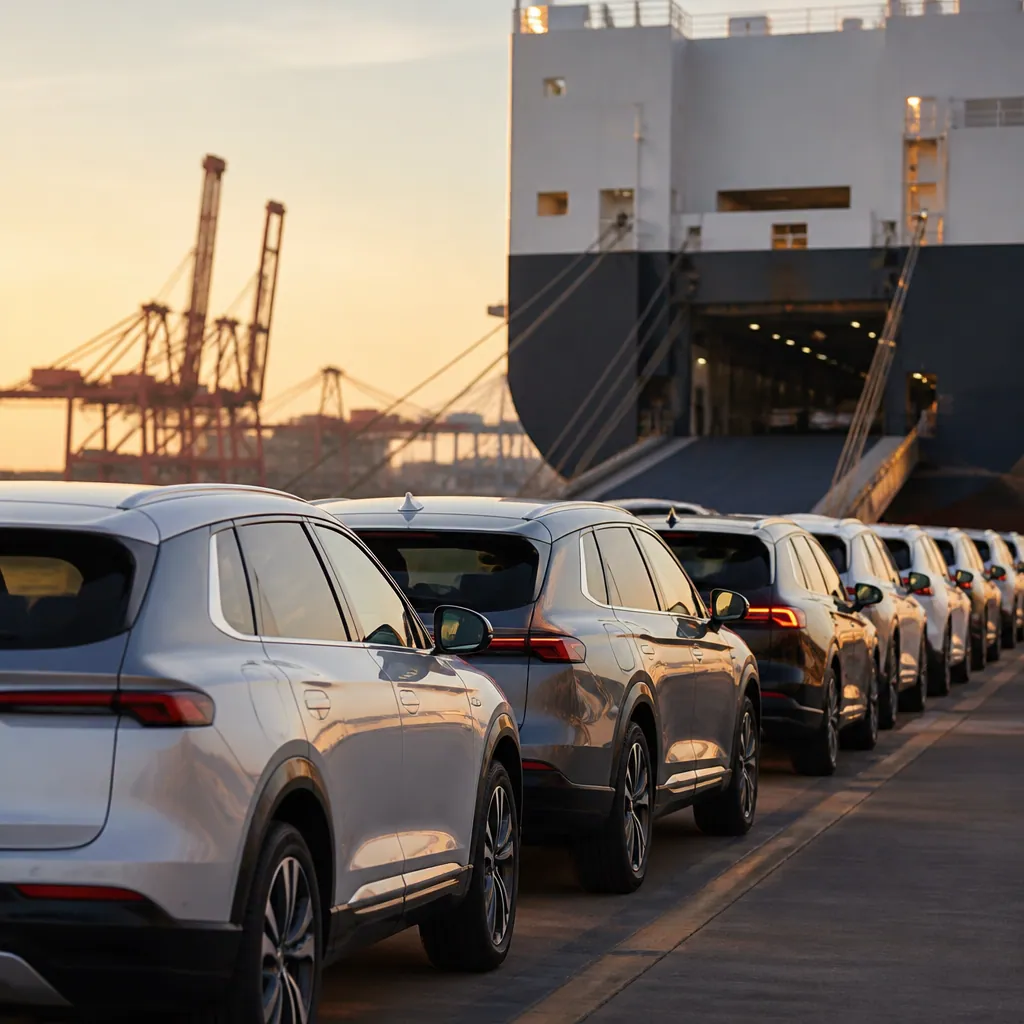
The Sealion 7’s physical dimensions, at 4,830 mm in length and a curb weight of approximately 2,200 kg for the RWD variant (and around 2,315 kg for the AWD), put it firmly in the standard category for RoRo (Roll on/Roll off) shipping. RoRo is the standard and most cost effective method for new vehicle export from China in volume. Container shipping is an alternative for smaller quantities or markets with port limitations, but it carries higher per unit freight cost and requires additional loading and securing procedures suited to battery electric vehicles.
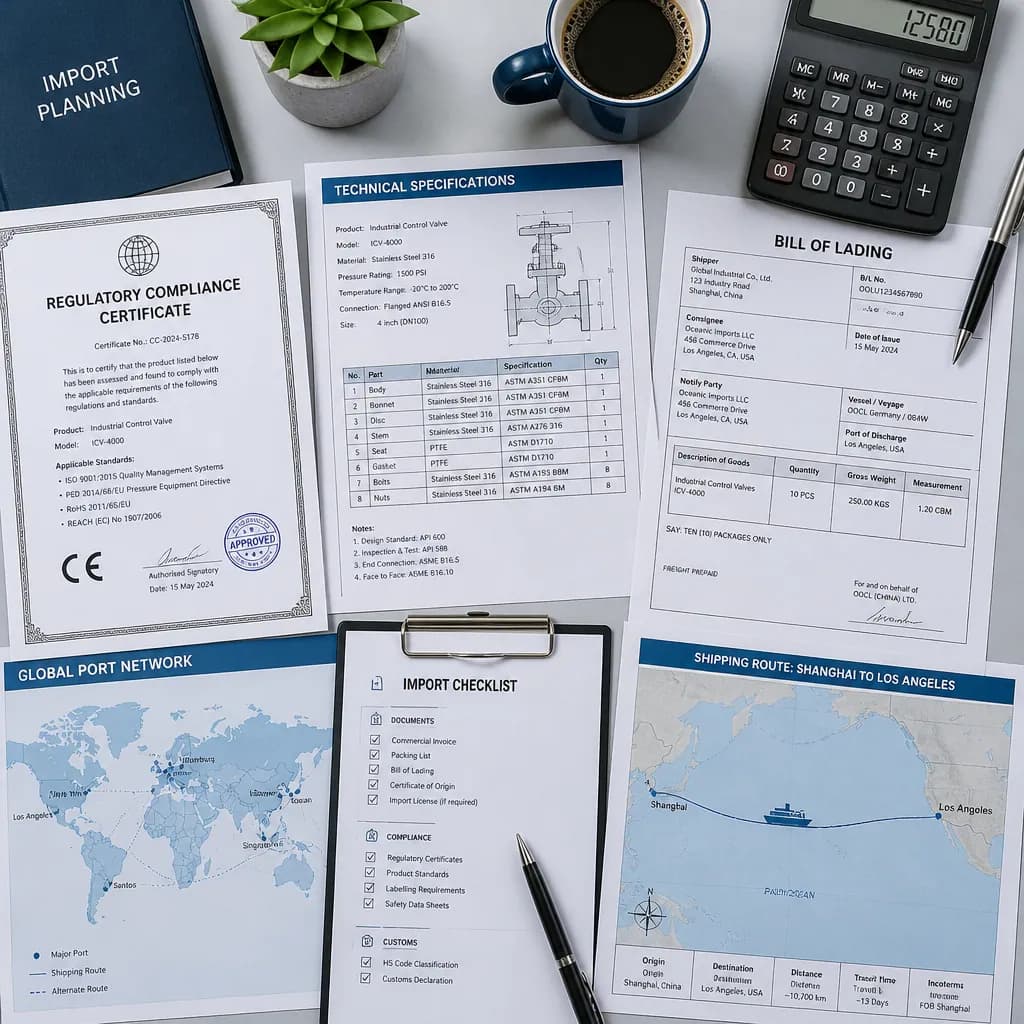
The documentation that needs to be in order before the vehicle leaves port of origin includes the commercial invoice, packing list, bill of lading, Certificate of Origin, manufacturer’s Certificate of Conformity for the destination market, and any market specific compliance certifications (such as SASO for GCC markets, or CoC, RoHS, and REACH compliance for European destinations). For any BYD Sealion 7 destined for a fleet operator, a pre shipment inspection report covering battery health, cooling system function, onboard diagnostics fault history, and all electronics is essential documentation.
A common mistake is treating the handover of digital keys and OTA update credentials as an afterthought. The Sealion 7 uses a connected vehicle architecture, and the BYD app and digital key profiles need to be reset and properly configured for the new owner before the vehicle departs. Failing to do this creates operational problems on delivery that are disproportionately frustrating given how easily they can be avoided.
Variant and Sourcing Comparison
Importers frequently need to choose between the standard RWD export model, the AWD Performance export model, and a specialist top spec European variant. The table below summarizes the key differences relevant to sourcing decisions.
| Specification | Standard Export RWD (Premium) | Standard Export AWD (Performance) | Top Spec European AWD (Excellence) |
|---|---|---|---|
| Platform | e-Platform 3.0 (400V) | e-Platform 3.0 (400V) | e-Platform 3.0 Evo (800V) |
| Battery Capacity | 82.5 kWh LFP Blade | 82.5 kWh LFP Blade | 91.3 kWh LFP Blade |
| Peak DC Fast Charging | 150 kW | 150 kW | 230 kW |
| Motor Output | 230 kW / 308 hp (rear) | 390 kW / 523 hp (front + rear) | 390 kW / 523 hp (front + rear) |
| WLTP Range | Up to 482 km | Up to 456 km | Up to 312 miles (approx. 502 km) |
| Best Suited For | Middle East, Africa, Asia fleet and retail | Performance focused retail buyers | European distributors with fast charging network requirements |
| Curb Weight | Approx. 2,200 kg | Approx. 2,315 kg | Approx. 2,315 kg |
Frequently Asked Questions
What export markets is the BYD Sealion 7 officially available in?
The Sealion 7 has been officially launched in Hong Kong, Malaysia, Indonesia, India, Singapore, Brunei, South Africa, and multiple European markets, among others. BYD has transitioned the Sealion 7 production toward export focused channels, which means supply availability for international orders has improved. Importers in markets without an official BYD distributor can source through specialist export suppliers, but should assess after sales support provisions before proceeding.
What is the difference between the BYD Sealion 7 and the BYD Sealion 07 EV sold in China?
The Sealion 07 EV is the Chinese domestic market version and supports up to 240 kW DC fast charging. The export Sealion 7 uses the 400V e-Platform 3.0 with DC fast charging capped at 150 kW for standard variants. Only the top spec European version of the export Sealion 7 uses the 800V e-Platform 3.0 Evo architecture, with up to 230 kW DC fast charging. These are meaningfully different vehicles at a platform level, and importers should not assume they are identical.
How should I calculate the total landed cost of a BYD Sealion 7 import?
Start from the confirmed FOB price at the port of loading in China, then add ocean freight and marine insurance, destination port handling and customs clearance fees, applicable import duty rates for your country (which vary significantly, particularly for electric vehicles), homologation and certification costs, and local registration fees. For fleet orders, also factor in spare parts provisioning and any charging infrastructure costs. The gap between FOB China pricing and retail pricing in established markets reflects how substantial these additions can be.
Does the Sealion 7’s Blade Battery present any issues for international shipping?
The Blade LFP battery has passed nail penetration tests without fire or explosion, which is the standard safety test for lithium battery transport. Its thermal stability makes it well suited to long distance ocean shipping, particularly on RoRo vessels. Before shipping, a pre shipment inspection should confirm battery cooling system function, verify no fault codes are present, and document the battery state of health. This documentation protects both the importer and the end customer.
What compliance documents are required to import the Sealion 7 into GCC countries?
GCC imports require SASO certification and compliance with applicable GCC technical standards for electric vehicles. These include documentation of the vehicle’s electrical system safety, crash safety standards, and emissions or zero emission certification. The Certificate of Conformity issued by BYD for the relevant export market, combined with SASO product registration, forms the core of what customs authorities will require. Engage a customs broker with EV import experience in the specific destination country before ordering.
Is the BYD Sealion 7 available in right hand drive for markets that require it?
Yes. BYD produces the Sealion 7 in right hand drive configuration for applicable markets, including Hong Kong, Malaysia, South Africa, and Australia. Importers sourcing for right hand drive markets such as Kenya, Tanzania, or other sub Saharan African countries should confirm RHD specification explicitly at the order stage. Do not assume a supplier has RHD stock without written confirmation in the purchase order.
What is the recommended sourcing approach for a first time BYD Sealion 7 order?
For a first order, work with a supplier who can provide factory direct export documentation, a pre shipment inspection report, and confirmed compliance documentation for your destination market. Start with a defined trial quantity rather than committing to full container loads before you have verified the landed cost calculation, customs clearance timeline, and customer reception in your market. Aftersales support arrangements, including spare parts access and service training, should be agreed in writing before the order is placed, not addressed reactively after delivery.
Have you imported the BYD Sealion 7 or another BYD electric model into your market? Share what the compliance process looked like from your side, or drop a question in the comments if you are still working through the numbers for your first order.
References
- BYD Sealion 7 full specifications, export markets, and platform architecture overview
- BYD Sealion 7 production shift to export only channels and international sales data
- Official BYD announcement of the Sealion 7 for the European market, including e-Platform 3.0 details
- Practical guide to BYD Sealion 7 export documentation, compliance standards, and shipping timelines
- 2025 BYD Sealion 7 specifications review including battery, range, and charging performance data