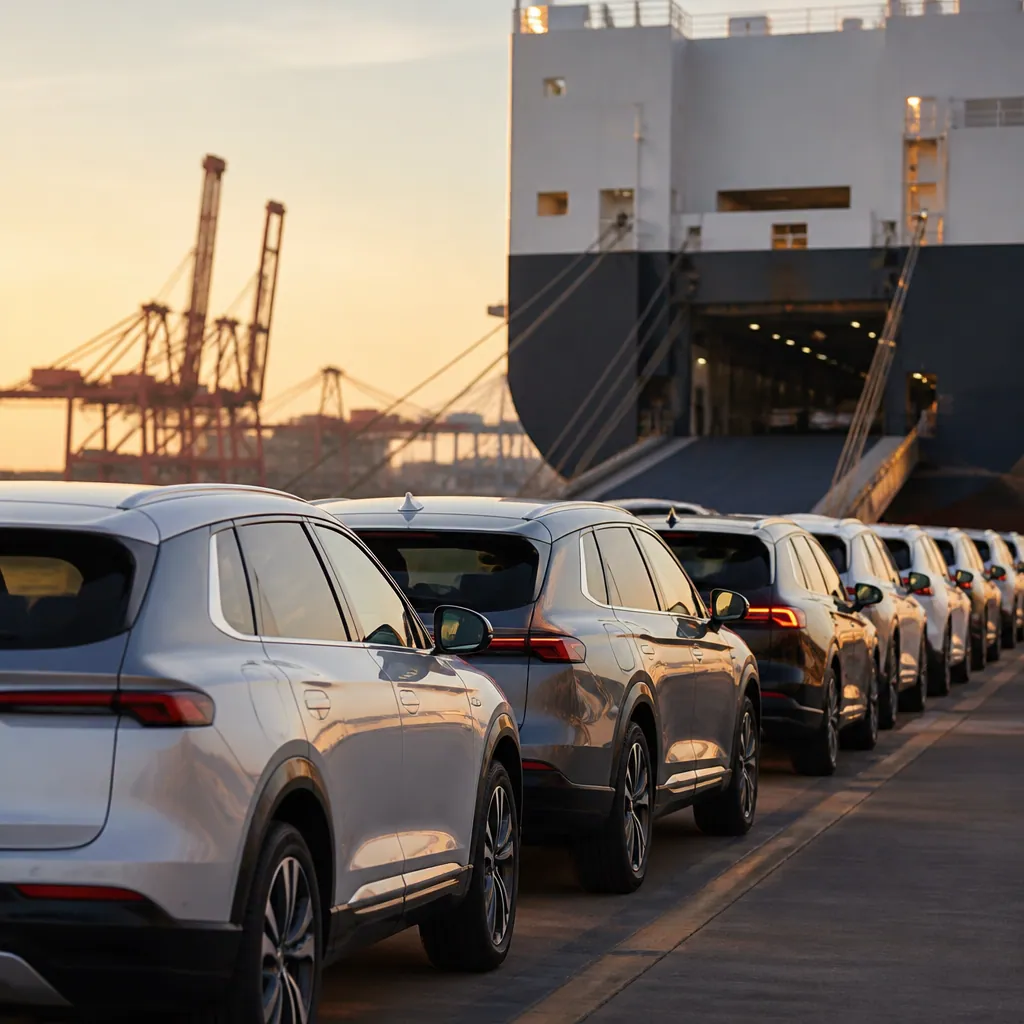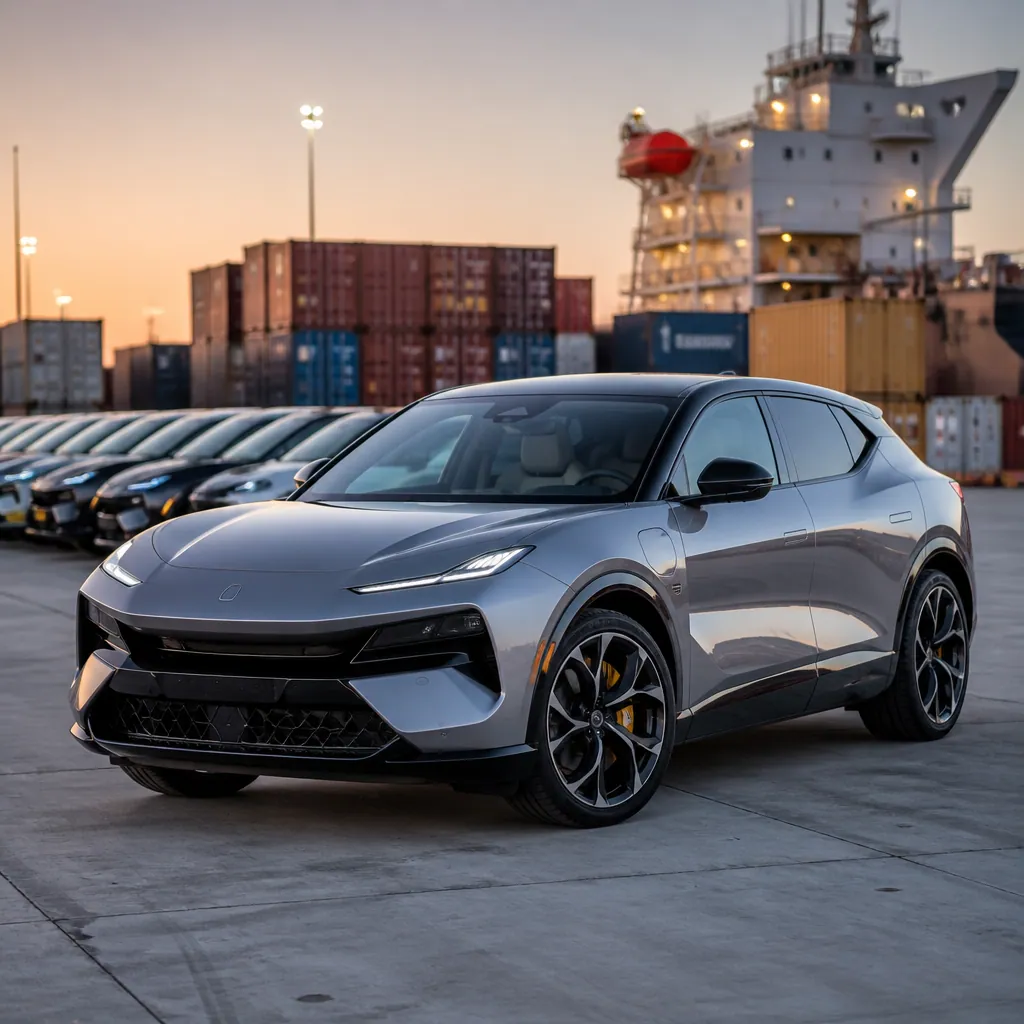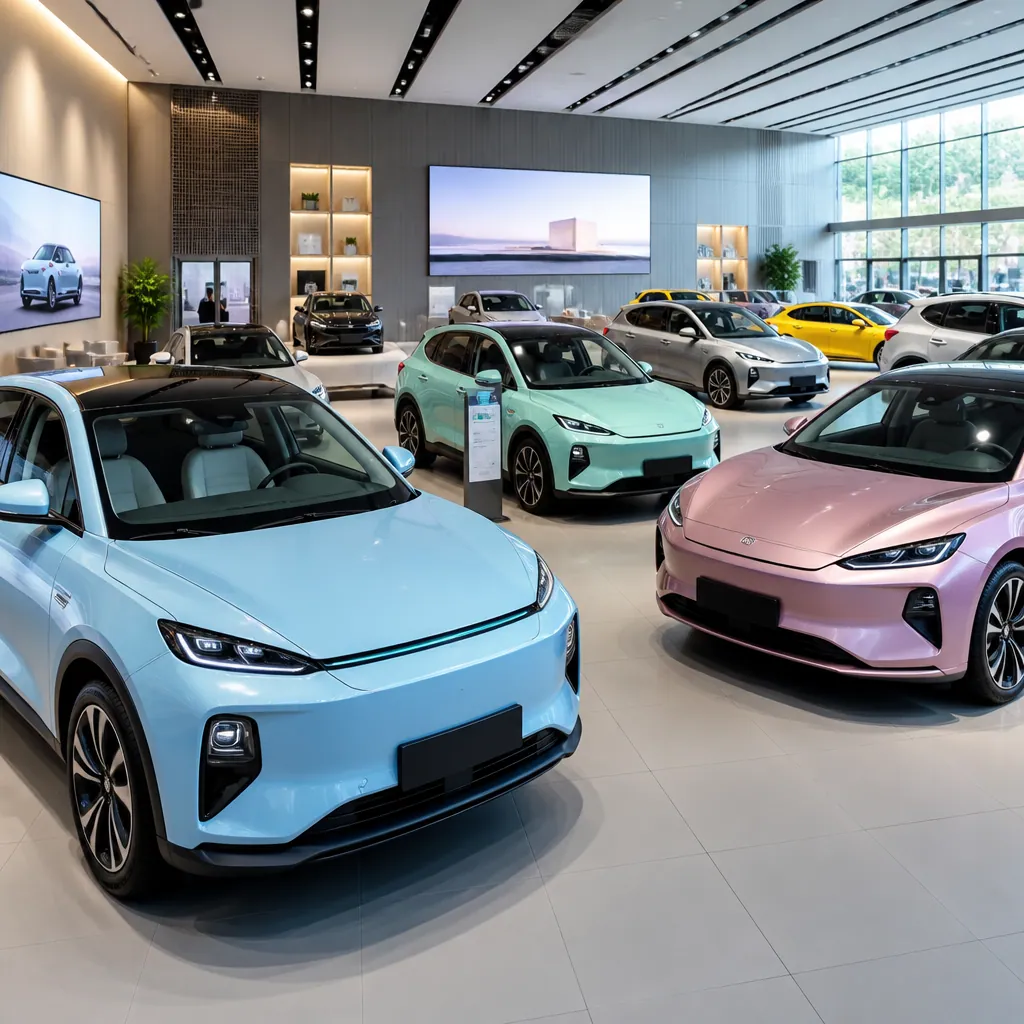
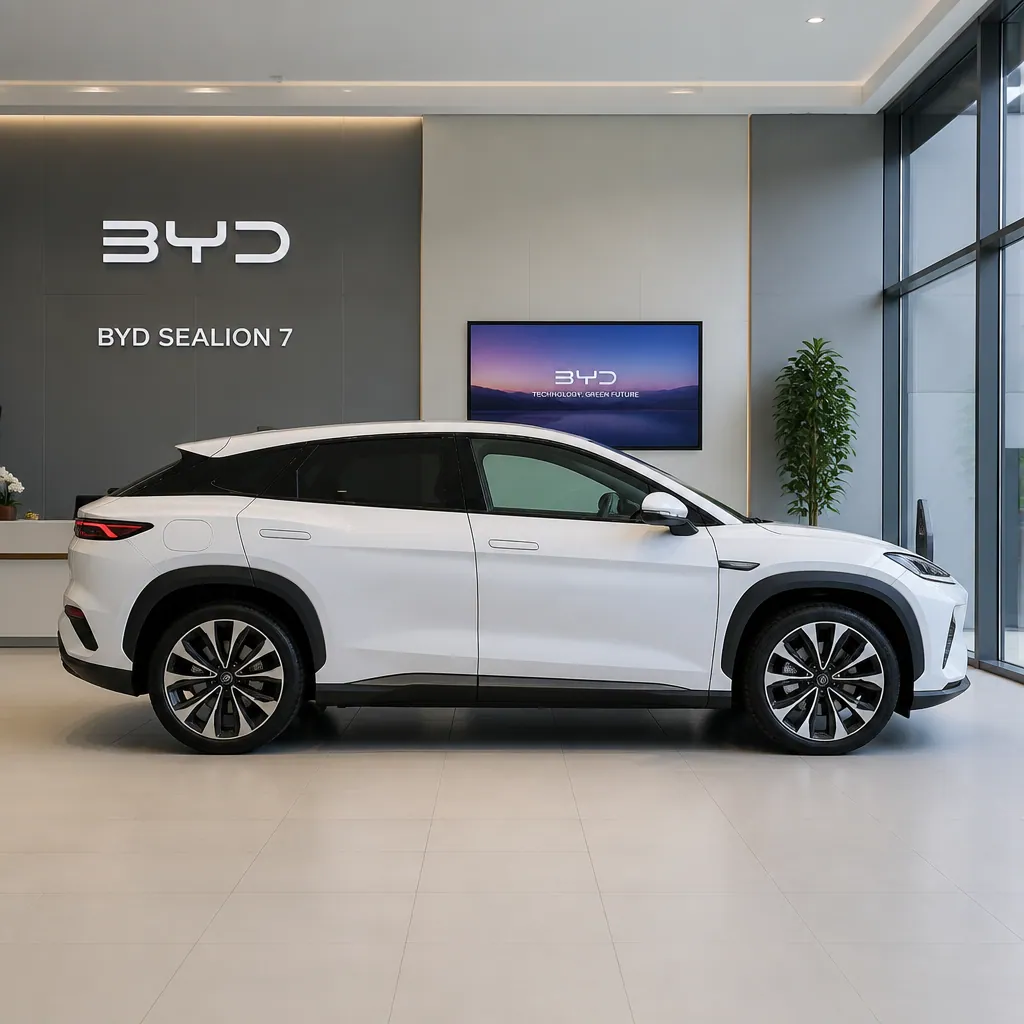
Most vehicle dealers and importers looking at BYD Sealion 7 export opportunities are asking the same core question: is this just another Chinese EV with a flashy spec sheet, or is it a product that can actually move on a forecourt in their market? The answer, based on real export data and the vehicle’s growing footprint across right hand drive and left hand drive markets alike, is that the Sealion 7 is one of the most export ready electric SUVs BYD has ever built. But “export ready” does not mean “right for every market without homework.” Here is what you need to know before placing an order.
Quick Takeaways
| Key Insight | Explanation |
|---|---|
| Two distinct export platforms exist | Standard export markets receive the e-Platform 3.0 (400V, 150 kW DC charging). Only the top spec European variant uses the 800V e-Platform 3.0 Evo with up to 230 kW charging. |
| Both RHD and LHD versions are available | BYD has confirmed right hand drive production for markets including South Africa, Hong Kong, Australia, India, and Brunei, making it viable across Africa, Asia, and the Gulf. |
| Battery is the same across most export trims | The 82.56 kWh BYD Blade LFP battery powers both the single motor and dual motor export variants, with WLTP range estimates of roughly 456 to 482 km depending on configuration. |
| Charging infrastructure compatibility matters | The 150 kW DC cap on standard export models is sufficient for most emerging market infrastructure, but buyers in markets with 200 kW+ DC networks lose real value versus the European spec. |
| Homologation requirements vary sharply by destination | Europe and the UK require a Certificate of Conformity and compliance with RoHS, REACH, and WEEE standards. Middle East and African markets typically have lighter documentation requirements but still need correct HS codes and country specific customs paperwork. |
| BYD is actively redirecting Sealion 7 production to export | With domestic Chinese competition intensifying, BYD has positioned the Sealion 7 as a primary export vehicle, which improves supply availability and factory allocation for international buyers. |
| Price arbitrage works strongly in export markets | Vehicles priced around 200,000 yuan in China regularly retail between roughly $58,900 and $73,600 across international markets, giving well positioned dealers strong margin potential. |
What Is the BYD Sealion 7?
The BYD Sealion 7 is a battery electric mid size SUV that sits under BYD’s Ocean Series product line. It was first introduced at the 2023 Guangzhou Auto Show in November of that year as the Sealion 07 EV for the Chinese domestic market, before being rebranded as the Sealion 7 for international export markets. Production began in 2024, and by early 2025 the model had launched across multiple continents.
In terms of positioning, it is designed to compete directly with the Tesla Model Y. The body measures 4,800 mm in length and 1,925 mm in width, putting it squarely in the C-SUV class that dominates global fleet and retail EV demand. The interior includes a 15.6-inch rotating central touchscreen, heated and ventilated front seats, dual zone climate control, and a 500-litre boot with a flat floor. There is also a front storage compartment (frunk), which matters to buyers coming from ICE vehicles who expect extra utility.
The BYD Blade LFP battery powers every export variant. LFP chemistry is a practical advantage for markets with high ambient temperatures, because it is more thermally stable than NMC chemistry and has a longer cycle life. For fleet operators in the Middle East or North Africa, this is not a small detail. It is the kind of operating condition difference that determines whether a vehicle is still performing well at 150,000 km or is already showing degradation.
Export Market Variants and Platform Differences
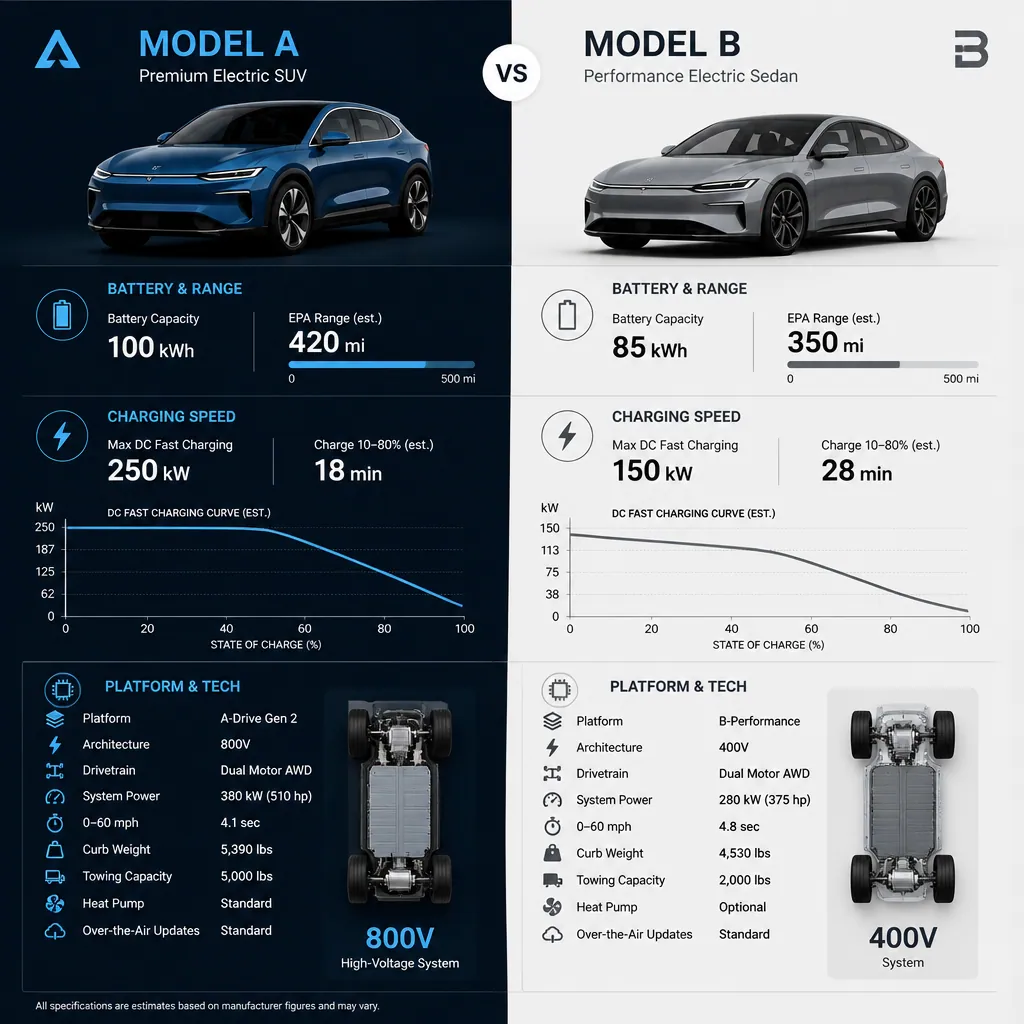
This is the section most import guides skip, and it is the one that causes the most problems for dealers when the vehicles arrive. The Sealion 7 is not a single homogeneous product across all export markets. The platform and charging architecture differ meaningfully depending on where you are importing to.
Standard Export Variant (Most Markets)
The standard export Sealion 7 uses BYD’s e-Platform 3.0 with a 400V electrical architecture. DC fast charging is capped at 150 kW. The 82.56 kWh Blade battery is standard across the RWD and AWD configurations. The RWD (single motor, 230 kW output) achieves a WLTP-cycle range of approximately 482 km. The AWD Performance (dual motor, 390 kW combined output) delivers around 456 km on the same cycle, with a 0 to 100 km/h time of 4.5 seconds.
Top Spec European Variant
The European Excellence AWD variant is built on the more advanced e-Platform 3.0 Evo with an 800V architecture. It uses a larger 91.3 kWh battery, supports DC charging at up to 230 kW, and achieves a 10-to-80 percent charge in as little as 24 minutes. WLTP range for this variant is approximately 312 miles (roughly 502 km). If you are importing for a European or UK market, specifying the wrong variant creates real problems with customer expectations around charging speed.
Pro tip: When requesting a quotation for Sealion 7 export, always specify both the destination country and the electrical architecture you need. The 400V and 800V variants are not interchangeable after the fact. Getting this wrong at the order stage means either reselling into a different market or absorbing a significant loss on a mistargeted specification.
Dimensions at a Glance
Length: 4,800 mm. Width: 1,925 mm. Height: 1,620 mm. Kerb weight ranges from approximately 2,155 to 2,435 kg depending on variant. These figures matter for shipping calculations (roll on/roll off container slot sizing), port handling, and for confirming the vehicle fits within any local dimensional regulations your destination market applies to passenger SUVs.
Which Markets Is the Sealion 7 Actually Entering?
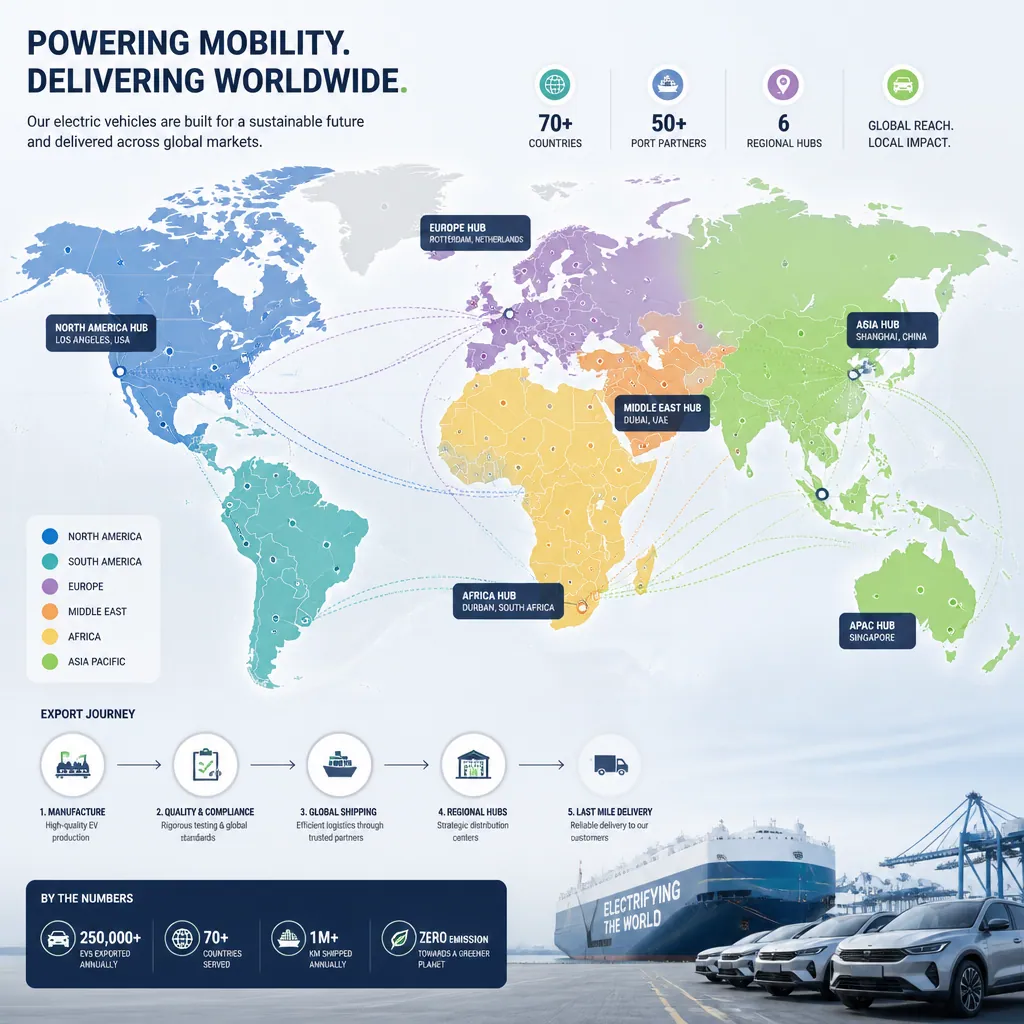
The Sealion 7’s export footprint is broad and growing. Hong Kong was its first major export market, with sales launching on 30 September 2024. The model then launched in India in February 2025 at ex showroom prices starting from Rs 41.90 lakh, followed by Brunei in May 2025 (Performance AWD only). In Australia, the Sealion 7 launched in early 2025 and became the second best selling EV in the country by unit volume within that year. South Africa was added to capture the expanding right hand drive African market.
The broader picture matters for dealers evaluating risk. A vehicle that has already achieved significant real world sales in multiple markets is lower risk to import than a model entering its first territory. The Sealion 7 achieved 5,680 sales in Hong Kong alone across 2025, leading single model sales charts in that market. This kind of data gives aftersales planners something concrete to work with when projecting parts demand and service intervals.
The export transition of the Sealion 7 optimises factory utilisation by redirecting established cell to body architectures to international markets, while providing pricing advantages because foreign market competition is not as intense as within China.
For importers and distributors in the Middle East and Africathe right hand drive availability and the active push by BYD into South Africa signal that spare parts supply chains and homologation support for these regions are being developed at the manufacturer level. This is a meaningful shift compared to earlier BYD export models where aftersales support was patchy outside of established markets.
What Dealers and Importers Need to Check Before Ordering
The vehicle specification is only half of the import equation. The other half is documentation and compliance, and this is where orders fall apart more often than anywhere else.
Documentation Requirements by Region
For Europe and the UK, importing the Sealion 7 requires a Certificate of Conformity (CoC) and compliance with RoHS, REACH, and WEEE standards. These are non negotiable for registration and are your responsibility to confirm with your supplier before the vehicle ships. Missing or incorrect CoC documentation is one of the most common causes of port delays on Chinese EV imports into these regions.
For the Middle East and most African markets, the regulatory burden is lighter in terms of chemical compliance standards, but customs HS codes must be correct for the vehicle category (battery electric passenger vehicle), and country specific import permits, deregistration certificates, and phytosanitary inspections may apply depending on the destination port. Always verify current requirements with a licensed customs agent in the destination country before shipping.
Charging Infrastructure Fit
The 150 kW DC charging cap on the standard export variant is adequate for most markets in the Gulf, Africa, and Southeast Asia, where the public charging network rarely exceeds 100 to 120 kW per station in practice. However, if you are targeting buyers who will use highway fast charging regularly, or if your market has recently upgraded to 200 kW DC infrastructure, the gap between the standard export spec and the European 800V variant will be a tangible objection on the showroom floor.
Aftersales and Spare Parts Planning
A common mistake in first time Chinese EV imports is treating the vehicle purchase as a standalone transaction. Buyers, especially fleet operators, will ask about parts availability and service intervals before signing. The Blade battery requires specific BYD-trained technicians for high voltage work. Before you commit to a large order volume, confirm that your market either already has BYD-authorised service infrastructure or that your own workshop team can be trained. Automotion Global can advise on spare parts supply channels and aftersales support as part of a complete export solution.
Pro tip: For fleet orders of 10 or more Sealion 7 units, negotiate spare parts kits (filters, brake components, cabin air filters, wiper blades) as part of the initial order. Sourcing these items separately after delivery adds cost and delays. Bundling them into the original shipment avoids the problem entirely.
Comparing Sealion 7 Export Variants
| Feature | Standard Export RWD (Premium) | Standard Export AWD (Performance) | European Top Spec AWD (Excellence) |
|---|---|---|---|
| Platform | e-Platform 3.0 (400V) | e-Platform 3.0 (400V) | e-Platform 3.0 Evo (800V) |
| Battery Capacity | 82.56 kWh Blade LFP | 82.56 kWh Blade LFP | 91.3 kWh Blade LFP |
| WLTP Range | about 482 km | about 456 km | about 312 miles (about 502 km) |
| Max DC Charging | 150 kW | 150 kW | 230 kW |
| 0 to 100 km/h | 6.7 seconds | 4.5 seconds | 4.5 seconds |
| Best Suited For | Middle East, Africa, Asia retail and fleet | Performance focused buyers, hot climates, fleet | Europe, UK, premium urban markets |
Is the Sealion 7 the Right EV for Your Market?
The direct answer: yes, for most markets served by Automotion Global, the Sealion 7 is a strong fit. The Blade LFP battery’s thermal resilience makes it genuinely suited to the heat of the Gulf and sub Saharan Africa in a way that NMC-chemistry competitors are not. The 500-litre boot, five seat capacity, and mid size proportions put it in the exact segment that dominates fleet procurement and retail EV purchases across the Middle East, Africa, and Southeast Asia.
Where it is not automatically the right choice is in markets where DC fast charging networks have matured beyond 150 kW and buyers will compare charging speeds directly against European or Korean competitors. In those markets, either the European spec variant needs to be sourced specifically, or the dealer needs to be comfortable addressing the charging speed question with honest context about real world charging behaviour.
For fleet operators evaluating total cost of ownership rather than headline specs, the Sealion 7 is a compelling proposition. LFP battery longevity, a competitive ex factory price point relative to what the vehicle retails for in destination markets, BYD’s established global parts network, and the availability of both RWD and AWD configurations mean there is a variant for most fleet use cases, from executive transport to light commercial passenger duty cycles.
The buy BYD from China process through a competent export supplier matters more for this vehicle than for simpler products. The platform difference between the standard 400V and the European 800V spec is not something a buyer discovers after arrival without consequences. Getting the specification right at the point of order, with the correct documentation from the start, is the difference between a smooth import and a costly one. If you are evaluating whether the Sealion 7 fits your import plan, Automotion Global provides sourcing, supplier coordination, inspection, documentation, shipping, and aftersales support as a single integrated process rather than a series of disconnected transactions.
Frequently Asked Questions
What battery does the BYD Sealion 7 use in export markets?
All standard export variants use the 82.56 kWh BYD Blade lithium iron phosphate (LFP) battery. The top specification European variant uses a slightly larger 91.3 kWh Blade battery. LFP chemistry offers strong thermal stability, which is particularly relevant for buyers in high ambient temperature markets such as the Middle East and Africa.
Is the BYD Sealion 7 available in right hand drive for African and Asian markets?
Yes. BYD has confirmed right hand drive production for several markets including South Africa, Australia, India, Hong Kong, and Brunei. This makes the Sealion 7 a viable option for distributors and dealers in right hand drive markets across Africa and Asia. Availability for specific destination markets should be confirmed with your export supplier at the time of order.
What is the WLTP range of the BYD Sealion 7 for export?
The standard export RWD (Premium) variant achieves approximately 482 km on the WLTP cycle. The AWD (Performance) variant achieves approximately 456 km. The top spec European Excellence AWD, with its larger 91.3 kWh battery, achieves approximately 312 miles (around 502 km) under WLTP testing. Real world range will vary with load, speed, and ambient temperature.
What documentation is needed to import the BYD Sealion 7 into the Middle East or Africa?
Requirements vary by destination country, but typically include a commercial invoice, bill of lading, certificate of origin, vehicle inspection certificate, and correct HS codes for battery electric passenger vehicles. Some markets also require import permits or type approval certificates. Unlike European imports, most Middle East and African markets do not currently require a Certificate of Conformity to EU standards, but country specific regulations should always be verified with a licensed customs agent before shipment.
How does the BYD Sealion 7 compare to the Tesla Model Y for export buyers?
The Sealion 7 directly targets the Tesla Model Y’s market position. Its key advantages for export buyers include LFP battery chemistry (better heat tolerance, longer cycle life), a competitive ex factory price relative to Model Y pricing in the same destination markets, and a larger boot at 500 litres. The Model Y has the advantage of a more established global service network in some markets. For markets where BYD’s aftersales infrastructure is already present or being built out, the Sealion 7 represents a credible and often better value alternative.
What is the DC fast charging speed for the standard export Sealion 7?
The standard export variant, which uses the 400V e-Platform 3.0 architecture, supports DC fast charging at up to 150 kW. The top spec European variant on the 800V e-Platform 3.0 Evo supports up to 230 kW, enabling a 10-to-80 percent charge in approximately 24 minutes. For most emerging market public charging infrastructure, 150 kW is adequate, but it is worth confirming against the infrastructure profile of your specific target market before ordering.
Can Automotion Global source the BYD Sealion 7 for fleet orders?
Yes. Automotion Global specialises in sourcing and supplying brand new vehicles from China, including BYD models like the Sealion 7, for fleet operators, dealers, distributors, and importers across the Middle East, Africa, Asia, and other global markets. The service covers vehicle sourcing, inspection, export documentation, customs procedures, international shipping, spare parts support, and aftersales assistance, handled as a single coordinated process rather than piecemeal services.
Have you started evaluating the BYD Sealion 7 for your market, or are you already in the process of placing an order? Share your experience or questions below and we will respond directly.
References
- BYD Sealion 7 full specification, platform, and export market overview on Wikipedia
- BYD Sealion 7 sales data and export market strategy analysis on Car News China
- BYD Sealion 7 Excellence AWD review with real world range and charging data on Green Car Guide
- BYD Sealion 7 export documentation and shipping guide for Europe and the UK
- BYD Sealion 7 India launch details including variants, pricing, and specifications