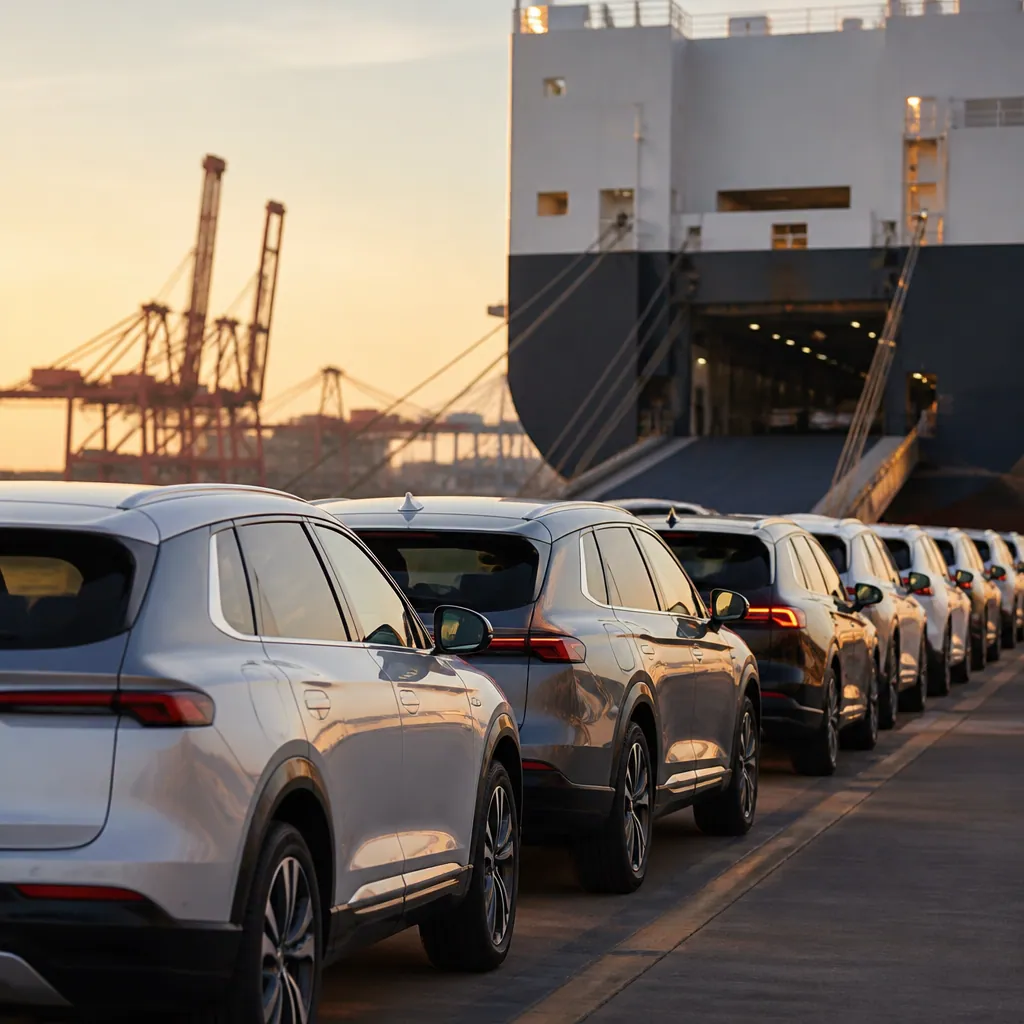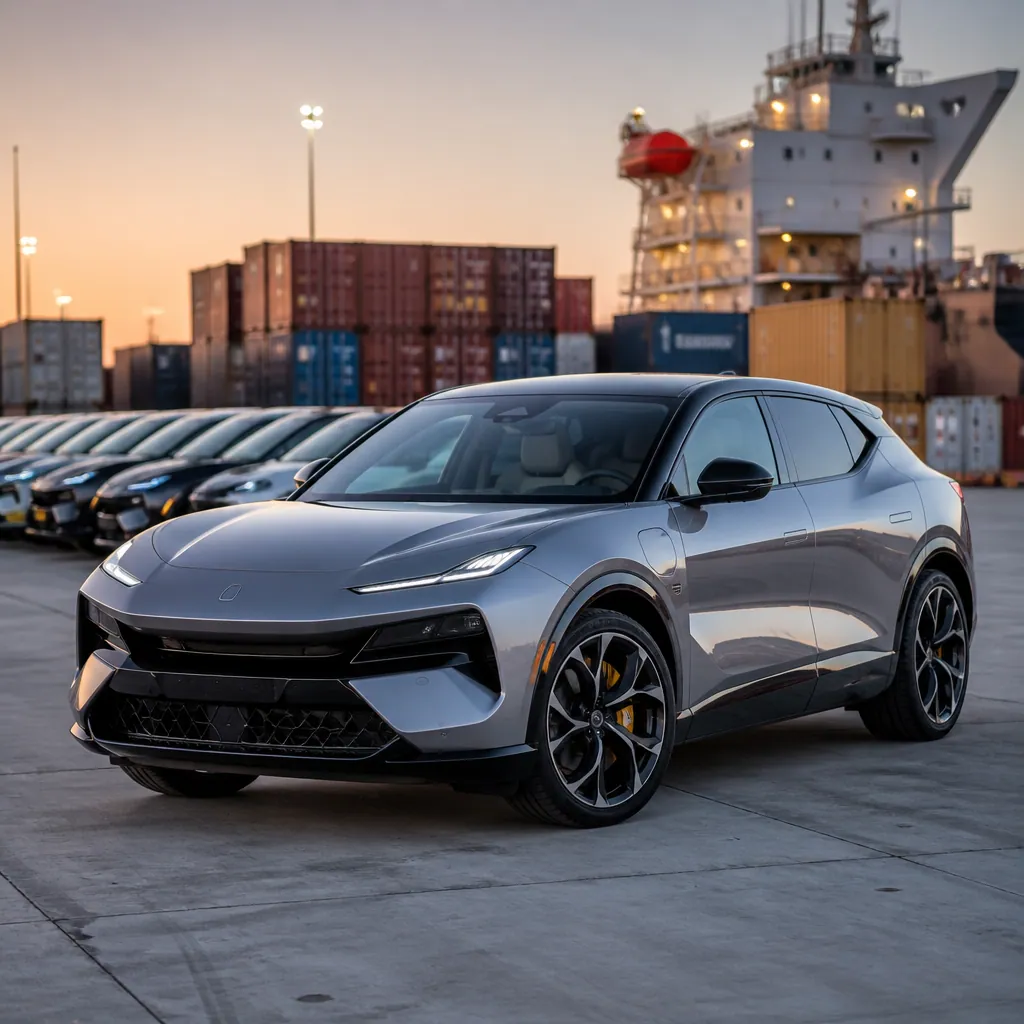


A security vehicle that looks impressive but cannot stay in service is a procurement failure. The best vehicles for security fleets are selected around the actual assignment: transporting personnel, protecting executives, patrolling large sites, supporting mobile teams, or moving equipment across demanding routes. Protection matters, but so do payload, reliability, service access, fuel availability, export documentation, and delivery timing.
For international buyers, fleet selection also begins before the vehicle reaches the port. A vehicle must be suitable for its destination market, inspected before shipment, correctly documented, and configured for the working conditions it will face. The right model is not simply the most heavily equipped unit. It is the unit that can perform consistently, be supported locally, and remain commercially viable over its full operating life.
Start With the Security Mission
Security fleets are rarely made up of one vehicle type. A corporate security provider may need discreet SUVs for executive movements, while an industrial facility may require high visibility patrol vehicles with room for communications equipment and shift gear. A government contractor may need protected transport for personnel, and a logistics operator may need dependable pickups for perimeter patrols and response teams.
Define the operating profile before comparing makes and models. Consider how many people travel in each vehicle, how much equipment is carried, the typical daily mileage, road quality, climate, and whether drivers return to a central depot each night. These details determine whether an SUV, pickup, van, armored platform, hybrid, or EV is the better commercial fit.
A fleet operating on paved urban routes has different priorities from one working around mines, ports, construction sites, or remote industrial assets. Urban assignments may favor maneuverability, low operating noise, and a professional appearance. Remote operations usually place more value on ground clearance, range, tire availability, simple maintenance, and a strong payload margin.
Best Vehicles for Security Fleets by Role
Full size and midsize SUVs
SUVs are the core vehicle class for many security operations. They provide elevated visibility, flexible seating, enclosed cargo space, and an appearance that can be either discreet or authoritative depending on specification. Midsize SUVs are often a practical choice for city patrols, executive support, and regional supervision because they balance fuel use, maneuverability, and passenger comfort.
Full size SUVs are better suited to teams carrying multiple personnel, protective equipment, communications hardware, medical kits, or additional luggage. They also offer a stronger base for protection upgrades where required. The trade off is higher acquisition cost, increased fuel consumption, and potentially more difficult access in crowded city centers or older infrastructure.
For international fleet procurement, prioritize versions with common engines, established dealer support, and parts availability in the destination country. A premium specification may be attractive, but a simpler export ready configuration can deliver better uptime when replacement parts and qualified technicians are limited.
Body on frame 4×4 SUVs and pickups
For difficult terrain and long duty cycles, body on frame SUVs and 4×4 pickups remain a dependable choice. Their construction, towing capacity, payload capability, and suitability for rough surfaces make them valuable for site security, border area operations, energy projects, and rural patrol routes.
Pickups are especially effective when the assignment requires open bed cargo capacity. They can carry barriers, cones, toolkits, spare tires, portable lighting, water, and other operational equipment without crowding the cabin. Double cab versions offer room for a small team, while canopy equipped beds improve weather protection and security for sensitive gear.
The main decision is whether the fleet truly needs four wheel drive. It adds cost, weight, and maintenance complexity. Where routes are primarily paved, a two wheel drive commercial pickup may be the more efficient asset. Where seasonal weather, loose surfaces, or steep access roads are routine, 4×4 capability is a justified operating requirement rather than a premium feature.
Armored vehicles for elevated risk assignments
Armored SUVs, sedans, and protected personnel carriers should be acquired only after a defined risk assessment. The appropriate vehicle depends on required protection levelpassenger capacity, road conditions, and legal import requirements. Armor adds significant weight, which affects braking, acceleration, suspension wear, tire selection, fuel use, and usable payload.
A properly engineered armored vehicle is more than a standard SUV with added protective materials. The chassis, suspension, wheels, braking components, and other systems must be specified to handle the final vehicle weight. Buyers should request clear build documentation, inspection records, and confirmation of the vehicle’s final configuration before export.
Discretion can be as important as visible protection. Some executive protection assignments require vehicles that blend into normal traffic, while others benefit from a larger, clearly protected platform. Procurement teams should avoid over specifying armor when the mission does not require it. Excess weight creates a long term cost in maintenance and operating range.
Vans and personnel transporters
Security vans are often overlooked in favor of SUVs, yet they can be the most efficient choice for large campuses, events, facilities management, and shift changes. They offer higher seating capacity, protected equipment storage, and space for command and control or first aid equipment. A van can reduce the number of vehicles needed for a team movement, simplifying dispatch and lowering total operating cost.
Passenger vans require careful attention to driver training, parking access, and local road restrictions. They are not the best choice for every route, particularly in tight urban environments. But for organized team transport and site based operations, they can provide strong fleet value.
Powertrain Choice: Diesel, Gas, Hybrid, or Electric
There is no universal best powertrain for a security fleet. The right choice depends on route length, refueling or charging infrastructure, payload, climate, and maintenance support.
Diesel remains practical for many heavy use pickups, 4x4s, and personnel carriers because of its torque and long distance efficiency. It is particularly relevant where fleets cover remote areas or carry substantial equipment. However, diesel emissions systems need correct maintenance practices and suitable fuel quality. Buyers should verify destination market fuel standards and workshop capability before committing to a large diesel fleet.
Gasoline vehicles can be easier to service in markets where diesel aftertreatment expertise is limited. They are often appropriate for urban SUVs, light patrol vehicles, and executive transport. Fuel costs may be higher over high annual mileage, but simplicity and local parts availability can outweigh that difference.
Hybrid and plug in hybrid vehicles are increasingly suitable for security fleets that operate predictable urban or suburban routes. Their strongest case is stop and go patrol work, airport operations, campuses, residential communities, and corporate sites. A hybrid can lower fuel consumption without depending on daily charging. A plug in hybrid makes sense when the fleet has reliable overnight charging and the vehicle can complete much of its daily duty cycle electrically.
EVs offer quiet operation, low local emissions, and reduced routine maintenance. For site patrols and fixed area operations, those advantages are meaningful. The limitation is duty cycle certainty. An EV assigned to extended shifts, high speeds, extreme heat or cold, heavy payloads, or irregular emergency travel requires conservative range planning and dependable charging access. Do not buy an EV security fleet based on official range figures alone. Procure against real route data, climate conditions, and reserve capacity requirements.
Procurement Factors That Protect Uptime
Vehicle acquisition is only one part of fleet readiness. Security operators should evaluate the support structure around each unit before issuing a purchase order. A lower purchase price can quickly lose value if spare parts take weeks to arrive or if service facilities cannot support the vehicle’s powertrain and final configuration.
Pre shipment inspection is essential for export transactions. Confirm the vehicle identification details, mileage, condition, specification, included equipment, tire condition, and any agreed protection or commercial upfit. Documentation should match the physical vehicle and destination import rules. This is particularly important for armored units, electrified vehicles, and commercial vehicles with specialized equipment.
Fleet buyers should also plan for consumables from day one. Tires, brakes, filters, batteries, fluids, and suspension components are operating items, not afterthoughts. A security vehicle may experience long idle periods, high curb weight, repeated short trips, and frequent use of auxiliary electrical equipment. These conditions can accelerate wear compared with standard private ownership.
Avoid choosing a vehicle solely by badge recognition or initial price. Compare the total cost of deployment: purchase price, shipping, duties, registration requirements, fuel or charging costs, scheduled maintenance, spare parts lead time, and expected resale value. This approach provides a more realistic basis for global fleet planning.
Build a Fleet Mix, Not a Single Vehicle Solution
The most capable fleets usually combine vehicle classes. A practical mix may include discreet SUVs for management and executive movements, pickups for mobile site teams, vans for personnel transport, and protected vehicles for assignments with defined elevated risk. This structure keeps expensive specialty assets focused on the jobs that require them.
Standardizing where possible still matters. Selecting a limited number of platforms can simplify driver familiarization, technician training, inventory of consumables, and parts sourcing. The objective is not total uniformity. It is controlled variety with a clear operational reason for each vehicle type.
Automotion Global supports international buyers seeking export ready SUVs, commercial vehicles, electrified models, and armored vehicle options with sourcing, inspection, and worldwide delivery coordination. For security procurement teams, that support helps connect vehicle selection with the practical requirements of export timing and destination readiness.
The next useful step is to turn each security assignment into a vehicle specification sheet. Once passenger count, payload, daily range, protection needs, terrain, and destination requirements are clear, the right fleet becomes easier to source and far easier to operate.