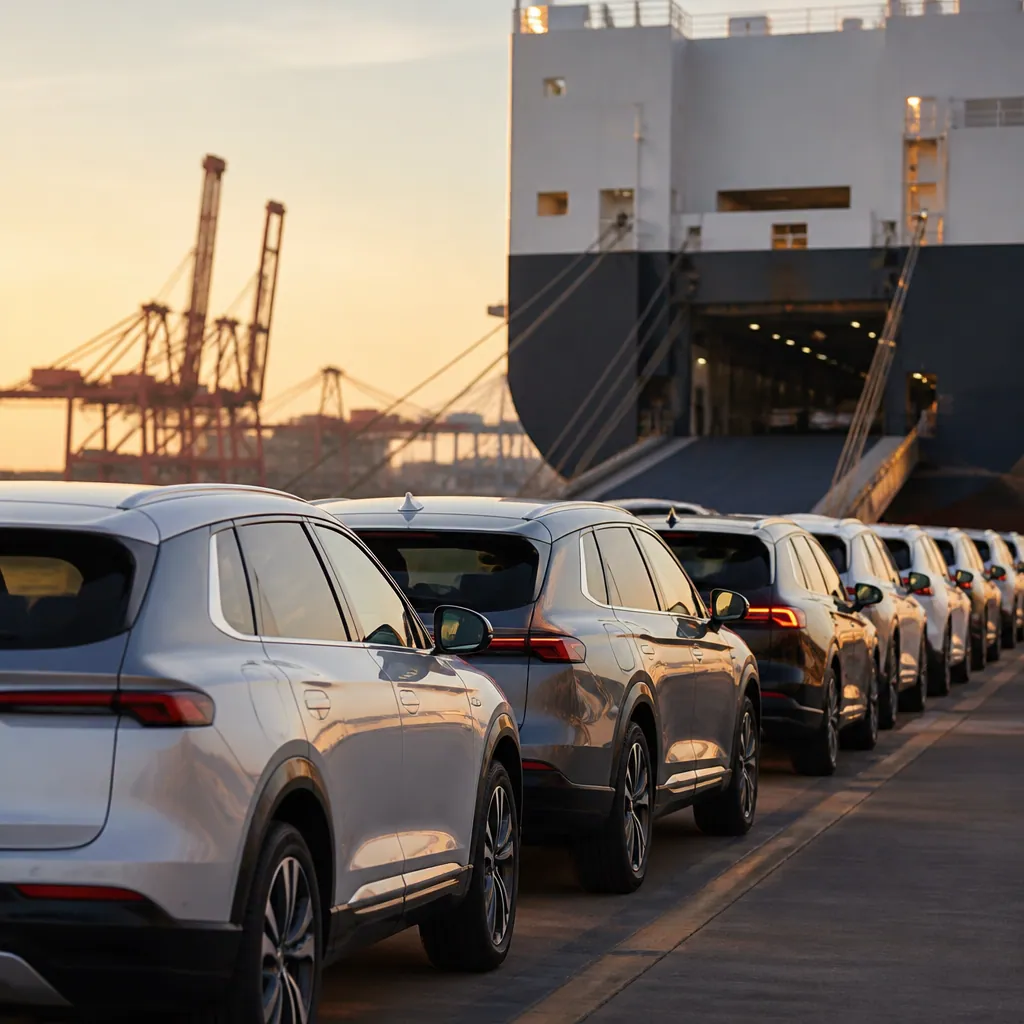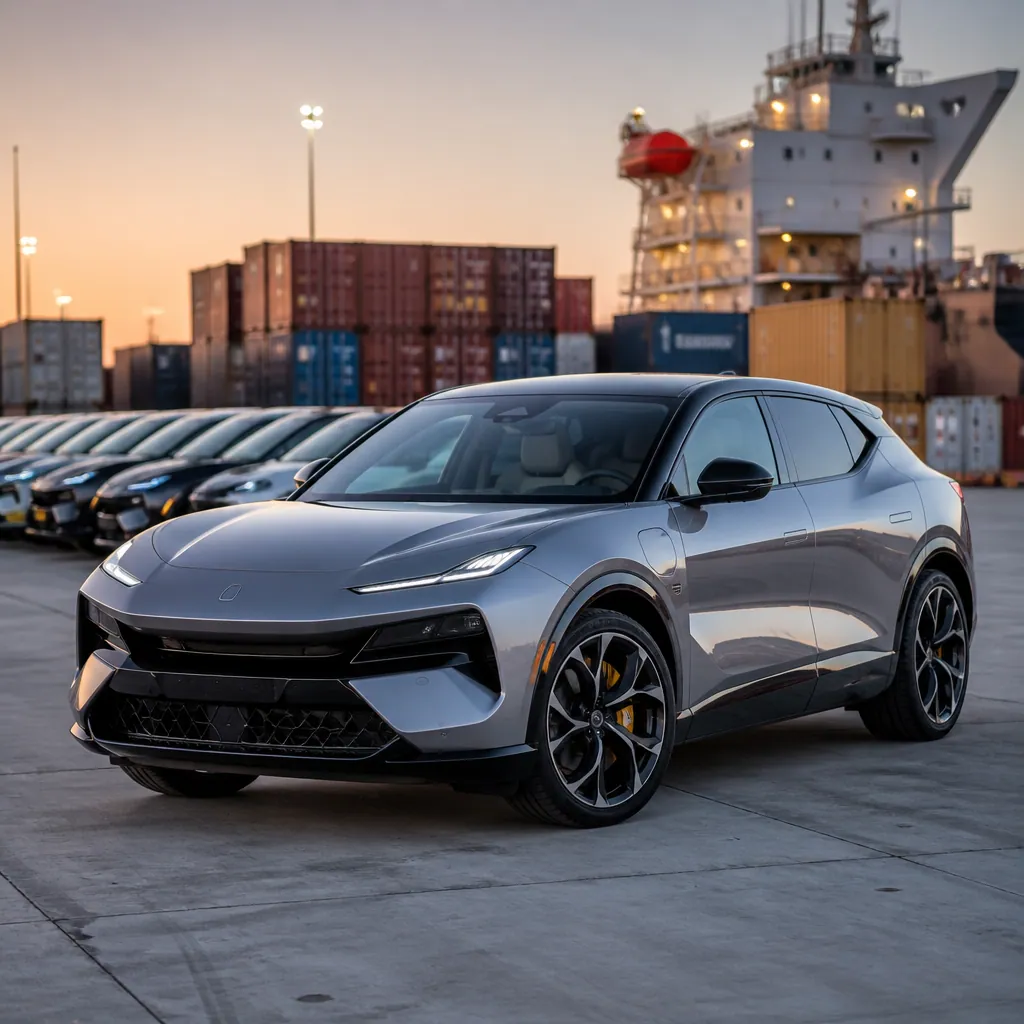


A vehicle can look profitable on a purchase sheet and still become expensive inventory once it reaches the destination market. The best cars for resellers are not simply the lowest priced units available. They are vehicles with proven demand, predictable operating costs, compliant specifications, and a clear path from supplier to customer.
For international traders, the resale decision starts before the vehicle is purchased. Market fit, trim level, powertrain, documentation, shipping costs, parts support, and buyer confidence all affect how quickly a unit turns. A strong resale vehicle creates margin through speed and reduced risk, not just through a low FOB price.
What Makes a Vehicle Profitable for Resale?
Resellers should evaluate a car as a complete commercial product. Brand recognition matters, but it is only one part of the equation. The most reliable opportunities usually combine broad consumer awareness with a specification that matches local demand.
A practical resale vehicle should have an established service network or accessible replacement parts in the destination market. It should also be easy to explain to the end buyer. A familiar model with documented equipment, clean condition reporting, and a known ownership profile is easier to market than an unusual vehicle with unclear support.
Liquidity is equally important. A model may deliver a high margin on paper, but if it takes six months to sell, tied up capital can erase the advantage. Resellers should favor vehicles that appeal to more than one buyer type, such as private customers, corporate users, ride hailing operators, or small fleets.
Export readiness must be considered at the same time. Confirm steering position, emissions requirements, homologation rules, local registration conditions, battery transport requirements for EVs, and the paperwork required at the port of destination. The correct vehicle in the wrong specification can become a costly problem.
Best Cars for Resellers by Demand Category
Japanese sedans and compact SUVs
Toyota, Honda, Nissan, Mazda, and Mitsubishi continue to offer strong resale potential in many global markets. Their appeal is straightforward: buyers recognize the brands, workshops understand them, and parts availability is generally reliable. Popular sedans and compact SUVs are especially effective where buyers prioritize fuel economy, durability, and straightforward maintenance.
For a reseller, the right trim is often more valuable than the newest model year. Automatic transmission, air conditioning suited to hot climates, practical interior materials, backup cameras, and safety equipment can materially improve buyer interest. Base trims may deliver a lower purchase price, but a poorly equipped unit can be harder to differentiate once local competitors are offering better specified stock.
Hybrid and plug in hybrid vehicles
Hybrid demand is growing because it offers a practical answer for buyers who want lower fuel consumption without depending entirely on public charging infrastructure. Toyota hybrid models remain familiar to many buyers, while newer offerings from Japanese, Korean, and Chinese manufacturers can create attractive opportunities where the pricing is right.
Plug in hybrids can be profitable in markets with buyers who value electric only commuting but need gasoline range for longer travel. However, resellers should not treat every PHEV as interchangeable. Battery condition, charging connector type, local charging habits, warranty coverage, and repair capability should be checked before committing to volume.
A PHEV is most likely to sell quickly when its customer understands the use case. It is a strong option for urban professionals, corporate fleets, and drivers with access to home or workplace charging. In areas where charging is limited and fuel prices are not a major concern, a conventional hybrid may move faster.
Electric vehicles and EREVs
EVs can offer compelling resale potential, particularly in markets where fuel cost, emissions policy, and consumer interest are driving adoption. They also give resellers access to modern models and features that may be limited or overpriced locally. For traders, the opportunity is strongest when the vehicle is matched to the destination charging environment.
Battery capacity, real world range, charging speed, connector compatibility, software language settings, and available after sales support should be treated as commercial requirements. A competitively priced EV with an unsupported charging standard is not a fast moving asset.
Extended range electric vehicles can be a practical alternative in developing EV markets. They provide electric driving characteristics while retaining an onboard generator for range confidence. This makes EREVs worth evaluating where customers are interested in electrification but remain cautious about public charging coverage.
Commercial vans, pickups, and work vehicles
Commercial vehicles often provide a more disciplined resale opportunity than passenger cars because they are purchased for revenue generation. Vans, pickups, light trucks, and people movers can be particularly attractive for logistics operators, construction companies, shuttle services, utilities, and independent business owners.
The key is to source for the actual job. Payload, cargo volume, drivetrain, fuel type, ground clearance, seating configuration, and body condition influence value more than cosmetic extras. A fleet buyer may pay a premium for a dependable diesel van with complete inspection records, while an urban delivery operator may prefer an electric commercial vehicle with lower daily operating costs.
Commercial resellers should also look beyond single unit margins. A buyer who receives the right vehicle, on schedule, with clear export documentation may return for multiple units. Repeat fleet business is often more valuable than maximizing profit on one transaction.
Premium SUVs and specialized vehicles
Premium SUVs can perform well in markets where customers value status, comfort, and road presence. They require more careful sourcing because maintenance expectations, local taxes, fuel costs, and parts pricing can limit the buyer pool. The best candidates are well known models in popular colors and specifications, with transparent service history and no unresolved warning lights or condition concerns.
Specialized inventory, including armored vehiclescan create high value opportunities for security focused procurement. These sales are less about broad retail demand and more about verified protection levels, technical documentation, discreet logistics, and dependable delivery coordination. The buyer pool is smaller, but the transaction value and repeat procurement potential can be significant.
Choose Specification Before You Choose the Model
A common reseller mistake is purchasing by badge alone. The same model can perform very differently depending on engine, trim, drivetrain, and regional specification. For example, a two wheel drive SUV may be ideal for a dense city market, while buyers in mountainous or rural regions may require all wheel drive. A gasoline engine may be easier to support in one market, while a diesel or hybrid is more desirable in another.
Color also affects retail speed. White, black, silver, and gray generally offer the widest buyer appeal for both passenger and commercial vehicles. Highly specific colors, unusual interiors, or heavily modified units can be profitable only when there is a known buyer for them.
Technology should be reviewed with the destination in mind. Navigation systems, radio frequencies, connected services, digital clusters, and driver assistance features may be region specific. Confirm that the buyer will receive a usable vehicle, not merely an attractive specification sheet.
Control the Risks That Reduce Margin
Resale success depends on controlling the costs that are easiest to overlook. Shipping, marine insuranceport handling, import duty, storage, inspection, repair work, currency movement, and local registration requirements can all change the final margin. Build these items into the acquisition decision rather than estimating them after the vehicle is already in transit.
Condition verification is especially important for cross border transactions. Request clear vehicle details, documented mileage inspection findingscomplete photographs, and confirmation of included keys, charging equipment, or accessories. For EVs and hybrids, battery health and charging performance deserve specific attention.
Resellers should also avoid overconcentrating on one model or powertrain. Demand can shift quickly due to fuel prices, regulations, financing availability, or a competitor releasing aggressive inventory. A balanced stock plan may include dependable combustion vehicles, efficient hybrids, selected EVs, and commercial units aligned with active buyer inquiries.
Build a Faster Resale Pipeline
The best inventory decisions are connected to a defined sales channel. Before sourcing, identify who will buy the vehicle, what price range they accept, how soon they need delivery, and which features influence their purchase. This turns sourcing from speculation into planned procurement.
For example, a reseller serving urban retail buyers may focus on compact hybrids and affordable crossovers. A trader supplying corporate clients may prioritize premium sedans, EVs, and executive SUVs. A fleet focused operation may secure repeat demand with vans, pickups, and practical people movers. Each requires different stock, documentation, and delivery planning.
Automotion Global supports this approach with export ready inventory, sourcing options, pre shipment inspection coordination, and international shipping support. For resellers, operational reliability helps protect the margin after the purchase decision has been made.
The strongest resale vehicle is the one your market already understands, can service, can finance, and is ready to buy. Source to that demand, verify every commercial detail before shipment, and let stock rotation build the next opportunity.