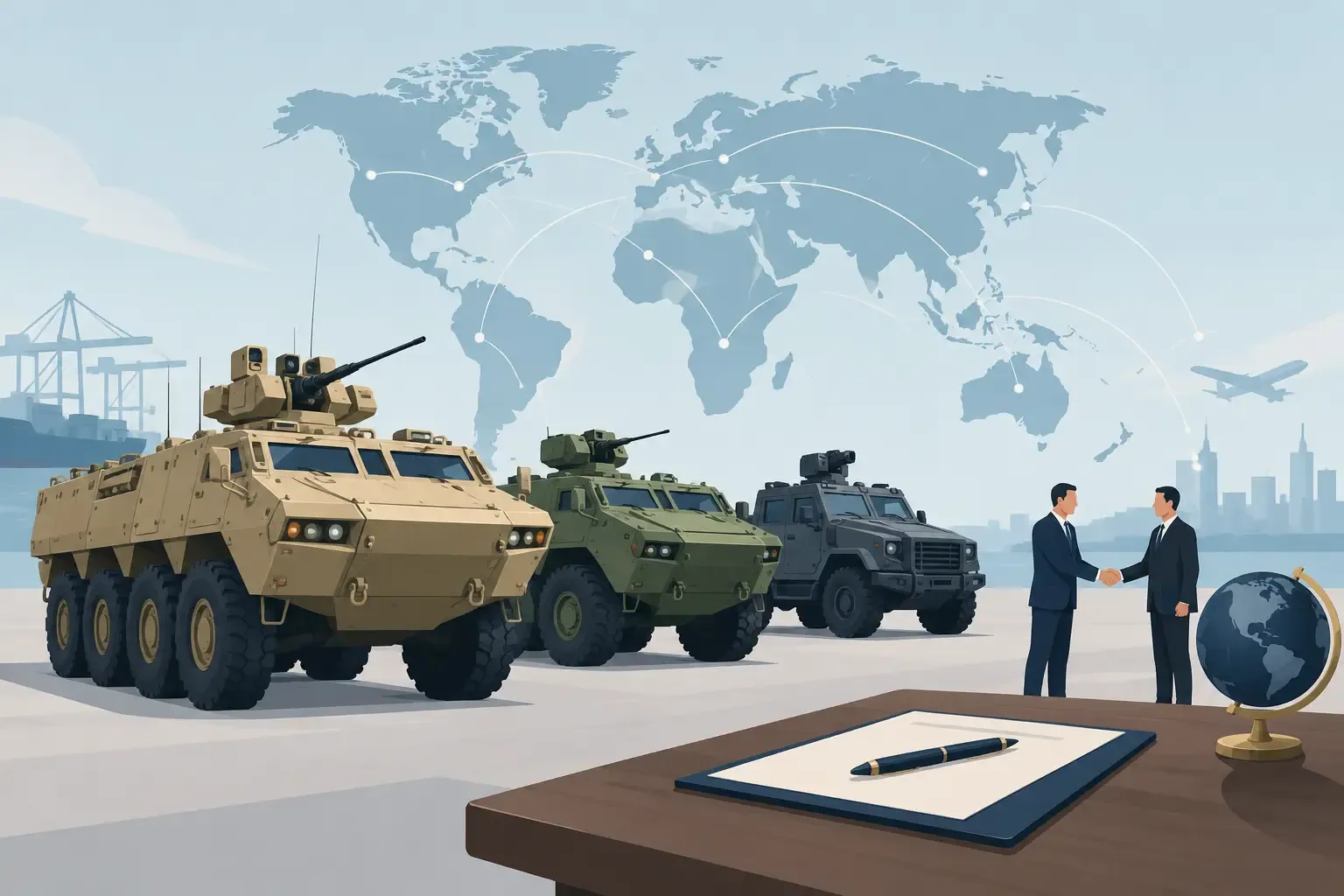
A procurement error on an armored vehicle is rarely visible in the quotation. It appears later, when the stated protection level does not match the actual threat, when payload is exceeded after conversion, or when export paperwork delays delivery at the port. This armored vehicle procurement guide is designed for buyers who need a vehicle that is protection ready, commercially viable, and prepared for cross border delivery.
Armored vehicle purchasing is not simply a matter of selecting a luxury SUV or commercial platform and adding protection. The base vehicle, ballistic materials, glass system, suspension, tires, communications requirements, destination regulations, and shipping plan all affect the final result. A disciplined procurement process protects both the people using the vehicle and the capital invested in it.
Start With the Operating Requirement
The correct armored vehicle begins with the mission, not the badge or model year. A private buyer may prioritize discreet daily use and rear passenger comfort. A security team may require several matching units, predictable service intervals, and space for communications equipment. A commercial operator may need protected transport with higher payload capacity and easy access to replacement parts in the destination market.
Define who will use the vehicle, how many occupants it will carry, where it will operate, and how often it will travel. Urban executive transport, long distance road travel, high risk convoy support, and protected commercial movement place different demands on the platform.
Threat definition should be equally specific. Procurement teams should identify whether they require protection against handgun fire, rifle threats, blast exposure, forced entry, or a combination of risks. Avoid asking for a vehicle that is simply described as “bulletproof.” That term does not identify a test standard, armor configuration, or level of protection.
Verify Protection Levels and Conversion Scope
A credible supplier should provide a clear description of the protection package, including the ballistic standard used, protected areas, glass specification, and any exclusions. Buyers should request documentation showing how the vehicle was configured and tested or certified. Standards can vary by market and manufacturer, so the practical question is not which label appears in the offer, but what threats the completed vehicle is designed to resist.
The conversion scope should address more than doors and windows. A properly integrated armored vehicle may include reinforced passenger compartments, protected pillars, overlap systems around openings, armored firewall sections, run flat inserts, upgraded hinges, and protected fuel components. The exact configuration depends on the required level and vehicle architecture.
Understand the Weight Trade Off
Armor adds substantial weight. That weight changes braking distance, acceleration, suspension wear, tire loading, fuel consumption, and handling. A larger protection package is not automatically the right choice if it leaves the vehicle underpowered or difficult to maintain in its operating environment.
Ask for the gross vehicle weight rating, estimated curb weight after conversion, remaining payload, axle loads, and tire specifications. These figures matter especially when passengers, luggage, medical equipment, communications gear, or other cargo will be carried regularly. The best procurement decision balances protection with usable performance.
Choose a Serviceable Base Platform
A widely supported platform can reduce operating risk after delivery. Consider local availability of engine parts, brake components, filters, electronics support, and qualified workshops. For fleet buyers, standardizing on one or two vehicle platforms can simplify driver training, maintenance planning, and spare parts stocking.
Luxury SUVs are often selected for discreet executive transport, while full size SUVs and commercial platforms may offer better space, payload, and duty cycle capability. The right answer depends on the route, operating conditions, passenger profile, and desired visibility. In some markets, a low profile vehicle is more appropriate than an overtly security focused unit.
Build a Complete Commercial Specification
An armored vehicle quotation should be detailed enough to compare offers fairly. Price alone is not a useful comparison if one offer includes certified protection, upgraded braking components, and export preparation while another includes only a basic conversion description.
Your specification should confirm the base vehicle model, model year, mileage where applicable, engine and drivetrain, armor level, glass thickness or rating, wheel and tire package, interior changes, optional security equipment, paint and trim, warranty terms, and lead time. It should also identify whether the vehicle is available from stock, in production, or subject to sourcing.
For international procurement, clarify the Incoterm and the point at which responsibility transfers. FOB pricing, for example, does not include the same services as a delivered duty arrangement. Buyers should know whether inland transport, port handling, export customs clearance, marine insurance, freight, destination fees, and local import duties are included or separately quoted.
Currency terms matter as well. Confirm the invoice currency, deposit requirements, balance payment milestone, bank charges, and the validity period of the quotation. High value vehicle transactions require a documented payment path and clear release conditions before shipment.
Inspect Before Shipment, Not After Arrival
Pre shipment inspection is one of the most effective controls in armored vehicle procurement. It gives the buyer an opportunity to verify that the delivered unit matches the approved specification before it enters the export chain.
The inspection should cover the vehicle identification number, odometer reading, exterior condition, interior equipment, tire date codes, warning lights, fluid levels, charging or fuel status, and included accessories. For armored units, it should also review visible conversion quality, door operation, window function, panel alignment, run flat installation, and any agreed security features.
Documentation should be checked at the same time. Ensure the commercial invoice, packing information where required, export declaration, title or ownership documents, certificate of origin if needed, and shipping instructions match the buyer and destination requirements. A mismatch between the VIN, consignee details, or vehicle description can create avoidable clearance delays.
Photographs, videos, and a written inspection report create a practical handover record. For fleet or security procurements, buyers may also appoint an independent inspector or technical representative to witness the process.
Plan Export Compliance and Destination Entry Early
Armored vehicles can be subject to additional import controls, registration rules, or end user requirements depending on the country of destination. Buyers should confirm these requirements before committing to a vehicle or arranging payment.
Check the destination market’s rules on vehicle age, steering configuration, emissions, safety standards, title format, and armored conversion approval. Some countries require specific approvals for security equipment or protected vehicles. Others apply duties and taxes based on engine size, vehicle value, or manufacturing origin.
The export side also deserves attention. The seller must be able to prepare the correct ownership and export documentation, while the buyer or appointed clearing agent must be ready to receive the vehicle at destination. If the route involves transshipment, confirm that the carrier and port can accommodate the vehicle dimensions, weight, and security handling requirements.
Select Shipping Around Vehicle Value and Delivery Risk
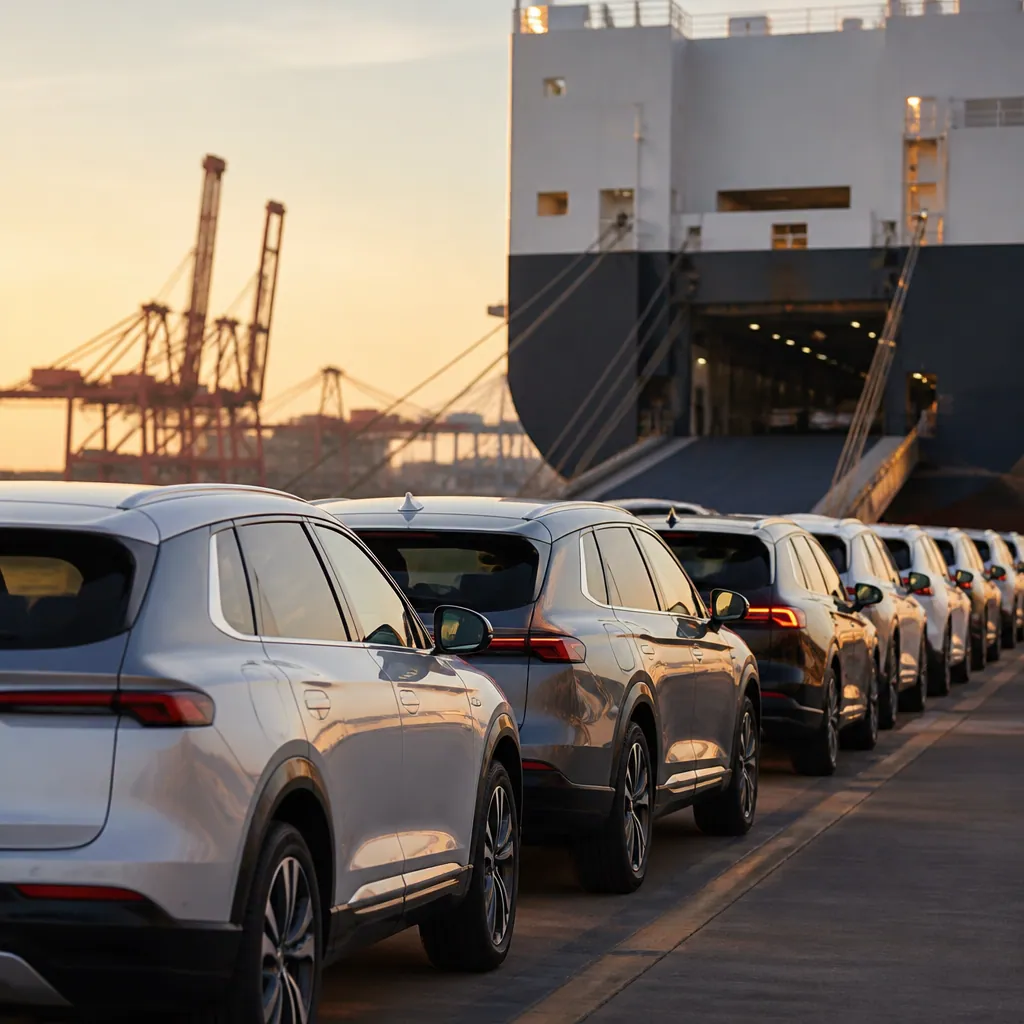
Container shipping provides greater enclosure and may be preferred for high value armored vehicles, especially where weather exposure, handling risk, or additional equipment must be managed carefully. Roll on/roll off shipping can be efficient for eligible vehicles and routes, but buyers should understand port handling procedures and insurance coverage before selecting it.
Confirm the collection location, port of loading, estimated sailing schedule, transit time, destination port, and document release process. Marine cargo insurance should reflect the actual insured value and coverage conditions. A low freight quote is not necessarily the best commercial option if it creates gaps in handling, tracking, or claims support.
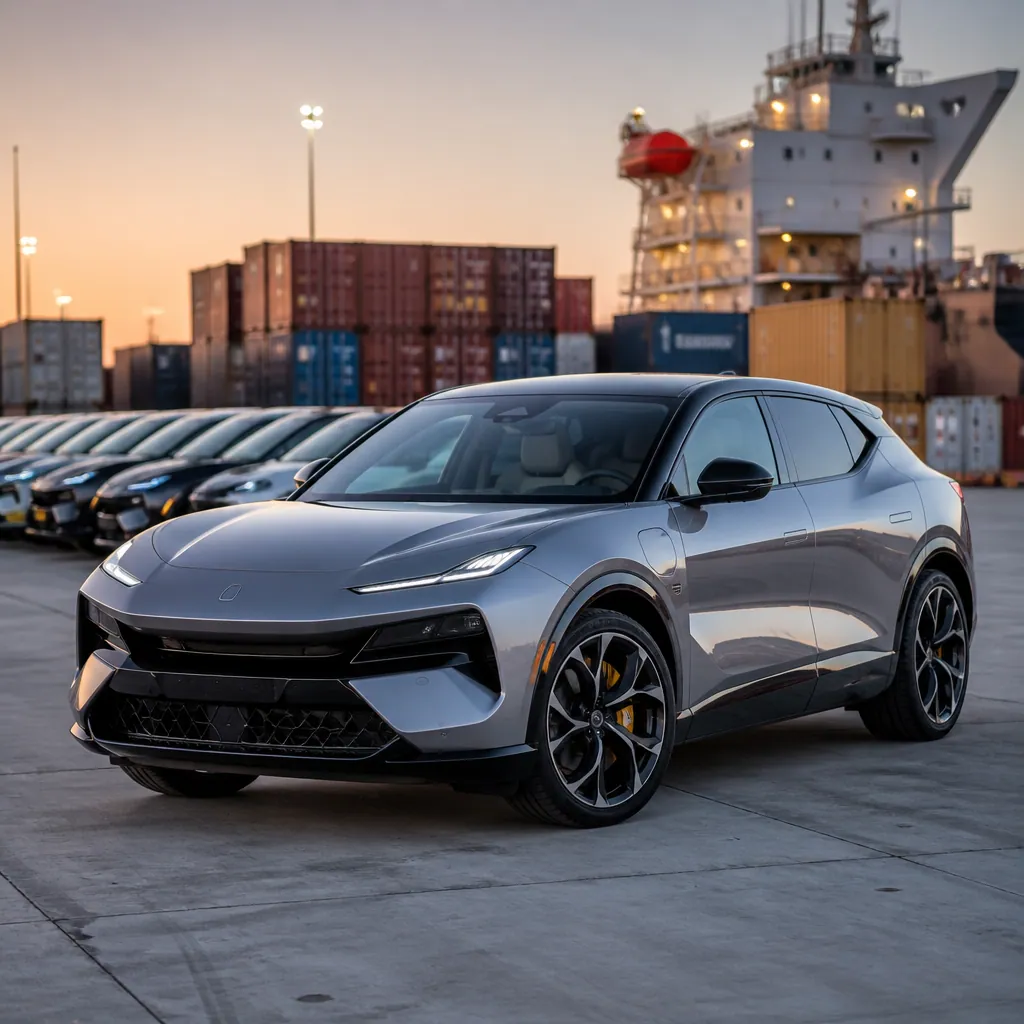
For ready to deliver inventoryspeed comes from coordination. The vehicle condition, payment release, inspection approval, export documents, booking confirmation, and port cutoff must align. A supplier with active export experience can prevent these stages from becoming separate problems managed by the buyer.
Use a Procurement Checklist Before You Approve
Before issuing a purchase order or deposit, confirm these four areas are complete:
- The mission, threat level, passenger capacity, operating routes, and service expectations are documented.
- The vehicle specification identifies the base platform, armor package, weight data, equipment, price terms, and delivery timeline.
- Inspection requirements and supporting documents are agreed before payment release and shipment booking.
- Import eligibility, shipping method, insurance, consignee details, and destination clearance responsibilities are confirmed.
A clear approval file makes it easier to compare suppliers, brief internal stakeholders, and manage future replacement orders. It also prevents late stage changes that can affect vehicle cost, lead time, or compliance.
For buyers sourcing across borders, the strongest purchase is the one that arrives with its protection specification verified, documents aligned, and delivery route already planned. Automotion Global supports that procurement discipline by coordinating export ready vehicle sourcinginspection, and international shipping around the requirements of the final market.