
If you are sourcing Zeekr vehicles from China for resale or fleet deployment outside the country, the choice between the Zeekr 9X and the Zeekr 7X is not a matter of which is “better.” It is a matter of which fits your market’s infrastructure, customer expectations, and regulatory environment. These are fundamentally different vehicles built on different platforms, aimed at different buyers, and carrying very different freight and landed cost implications. Getting this choice wrong wastes months of import lead time. This guide gives you the specific comparison you need to make the right sourcing decision, whether you are handling a Zeekr 9X export order, building a fleet, or assessing demand across the Middle East, Africa, or Asia.
Quick Takeaways
| Key Insight | Explanation |
|---|---|
| The 7X is a pure BEV, the 9X is a PHEV/EREV | The Zeekr 7X runs entirely on electricity. The Zeekr 9X uses a 2.0L turbocharged engine alongside large electric motors, making it viable in markets without dense charging infrastructure. |
| The 9X is significantly larger and heavier | At 5,239 mm long and up to 3,095 kg, the 9X sits in full size luxury SUV territory. The 7X is a mid size crossover at 4,825 mm and under 2,475 kg, with meaningfully lower freight and import duties in most markets. |
| 9X delivers up to 1,250 km of combined range | With its petrol engine acting as a range extender, the 9X offers a combined CLTC range of up to 1,250 km, removing range anxiety as a sales objection in markets with limited charging. |
| 7X charges from 10 to 80% in around 10.5 minutes | The 7X supports 5.5C ultra fast DC charging on its 800V architecture, which is a strong selling point in markets with growing fast charge networks. |
| The 9X attracted 40,000 domestic orders in its first hour on sale | Demand validation from the Chinese home market is strong for the 9X, signaling proven product market fit for the luxury SUV segment internationally. |
| Price gap is significant and affects target buyer profile | The 9X launched in China at approximately 455,900 to 589,900 yuan. The 7X sits in a lower tier, starting around 229,900 yuan in China, making each vehicle relevant to a different buyer segment. |
| The 7X has no PHEV variant planned | Zeekr has confirmed it has no plans to add a hybrid powertrain to the 7X, meaning it will remain a pure EV. Markets with underdeveloped charging infrastructure should factor this in before committing to 7X inventory. |
Zeekr Brand Context: Why These Two Models Matter for Export
Zeekr is Geely’s premium electric and hybrid sub brand, positioned above mainstream Chinese marques and aimed directly at buyers who would otherwise consider European luxury alternatives. The brand first built its reputation on pure BEV technology, with models like the 001 and the X setting benchmarks for Chinese EV performance and software refinement.
The 7X and the 9X represent two different strategic directions within the same brand. The 7X, launched in September 2024, is the brand’s first dedicated mid size electric SUV and its primary volume driver in global markets. The 9X, revealed at Auto Shanghai 2025 and launched for sale in September 2025, is Zeekr’s flagship and its first plug in hybrid model, marking a deliberate strategic pivot to address markets where pure EV infrastructure is still catching up.
For international dealers and distributors, this distinction matters enormously. Selecting the wrong model for your market is not just a missed sales opportunity. It creates aftersales problems, customer dissatisfaction, and inventory that moves slowly. Understanding where each vehicle fits requires looking at both specs and the practical realities of the markets you serve.
Pro tip: When presenting Zeekr vehicles to your buyer base, lead with the powertrain type before the brand name. Many buyers in emerging markets have not yet formed a Zeekr brand opinion, but they have firm views on whether they want a fully electric vehicle or one with a petrol backup. Let the powertrain open the conversation.
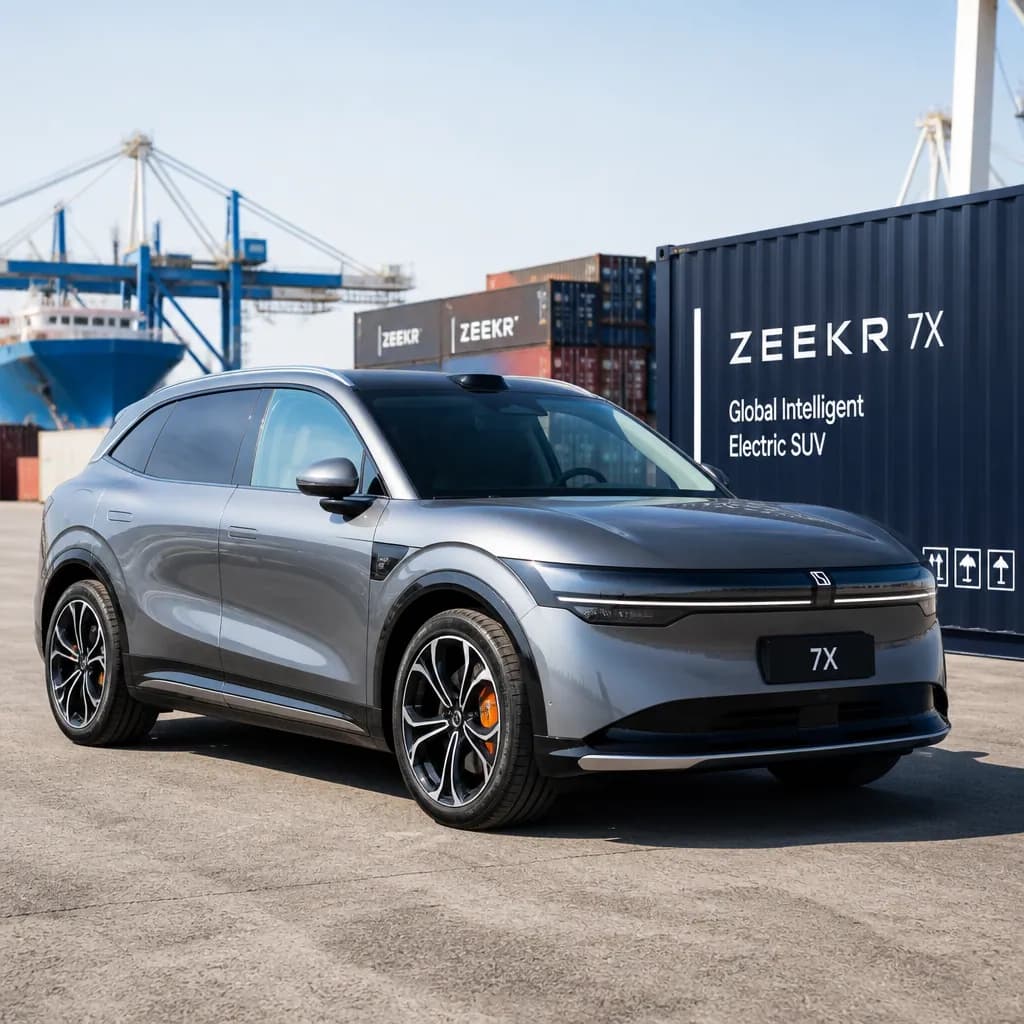
Zeekr 7X: Full Electric Mid Size SUV Specs and Export Profile
Platform and Dimensions
The Zeekr 7X is built on the PMA2+ platform, derived from Geely’s Sustainable Experience Architecture. It measures 4,825 mm long, 1,930 mm wide, and 1,666 mm tall, with a wheelbase of 2,925 mm and a kerb weight ranging from 2,280 to 2,475 kg depending on variant. These dimensions place it firmly in the D-segment globally, competing with vehicles like the Tesla Model Y in the premium mid size crossover space.
It is a five seater with rear wheel drive or dual motor all wheel drive configurations. The RWD base variant produces 310 kW (416 hp), while the top spec AWD version outputs up to 585 kW (784 hp) with a 0 to 100 km/h time of 3.8 seconds.
Battery, Range, and Charging
Depending on trim, the 7X uses a 75 kWh LFP battery or a 100/103 kWh NMC Qilin battery from CATL. CLTC electric range spans from 605 km on the base trim to up to 802 km on the long range variants. The 7X is built on an 800V electrical architecture, and it supports 5.5C ultra fast DC charging, enabling a 10% to 80% charge in approximately 10.5 minutes.
For export markets with newer charging infrastructure, this charging capability is a genuine competitive differentiator. In practice, fleet operators and high mileage users who deploy vehicles near fast chargers will see the 7X’s charging speed as a core operational advantage.
Key Export Positioning
The 7X’s launch traction in China was exceptional. Within 20 days of pre sales opening at the August 2024 Chengdu Auto Show, 58,429 orders were placed. Global deliveries were planned from 2025 onward, and the model is already assembled in Malaysia (at Tanjong Malim) in addition to Ningbo, China, which has implications for regional import duties in some Southeast Asian markets.
The 7X is not just another electric crossover from China. Its 800V architecture and sub-11-minute 10 to 80% charge time set a hardware benchmark that most competitors in its class, regardless of origin, have not yet matched.
Zeekr 9X: Flagship PHEV SUV Specs and Export Profile
Platform, Size, and Seating
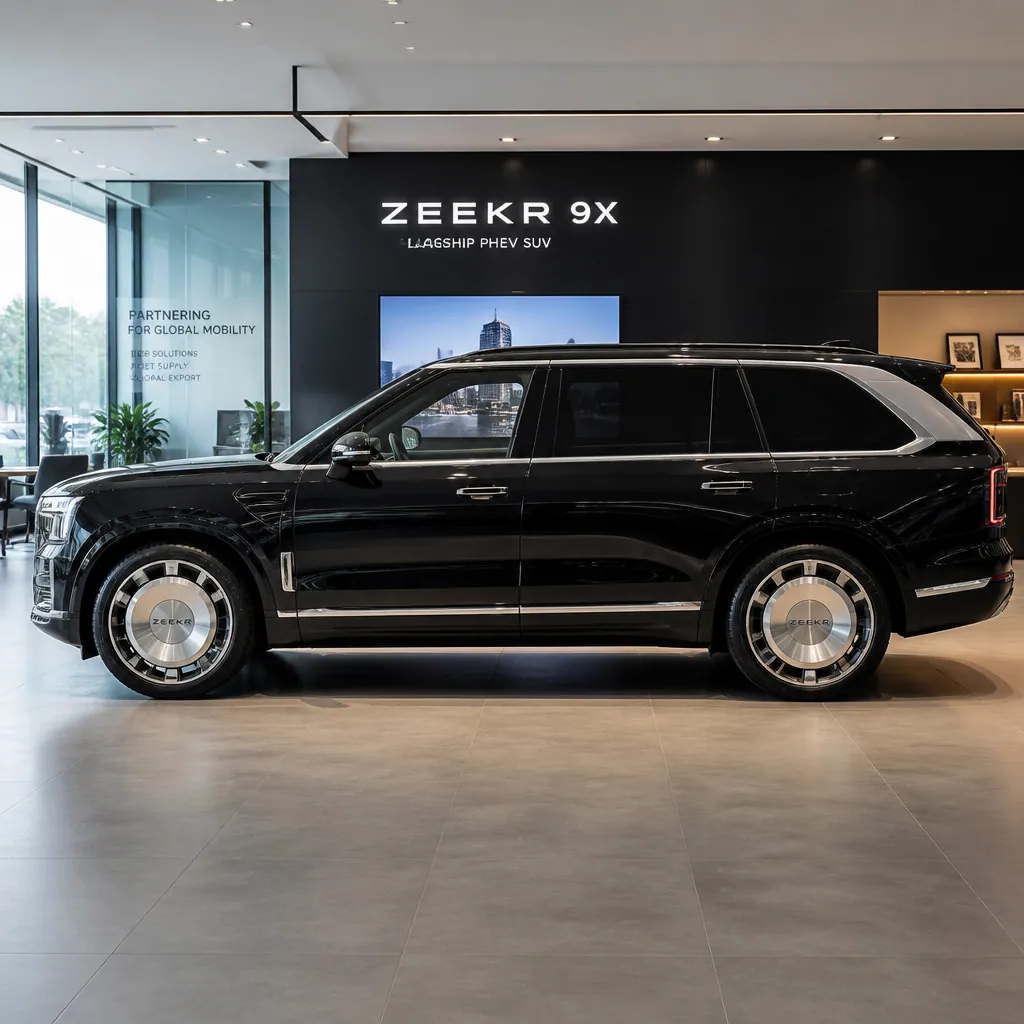
The Zeekr 9X sits on the SEA-R (Haohan-S) modular architecture and is a full size, three row luxury SUV. At 5,239 mm long, 2,029 mm wide, and 1,819 mm tall with a 3,169 mm wheelbase, it occupies the same physical footprint as a Mercedes Benz GLS. It is available with six seats. Curb weight runs from 2,840 to 3,095 kg.
The 9X uses a 2.0-litre turbocharged petrol engine as a range extender alongside two or three permanent magnet synchronous electric motors in an EREV configuration. Total system output ranges from 660 kW (885 hp) on the entry variant to 1,030 kW (1,380 hp) on the top spec version. The 0 to 100 km/h sprint takes as little as 3.1 seconds.
Battery, Range, and Charging
The 9X is offered with either a 55.1 kWh or 70 kWh CATL Freevoy NMC battery operating on a 900V architecture. Pure electric CLTC range is quoted at 220 to 380 km depending on battery and configuration. Combined range (CLTC), including the petrol engine operating as a generator, reaches up to 1,250 km. The 9X supports 500 kW DC fast charging, as well as V2L at 6 kW AC and V2V at 60 kW DC.
The launch price in China was set at 455,900 to 589,900 yuan, positioning it well below comparable European full size luxury SUVs at equivalent specification. The 9X launched with 40,000 domestic orders in its first hour on sale, which is a strong early signal for international distributors assessing genuine demand.
Technology and Luxury Features
The 9X is the first Zeekr model to use the ZEEA 3.0 electronics architecture and is equipped with dual NVIDIA DRIVE Thor-U chips for its driver assistance system. It uses dual chamber air suspension with dual valve continuous damping control. The exterior design team was based in Gothenburg, and the vehicle incorporates design influences from the European luxury segment, including a Star Diamond Matrix Lighting System with 1.3 million pixels of projection headlight capability. The 9X carries up to five LiDAR sensors.
Head to Head Comparison: 9X vs. 7X for International Markets
| Specification / Factor | Zeekr 7X (BEV Mid Size SUV) | Zeekr 9X (PHEV/EREV Full Size SUV) |
|---|---|---|
| Powertrain Type | Battery Electric Vehicle (BEV) | Plug In Hybrid / EREV (electric primary + petrol range extender) |
| Body Class | Mid size crossover SUV (D-segment) | Full size luxury SUV (3 rows, 6 seats) |
| Length / Wheelbase | 4,825 mm / 2,925 mm | 5,239 mm / 3,169 mm |
| Kerb Weight | 2,280 to 2,475 kg | 2,840 to 3,095 kg |
| Peak Power Output | Up to 585 kW (784 hp) | Up to 1,030 kW (1,380 hp) |
| Pure Electric Range (CLTC) | 605 to 802 km | 220 to 380 km |
| Combined Range (CLTC) | 605 to 802 km (no ICE) | Up to 1,250 km |
| Battery Capacity | 75 kWh LFP or 100/103 kWh NMC | 55.1 kWh or 70 kWh NMC (900V) |
| Fast Charging Speed | 5.5C / 10 to 80% in about 10.5 min | Up to 500 kW DC |
| China Launch Price (approx.) | From approx. 229,900 yuan | From approx. 455,900 yuan |
| Seating | 5 seats | 6 seats (3 rows) |
| Charging Infrastructure Dependency | High (BEV only) | Low (petrol fallback available) |
| Target Buyer Segment | Premium urban family / performance EV buyer | Ultra luxury family, executive, VIP transport |
Market Fit Analysis: Which Vehicle Belongs in Which Market
The 7X Works Best Where EV Infrastructure Is Established or Growing
The Zeekr 7X is the right vehicle for markets where fast charging networks are being actively built out. Gulf Cooperation Council cities, major Southeast Asian metros, and urban centers in North Africa are investing in EV infrastructure. In these locations, the 7X’s 10.5-minute rapid charge capability is not just a spec sheet number. It becomes a practical selling point that reduces buyer hesitation.
The 7X also has a lower landed cost profile due to its smaller footprint and lower gross weight. In markets where import duties are assessed on vehicle weight, displacement, or CIF value, this translates directly into a more competitive retail price. For dealers building volume in competitive urban segments, the 7X is a stronger unit economics play.
The 9X Is Built for Markets With Luxury Demand and Infrastructure Gaps
The Zeekr 9X targets a completely different buyer, and it solves a completely different problem. In markets across the Gulf, sub Saharan Africa, and parts of Southeast Asia where long intercity distances are common and fast charger coverage remains patchy outside major cities, a combined range of up to 1,250 km eliminates the primary adoption barrier for premium EV buyers.
The 9X is also a six seat, three row vehicle competing against established European full size SUVs. In markets where the seven seat or six seat full size luxury SUV is a status vehicle, the 9X arrives with comparable presence and specification at a significantly lower price point than its European rivals. That price gap is a genuine commercial opportunity for distributors targeting high net worth buyers who are open to Chinese premium brands but have traditionally bought European.
Pro tip: In markets where your high end buyers are comparing the 9X against a European full size luxury SUV, use the per kilometer running cost comparison to anchor the conversation. The 9X’s ability to cover most daily driving on electricity alone, despite having a petrol backup for longer runs, often delivers dramatically lower fuel spend per month. This is a concrete number you can put in front of a buyer rather than a vague “eco” argument.
Fleet Operators Have a Clear Choice
For corporate fleet and VIP transport operators, the 9X makes sense as an executive shuttle or high end chauffeur vehicle where clients expect space, refinement, and range without compromise. The 7X fits better as a premium fleet commuter vehicle for urban routes where charging is managed at depot level overnight and fast public charging covers gaps during the day.
Export Logistics, Costs, and Regulatory Considerations
Weight, Dimensions, and Freight Implications
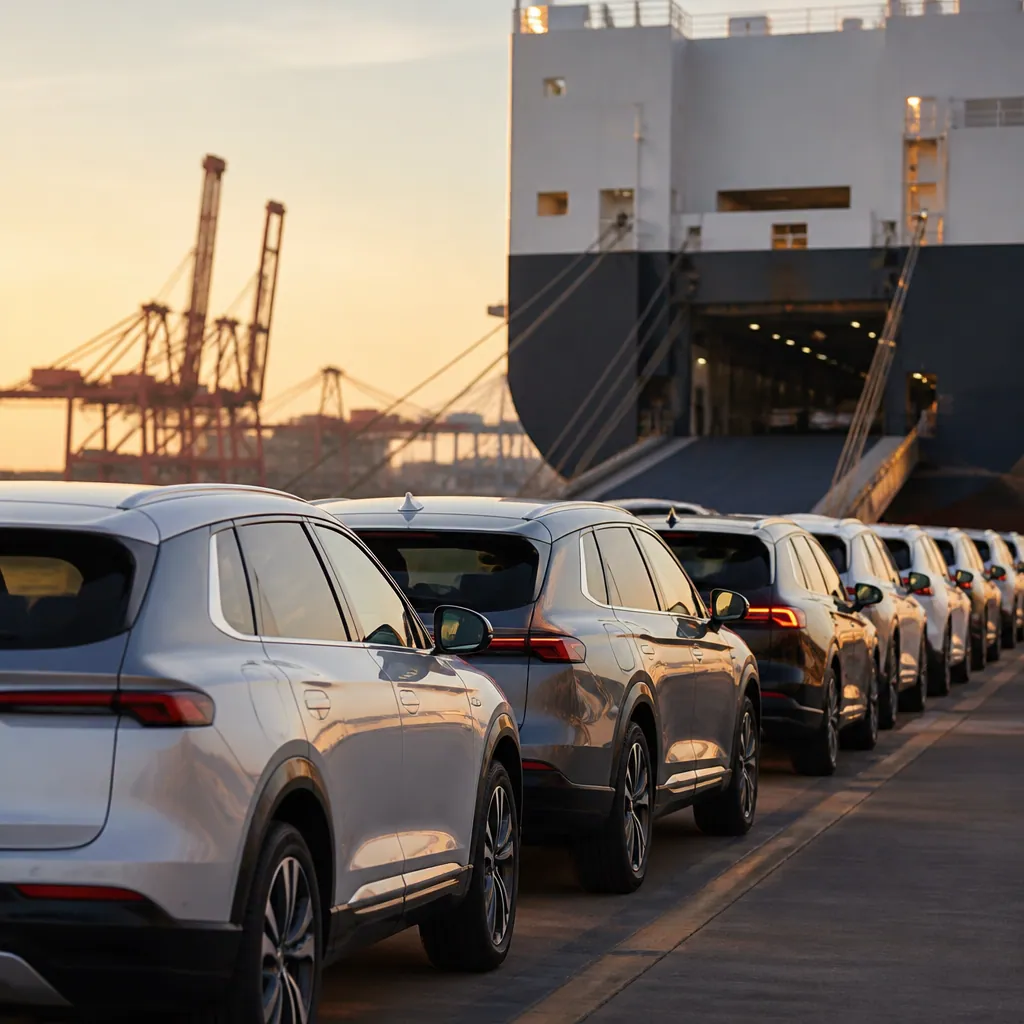
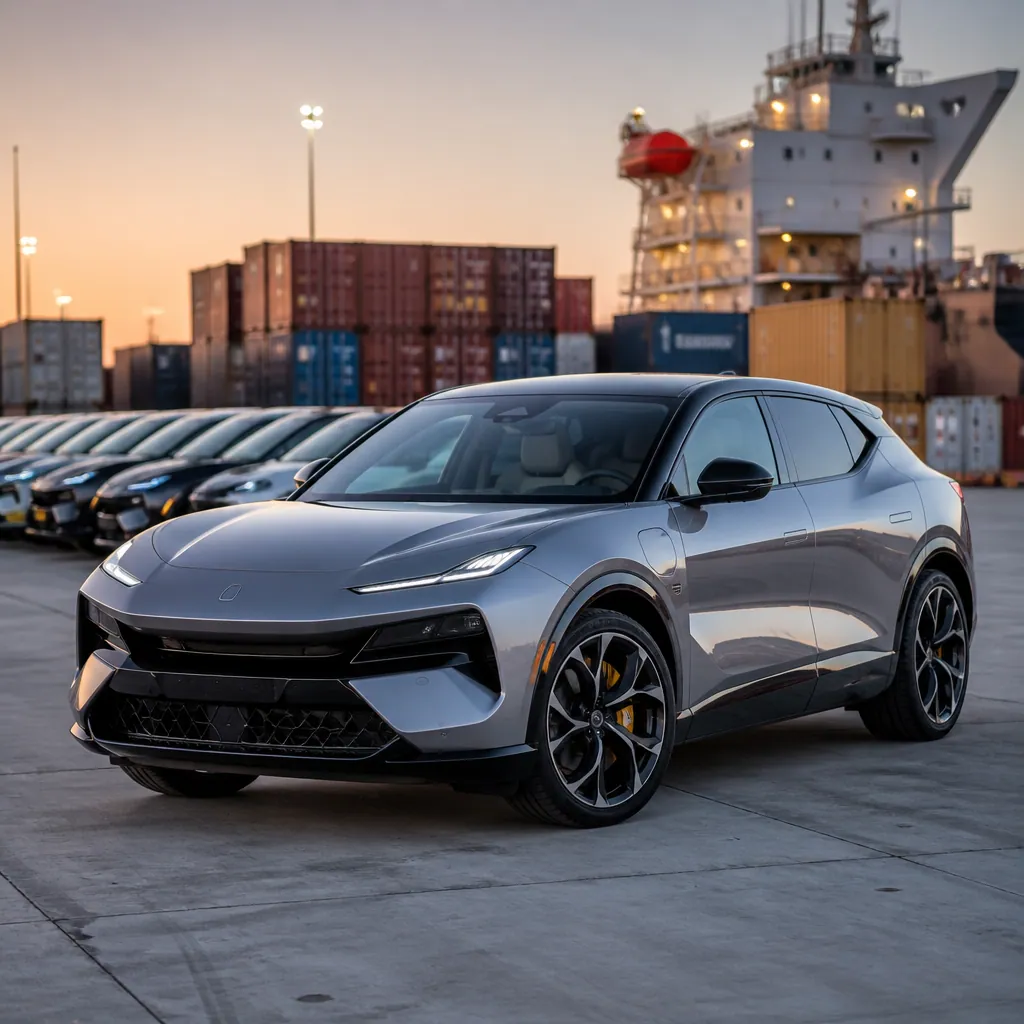
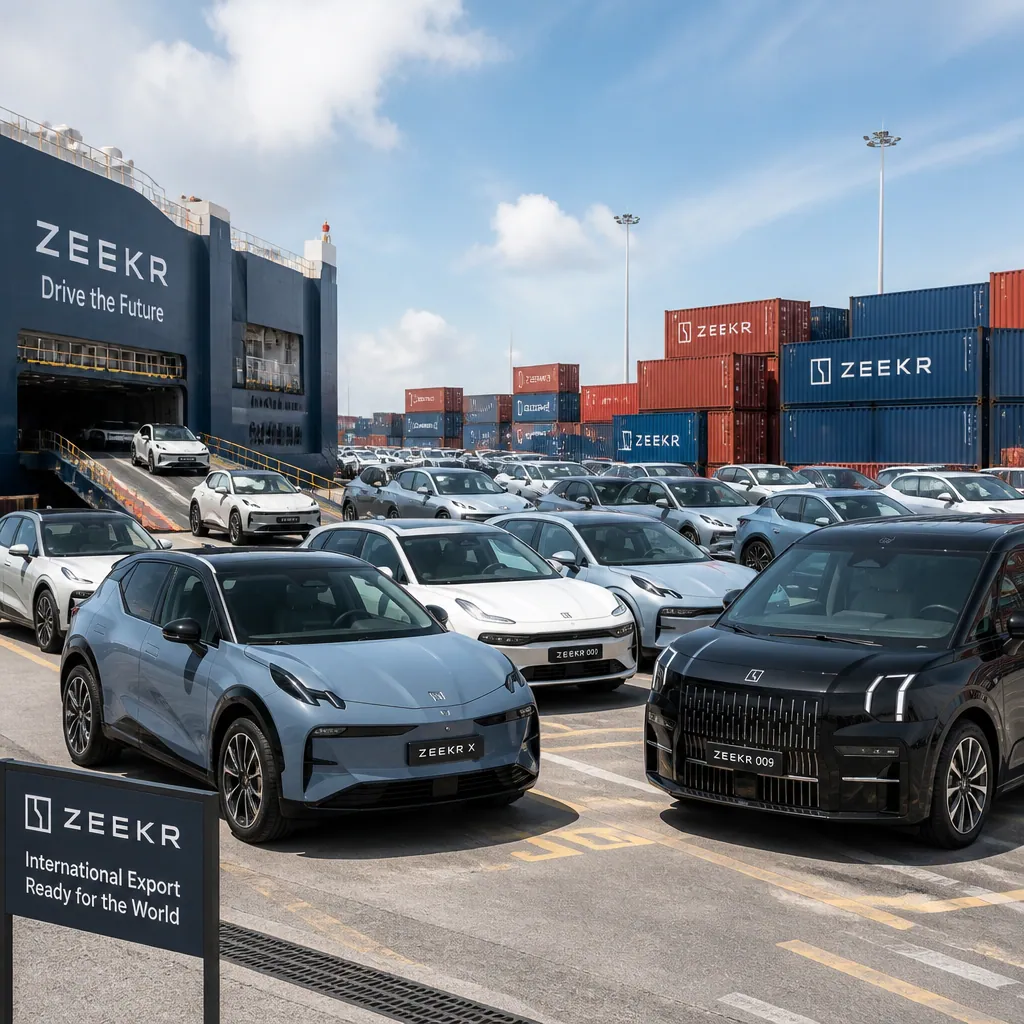
At over 3,000 kg and more than 5.2 meters in length, the Zeekr 9X will attract higher ocean freight costs per unit compared to the 7X. RoRo (Roll on/Roll off) shipping can accommodate both vehicles, but the 9X’s size may affect stacking efficiency on container vessels. For buyers ordering smaller quantities, this affects cost per unit meaningfully. Build this into your landed cost calculation before finalizing pricing for end customers.
Battery regulations are another practical concern. Both vehicles use lithium ion battery chemistries that fall under IMDG hazardous goods classification for sea freight. Proper documentation and handling procedures are required for both. The 9X’s dual energy nature, combining a petrol engine with a large lithium battery, adds a layer of import classification complexity in some markets. A small number of countries have specific duty or homologation categories for PHEVs and EREVs that differ from pure BEVs.
Homologation and Standards
The Zeekr 9X is already available through official channels with European specification versions, which confirms that full homologation for complex markets is achievable. The 7X has similarly progressed into international markets through official Zeekr distribution. For independent importers and distributors working outside those official networks, verifying that the specific specification and model year you are sourcing meets the standards of your target country is not optional. Emissions standards, ADAS software versions, and lighting regulations can all create compliance issues if the wrong build spec is ordered.
Documentation and Export Support
Both vehicles require standard Chinese vehicle export documentation, including the Certificate of Origin, invoice, packing list, and export customs declaration. The 9X’s higher unit value means the bond or letter of credit requirements from buyers will be proportionately larger. For first time importers of high value Chinese vehicles, having an experienced export partner coordinate the documentation, pre shipment inspection, and customs procedures removes significant risk from the transaction.
The Fleet Operator Perspective
Fleet buyers evaluate vehicles differently from private buyers. Total cost of ownership over a three to five year cycle matters more than sticker price. For a fleet operator considering Zeekr vehicles from China, the relevant questions are operational range versus depot charging availability, aftersales parts supply, and warranty terms.
The Zeekr 7X’s 800V architecture and fast charging capability means a depot operator can manage a significant fleet of these vehicles with a smaller on site charging infrastructure than a slower charging equivalent would require. The physics work in the 7X’s favor. A fleet of 7X vehicles that each spend 15 minutes on a high power charger between shifts needs far fewer charger bays than a fleet relying on slower overnight AC charging only.
For the 9X in a VIP or executive transport fleet context, the operational advantage is the petrol fallback. A fleet manager deploying 9X vehicles for long distance executive transfers across a region with inconsistent charging infrastructure can run the vehicles on their combined range without planning around charger locations. Operational simplicity has real value at scale.
A common mistake fleet operators make when sourcing Chinese premium EVs for the first time is underestimating the aftersales parts lead time from China. Building a spare parts buffer into your initial order, and working with a supplier who has an established spare parts support arrangement, significantly reduces the risk of vehicles sitting off the road waiting for a component that takes weeks to arrive.
Frequently Asked Questions
Is the Zeekr 9X suitable for export to markets without widespread EV charging?
Yes, and this is one of its core export advantages. The 9X’s EREV (extended range electric vehicle) architecture means the petrol engine acts as a generator when the battery is depleted, giving a combined CLTC range of up to 1,250 km. Buyers in markets with limited charging infrastructure can use it like a conventional petrol SUV for long trips while still running primarily on electricity for shorter daily drives. This dual fuel capability removes the single biggest objection to pure EV adoption in under served markets.
Will the Zeekr 7X get a hybrid version for markets where full BEV adoption is still limited?
No. Zeekr has confirmed there are no plans to add a hybrid powertrain to the 7X. The brand’s stated strategy is to apply its Super Hybrid system only to larger models like the 8X and 9X. If your target market needs a hybrid option and you want a mid size SUV, you will need to look at a different model within the broader Geely or Chinese vehicle portfolio.
How does the Zeekr 9X export price compare to European full size luxury SUVs?
In China, the 9X launched at 455,900 to 589,900 yuan, which positioned it below the entry level pricing of comparable European full size luxury SUVs in the same market. Export landed costs will vary by destination due to import duties, shipping, and homologation expenses. However, the price to specification gap relative to established European competitors remains a strong commercial argument for distributors targeting premium buyers in markets where European brands currently dominate the full size luxury SUV segment.
What is the difference between the Zeekr 9X as a PHEV and a conventional PHEV like a RAV4 or Outlander?
The 9X is more accurately described as an EREV (Extended Range Electric Vehicle) or series hybrid rather than a conventional parallel PHEV. In a conventional PHEV, the petrol engine can drive the wheels directly. In the 9X, the petrol engine primarily acts as a generator charging the battery, with the electric motors providing the main drive force. This means it drives like an EV the vast majority of the time, with the petrol engine adding range without fundamentally changing the driving character. The result is a much larger usable battery (55 to 70 kWh) and a much longer electric only operating range than typical PHEVs.
Which Zeekr vehicle is easier to homologate and import for a first time Zeekr importer?
The 7X has a broader international footprint at this stage, with production already running in Malaysia in addition to China, and with more market experience across export destinations. For a first time importer, the 7X is generally a lower complexity first order: lower unit value, more mature supply chain, and a single powertrain type. The 9X is a higher reward vehicle for an established importer with the relationships, capital, and technical capability to handle full size luxury PHEV homologation in their target market.
Can the Zeekr 9X charge other vehicles or power external devices?
Yes. The 9X supports V2L (Vehicle to Load) at 6 kW AC and V2V (Vehicle to Vehicle) charging at 60 kW DC. This capability is particularly relevant for markets where power infrastructure is inconsistent, as the 9X can function as a mobile power source in addition to its primary role as a transport vehicle. For certain fleet applications, commercial operators, or buyers in off grid adjacent environments, this is a practical feature rather than a marketing gimmick.
If you are currently evaluating Zeekr vehicles for your market or building out a sourcing strategy for Chinese new energy vehicles, share your specific market requirements or the barriers you are working through in the comments below. Real world input helps sharpen the guidance here.
References
- Zeekr 9X full size PHEV SUV China launch details, pricing, and powertrain specifications
- Zeekr 7X technical specifications, platform details, production history, and global market rollout
- Zeekr 9X technical specifications, EREV architecture, dimensions, and model overview
- Zeekr 7X China launch coverage including charging speed, range variants, and platform information
- Zeekr brand strategy confirmation on hybrid vs. electric model lineup and 9X seating and performance data