
Xiaomi built its reputation on smartphones and smart home devices. Now it is selling premium electric vehicles that are generating more pre order chaos than most established automakers ever see. The Xiaomi YU7 export question is front of mind for fleet operators, importers, and distributors across the Middle East, Africa, and Asia: are these consumer brand EVs a serious procurement option, or is the hype still running ahead of real world availability? This article cuts through the noise with verified specs, honest export context, and a direct assessment of where both the SU7 and YU7 stand for international fleet buyers right now.
Quick Takeaways
| Key Insight | Explanation |
|---|---|
| YU7 launched at approximately $35,000 USD | Starting price of RMB 253,500, undercutting the Tesla Model Y at launch. Three trims available: Standard, Pro, and Max. |
| SU7 has proven its production runway | Over 135,000 units delivered in its first year of sales. By August 2025, combined monthly deliveries exceeded 30,000 units. This is not vaporware. |
| Official exports start in 2027, not now | Xiaomi has confirmed Europe as its first official export market, beginning in Germany in 2027. Middle East and Africa timelines are not yet publicly confirmed. |
| Third party export channels exist today | Xiaomi struck a deal with Hyperion Leasing, a Sinomach subsidiary, for overseas SU7 exports. Specialist vehicle export partners can source units through China’s existing export infrastructure now. |
| YU7 range tops 835 km CLTC | The Standard and Pro trims use a 96.3 kWh LFP battery. The Max uses a 101.7 kWh NMC pack capable of a 12-minute 30 to 80% charge. Range anxiety is simply not a factor at these numbers. |
| Brand recognition is a real fleet asset | Xiaomi’s ecosystem integration (smartphones, ADAS, infotainment) creates a product that fleet drivers actually want to use, which matters for driver retention and adoption. |
| Aftersales network outside China is thin | Fleet buyers sourcing units internationally must plan for parts supply and service support carefully. This is the critical gap to manage, not the vehicle itself. |
What Xiaomi Has Actually Built
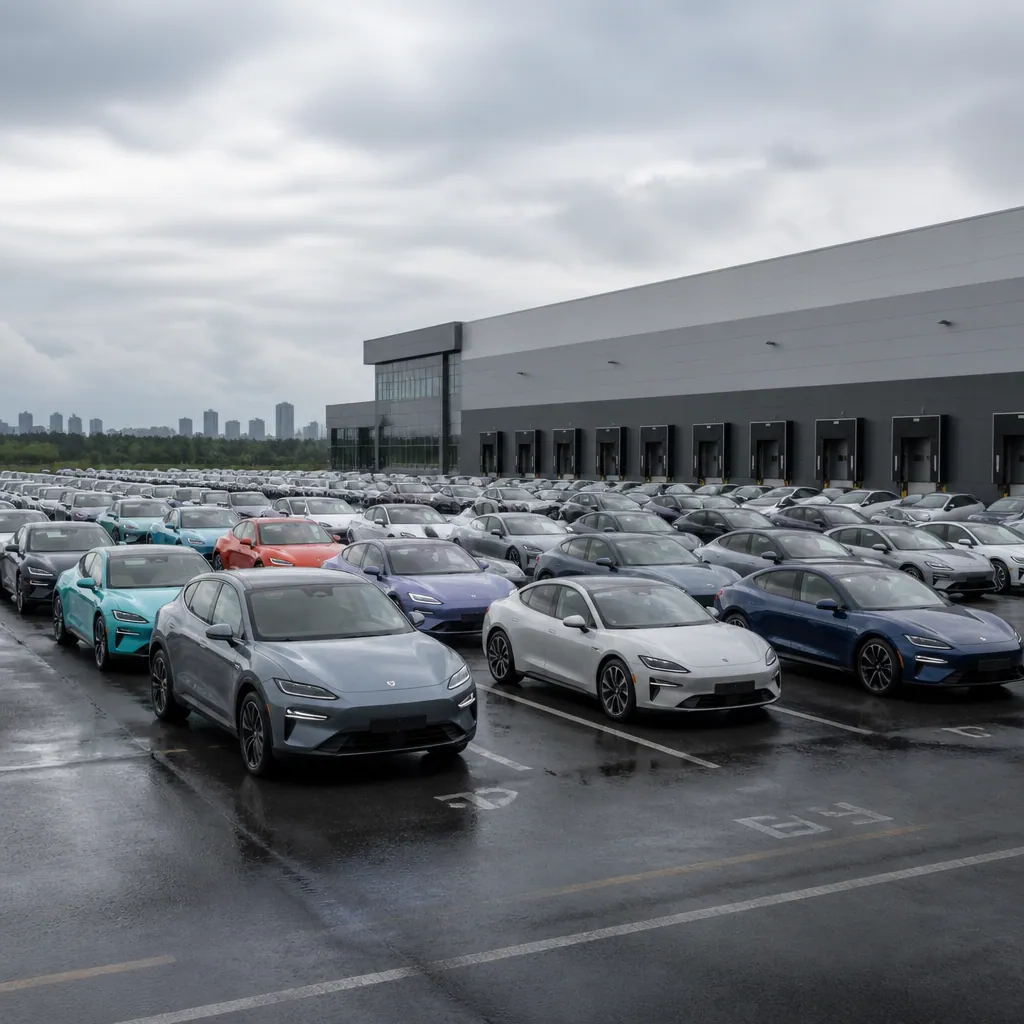
Xiaomi is not the first tech company to announce an EV. It is, however, one of the very few that has actually built one at scale. The Xiaomi SU7 launched in March 2024 and delivered more than 135,000 units in its first year of sales. By January 2025, cumulative SU7 deliveries had exceeded 150,000 units. The company’s 2025 sales target sits at 350,000 units across the SU7 and YU7 combined, with monthly delivery figures already clearing 30,000 units as of August 2025. These are not concept car numbers.
The Xiaomi YU7, a mid to large five seat SUV, launched on June 26, 2025, and received over 200,000 firm orders within three minutes of opening reservations. That kind of demand signals genuine consumer pull, not just media hype. For international fleet operators watching the China EV space, Xiaomi’s trajectory matters because it suggests a credible long term parts and software ecosystem, which is the thing that actually sustains a fleet over three to five years.
What distinguishes Xiaomi from most China EV entrants is the pre existing brand trust across Asia, the Middle East, and Africa. In markets where Xiaomi smartphones and household appliances are widely used, the automotive brand lands differently than an unknown nameplate. Fleet drivers already have relationships with the ecosystem. That is a procurement advantage that is easy to underestimate.
Xiaomi YU7 Specs: A Fleet Perspective
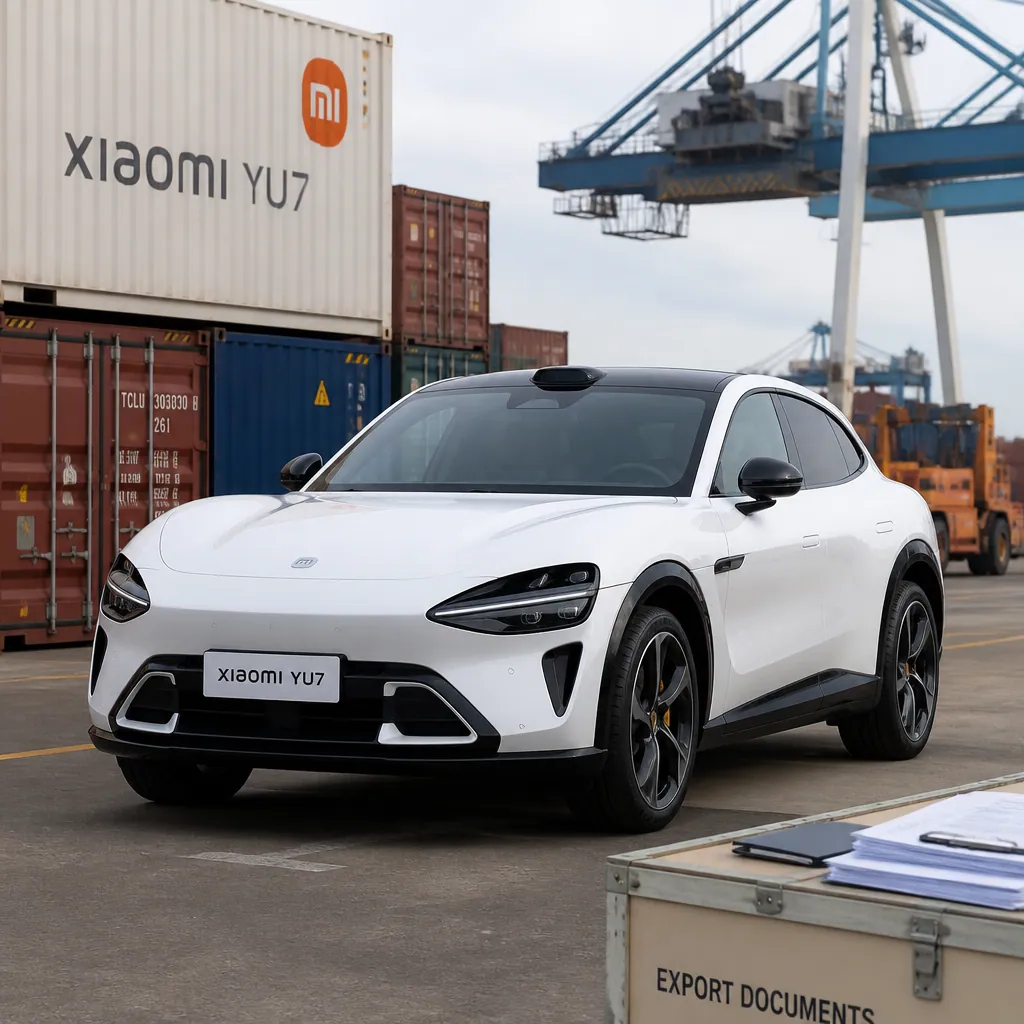
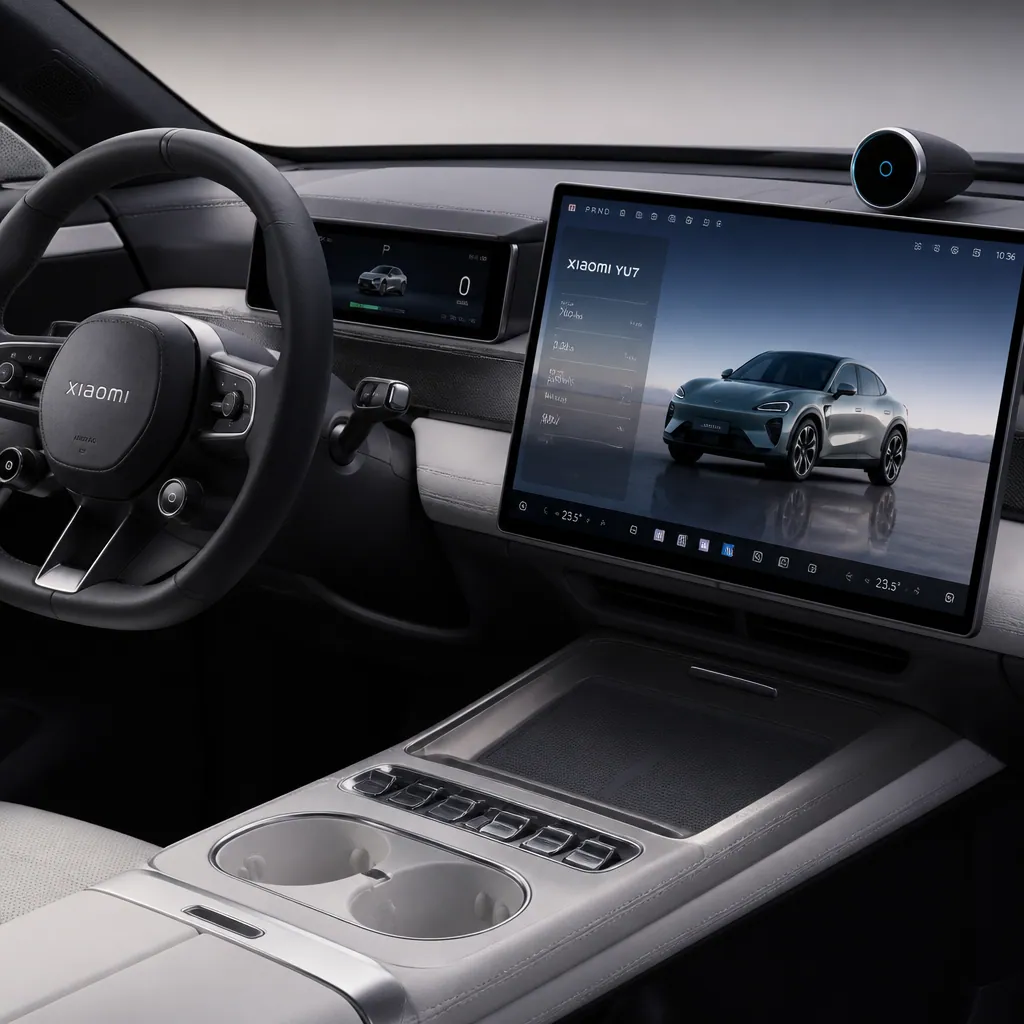
The YU7 is a genuinely large vehicle. At 4,999 mm long with a 3,000 mm wheelbase and 1,996 mm width, it competes directly in the premium mid size SUV segment. Curb weight ranges from 2,140 kg to 2,460 kg depending on trim, which puts it at the heavier end of its class. For fleet use, the size makes it suitable as an executive transport or large format company car rather than a high density urban pool vehicle.
Battery and Range by Trim
The Standard and Pro trims use a 96.3 kWh LFP battery with a CLTC range of 835 km and 770 km respectively. The Max uses a 101.7 kWh NMC Qilin battery from CATL with a CLTC range of 760 km. DC fast charging on the Standard and Pro brings the battery from 10% to 80% in approximately 21 minutes. The Max trim cuts that to around 12 minutes from 30% to 80%, using a 5.2C charge rate. In practical fleet terms, these vehicles are unlikely to create scheduling delays due to charging time.
Power Output and Drive Variants
The Standard trim is rear wheel drive with 235 kW (315 hp). The Pro is all wheel drive with higher output, and the Max produces up to 508 kW (681 hp) with dual motors. For most fleet applications, the Standard RWD configuration at approximately $35,000 USD is the relevant entry point. The battery pack warranty covers eight years or 160,000 kilometres, which is a meaningful commitment for fleet lifecycle calculations.
Pro tip: For fleet procurement, the YU7 Standard trim’s LFP battery chemistry is the right choice. LFP cells are more thermally stable in hot climates, degrade less under frequent charging cycles, and carry no cobalt sourcing risk, all of which reduce total cost of ownership over a standard four year fleet cycle.
Xiaomi SU7 Electric Fleet Case
The SU7 is a sedan, which changes the fleet use case significantly compared to the YU7. At a starting price of approximately RMB 215,900 (around $29,900 USD at launch era exchange rates), the base SU7 is positioned below the YU7 and represents a more accessible entry point for fleet operators deploying larger numbers. The standard SU7 delivers around 700 km CLTC range. The Pro and Max variants push that to over 800 km, with some configurations approaching 902 km CLTC.
For Xiaomi SU7 electric fleet applications, the sedan format suits executive travel pools, corporate mobility programs, and multi unit fleet deployments where a uniform vehicle type simplifies maintenance and driver training. The SU7’s strong infotainment and driver assistance systems, built on Xiaomi’s own HyperOS platform, also appeal to fleets that prioritise a modern in cabin experience as a recruitment or retention tool.
The SU7 Ultra: Irrelevant for Most Fleet Buyers
The SU7 Ultra, with 1,526 hp and a starting price of approximately $72,830 USD, is a performance halo product. It is not a fleet vehicle. Its existence matters to fleet buyers only in one indirect way: it proves that Xiaomi’s engineering capability and brand aspiration are serious, which tends to support residual values across the model range over time.
A brand that can sell out 200,000 SUV reservations in three minutes has solved the demand problem. The remaining question for international fleet buyers is whether sourcing, support, and supply chain have caught up with the appetite.
Export Availability: The Honest Picture
Xiaomi’s official export timeline begins with Europe in 2027, starting with Germany. Right hand drive markets including the UK are scheduled for 2028. Xiaomi Auto has confirmed these plans publicly, including dealership agreements with eight German dealer groups announced at IFA Berlin. What Xiaomi has not publicly confirmed is a structured market entry timeline for the Middle East, Africa, or broader Asia.
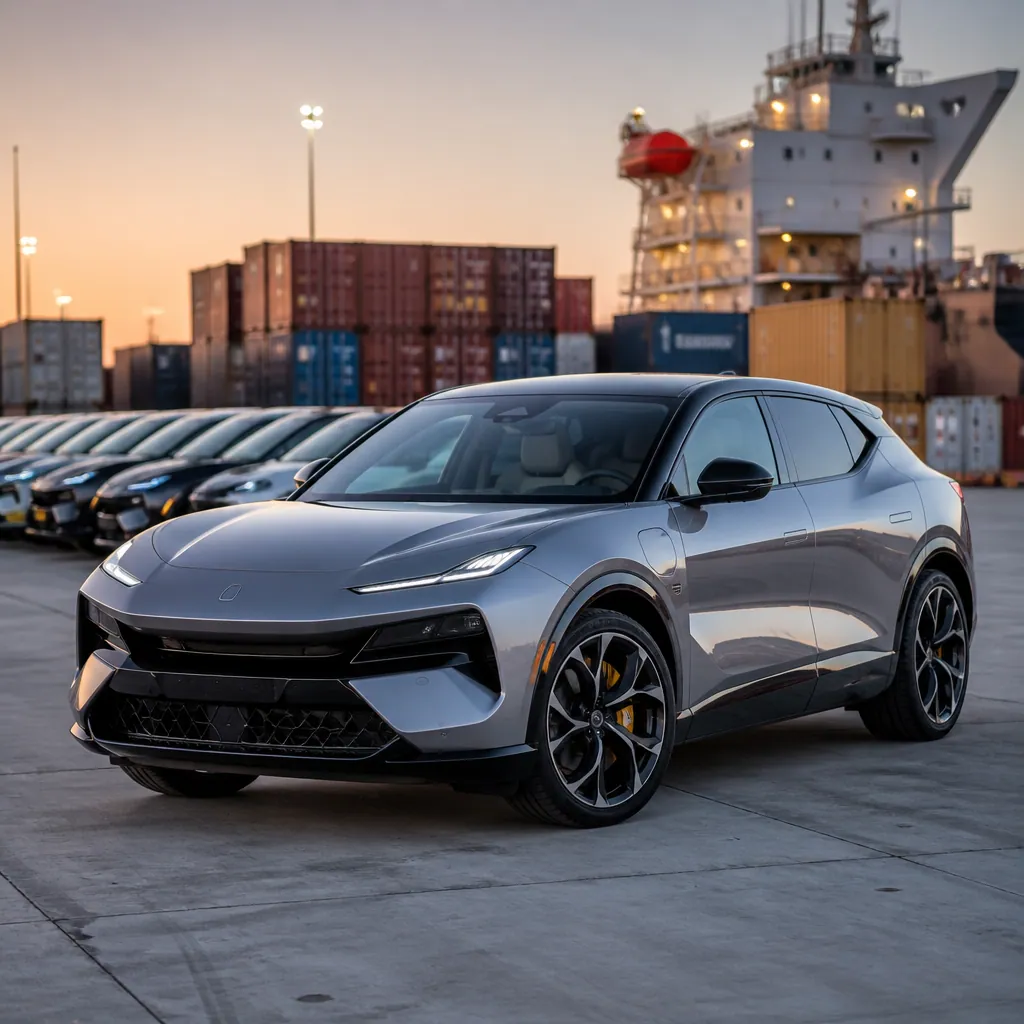
This is the core challenge for fleet buyers in those regions right now. The vehicle exists, it is in production at scale, and it is genuinely capable. But the official channel is not open yet. What does exist is China’s established vehicle export infrastructure, which has been operating for years for brands including BYD, Chery, SAIC-owned nameplates, and others. Xiaomi itself has already engaged Hyperion Leasing, a subsidiary of Sinomach, to facilitate overseas SU7 exports. That deal signals Xiaomi’s intent to move product internationally before its official retail network is operational.
What a Specialist Export Partner Actually Does Here
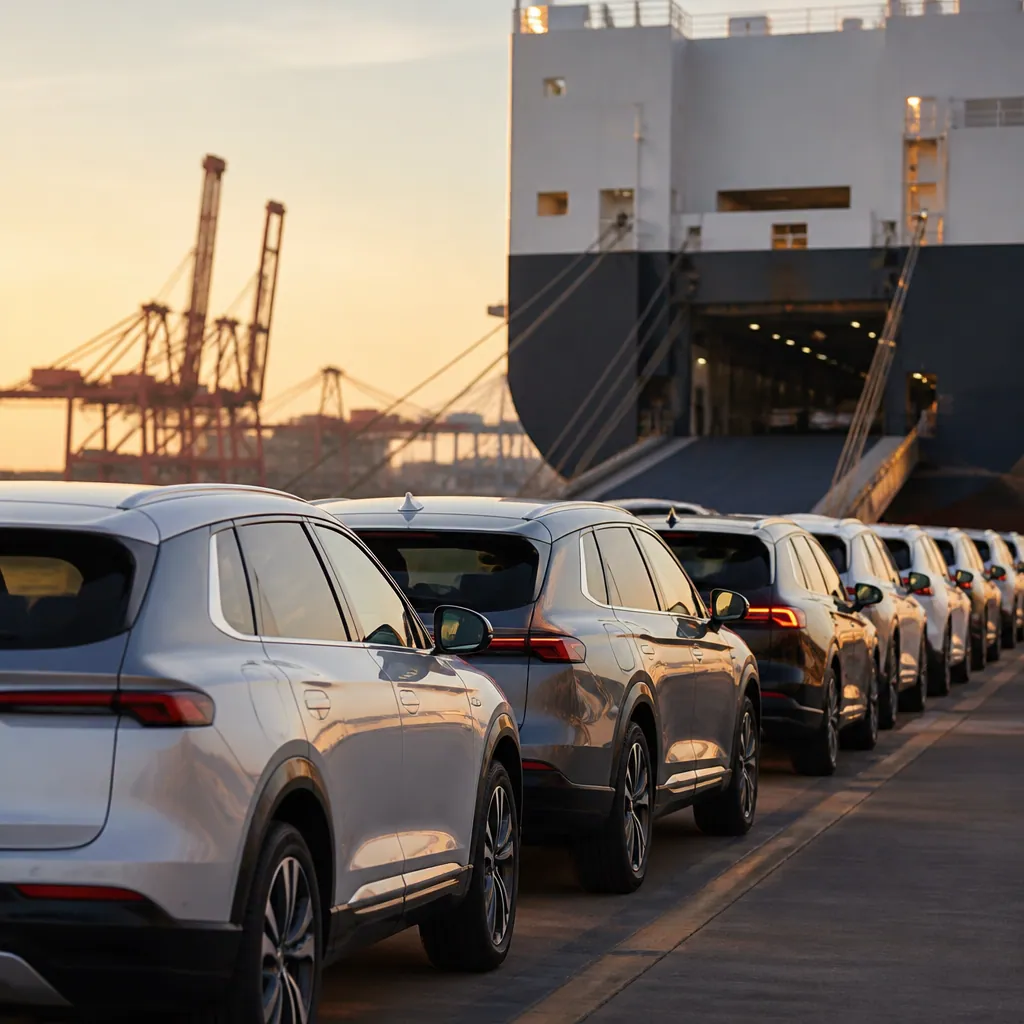
For fleet operators sourcing Xiaomi EV China export units through a specialist partner, the process involves factory or port of origin sourcing, pre export inspection, full export documentation including certificates of conformity and homologation paperwork, international freight, and destination country customs support. The vehicle itself is not the complicated part. The complicated part is ensuring the correct configuration, market specific documentation, and a clear plan for aftersales support once the vehicles are in the destination country.
Pro tip: When sourcing Xiaomi vehicles through a China export partner, confirm upfront which charging standard configuration is being supplied. The YU7 uses CCS and Type 2 in its China market configuration. For markets where GB/T or other standards dominate, verify the vehicle specification before committing to a fleet order, as adapters and infrastructure compatibility are a real operational issue at scale.
Comparison: YU7 vs SU7 vs Typical China Export EV
| Criteria | Xiaomi YU7 (Standard Trim) | Xiaomi SU7 (Standard Trim) | Typical Established China Export EV |
|---|---|---|---|
| Starting Price (USD approx.) | ~$35,000 | ~$29,900 | $15,000, $40,000 depending on brand/segment |
| CLTC Range | 835 km (Standard) | 700 km (Standard) | 400 to 600 km typical |
| Fast Charge (10 to 80%) | about 21 minutes | Varies by trim; competitive | 30 to 60 minutes typical |
| Body Style | 5-door coupe SUV | Sedan | Sedan, SUV, MPV options available |
| Official Export Channel | Not yet (Europe from 2027) | Partial (Hyperion Leasing arrangement) | Established in many markets |
| Brand Recognition in Destination Markets | High (Xiaomi consumer brand) | High (Xiaomi consumer brand) | Varies; many brands still unknown |
| Aftersales Network Outside China | Limited, building out | Limited, building out | Varies; some brands have regional hubs |
| Fleet Deployment Readiness | Moderate, requires specialist sourcing | Moderate, requires specialist sourcing | Higher for brands with active export programs |
What Fleet Buyers Actually Need to Ask
The vehicle specifications are the easy part. Both the YU7 and SU7 clear the technical bar for premium fleet deployment. The harder questions are operational and commercial, and they are the ones that separate a successful fleet procurement from an expensive mistake.
Parts and Service Outside China
Xiaomi vehicles run on proprietary systems, including Xiaomi’s own HyperEngine motors and HyperOS software platform. Over the air updates can address software issues remotely, which is a genuine advantage. Physical parts, however, require a supply chain. Fleet buyers need to establish whether their destination country has an authorised service point, and if not, what the arrangement is for sourcing parts through a specialist importer. This is not a dealbreaker, but it must be planned for before the first unit arrives, not after.
Homologation and Certification
Xiaomi vehicles are type approved for China’s market standards. For deployment in the Middle East, GCC type approval processes apply. For African markets, requirements vary significantly by country. A specialist export partner with documented experience in these processes is not optional for fleet buyers, it is the only reliable path to registerable, insurable, warranty valid vehicles in the destination market.
Volume and Lead Times
Production capacity at Xiaomi’s Beijing Yizhuang plant is actively expanding. A second phase facility was preparing for mass production as of mid-2025, and a third phase site was secured in June 2025. Despite this, demand in China continues to absorb the majority of output. Fleet buyers placing international orders through export channels should factor in realistic lead times and confirm allocation before making end customer commitments. The 200,000-order in three minutes YU7 launch should serve as a calibration point for anyone who assumes vehicles are sitting idle waiting to be exported.
Total Cost of Ownership vs Purchase Price
At $35,000 USD for the YU7 Standard, the sticker price is competitive. But the real TCO calculation for a fleet includes: import duty in the destination country, local registration and certification costs, charging infrastructure investment, parts contingency budget, and software support fees if applicable. In many Middle East and African markets, import duties on passenger vehicles can add 20 to 50% to the landed cost. Fleet buyers who build their business case on the ex China price alone will find the numbers shift considerably once they model the full cost to road.
Frequently Asked Questions
Can the Xiaomi YU7 be exported from China right now?
Yes, the YU7 can be sourced and exported from China through specialist vehicle export companies, even though Xiaomi’s own official export program does not launch until 2027. China has well established export infrastructure for passenger and electric vehicles, and specialist partners with procurement access can source YU7 units, handle inspection and documentation, and manage international shipping to most destination markets. The key difference from an official export channel is that aftersales and warranty support must be arranged separately rather than through a Xiaomi retail network.
Is the Xiaomi SU7 suitable for fleet use?
The SU7 is well suited to fleet use cases where a premium sedan format is appropriate, such as executive transport pools, corporate lease programs, and professional driver fleets. Its long CLTC range (up to over 800 km on Pro and Max variants), competitive charging speed, and strong technology integration make it a capable choice. The main operational consideration is aftersales support planning, since Xiaomi’s international service network is still developing. For fleet operators in markets with existing Chinese EV import infrastructure, this is a manageable challenge rather than a disqualifying one.
How does Xiaomi’s brand recognition affect fleet resale values?
Xiaomi’s consumer electronics reputation creates a floor of brand recognition in most markets where it operates. In practice, this tends to support residual values compared to unknown China EV nameplates, because end buyers and leasing companies have a reference point for the brand. However, it is important not to overstate this: automotive resale values in export markets depend heavily on local dealer support, parts availability, and registration track record in that specific country. Xiaomi’s brand helps, but it does not substitute for an established local support ecosystem.
What charging standard does the Xiaomi YU7 use?
The China market Xiaomi YU7 uses CCS (Combined Charging System) for DC fast charging and Type 2 for AC charging. Fleet buyers sourcing units for markets where different charging standards dominate need to verify vehicle configuration before ordering and assess local charging infrastructure compatibility. This is a standard consideration for any China market EV sourced for international deployment and is not unique to Xiaomi.
What is the battery warranty on the Xiaomi YU7?
The YU7’s battery pack carries a warranty of eight years or 160,000 kilometres. This is a relevant figure for fleet lifecycle calculations, as it covers a standard five year or longer fleet cycle with meaningful buffer. Fleet buyers should confirm whether this warranty is transferable or serviceable in the destination country through the export arrangement they are using.
How does the Xiaomi YU7 compare to the Tesla Model Y for fleet buyers?
The YU7 was priced at launch to undercut the Tesla Model Y in the Chinese market, starting at RMB 253,500 versus the Model Y’s RMB 263,500 at the time. It offers a longer wheelbase, more range on the Standard trim, and faster charging on comparable configurations. The key advantage Tesla still holds for international fleet buyers is an established global service network and a longer track record outside China. For fleet operators already comfortable working with China export vehicles and specialist importers, the YU7’s product case is strong. For buyers who need a turnkey solution with in country dealer support from day one, Tesla’s existing infrastructure remains a more straightforward option in markets where it is established.
What should fleet operators do if they want Xiaomi vehicles before the 2027 official export launch?
Fleet operators who want to move now should engage a specialist China vehicle export partner with demonstrated experience in the destination country’s import and homologation process. The partner needs to be able to handle vehicle inspection at origin, export documentation including certificates of conformity, international freight, destination customs clearance, and an aftersales parts supply arrangement. This is exactly the kind of end to end export solution that separates a clean fleet deployment from a vehicle that sits unregistered on a dock. Do not treat pre official launch sourcing as simply buying a car and shipping it; the documentation and compliance chain is where the real work happens.
Have you been evaluating Xiaomi EVs for your fleet or import business? Share what questions you are working through, because the details of your specific market make all the difference.
References
- Xiaomi YU7 official launch details, pricing, and trim overview at $35,000 USD starting price
- First drive review of the Xiaomi YU7 with full technical specifications and range data
- Xiaomi confirmed export plans for SU7 and YU7 beginning in Europe in 2027
- Xiaomi’s SU7 overseas export arrangement with Hyperion Leasing explained
- Xiaomi monthly delivery figures surpassing 30,000 units and production expansion update