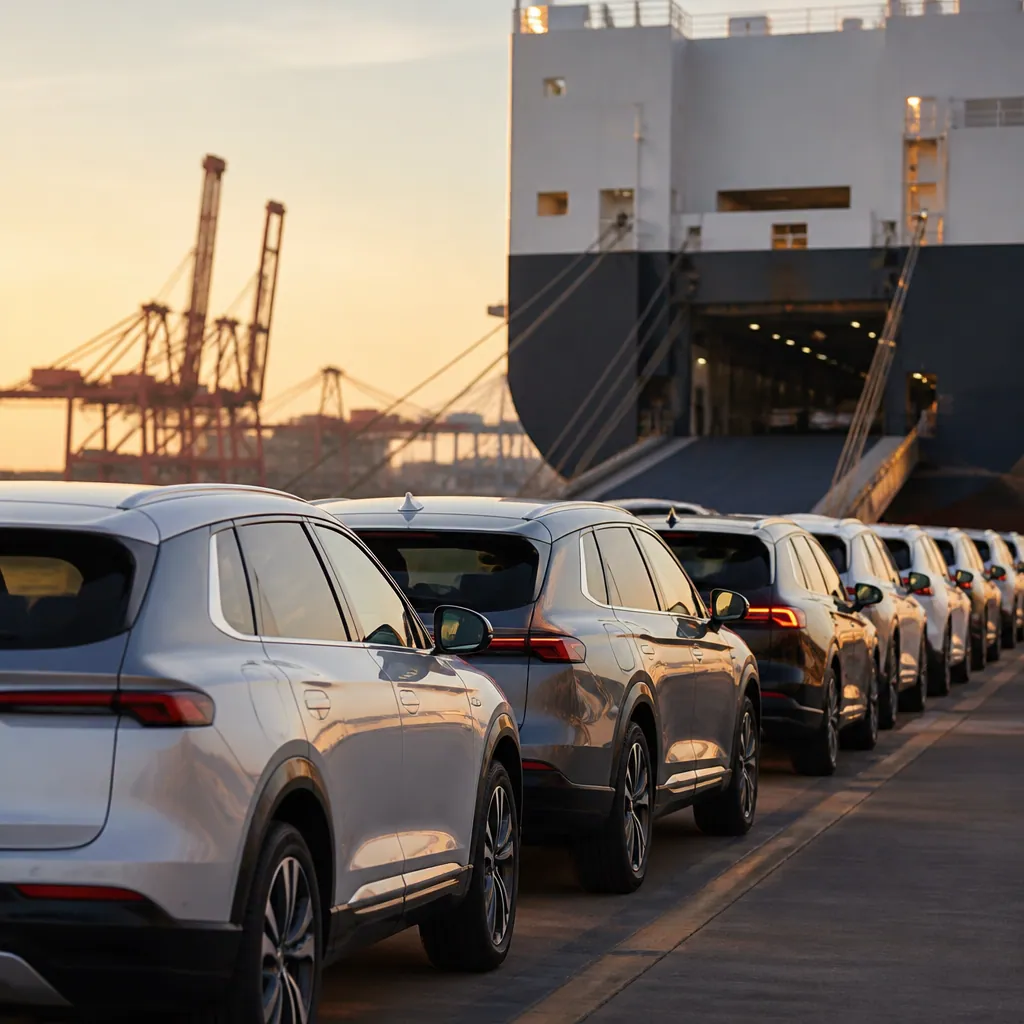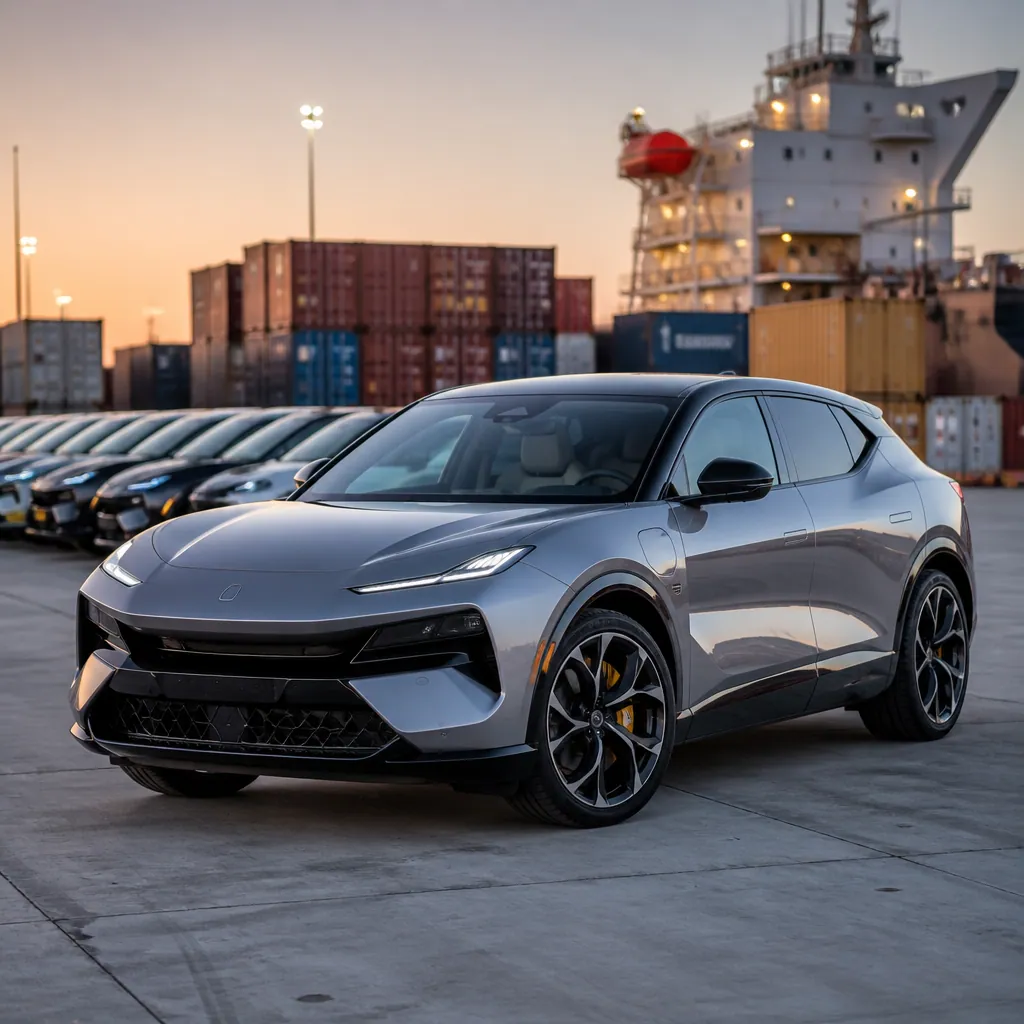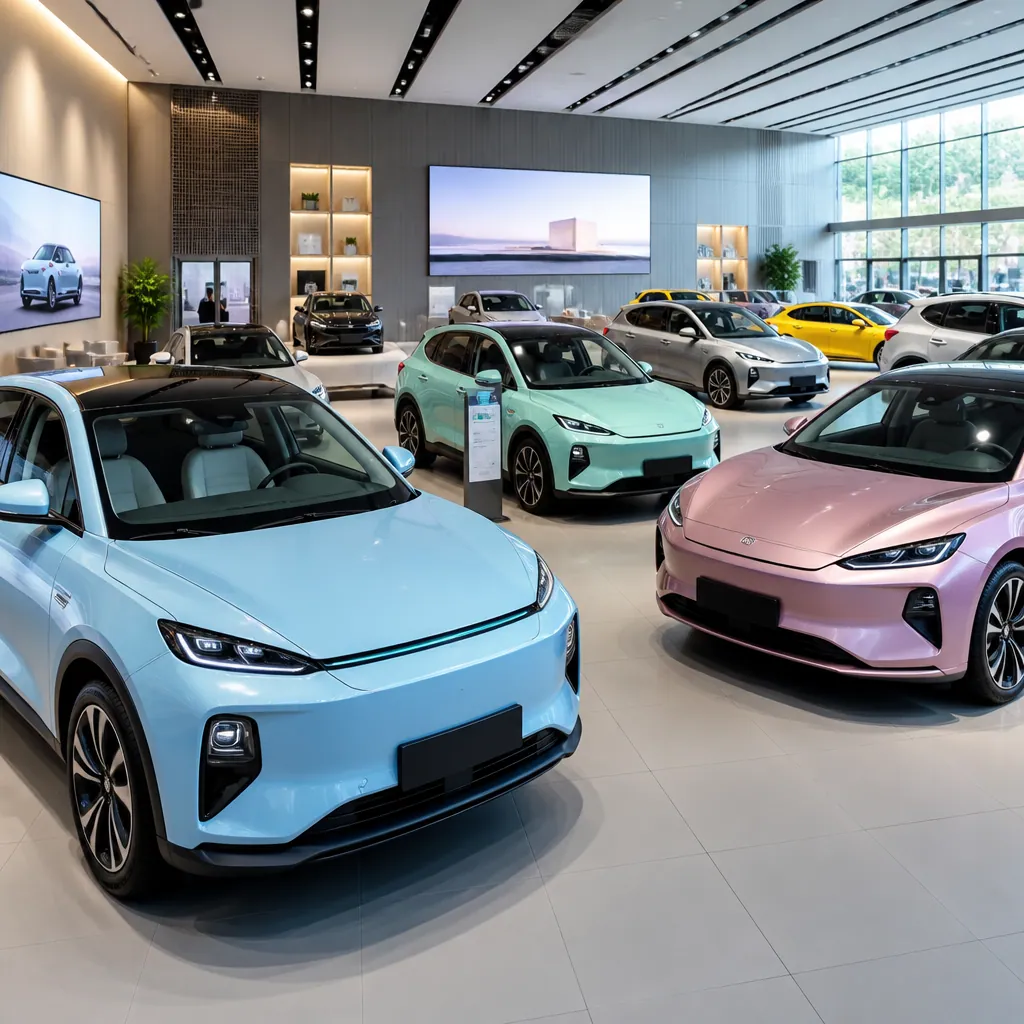

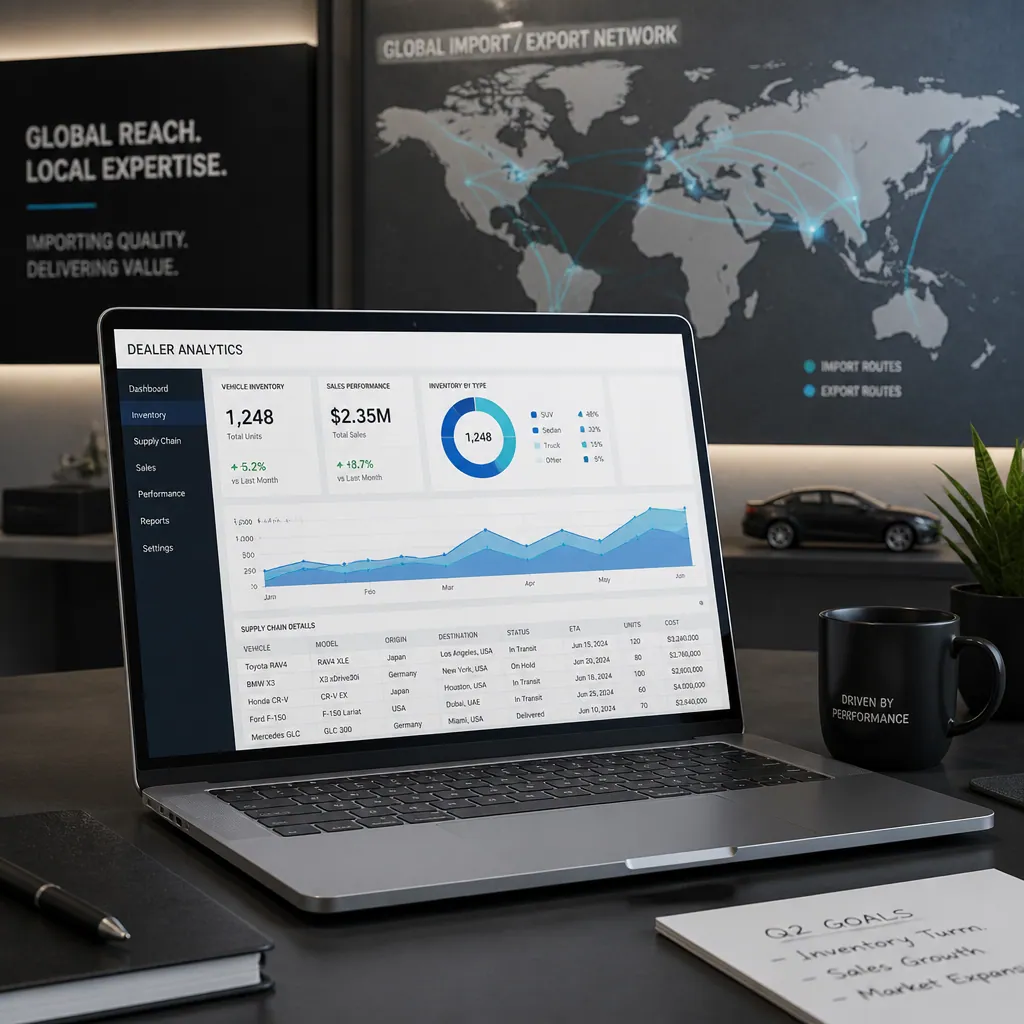
Two Xiaomi EVs are generating more dealer inquiries right now than almost any other model coming out of China. The Xiaomi SU7a premium electric sedan launched in March 2024, received more than 248,000 locked in orders in its first year and delivered over 135,000 units. Its successor in the lineup, the Xiaomi YU7 SUV, pulled in over 200,000 firm orders within three minutes of its June 2025 launch. Those numbers would make any vehicle dealer sit up. But consumer excitement in China does not automatically translate into a clean, profitable Xiaomi SU7 export opportunity for international importers. Before you commit sourcing budget, here is a straight talking breakdown of what both models offer, what the real friction points are, and how to position yourself correctly if you decide to move forward.
Quick Takeaways
| Key Insight | Explanation |
|---|---|
| Xiaomi has no official export program yet | Xiaomi’s own international sales plans target post-2027. All current cross border deals go through third party exporters, not the manufacturer directly. |
| Domestic supply is the bottleneck | SU7 wait times in China ran 22 to 31 weeks at peak demand. Sourcing stock reliably for export requires a well connected China side partner. |
| YU7 brand new pricing starts at RMB 253,500 (roughly $35,360) | The YU7 undercuts Tesla Model Y pricing in China. Landed import cost will be meaningfully higher once shipping, duties, and compliance are added. |
| SU7 starts at RMB 215,900 (roughly $29,680) in China | For markets with lower or zero import tariffs on Chinese EVs, this entry price gives dealers a workable margin window. High tariff markets compress that margin sharply. |
| No official warranty or aftersales outside China | Importers must build their own service solution. This is a real commercial risk that dealers need to price into their offer and communicate to end buyers. |
| Charging standard matters in every target market | The SU7 and YU7 use GB/T charging. Markets running CCS2 or CHAdeMO infrastructure will require adapter sourcing and buyer education, which adds friction post sale. |
| Xiaomi’s tech brand carries real marketing weight | Unlike lesser known Chinese EV brands, Xiaomi already has consumer recognition across the Middle East, Africa, and Southeast Asia through smartphones, which reduces the education burden for dealers. |
The SU7 and YU7 at a Glance
The SU7 is a five door electric sedan. In its base RWD configuration it produces around 299 hp, covers up to 435 miles on the CLTC cycle, and carries a 73.6 kWh nominal battery. The Max trim steps up to dual motors and extended range, while the SU7 Ultra is a high performance variant launched in February 2025 at a starting price of RMB 529,900. For most import markets outside North America and Europe, the standard SU7 and SU7 Pro are the commercially relevant configurations.
The YU7 is a five seat, five door electric SUV that stretches just under five meters in length. The entry RWD model uses a 96.3 kWh battery with a CLTC range of up to 835 km, a single rear motor producing 235 kW, and reaches 100 km/h in 5.88 seconds. The AWD Pro and Max trims use dual motors and 101.7 kWh battery packs, with peak power reaching 749 hp in the top configuration. The YU7 rides on an 800-volt architecture and supports fast DC charging from 30 to 80 percent in around 12 to 18 minutes on the top trims.
A vehicle that sells 200,000 units in three minutes of pre orders is not a market trend. It is a market signal. The question for importers is whether they are positioned to capture it before the window tightens.
Both models are built at Xiaomi’s Beijing manufacturing facility. Production capacity has been the hard constraint on the SU7, and it will likely constrain early YU7 export availability as well. Understanding that constraint is the first discipline of responsible sourcing.
Export Status and Supply Reality
Xiaomi’s own published position, as of early 2025, is that overseas EV sales are targeted for post-2027. The company’s initial plan did not include international sales until around 2030, but that timeline has been pulled forward. What exists today is a third party export channel: Sinomach’s subsidiary Hyperion Leasing has been identified as one entity working to introduce Xiaomi vehicles to overseas markets, buying vehicles from the factory and selling them through international channels.
What this means for a dealer placing an order now
You are not buying from Xiaomi directly. You are working through a China side sourcing partner who must navigate factory allocation, domestic demand, and export documentation independently. This is not unusual in the Chinese car export business, and it works when the right partner is involved. The risk is that supply chain transparency varies enormously between exporters. A partner who cannot give you a clear factory purchase invoice and inspection report is a partner to avoid.
The SU7 ran 22 to 31 weeks of domestic wait time at the peak of demand. That figure matters because it tells you China side buyers are already ahead of you in the queue. For the YU7, production is newer and demand is even higher after those first day pre order numbers. Expect lead times to be a real commercial conversation with your end buyers, not a footnote.
Pro tip: When requesting a sourcing quote for either model, ask your China side partner to confirm whether the vehicle is sourced from the factory allocation, a domestic dealer, or the grey market. Each has a different risk profile for title transfer, warranty documentation, and export compliance. Automotion Global’s sourcing and inspection process covers this verification step as standard, which removes the ambiguity that catches many first time importers of Chinese EVs.
SU7 vs. YU7: Which Model Suits Your Market?
The choice between the SU7 and YU7 is not primarily a spec decision. It is a market fit decision. Both are strong products. The model that makes sense for your import business depends on your buyer base, your market’s road conditions and preferences, and what you can support aftersales.
SU7: The case for sedan dominant markets
In markets across the Middle East and parts of North Africa where premium sedan demand is strong, the SU7’s design competes directly against Tesla Model 3 and upper mid range European sedans. Its starting price of around $29,680 USD equivalent in China gives you a genuine premium product at a price point that, even after landed costs, can undercut European alternatives. The SU7’s profile, interior quality, and Xiaomi software ecosystem are strong differentiators for buyers who already use Xiaomi smartphones.
YU7: The case for SUV-first markets
Sub Saharan Africa, Southeast Asia, and the Gulf countries all show strong preference for SUV formats. The YU7’s five meter length, high ground clearance relative to a sedan, and family friendly interior make it a more natural fit for these markets. Its direct competitive positioning against the Tesla Model Y, at a lower launch price, gives dealers a clear sales narrative. The YU7 launched in June 2025 at RMB 253,500, which was priced below the Tesla Model Y’s RMB 263,500 at that time in China.
Landed Cost and Margin Math
The Chinese retail price is only the starting point of your cost calculation. A realistic landed cost model for either vehicle needs to include: the China side vehicle purchase price, sourcing and inspection fees, export documentation costs, international freight (RoRo or container), marine insurance, import duties at the destination, port handling and customs clearance fees, and any local registration or compliance expenses.
In markets with low or zero tariffs on Chinese EVs, the SU7 and YU7 remain commercially attractive. In markets that have adopted higher tariff positions on Chinese vehicles, margin math becomes harder and must be modeled carefully before committing to a shipment. The rule of thumb used by experienced importers: if the total landed cost exceeds 1.5 times the China retail price, you need a strong local retail premium or a high volume fleet arrangement to make the numbers work.
| Factor | Xiaomi SU7 | Xiaomi YU7 |
|---|---|---|
| China launch price (base trim) | RMB 215,900 (~$29,680 USD) | RMB 253,500 (~$35,360 USD) |
| Body type | Electric sedan | Electric SUV (5-door, 5-seat) |
| Base battery capacity | 73.6 kWh | 96.3 kWh |
| CLTC range (base) | Up to 435 miles | Up to 835 km |
| Official overseas distribution | Not yet, third party only | Not yet, third party only |
| Charging standard | GB/T (adapter needed for CCS2 markets) | GB/T (adapter needed for CCS2 markets) |
| Best fit market type | Sedan preference markets, premium retail | SUV-preference markets, fleet, family buyers |
Pro tip: For fleet inquiries specifically, the YU7’s higher price point can work in your favour if you position it as a total cost of ownership proposition. The combination of low fuel cost, long CLTC range, and Xiaomi’s technology integration (large screen infotainment, driver assistance features) makes a compelling fleet pitch that justifies a higher acquisition price versus conventional ICE alternatives in the same class.
Homologation and Compliance
This is the section most importers underestimate, and it is where first time Xiaomi importers are most likely to run into problems. Both the SU7 and YU7 are built to Chinese regulatory standards. Whether a vehicle meets your destination market’s type approval requirements depends on that country’s specific rules.
Where compliance is lower friction
Many markets across the Middle East and parts of Africa do not have mandatory European style whole vehicle type approval. In these markets, import compliance is primarily a documentation exercise: customs HS codes, certificate of conformity from the exporter, and correct valuation declarations. This is manageable with an experienced export partner. Markets in the Gulf Cooperation Council have their own technical standards, and a qualified exporter should be familiar with them.
Where compliance becomes a hard barrier
European Economic Area markets require UN ECE homologation, and the SU7 and YU7 do not currently hold this certification as production vehicles. Importing into these markets as a grey importer requires individual vehicle approval, which is expensive and slow. The same applies to Australian and UK markets. If your target market falls into this category, the honest advice is to wait for Xiaomi’s own planned international expansion rather than attempt early grey market importation.
A common mistake made by dealers new to Chinese EV imports is conflating “the vehicle is a high quality product” with “the vehicle will pass local compliance.” Quality and regulatory approval are separate questions. Deal with them separately.
Aftersales and Parts Risk
The main commercial risk of being an early stage Xiaomi importer is not sourcing. It is aftersales. Xiaomi has no official dealer network, no official warranty program, and no authorised parts distribution outside China as of mid-2025. Every importer operating today is solving this independently.
In practice, this means your aftersales solution needs to be built before you sell the first unit, not after. That means identifying a qualified EV technician or workshop in your market who is comfortable with Chinese EV platforms, pre stocking a minimum set of common wear items and consumables, and setting clear expectations with your buyers about the warranty situation.
This is not a reason to avoid the vehicles. It is a reason to structure your offer correctly. Dealers who have succeeded early with other Chinese EV brands in markets like Kenya, the UAE, and Indonesia have done so by treating aftersales as a competitive advantage rather than a liability. If you build a credible service offer when competitors are not thinking about it, you lock in customer loyalty before the market matures.
Automotion Global’s aftersales assistance and spare parts support services exist precisely to address this gap for international buyers. Rather than going it alone on parts sourcing and technical coordination, working with a partner who has established China side relationships means your service capacity does not depend on you solving a logistics puzzle from scratch.
Frequently Asked Questions
Can I import a Xiaomi SU7 or YU7 directly from Xiaomi as a foreign dealer?
Not through any official Xiaomi dealer program as of mid-2025. Xiaomi’s international sales plans are targeted for post-2027. Current cross border exports are handled through third party sourcing companies and export intermediaries who source vehicles from China’s domestic market. Working with a reliable vehicle export partner with verified supplier relationships in China is the practical route for dealers today.
Which model is better for fleet buyers: the SU7 or the YU7?
The YU7 is generally the stronger fleet proposition. Its SUV format is more versatile across different fleet use cases (corporate, government, logistics liaison), its larger battery offers more daily range, and its price point still sits below comparable international alternatives on total cost of ownership. The SU7 is a better fit for premium retail or executive vehicle programs where a sedan format is preferred.
What are the main risks of being an early Xiaomi importer?
Three risks dominate: supply uncertainty due to high domestic demand and long lead times; the absence of official aftersales and warranty support outside China; and potential compliance or homologation challenges in regulated markets. None of these is insurmountable, but all three require active planning before the first shipment, not reactive problem solving after delivery.
Does the Xiaomi YU7 work with charging infrastructure outside China?
Both the SU7 and YU7 use the Chinese GB/T charging standard. In markets that use CCS2 (most of Europe) or CHAdeMO charging infrastructure, an adapter is required. In markets where fast charging infrastructure is less developed, this is less of an immediate issue but still needs to be communicated to buyers. Sourcing quality GB/T to CCS2 adapters as part of your vehicle package is a practical way to handle this.
How should I price a Xiaomi SU7 or YU7 for my market?
Start with the verified China purchase price, add all landed costs (freight, insurance, import duty, port fees, compliance costs), then add your margin. A common pricing error is using the Chinese retail price as a proxy for landed cost, which results in under pricing and margin erosion. In markets with meaningful import tariffs on Chinese EVs, total landed cost can be significantly above the China price. Model the full cost before setting your retail price, not after.
Is Xiaomi’s brand recognition strong enough to support dealer marketing in markets like the Middle East or Africa?
Yes, and this is one of the genuine advantages of sourcing Xiaomi vehicles compared to lesser known Chinese EV brands. Xiaomi has substantial smartphone market share across the Middle East, Africa, and Southeast Asia. Consumers in these markets already associate the brand with technology quality and value. This reduces the brand education effort that dealers typically face with newer Chinese automotive names and gives your marketing something to anchor to from day one.
Have you already received inquiries from buyers in your market asking specifically about Xiaomi EVs, or are you still in the research phase? Share your experience below, we would like to understand where dealers are in the process.
References
- Xiaomi’s overseas EV sales plans and timeline for international expansion
- How Xiaomi partnered with a third party company to begin exporting electric cars
- Xiaomi YU7 launch details, pricing, and first day pre order numbers
- Xiaomi YU7 full specifications, features, and real world driving review
- A dealer’s guide to the risks and process of sourcing the Xiaomi SU7 for export