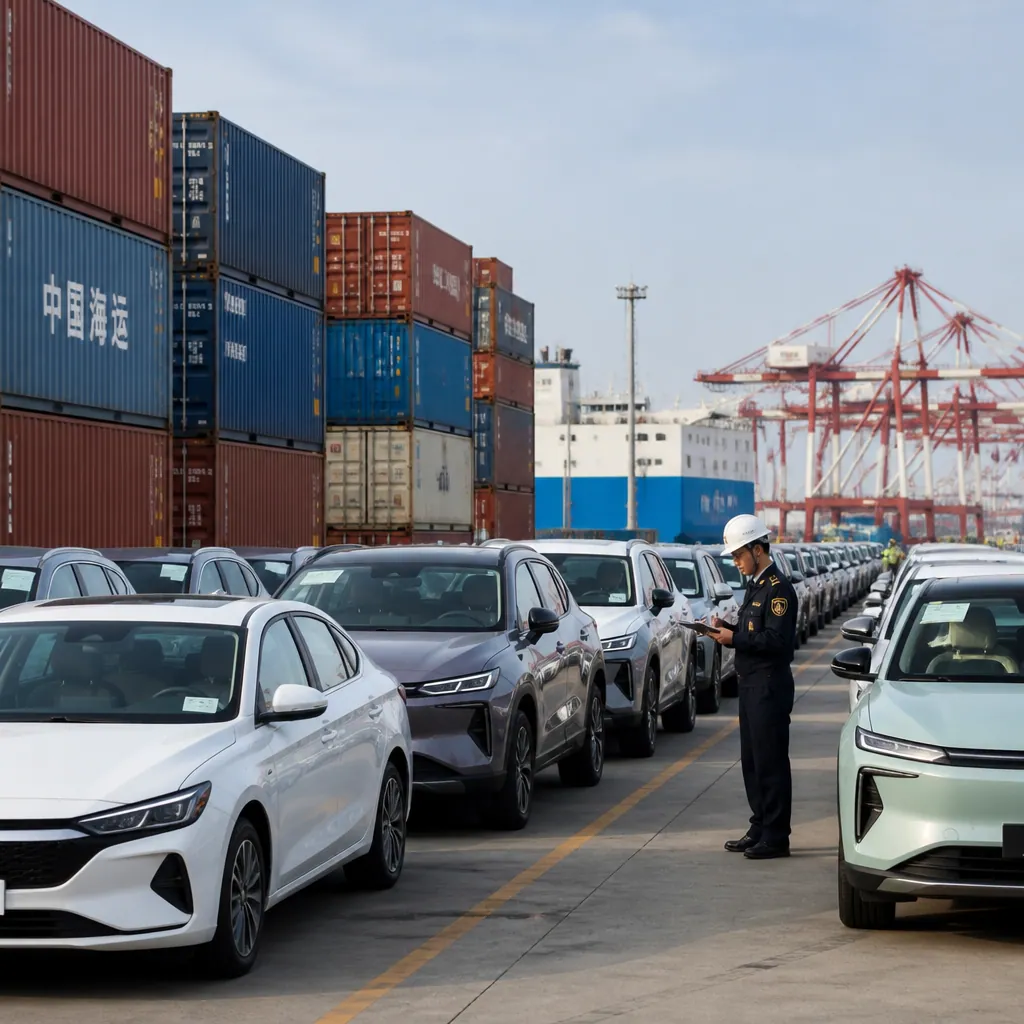
Most vehicle distributors who approach the wholesale vehicles China market for the first time make the same mistake: they treat it as a simple purchasing exercise rather than a structured import relationship. They find a supplier, wire a deposit, and start discovering the gaps only when the shipment is already on the water. Setting up a proper wholesale car import account from China requires working through supplier verification, regulatory compliance, document preparation, shipping terms, and payment structure before any money changes hands. This guide walks distributors, fleet operators, and vehicle dealers through every stage of that process, in the order it actually matters.
What a Wholesale Vehicle Import Account Actually Means
A wholesale vehicle import account is not a platform login or a membership card. It is a formal commercial relationship between a foreign buyer and a verified Chinese vehicle exporter or manufacturer, governed by a purchase agreement that sets out pricing tiers, minimum order volumes, payment milestones, inspection rights, and after sales responsibilities.
Getting that relationship right from the start determines whether you have a scalable supply channel or a series of one off transactions with unpredictable outcomes. The difference between a proper account and an ad hoc order is accountability on both sides: the supplier is bound to agreed specifications and timelines, and the buyer commits to a defined volume and payment structure.
A professional vehicle import project must align the exact vehicle configuration, destination market requirements, supplier evidence, commercial terms, export documentation, inspection standards, shipping arrangements, and after sales responsibilities. That alignment is the account setup. Everything else is logistics.
Verifying Your Chinese Vehicle Supplier
Supplier verification is the most important step and the one most often skipped by distributors who are in a hurry to move product. A supplier that cannot provide four things within one working day is not ready for a wholesale relationship: a business licence whose scope explicitly includes vehicle export, a company bank account registered in the same name as that licence, per unit documentation for the vehicles you are buying (VIN, invoice, and export certificate), and written confirmation that an independent inspector can view the vehicles before full payment is made.
What to Request Before Signing Anything
Ask for the supplier’s vehicle export authorization alongside their business registration. In China, not every trading company is licensed to export vehicles. This is not a technicality. Buying from an unlicensed exporter puts your shipment at risk of being held at the port of origin or rejected at the destination.
Request redacted copies of bills of lading from previous export shipments to your target region. Any credible exporter serving the Middle East, Africa, or Southeast Asia will have these and will share them with a serious buyer. If they cannot produce them, treat that as a red flag regardless of how professional their website looks.
Pre Shipment Inspection Is Not Optional
Independent pre shipment inspection (PSI) is standard practice for wholesale orders. During the inspection, photograph compliance plates, option code stickers, tyre labels, and odometer readings, and store those images with the invoice. This documentation becomes critical if there are warranty disputes or recall issues after delivery.
Pro tip: Verify the VIN plant, steering side, charging inlet type, and warranty entity before paying any deposit. These four details determine whether the vehicle is fit for purpose in your specific destination market, and they are far harder to resolve once the vehicle is in transit.
Understanding MOQs and Commercial Terms
Minimum order quantities (MOQs) for wholesale vehicle imports from China vary significantly by brand, model, and whether you are buying through a manufacturer’s export arm or a licensed trading company. For context, established Chinese brands typically set MOQs in the range of 10 to 100 units per model per shipment, with premium positioned brands often setting lower minimums due to higher per unit values.
For a first order relationship, pushing a supplier to reduce the MOQ below their stated floor is usually less productive than negotiating on payment timing or inspection rights. Suppliers who regularly export wholesale will have their MOQs set at the logistics break even point for their packing and documentation processes. Trying to go below that threshold often shifts you from a wholesale account into a retail order, which changes both the pricing and the service level.
Payment Structures That Protect the Buyer
The standard approach for a new wholesale relationship is a split payment structure: a deposit to confirm the order, followed by the balance after pre shipment inspection. A common milestone structure is 30 percent deposit on order confirmation, with the remaining 70 percent paid after inspection photos and documentation are received and approved.
For higher value orders, a Letter of Credit (L/C) provides stronger protection than a direct bank transfer because it ties payment release to the presentation of specific documents. T/T (telegraphic transfer) is simpler and faster for established relationships, but it provides less recourse if there is a dispute over specification or condition.
Never use untraceable payment methods for wholesale vehicle transactions. All payment records need to be retrievable as evidence in the event of a dispute, and any supplier who cannot accept standard bank transfers should be treated with caution.
| Approach | How It Works | Best Suited For |
|---|---|---|
| T/T (Telegraphic Transfer) with Milestone Payments | 30% deposit on order, 70% after pre shipment inspection approval. Fast and straightforward. Relies on supplier trust and inspection results. | Established supplier relationships (3+ completed orders). Also viable for first orders when paired with independent PSI. |
| Letter of Credit (L/C) | Bank mediated payment released only when the supplier presents a defined set of shipping and compliance documents to the issuing bank. | First time orders with new suppliers, high value shipments, or markets where document compliance is tightly regulated. |
| Open Account (Net Terms) | Buyer pays after receiving the vehicles, typically within 30 to 60 days. Requires significant trust and a long track record. | Long term relationships with manufacturers or authorized export partners where a distribution agreement is already in place. |
Pro tip: For your first two orders with any new supplier, choose CIF (Cost, Insurance, and Freight) as your Incoterm. The seller handles port side complexity up to your destination port, which limits your exposure while you are still learning that supplier’s processes. Switch to FOB once you have confirmed their reliability, because controlling your own freight forwarder and carrier typically reduces shipping costs meaningfully from that point onward.
Export Documentation and Regulatory Requirements
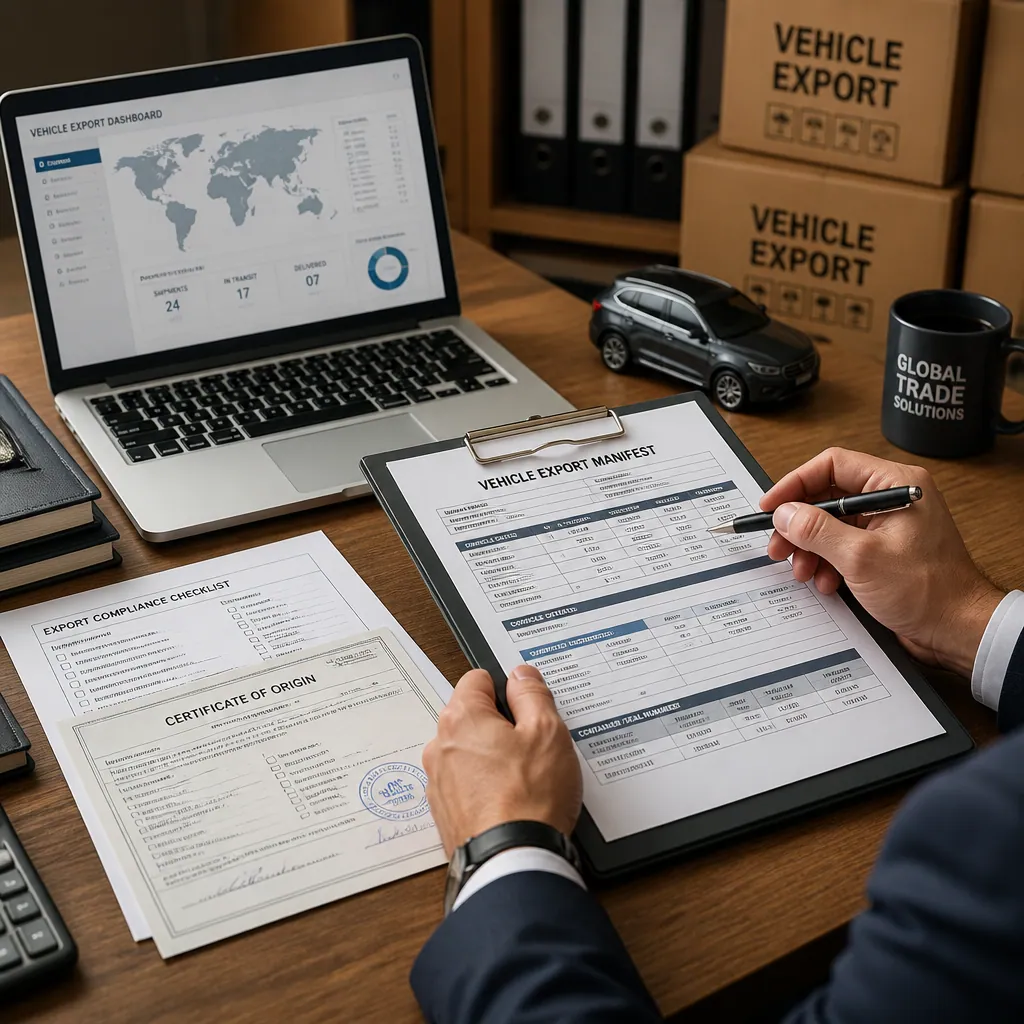
Getting the document set right is where wholesale vehicle import accounts succeed or fail in customs. Discrepancies between the invoice, packing list, bill of lading, and vehicle information, particularly the VIN and engine data, are among the most frequent causes of customs delays and port holds. The document set needs to be consistent across every field, not approximately consistent.
Core Documents Required for Every Wholesale Vehicle Shipment
The standard document package for a wholesale China vehicle export includes a commercial invoice, bill of lading, packing list, customs declaration, insurance certificate, and sales contract. Depending on the destination market and vehicle type, additional documents may include a certificate of origin, homologation certificates or type approval documentation, and emission compliance records.
For electric vehicles specifically, there is a regulatory development that every wholesale buyer needs to account for. China introduced export licence management for pure electric passenger vehicles, effective January 1, 2026. Under the new rules, only automakers and their authorized companies can apply for export licences for battery electric vehicles. This means that buying EVs through an unlicensed intermediary is no longer a grey area; it is a compliance violation on the export side that can result in the shipment being stopped at the Chinese port.
Gas powered vehicles and hybrids are already subject to similar export licence management under existing Chinese regulations. The 2026 change brought pure electric passenger vehicles into the same framework.
Destination Market Homologation and Type Approval
Export documentation covers what leaves China. Homologation covers what is legally allowed to be sold and registered in your destination market. These are separate processes with separate requirements, and a wholesale import account needs to address both.
Before committing to a vehicle model or specification, confirm the homologation status for your target market. Some Chinese manufacturers have already completed type approval or whole vehicle approval for specific export regions. Others export vehicles that require the importer to complete in country testing and registration. The cost and timeline of that process varies significantly by country and needs to be factored into your landing cost calculation.
A professional vehicle import project must align the exact vehicle configuration, destination market requirements, supplier evidence, commercial terms, export documentation, inspection standards, shipping arrangements, and after sales responsibilities. Any gap in that alignment creates a problem that is expensive to fix after departure.
Shipping Methods and Incoterms for Vehicle Imports
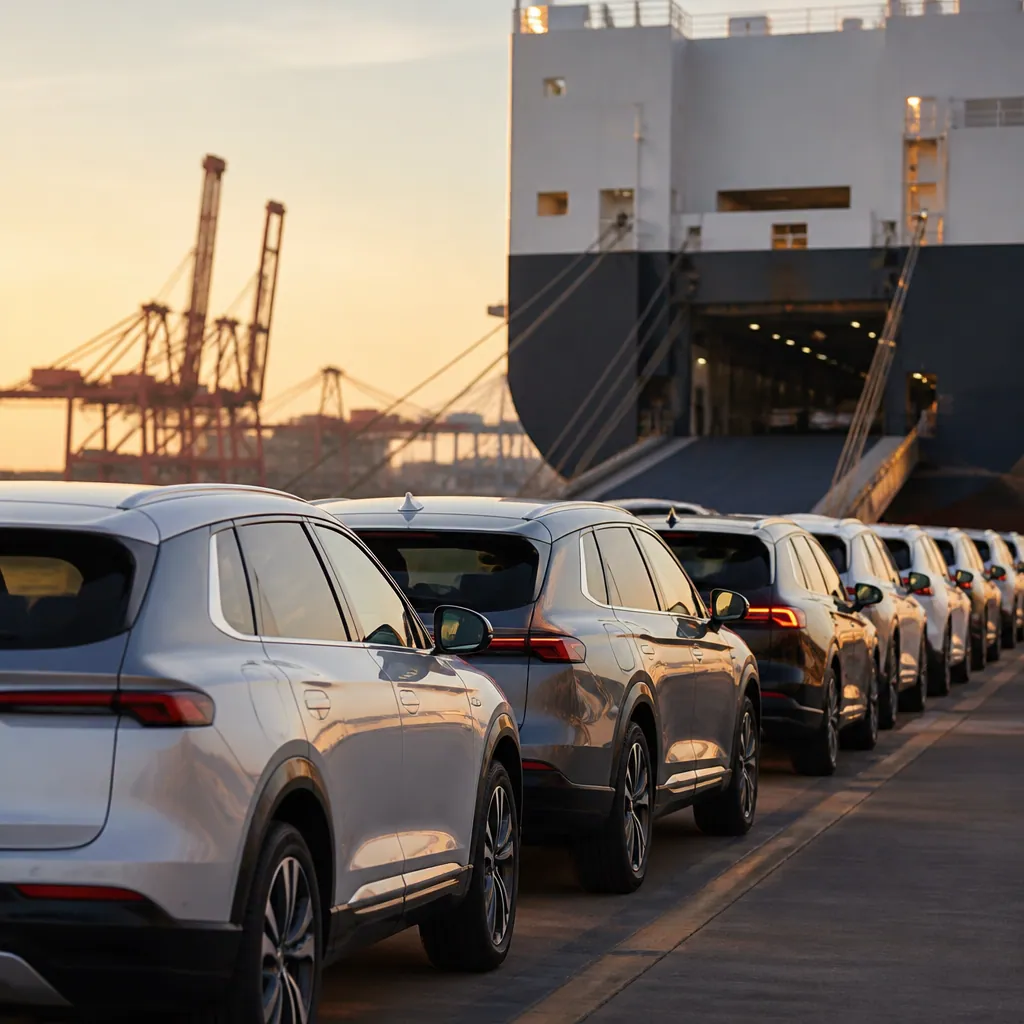
Vehicles ship from China by two primary methods: Roll on Roll off (RoRo) and container. Each has a different cost and risk profile that affects how you structure your wholesale account.
RoRo vs. Container Shipping for Wholesale Vehicle Orders
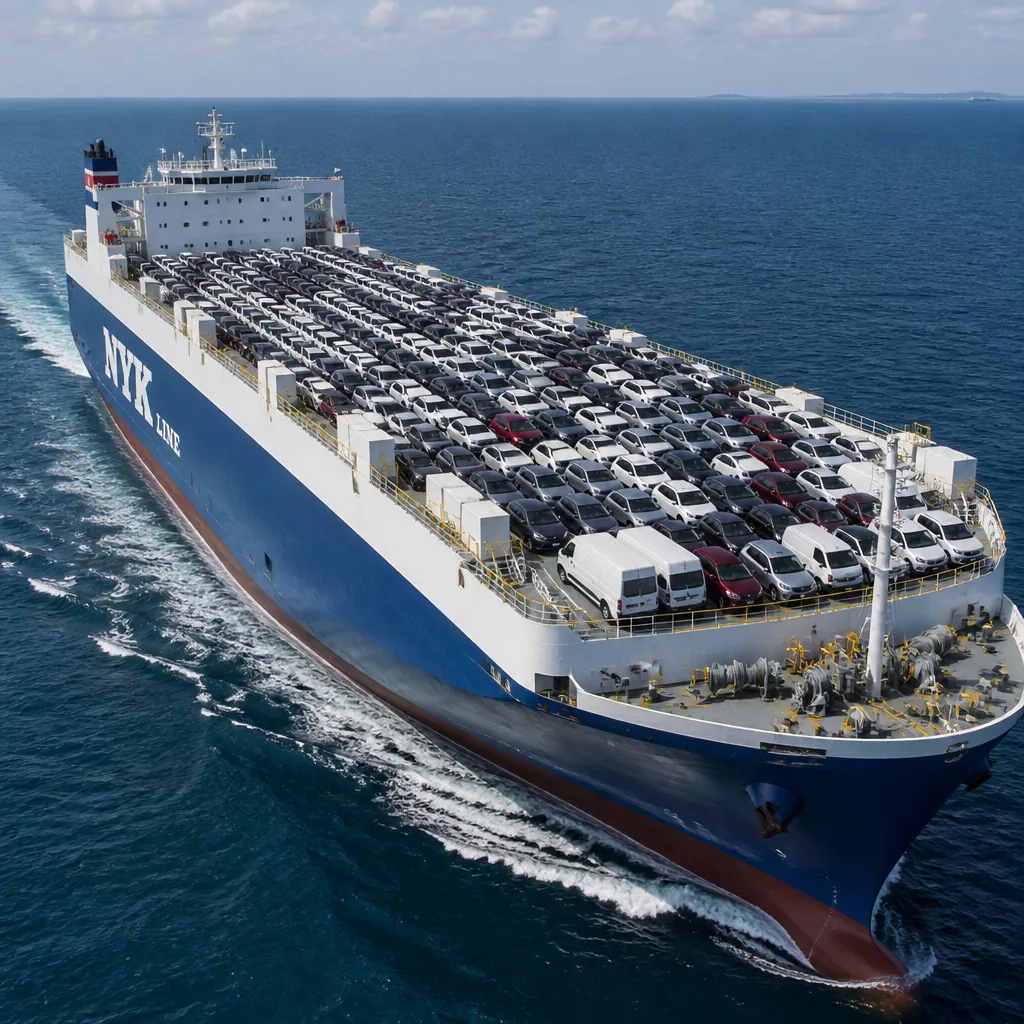
RoRo is generally the more cost effective option for standard passenger vehicles and SUVs because multiple units can be loaded onto a single vessel without boxing each one individually. It works well for vehicles in running condition and is the standard method for large wholesale shipments. The trade off is less physical protection during transit and limited flexibility on port routes compared to container shipping.
Container shipping provides better protection for higher value vehicles, EVs with sensitive battery systems, or markets where RoRo vessel availability is limited. Two standard vehicles typically fit in a 40-foot container, though configurations vary by model dimensions. Container costs are higher per unit but give you more control over handling.
For your wholesale account structure, get quotes from at least two freight forwarders on the same Incoterm before finalizing your landed cost model. Freight rate differences between forwarders on the same route can be material, and using your own forwarder rather than the supplier’s nominated one puts you in control of that cost.
Port Selection and Transit Times
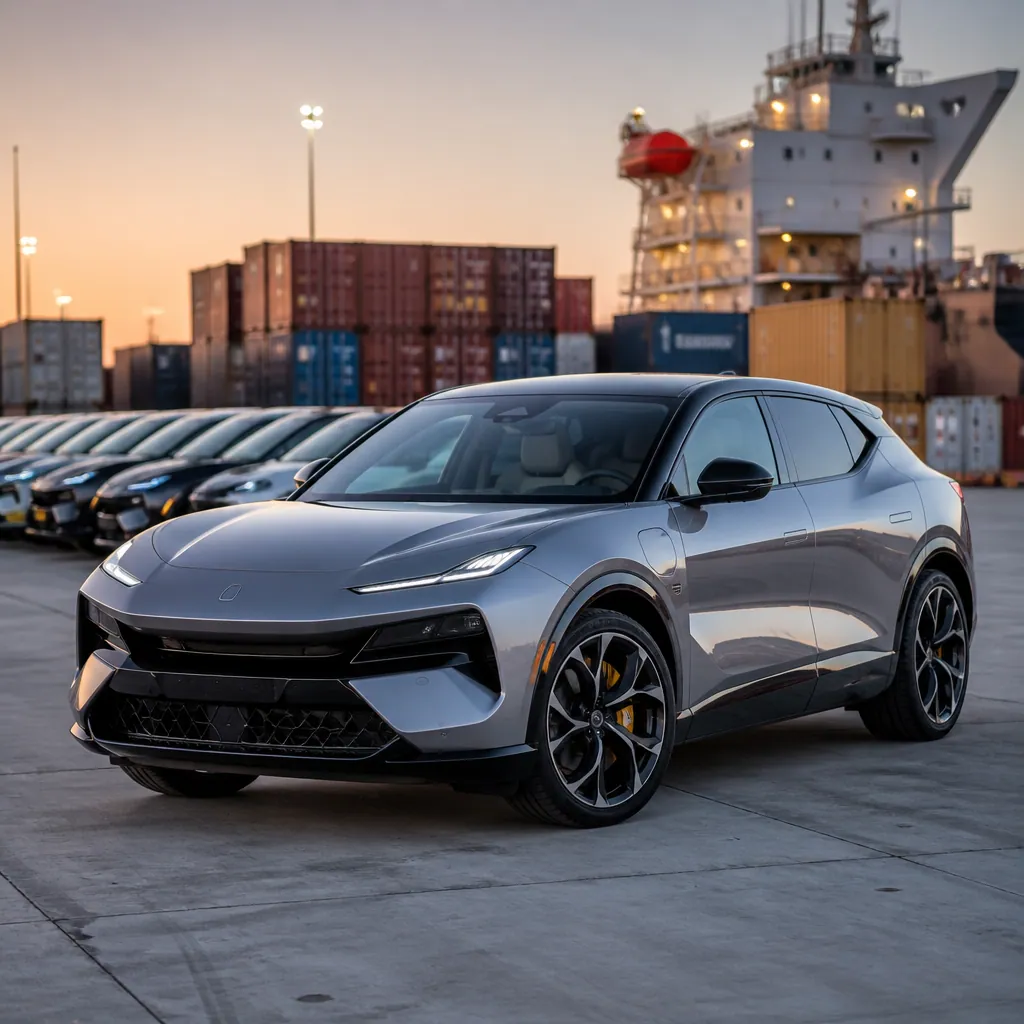
Major Chinese vehicle export ports include Shanghai, Tianjin, Guangzhou (Nansha), and Yantai, among others. The port your supplier uses affects both the transit time to your destination and the availability of vessel departures. For distributors serving the Middle East and Africa, confirm that your supplier’s nominated port has regular RoRo or container services to your destination port, and build realistic transit times into your stock planning. Vessel schedules for car carriers are less frequent than general cargo, so missed cut offs can add weeks to delivery timelines.
Landing Cost Calculation for Wholesale Vehicle Imports
The FOB China price is the starting point, not the total cost. A realistic wholesale vehicle import account model must include every cost from the factory gate to your sales lot. Distributors who quote FOB prices to their end customers without modeling the full landing cost consistently undersell margin or over price at the customer facing end.
The Full Cost Stack
Build your landing cost from the FOB price outward: add freight (RoRo or container), marine insurance, destination port charges and handling, import duty (which varies by vehicle type and country of registration), VAT or GST at the destination, homologation or type approval costs if applicable, bonded storage fees, and local pre delivery inspection (PDI) before retail delivery. Each of these is a real line item, and missing one will compress your margin or break your pricing model.
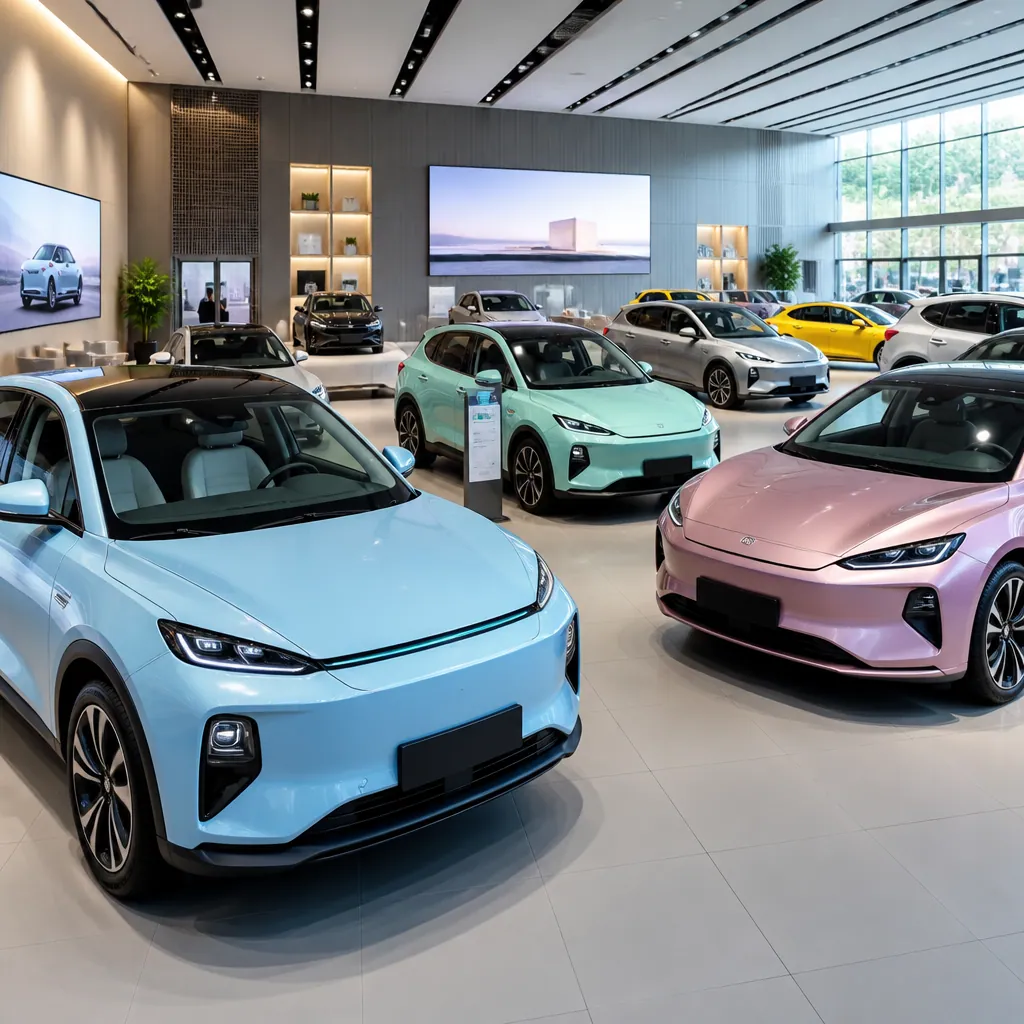
For fleet operators running a total cost of ownership model, extend the calculation further to include energy or fuel costs, tyre wear, service intervals, and the warranty structure. The warranty entity matters here: an OEM distributor warranty has a different value to an end customer than a warranty backed by an independent importer, and that difference will appear in your resale price and customer retention.
Chinese brand vehicles exported wholesale offer meaningful pricing advantages over equivalent vehicles sourced from established Western or Japanese brands, particularly in the EV and PHEV segments where Chinese manufacturers have invested heavily in production scale. That advantage is only captured if the landing cost model is accurate and the supplier relationship is structured to protect quality and delivery consistency.
Working with an experienced export partner who handles sourcing, supplier coordination, pre shipment inspection, export documentation, customs procedures, and international shipping as an integrated service eliminates most of the coordination risk for distributors who are scaling a new import program. Automotion Global provides exactly this kind of complete vehicle export solution, specifically for dealers, importers, and fleet operators entering or expanding in the wholesale vehicles China market. If you are building out a wholesale import account and want to discuss your specific volume, vehicle type, or destination market, reach out directly to start a conversation.
Pro tip: Factory fresh export stock has the clearest build sheet chain and the fewest warranty complications. If a supplier offers pre registered or demonstrator units at a discount, the shorter warranty period and less transparent history need to be reflected in your margin and disclosed to your end customers.
Frequently Asked Questions
What is the minimum order quantity for wholesale vehicles from China?
MOQs vary by brand and model. Established Chinese manufacturers typically set minimum orders in the range of 10 to 100 units per model per shipment for direct export accounts. Premium positioned brands sometimes accept lower minimums due to higher per unit values. If you are buying through a licensed export trading company rather than directly from the manufacturer, the MOQ may be more flexible, but you need to verify that the trading company holds the correct export authorization for the vehicle types you need.
What documents are required to import vehicles from China wholesale?
The core document set includes a commercial invoice, bill of lading, packing list, customs declaration, insurance certificate, and sales contract. Additional documents required depending on vehicle type and destination market include a certificate of origin, emission compliance certificates, homologation or type approval records, and for pure electric vehicles exported from China from January 2026 onward, a Chinese export licence. Discrepancies between any of these documents are among the most common causes of customs delays, so consistency across all fields is essential.
How do I verify that a Chinese vehicle supplier is legitimate?
A credible supplier should be able to provide, within one working day, a business licence that explicitly covers vehicle export, a company bank account in the same registered name, per unit documentation for the specific vehicles you are buying (including VIN), and confirmation that an independent pre shipment inspection can be arranged. Ask for redacted bills of lading from previous export shipments to your target region. Any supplier who cannot produce these promptly represents a meaningful risk regardless of how their marketing materials are presented.
What is the best Incoterm for a first wholesale vehicle order from China?
For the first two orders with a new supplier, CIF (Cost, Insurance, and Freight) places logistics responsibility with the seller up to your destination port, which limits your exposure while you are establishing the relationship. Once you have verified the supplier’s reliability across two or three shipments, switching to FOB and managing your own freight forwarder typically reduces shipping costs. For very large or high value orders with new suppliers, a Letter of Credit paired with FOB terms provides the strongest document level protection.
Do I need a special import licence to bring vehicles from China into my country?
Import licence requirements vary by destination country and vehicle type. Many markets in the Middle East, Africa, and Southeast Asia do not require a specific vehicle import licence beyond a general import registration or business licence, but they do impose specific homologation or type approval requirements before vehicles can be registered and sold. Some markets require vehicles to meet local emission standards or safety regulations that Chinese export models may or may not already comply with. Confirm the regulatory requirements for your specific destination before committing to a model or specification, not after the vehicles arrive.
What is the difference between buying wholesale vehicles directly from a Chinese manufacturer versus through an export trading company?
Buying directly from a manufacturer gives you the clearest warranty chain and, in some cases, lower unit pricing on large orders. It also requires you to manage more of the export coordination yourself, including documentation, customs filing, and logistics. A licensed export trading company or vehicle export specialist handles that coordination on your behalf, which reduces administrative complexity and risk for distributors who are not yet set up to manage multi step Chinese export processes internally. The trade off is an additional margin layer. The right choice depends on your order volume, internal resources, and how much export complexity you can absorb operationally.
Have you already started building a wholesale vehicle import program from China? Share the part of the process you found most complex in the comments, or reach out directly if you want a clearer picture of how a structured export account works in practice.
References
- Step by step B2B guide for dealers and distributors importing vehicles from China in 2026
- Wholesale Chinese car sourcing guide covering MOQs, FOB pricing, and fleet cost modeling
- China Ministry of Commerce announcement on export licence management for pure electric passenger vehicles from January 2026
- Practical guide to negotiating MOQs, payment terms, and Incoterms for China imports
- Verification framework for identifying credible Chinese vehicle exporters and avoiding common import risks