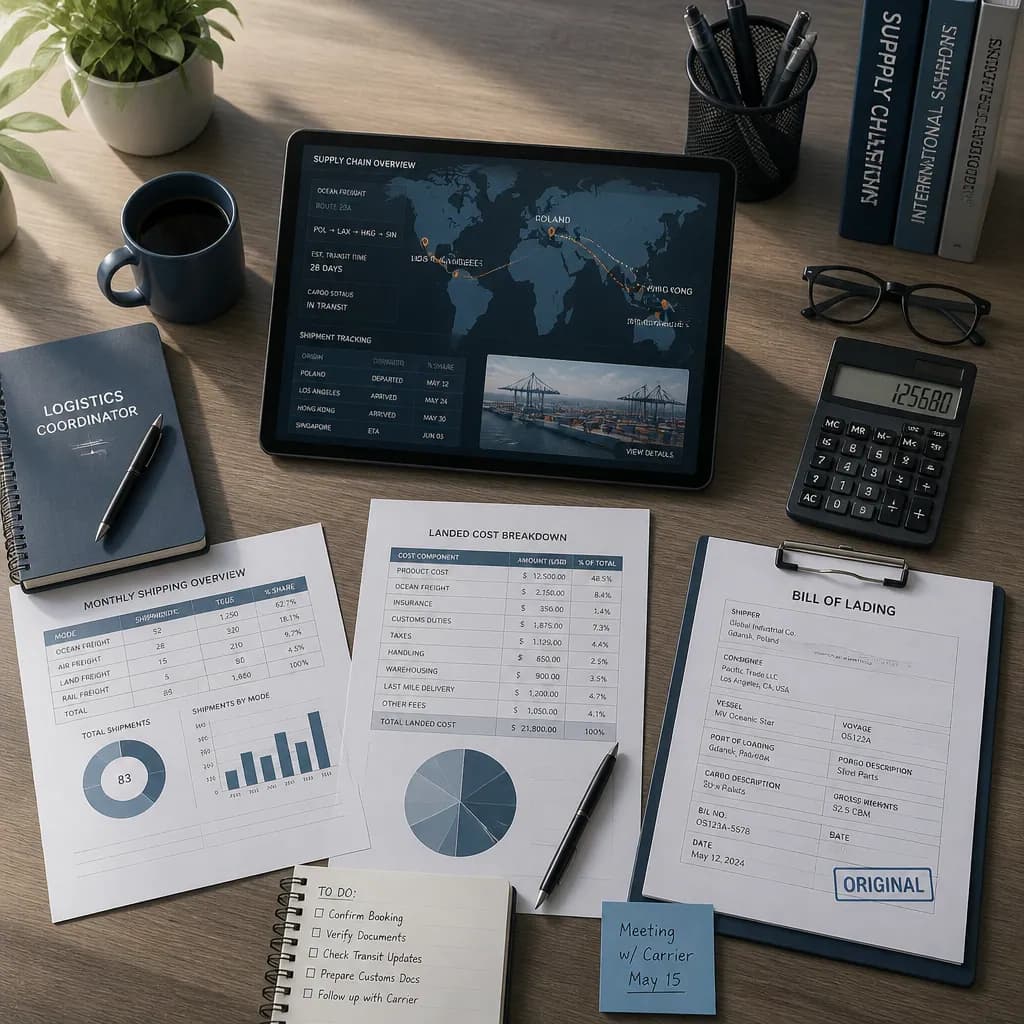
Most vehicle dealers and distributors exploring wholesale vehicles China for the first time hit the same wall: they get a price list from a supplier, wire a deposit, and only later discover the landed cost is 30% higher than expected once freight, duties, homologation, and port charges are factored in. The deal that looked profitable on paper stops making sense at the port. This guide explains exactly how wholesale vehicle deals from China work, from minimum order quantities and payment structures to export documentation and supplier selection, so you can evaluate opportunities with the same clarity a seasoned importer brings to every RFQ.
Quick Takeaways
| Key Insight | Explanation |
|---|---|
| MOQ varies sharply by brand and channel | Direct OEM orders from major Chinese brands often require 10 to 50 units per model per shipment at minimum, and some manufacturers set annual thresholds far higher. Sourcing through an authorized export agent allows smaller buyers to access factory pricing without meeting those thresholds alone. |
| The standard payment split is 30/70 | Most Chinese vehicle exporters require a 30% deposit on order confirmation and the 70% balance before shipment or against the Bill of Lading. Letters of Credit (L/C) are available for larger orders and provide security for both sides. |
| Landed cost is the only number that matters | Factory price, FOB price, and CIF price are all intermediate figures. The number that determines your margin is landed cost: CIF plus import duty, VAT, port handling, homologation costs, and local compliance fees. |
| Homologation must be confirmed before the deposit | Whether a specific Chinese model can be legally registered in your destination market is a compliance question, not a sales question. Confirm the homologation pathway with a local compliance agent before any irrevocable payment is made. |
| CBU is the standard vehicle export format | Wholesale vehicle deals from China are almost always conducted in CBU (Completely Built Up) format, meaning fully assembled, road ready units. This is distinct from CKD (Complete Knock Down) kits used for local assembly. |
| The supplier chain has multiple layers, each adding cost | The traditional chain runs Manufacturer to Exporter to Importer to Dealer. Each layer adds margin. Working with a specialist export agent who has direct manufacturer relationships compresses this chain and improves your per unit cost. |
| Pre shipment inspection is non negotiable | Once vehicles leave the factory and are loaded onto a vessel, your negotiating position is gone. Commissioning an independent pre shipment inspection to verify VIN, build spec, steering configuration, and condition is the single most important risk control step in any bulk car order from China. |
What “Wholesale Vehicles China” Actually Means
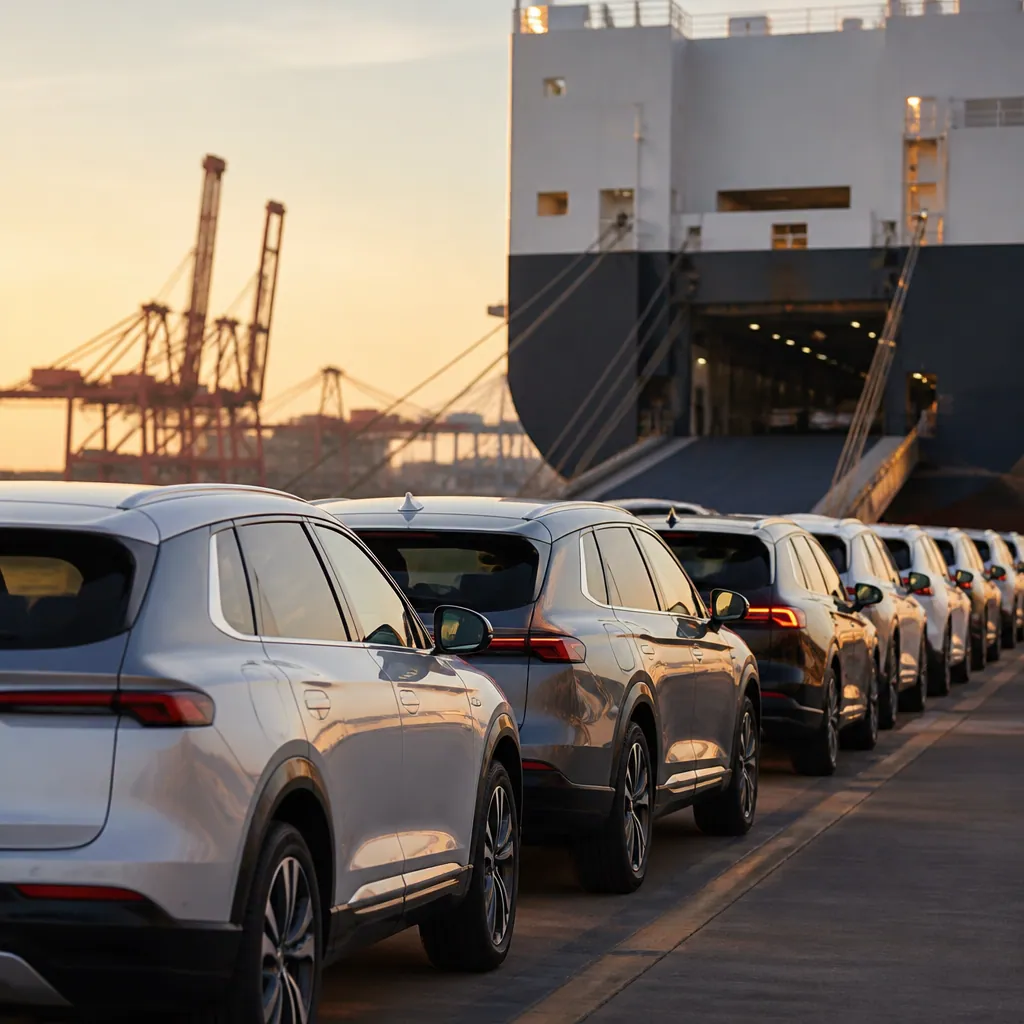
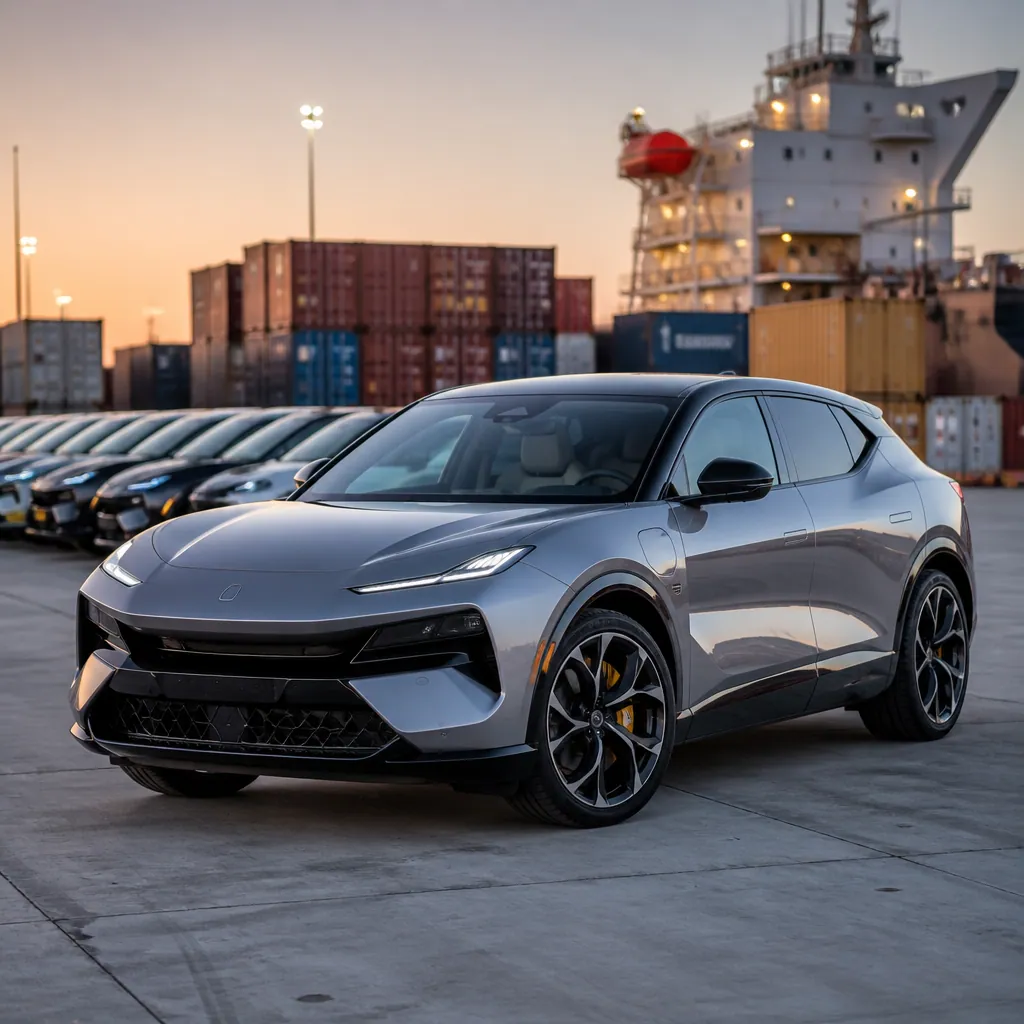
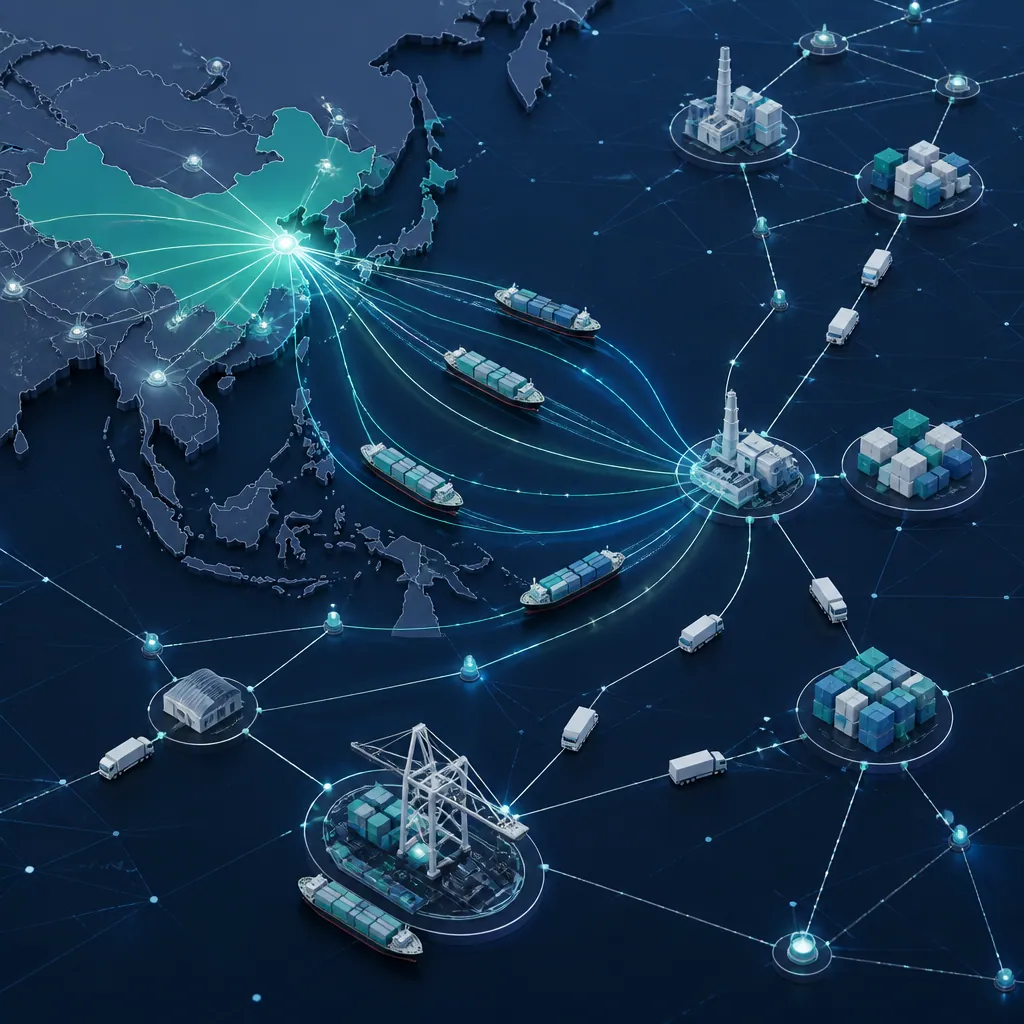
The term gets used loosely, so it is worth being precise. Wholesale vehicles China refers to the purchase of brand new, factory produced vehicles in commercial quantities, sourced directly from Chinese manufacturers or their authorized export channels, for resale or fleet deployment in a destination market outside China.
These are CBU (Completely Built Up) unitsmeaning fully assembled and road ready, exported under standard vehicle export documentation. This is different from importing parts or CKD kits for local assembly. The buyer is a dealer, distributor, fleet operator, or trading company, not an individual retail consumer browsing a showroom.
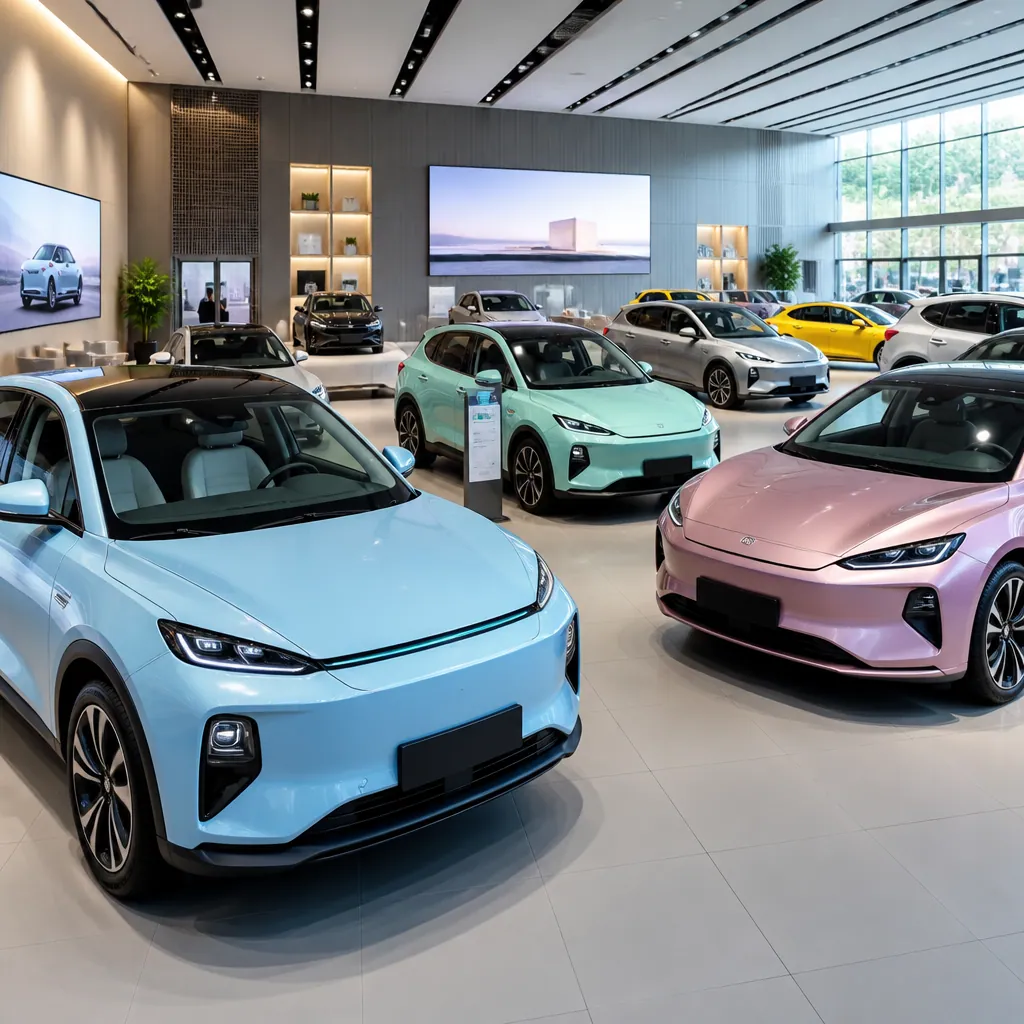
The appeal is straightforward. Chinese vehicle manufacturers now produce passenger cars, SUVs, electric vehicles, plug in hybrids, vans, and commercial vehicles that meet or exceed the quality expectations of markets across the Middle East, Africa, and Asia, at factory costs that give importers a real margin advantage over sourcing from European or Japanese OEMs.
Who this deal structure is built for
If you are buying a single vehicle, this process is not for you. The wholesale model is designed for buyers taking a minimum of five to ten units per order, and the economics only become compelling at larger volumes. The typical wholesale buyer is one of the following: an established vehicle dealer adding a Chinese brand to their forecourt, a regional distributor building a multi brand portfolio, a fleet operator sourcing vehicles for a corporate, government, or rental operation, or a trading company consolidating orders across multiple end buyers.
Understanding which of these you are matters because it determines which supplier type you should approach, what MOQ you can realistically meet, and how much negotiating power you have on price and payment terms.
Minimum Order Quantities and Deal Structures
MOQ (Minimum Order Quantity) is one of the first practical realities any new importer encounters when exploring a bulk car order China. Chinese manufacturers set MOQs primarily to manage the economics of export documentation, shipping container utilization, and production scheduling.
Direct OEM orders versus agent consolidated orders
Going directly to a Chinese OEM’s export department typically means facing higher MOQ thresholds. Some major brands require buyers to demonstrate an annual commitment of several hundred units before offering direct pricing. Smaller or first time buyers who cannot meet those thresholds are turned away at the manufacturer level regardless of their willingness to pay.
The practical alternative is to work with an authorized export agent or specialist vehicle supplier who has existing volume relationships with multiple Chinese OEMs. These agents consolidate orders from multiple buyers, meaning a dealer needing 20 units of one model can access factory level pricing without meeting a threshold designed for a 500-unit per year distributor.
Pro tip: Always ask a prospective supplier which OEM export department or authorized channel they source through. A legitimate wholesale vehicle supplier from China will have documented supplier relationships, not just a catalog of vehicles they claim to be able to source. If they cannot name their supply chain, walk away.
Deal structure at the order stage
A typical wholesale vehicle order from China follows this sequence: inquiry and price quotation, model and specification confirmation, pro forma invoice issuance, deposit payment to confirm the order, production or allocation, pre shipment inspection, balance payment, export documentation preparation, loading and vessel booking, and Bill of Lading issuance. Each step has a defined handoff, and understanding where your obligations begin and end at each point protects you from surprises.
In wholesale vehicle exports, the pro forma invoice is not a quote you negotiate forever. It is a commitment document. Once you pay the deposit against it, the spec is locked. Changes after that point cost money and time.
Payment Terms for Bulk Car Orders from China
Payment terms are where a lot of first time importers take unnecessary risk. The standard structure for Chinese vehicle exports is a 30% deposit on order confirmation and a 70% balance before shipment or against presentation of the Bill of Lading copy. This applies to TT (telegraphic transfer / wire transfer) transactions, which are the most common payment method for vehicle exports from China.
Letters of Credit for larger orders
For larger orders, Letters of Credit (L/C) are a well established alternative that provides payment security for both the buyer and the supplier. Under an L/C structure, the buyer’s bank issues a conditional guarantee of payment to the seller’s bank. Payment is triggered only when the seller presents compliant shipping documents, including the Bill of Lading, commercial invoice, packing list, and certificate of origin.
L/C transactions add banking fees and document preparation time but give buyers meaningful protection on high value shipments. The documentary nature of the L/C means the seller cannot demand payment without proving the goods were actually shipped according to the agreed specification.
Pro tip: If a supplier refuses to accept an L/C for an order above a certain value threshold and insists on 100% TT in advance, treat that as a significant red flag. Established exporters with real supplier relationships have no reason to refuse documentary credit on large transactions.
Incoterms: FOB versus CIF
The Incoterm you agree on determines who carries the risk and cost of freight and insurance. FOB (Free On Board) means the seller’s responsibility ends when vehicles are loaded onto the vessel at the Chinese port. From that point, the buyer arranges and pays for ocean freight and insurance. CIF (Cost, Insurance, Freight) means the seller arranges and pays for freight and basic marine insurance to the destination port, but risk transfers to the buyer at the loading port.
In practice, FOB gives buyers more control over their shipping arrangements and often results in better freight rates when buyers consolidate cargo across multiple suppliers. CIF is simpler for smaller buyers who do not yet have a freight forwarding relationship but can result in higher total shipping costs if the seller’s freight rates are not competitive.
Export Documentation and Customs Requirements
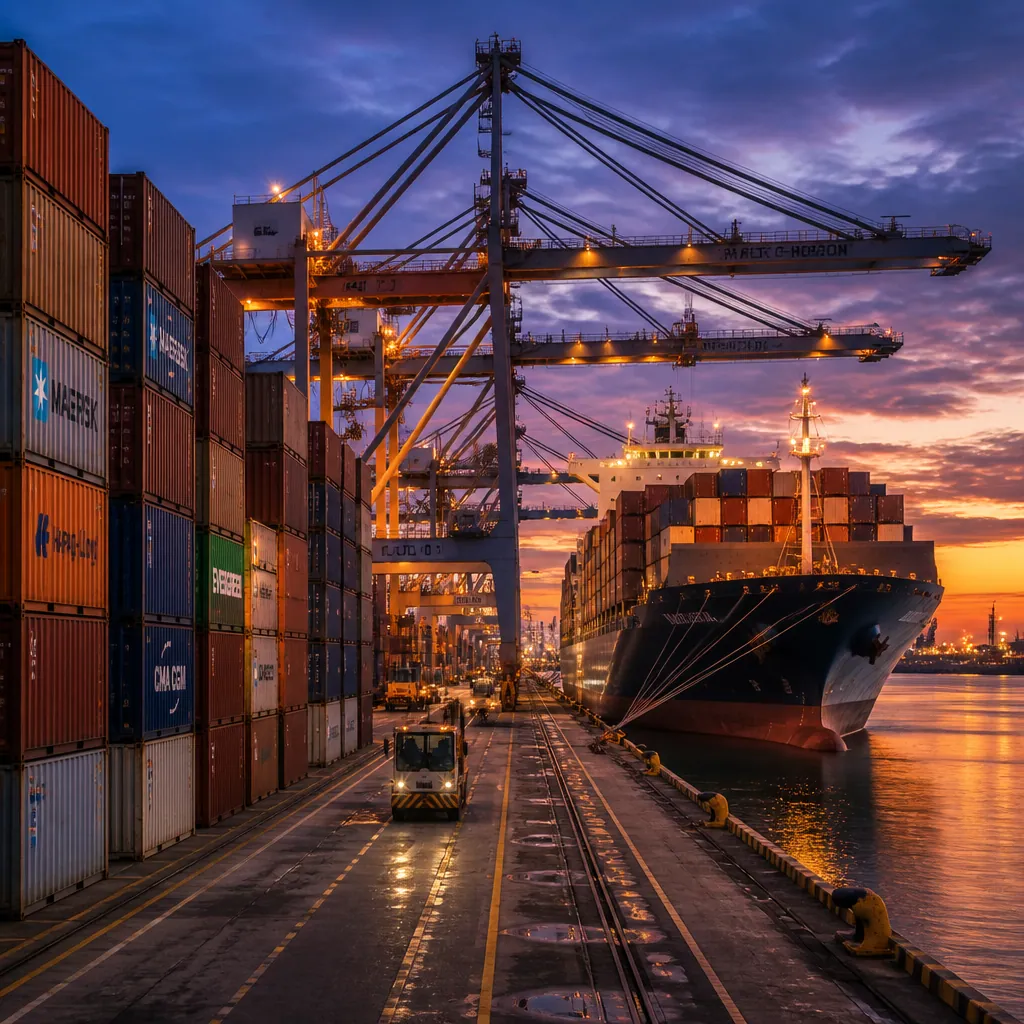
Documentation is the operational heart of any vehicle export from China, and errors here are expensive. A mismatch between the VIN on the export declaration and the VIN on the commercial invoice, for example, can cause a customs hold at the destination port that costs days or weeks and real money in demurrage charges.
Core export documents
A standard vehicle export from China requires the following: a commercial invoice, a packing list, a certificate of origin (typically Form A or a China specific CO), a Bill of Lading (for sea freight), an export customs declaration, and the vehicle’s certificate of conformity or equivalent factory documentation. Some destination markets require additional documents such as a pre shipment inspection certificate issued by a third party inspection body.
Destination market homologation and type approval
China exports vehicles built to Chinese domestic standards. Whether a specific model meets the safety, emissions, and technical standards of your destination country is a separate question that must be answered before you commit to any order. This process is called homologation or type approval, and it varies by country.
Some Chinese models have already been type approved in major export markets such as the GCC countries, South Africa, or various Southeast Asian markets. Others have not. The distinction is critical because selling an unapproved vehicle in a regulated market can mean the vehicle cannot be registered, which makes it worthless to your end buyer.
Confirming the homologation status of a specific model in your specific destination market is the job of a local compliance agent or homologation consultant. Do not accept a Chinese supplier’s assurance that a vehicle “meets your country’s standards” as a substitute for verified type approval documentation.
Supplier Types Compared: Which Route Fits Your Volume
Choosing the right supplier channel is as important as choosing the right vehicle. The three main routes for sourcing wholesale vehicles from China each have different cost profiles, risk levels, and volume requirements.
| Supplier Type | Best For | Key Considerations |
|---|---|---|
| Direct OEM / Manufacturer Export Department | Large volume distributors (typically 100+ units per year per brand) seeking exclusive territory agreements | High MOQ thresholds, fixed pricing with limited room for negotiation, strong after sales support and warranty backing, requires demonstrating financial capacity and market presence |
| Authorized Export Agent / Specialist Vehicle Supplier | Dealers and distributors buying 5 to 100 units per order across multiple brands, or entering a new brand for the first time | Lower effective MOQ through order consolidation, competitive factory level pricing without direct OEM relationship, handles sourcing, inspection, and export documentation, critical to verify actual supplier relationships not just a catalog |
| Trading Company / General Exporter | Spot purchases and one off orders where the buyer needs a single source for a small mixed shipment | Most flexible on quantity, highest price per unit, limited accountability on compliance and documentation quality, higher due diligence burden on the buyer, not recommended as a primary supply channel for established dealers |
For most vehicle dealers and distributors building a repeatable import operation, the authorized export agent model delivers the best combination of pricing, documentation reliability, and practical MOQ flexibility. The key is verifying that the agent has genuine and current OEM relationships rather than acting as a second tier trading company with a professional looking website.
Automotion Global operates as a specialist vehicle export supplier with direct relationships across established Chinese automotive manufacturers, covering passenger cars, EVs, PHEVs, SUVs, commercial vehicles, vans, and fleet vehicles. The model is built for dealers, importers, and fleet operators who need the pricing advantages of factory level sourcing without the volume commitments of a direct OEM distribution agreement.
Vehicle Inspection and Compliance Before Shipment
Pre shipment inspection is the point in the process where most of the preventable problems are caught, and also the point that the most first time importers skip in the interest of saving a few hundred dollars per unit. That is a false economy on a transaction worth tens of thousands of dollars per vehicle.
What a pre shipment inspection should cover
A proper pre shipment inspection for wholesale vehicles from China should verify the following: VIN decoded against the export build sheet, steering side confirmation (left hand drive or right hand drive as ordered), charging inlet type for EVs and PHEVs (this varies by export market), compliance plate details, tyre label specifications, exterior condition, and a functional check of major systems. The inspection report should match the documents that will travel with the vehicle.
Any discrepancy found at pre shipment inspection is fixable before the vehicle leaves the factory or port. The same discrepancy found at the destination port is a customs problem, a potential registration problem, and a very slow conversation with a supplier who is now thousands of miles away and has already been paid.
Who conducts the inspection
The inspection should be conducted by an independent third party inspection body, not by the supplier themselves. For buyers who cannot travel to China, working with a vehicle export partner who has established inspection processes at the factory or pre shipment stage is the practical alternative.
Landed Cost Calculation for a Wholesale Car Dealer China
Every wholesale car dealer China relationship eventually comes down to this question: what does the vehicle actually cost by the time it reaches my market and is ready to sell? Working backwards from landed cost is the only reliable way to evaluate whether a wholesale deal makes commercial sense.
The components of landed cost
Landed cost for a vehicle imported from China includes the following components. The factory or FOB price is the starting point. Ocean freight from a Chinese port to your destination port is added on top of that. Marine insurance, typically a percentage of the cargo value, follows. Import duty, calculated as a percentage of the customs value (usually CIF), is often the largest variable and depends entirely on your destination country’s tariff schedule for vehicles. Local port handling and terminal fees are frequently underestimated by first time importers. Homologation and compliance costs, if the vehicle requires certification for your market, can range from negligible to substantial. Finally, local transport and pre delivery inspection costs complete the picture.
A common mistake is building a margin model based on the CIF price and assuming that import duty is the only additional cost. In practice, port handling, local compliance, and any remedial work required after inspection can add meaningful amounts to the per unit cost, particularly in markets with complex import procedures.
Automotion Global provides transparent landed cost guidance as part of the sourcing and export process, helping dealers and distributors build accurate cost models before committing to an order rather than discovering the real numbers at the port.
Frequently Asked Questions
What is the minimum order quantity for wholesale vehicles from China?
It depends on the supplier channel. Going directly to a major Chinese OEM’s export department typically means facing minimum annual commitments that are out of reach for most smaller dealers. Working through an authorized export agent or specialist vehicle supplier like Automotion Global allows buyers to access factory level pricing at lower per order quantities, sometimes from as few as five to ten units, because the agent consolidates volume across multiple buyers.
What payment terms are standard for a bulk car order from China?
The most common structure is a 30% deposit paid by TT (wire transfer) on order confirmation, with the 70% balance paid before shipment or against the Bill of Lading. For larger orders, Letters of Credit (L/C) can be arranged, which provide documentary security for both the buyer and the seller. Some suppliers with established repeat buyers offer modified terms, but 30/70 TT is the baseline expectation for new buyer relationships.
How do I know if a Chinese vehicle model is approved for sale in my country?
You confirm this with a local homologation consultant or compliance agent in your destination market before paying any deposit. Many Chinese models have existing type approvals in major export markets, but the approval status is specific to the exact model, variant, and sometimes the model year. A vehicle that is approved in one GCC country may not yet be approved in another. Never rely on a supplier’s verbal assurance as a substitute for verified type approval documentation.
What documents are needed to import wholesale vehicles from China?
The core export documents are the commercial invoice, packing list, certificate of origin, Bill of Lading, and export customs declaration from the Chinese side. Your destination country will typically require an import customs declaration, proof of payment of applicable duties and taxes, and the vehicle’s certificate of conformity or equivalent homologation documentation. Some markets also require an independent pre shipment inspection certificate. Your freight forwarder and a local customs broker in your destination country can confirm the exact document set required.
What is the difference between FOB and CIF pricing in vehicle exports?
FOB (Free On Board) means the seller’s cost and risk obligation ends when the vehicle is loaded onto the vessel at the Chinese port. You arrange and pay for ocean freight and insurance from that point. CIF (Cost, Insurance, Freight) means the seller includes ocean freight and basic marine insurance to the destination port in the price, but risk still transfers to you at the loading port. FOB gives you more control over freight costs and carrier selection, while CIF is simpler for buyers who do not yet have freight forwarding arrangements in place.
How does Automotion Global differ from a standard Chinese trading company offering vehicles for export?
Automotion Global operates as a dedicated vehicle export specialist, not a general trading company. The difference matters in practice: a specialist supplier maintains direct relationships with established automotive manufacturers across China, has documented inspection and export documentation processes, provides aftersales support and spare parts coordination, and takes accountability for the quality and compliance of what it ships. A general trading company’s accountability typically ends when the payment clears. For dealers and distributors building a repeatable import operation, that distinction has real commercial consequences.
If you have experience sourcing vehicles wholesale from China, whether it went smoothly or sideways, share what you learned in the comments. The practical details that are not in any guide are often the most useful.
We would love your feedback and any insights you would share with others. What perspective would you add?
References
- Wholesale Chinese car sourcing guide covering MOQs, payment terms, and export process for dealers and fleet buyers
- Practical B2B guide to importing cars from China in 2026, covering sourcing, verification, and shipping terms
- Guide to sourcing complete CBU vehicles from China including supplier channels and buyer qualification
- How to import cars from China in bulk including supplier types, compliance, and right hand drive vehicle considerations
- Export car buying guide covering payment methods, Incoterms, and customs documentation for China vehicle exports