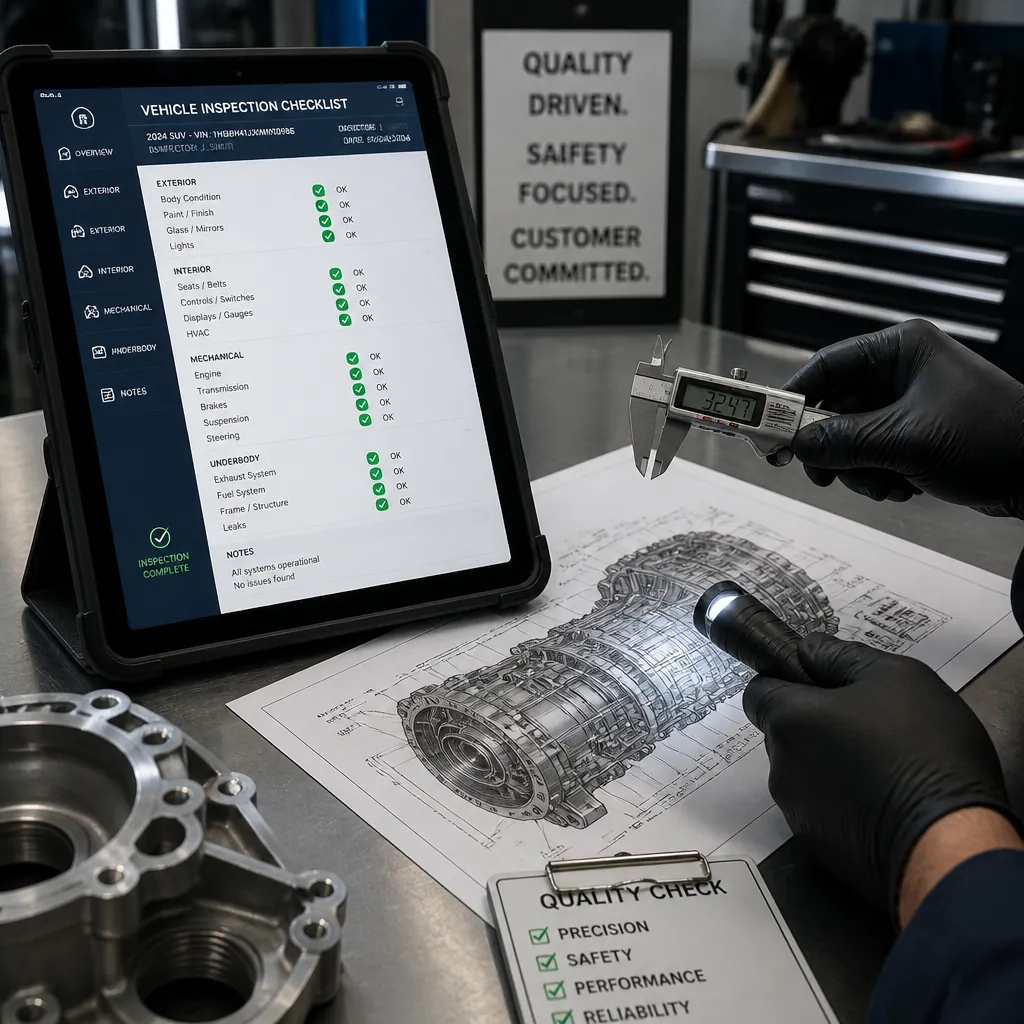
Most disputes in international vehicle trade trace back to a single failure point: the inspection was skipped, rushed, or handled by the wrong party. If you are buying new vehicles from China for resale, fleet use, or distribution, the vehicle inspection China export process is not a checkbox. It is the layer of certainty that protects your investment before the ship leaves port. A vehicle that fails at the destination country costs you in customs holds, re export fees, customer refunds, and reputation damage. Understanding what a proper pre export inspection looks like, step by step, puts you in control of that risk from the start.
Why Pre Export Inspection Matters for International Buyers
When you source vehicles from China for markets in the Middle East, Africa, or Southeast Asia, you are making a financial commitment before you see the physical product. The inspection is the mechanism that closes that gap between order and reality.
This is not just about catching defects. Pre export vehicle checks confirm that the car being loaded matches the specifications you ordered, that its documents are consistent, that it meets the destination market’s regulatory requirements, and that it will survive the maritime journey in the condition it leaves port. Each of these is a separate failure mode if inspection is absent.
Dealers and fleet operators who skip this step often discover problems after arrival. By then, the costs multiply: local inspection failures, re export paperwork, warranty disputes with suppliers, and lost sales windows in a seasonal market. A structured inspection done in China before loading is always cheaper than fixing the problem at destination.
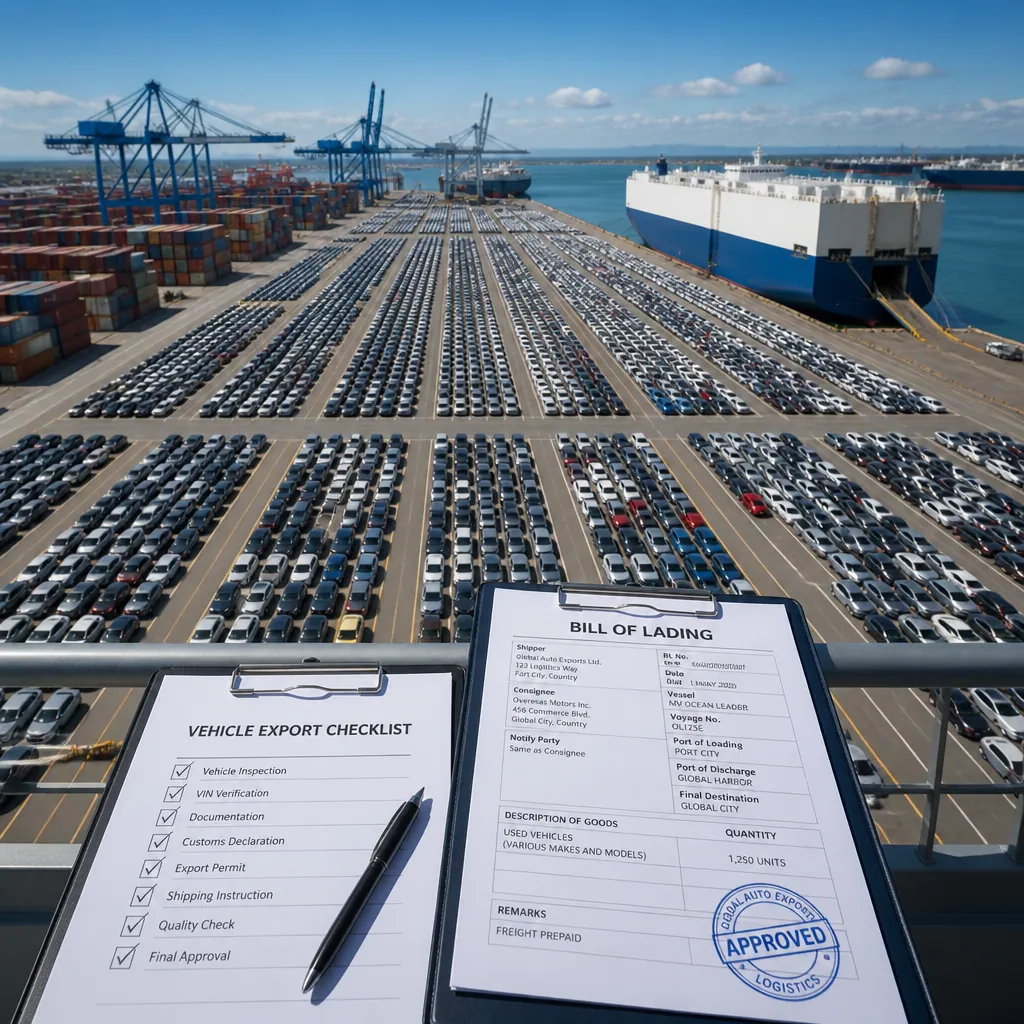
The Stages of Vehicle Inspection Before Export from China
A proper pre export process for new vehicles from China is not a single event. It runs across several defined stages, each with its own scope and responsible party.
Stage 1: Factory Quality Check
Vehicles undergo comprehensive quality checks before leaving the factory to meet export standards. For brand new units, this is the manufacturer’s own quality control gate. It covers basic assembly integrity, paint finish, fluid fill levels, and function tests. It is necessary but not sufficient for international export, because the factory check does not validate destination specific compliance or document accuracy.
Stage 2: Localization and Adaptation Verification
Modifications such as dashboard language, taillight color, and voltage settings may be required to meet local regulations. A vehicle destined for a right hand drive market in Africa or a GCC market with specific lighting rules must have those adaptations confirmed before the pre export inspection begins. If the localization work was done incorrectly, it is far more practical to address it at the supplier’s facility in China than after the unit arrives at a port in Dubai or Mombasa.
Stage 3: Pre Export Inspection and Clearance Certificate
Submit the vehicle for official inspection and obtain a clearance certificate for customs processing. This is the formal gate before customs declaration. The clearance certificate is required for the customs filing, and without it the export process stalls.
Stage 4: Customs Declaration
Declare the vehicle at the Chinese Customs system for inspection and approval. Chinese customs can conduct random physical checks of their own at this stage. Having a clean inspection record from the prior stages significantly reduces the likelihood of customs holds or re inspection requirements.
Stage 5: Pre Loading Check
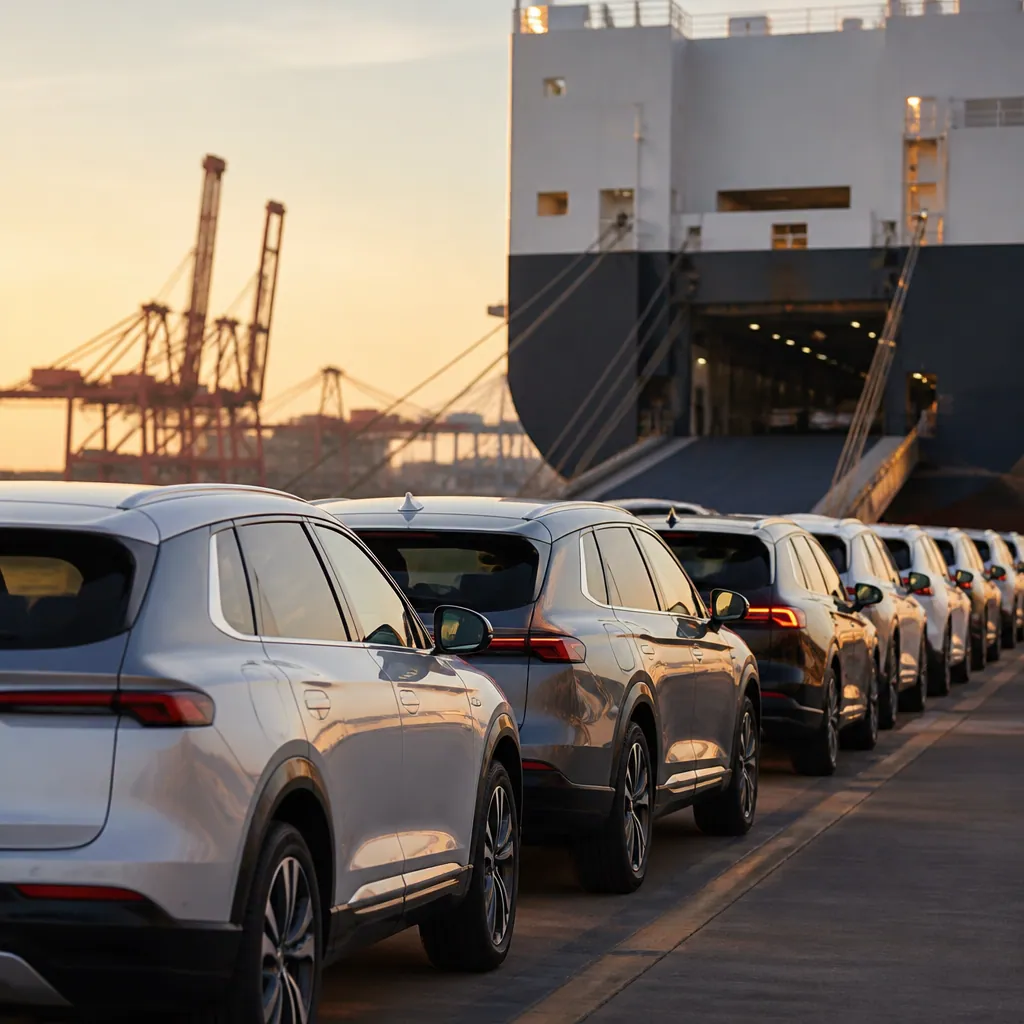
Before the vehicle is placed on a RoRo vessel or sealed in a container, a final visual check should confirm that no damage occurred during staging or transport from the inspection facility to the port. This is often overlooked and is the source of many “in transit damage” disputes that are actually pre loading damage that was never documented.
What Inspectors Actually Check: A System by System Breakdown
The scope of a credible pre export vehicle inspection covers identity, structural condition, mechanical integrity, and document consistency. Each area has specific failure points that matter for international buyers.
Identity and Document Verification
Cross check the Vehicle Identification Number (VIN) on the dashboard, B-pillar sticker, engine block, and the Engine Control Unit (ECU) software to ensure a 100% match. Verify that the engine number and vehicle specifications match the export license and customs declaration documents. A VIN mismatch is one of the most common reasons a vehicle fails customs clearance at the destination port. It is easy to detect in China before loading and extremely costly to resolve after arrival.
Confirm that the vehicle meets the target market’s specific requirements such as emission standards, left or right hand drive regulations, and lighting configurations. For buyers serving GCC markets, this includes confirming GCC certification compliance. For other African markets, it means verifying that the emissions rating and safety features match what local regulators accept.
Exterior and Structural Condition
Inspectors check the vehicle’s exterior for dents, scratches, paint mismatches, or signs of accident repair. They also examine the frame alignment and underbody for corrosion or welding marks. For new vehicles, this check confirms that no damage occurred during factory storage or initial transport. Paint mismatches on a new car can indicate unreported panel repairs that happened before the export.
Mechanical and Fluid Systems
Vehicles are hoisted to inspect the chassis, looking for any signs of corrosion and ensuring anti rust coatings are adequate for maritime climates. A full system diagnostic scan checks for historical, active, or pending fault codes, and the ECU log must be entirely clear before export approval is granted.
Chinese inspection centers conduct dynamic tests to evaluate engine noise and vibration levels, oil leakage or coolant issues, acceleration and idle performance, and transmission response and gear shifting. A test drive is standard practice in any credible pre export check. A vehicle that has only been moved in a compound without a road test is not fully inspected.
“A vehicle failing overseas results in catastrophic logistics costs”, the cost of inspection in China is a fraction of the cost of resolving compliance failures at destination.
EV and PHEV Inspection: What Is Different
Electric vehicles and plug in hybrids sourced from China require additional inspection steps that go beyond what applies to internal combustion vehicles. If you are importing EVs or PHEVs for your market, these differences are not optional details.
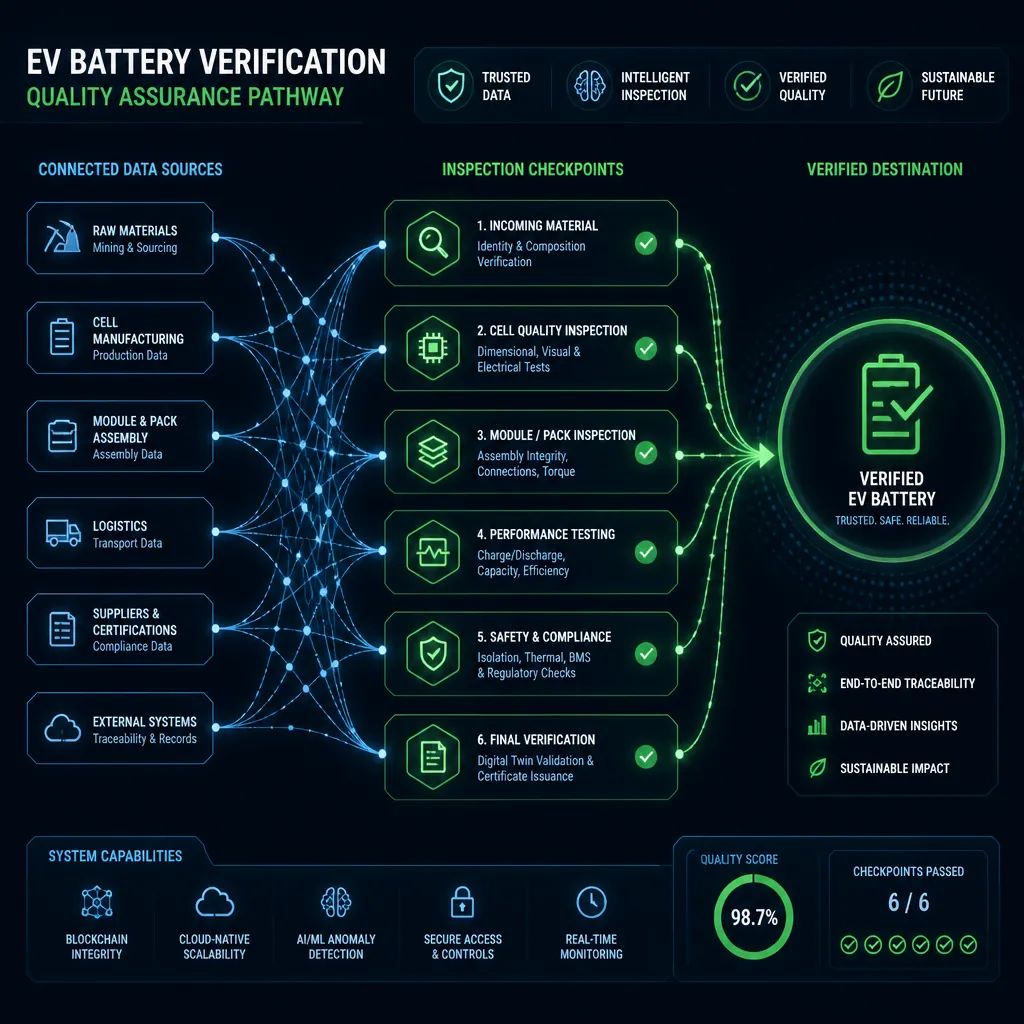
Before the car leaves the port, a third party inspection is vital to ensure the battery health, software version (global vs. Chinese UI), and physical condition meet your expectations. A vehicle with a Chinese language interface and a Chinese market software build will not function correctly for end customers in the Middle East or East Africa without the appropriate firmware version.
For electric vehicles, battery state of health is the single largest hidden value factor, and it is invisible in photographs. Battery state of health (SOH) must be measured with a proper diagnostic tool, not estimated from the display panel. A battery reading 78% SOH on a new looking EV is a significant problem that no photograph would reveal. Any inspection that does not include a battery SOH reading on an EV is incomplete.
Charging port compatibility is another EV-specific check. China uses the GB/T charging standard domestically. Vehicles destined for markets using CCS2, CHAdeMO, or other standards need the appropriate port adapter or hardware modification confirmed before export.
Upon arrival, vehicles must pass through local customs, and depending on the destination country, the charging port may need to be modified from GB/T to CCS2. Confirming this at the China stage avoids expensive rework at destination.
Third Party vs. Supplier Self Inspection: How to Choose
This is the single most consequential decision in the inspection process. Supplier conducted inspections have their place, but they are not a substitute for independent verification on high value orders.
Inspection by SGS, Bureau Veritas, or another third party provider can be more trusted than a supplier’s self check, because it reduces information asymmetry and provides a useful reference if disputes occur. Organizations like SGS and Bureau Veritas operate internationally recognized inspection protocols. Their reports carry weight with customs authorities, insurers, and end customers in a way that a supplier’s internal checklist does not.
In practicea supplier self inspection is acceptable for a repeat order of a vehicle model you have bought before, from a supplier you have verified over multiple shipments. For first orders, new suppliers, bulk orders, or any EV purchase, an independent third party inspection is the correct choice. The cost of a third party inspection is modest relative to the invoice value of a vehicle shipment.
New vehicles can still have transport scratches, configuration differences, or document issueswhich is why even new car orders benefit from pre export verification. The “it’s new” assumption is one of the most common mistakes first time importers make.
Pro tip: When briefing a third party inspector, provide the exact specification sheet for the vehicle model and your destination market’s compliance requirements. A generic inspection checklist will miss market specific items such as lighting color, reflector positioning, or emissions labeling.
Inspection Approach Comparison
The table below compares the three main inspection approaches available to international buyers sourcing vehicles from China.
| Inspection Approach | Best Used For | Key Limitation |
|---|---|---|
| Supplier Self Inspection | Repeat orders from verified suppliers, standard ICE vehicles with prior purchase history | No independent verification; supplier has commercial interest in passing the vehicle |
| Third Party Inspection (SGS, Bureau Veritas, CCIC) | First orders, high value shipments, EV or PHEV orders, new supplier relationships | Adds lead time and cost; inspector must be properly briefed on destination market specs |
| Buyer Appointed Representative On Site | Bulk fleet orders, bespoke configurations, markets with strict import compliance | Requires a trusted local contact in China or a sourcing partner who manages this on your behalf |
Documentation That Must Follow Every Inspection
An inspection that does not produce a clear, traceable paper trail is nearly worthless for international trade purposes. The inspection report is one input into a broader documentation package, and all components must be consistent with each other.
The documentation package includes the invoice, packing list, sales contract, vehicle compliance certificate, and certificate of origin. To this list, add the inspection report itself, the VIN verification record, and any destination specific certification documents such as GCC certification for Gulf markets or SABER certification for Saudi Arabia.
Document consistency requires matching export licenses, reports, and VIN and engine numbers. Any discrepancy between the inspection report and the customs declaration, even a minor one like a transposed digit in an engine number, can trigger a hold at the destination port. The inspection process is also the right time to catch these errors while the vehicle is still physically accessible in China.
For buyers managing import procedures independently, the inspection report should be retained as part of the import file alongside the bill of lading and commercial invoice. Some destination countries require a pre shipment inspection report as a condition of customs entry.
Several markets require a pre shipment conformity or roadworthiness certificate, and a vehicle that cannot pass inspection at origin will not clear at destination. This is not a theoretical risk. It is a regular occurrence for buyers who source vehicles without a structured export support partner.
Pro tip: Request the full inspection report with high resolution photographs, not a summary or pass/fail certificate. The photographic record is your evidence in any post delivery dispute with the supplier, shipping company, or end customer.
Common Mistakes Buyers Make Around Vehicle Inspection
Most inspection failures are not random events. They follow predictable patterns that repeat across buyers, particularly those new to sourcing from China.
The first and most common mistake is accepting the supplier’s own inspection report without independent verification. A supplier has every commercial incentive to produce a passing result. This is not a character judgment; it is a structural conflict of interest that independent inspection resolves.
The second mistake is using a generic checklist that was not prepared for the specific destination market. A vehicle bound for Nigeria has different compliance requirements from one going to the UAE. Compliance review must verify that vehicles comply with destination country standards such as emission levels and safety regulations to ensure export compliance and customs clearance readiness. A generic pass on a Chinese domestic standard does not equal compliance with GCC, SONCAP, or other regional certification requirements.
The third mistake is skipping the pre loading check at the port. The gap between the inspection facility and the vessel is where cosmetic damage most frequently occurs. Documenting vehicle condition at the point of loading establishes a clear baseline for any in transit damage claim.
Anti rust treatment should apply anti rust coating to the chassis and cover the body with protective film before loadingparticularly for RoRo shipments where vehicles are exposed to marine air during transit. Confirming this was done correctly is part of the pre loading check, not an assumption.
Frequently Asked Questions
Is vehicle inspection mandatory for export from China?
Yes, some level of official inspection is required as part of the Chinese customs declaration process. Beyond the mandatory customs check, buyers sourcing internationally should also arrange their own pre export inspection through a third party provider. The mandatory customs inspection alone does not confirm that the vehicle meets the destination country’s specific compliance requirements.
How long does a pre export vehicle inspection take in China?
The inspection process typically takes 1 to 3 days, depending on the vehicle type and inspection depth required. EV inspections that include a detailed battery SOH diagnostic tend to take longer than standard ICE vehicle checks. For fleet orders of multiple units, allow additional time proportional to the number of vehicles being inspected.
What is CCIC inspection and when is it required?
CCIC Quality Inspection is an inspection for products exported from China that need to be checked for quality. It may be performed on a voluntary basis to confirm proof of product condition prior to shipment, but in certain cases the inspection may also be required to allow the goods to be imported. Whether CCIC is mandatory depends on the destination country’s import regulations. Your export support partner should advise on this based on your specific market.
Can I rely on the manufacturer’s factory inspection for a new vehicle?
The factory inspection confirms that the vehicle left the production line correctly assembled. It does not confirm that the vehicle is configured for your specific market, that its documents are export ready, or that no cosmetic damage occurred during storage or transit from the factory to the export port. For any international order, a factory inspection alone is not sufficient. A separate pre export check by an independent party is the correct standard.
What documents should accompany the inspection report for customs purposes?
The inspection report should be consistent with the commercial invoice, packing list, bill of lading, certificate of origin, and the vehicle compliance certificate. For EVs, include the battery certification and software version documentation. For markets with specific certification requirements such as GCC or SABER, include the relevant conformity certificates. Any mismatch between any two documents in this package is a customs risk at destination.
Does Automotion Global handle vehicle inspection as part of its export service?
Yes. Automotion Global’s export process includes vehicle inspection as part of the end to end export solution, alongside export documentation, customs procedures, and international shipping. Working with a supplier who coordinates inspection as part of the service means buyers do not have to arrange separate inspection contracts or manage inspection schedules independently. For fleet buyers and dealers managing multiple orders, this coordination is particularly valuable.
Are EV battery checks always included in standard pre export inspections?
Not automatically. A standard pre export checklist may not include a full battery state of health diagnostic unless it is specifically requested and the inspector is equipped with the appropriate diagnostic tools. When ordering EV or PHEV inspections, explicitly request a battery SOH report, a software version check, and a charging port compatibility confirmation as named deliverables in the inspection scope. Do not assume these are covered by default.
Have you been through a vehicle inspection process before importing from China? Share what worked, what surprised you, or what you wish you had known earlier.
References
- Standardized pre export vehicle inspection protocol covering VIN verification, mechanical checks, and export clearance steps
- Overview of the Chinese vehicle export process including factory inspection, localization, customs declaration, and documentation requirements
- Guide to multi point vehicle inspection for export cars, including how to read inspection reports and when third party inspection is recommended
- Explanation of Chinese national inspection standards for vehicle export, covering exterior, mechanical, and compliance checks
- Comprehensive guide to importing electric vehicles from China covering battery inspection, software compatibility, shipping methods, and cost breakdown