
A vehicle can look available online and still be weeks away from export readiness. For international buyers, the real question in manufacturer sourcing vs dealers is not simply where the vehicle is purchased. It is who can confirm allocation, specification, condition, documents, and shipping execution before funds are committed.
A local dealer can be the right channel for a buyer who needs domestic registration support, a familiar showroom process, or immediate access to a limited on lot selection. Direct manufacturer or supplier sourcing can offer wider model access, stronger configuration control, and more competitive procurement for cross border buyers. The better option depends on the vehicle, destination market, order size, and the level of logistics support required.
Manufacturer Sourcing vs Dealers: The Core Difference
A dealership typically sells vehicles it has already acquired or has access to through a domestic dealer network. Its primary role is retail sale, often within one market. Inventory may be ready for local delivery, but it may not be priced, documented, or prepared for international export.
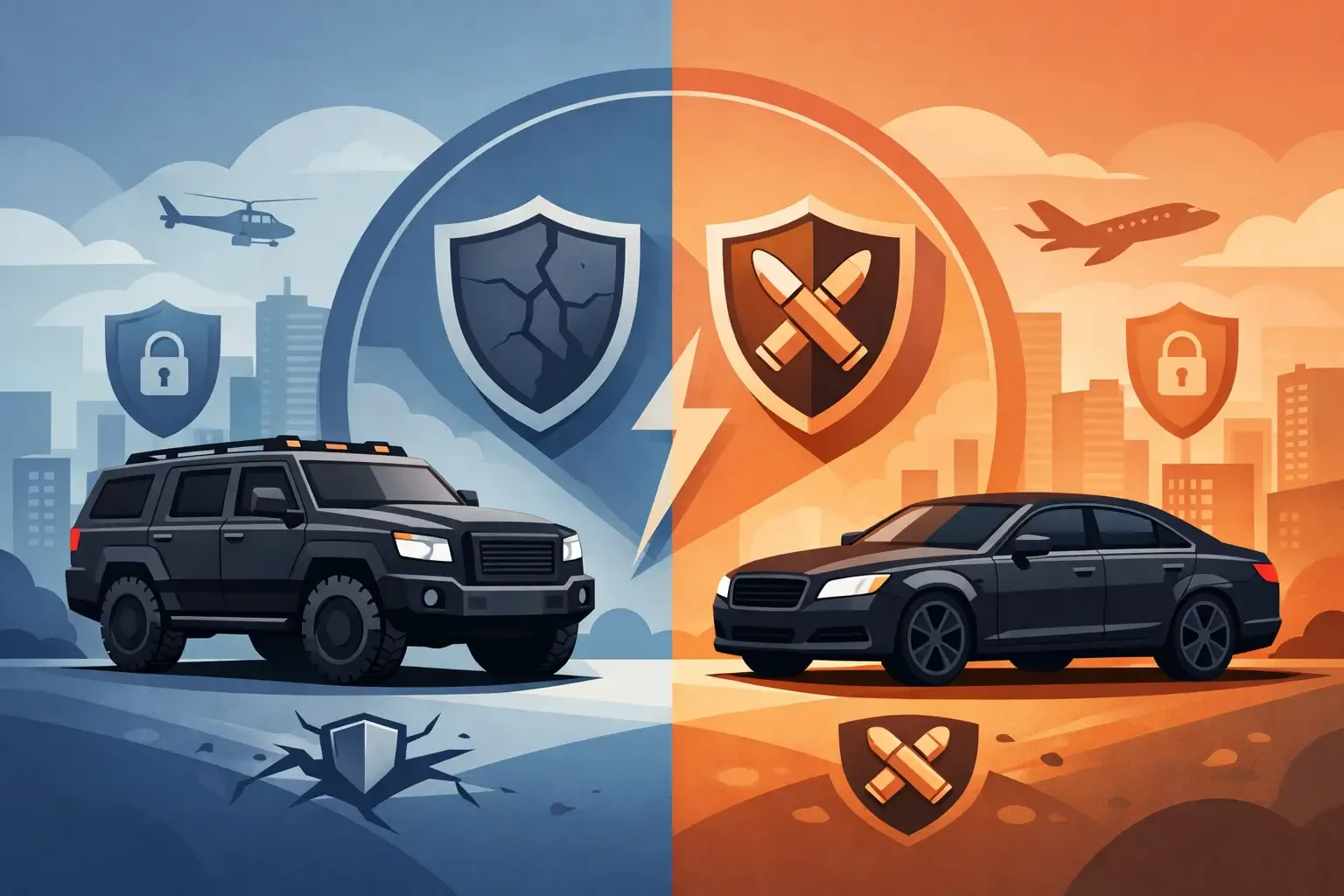
Manufacturer sourcing works from a different starting point. The vehicle is procured through direct manufacturer channels, authorized supply partners, or established wholesale networks. This approach is built around availability, production allocation, market specific specifications, and export coordination. It is especially relevant when a buyer needs EVs, plug in hybrids, commercial units, armored vehicles, or models not commonly offered in the destination country.
The distinction matters because international procurement involves more than a vehicle price. A buyer must account for the exact trim, battery specification, steering position, emissions or safety requirements, export eligibility, inspection standards, transport to port, shipping documentation, and arrival procedures. A low purchase price has little value if the unit cannot be cleared or registered where it is going.
Where Manufacturer Sourcing Creates Value
Manufacturer sourcing is often the stronger route when access and consistency matter more than a conventional retail experience. It can give fleet operators, resellers, and import professionals access to vehicles beyond local dealer stock, including new releases, high demand configurations, and volume quantities.
Broader Access to Export Ready Inventory
Dealer inventory is usually shaped by local demand. That may limit choices for buyers seeking long range EVs, PHEVs, EREVs, specialized commercial models, or security focused vehicles. A sourcing partner can look across approved supplier channels and international stock pools rather than relying on one showroom or regional dealer allocation.
This matters when the requirement is specific. A buyer may need a particular battery capacity, seating layout, cargo configuration, exterior color, or armored protection level. It may also need a vehicle produced for a market with compatible charging standards, language settings, or compliance documentation. Direct sourcing makes those requirements part of the procurement brief instead of an afterthought.
Better Control Over Quantity and Specification
For a single personal vehicle, a dealer may offer enough choice. For a fleet order or resale program, consistency becomes critical. Vehicles should match in trim, model year, equipment, color, and delivery condition whenever possible. Mixed inventory can complicate maintenance, driver training, parts planning, and resale value.
Manufacturer and supplier sourcing can support planned procurement rather than opportunistic buying. It gives buyers a clearer path to confirm production timing, available stock, substitute options, and quantity limits. That does not mean every model is immediately available. High demand vehicles and new EV platforms can still face allocation constraints. The advantage is transparency around what can be supplied and when.
Procurement Economics Beyond the Sticker Price
Direct sourcing may reduce layers between buyer and supply channel, particularly for multi unit orders or vehicles acquired for export. But it should not be treated as an automatic guarantee of the lowest price. Dealer promotions, aged inventory, manufacturer incentives, and local financing programs can occasionally make dealer stock attractive.
The useful comparison is total landed cost. That includes the vehicle price, inspection, inland transport, export documents, port handling ocean or air freight where applicable, insurance, duties, taxes, destination fees, and any required modifications. Buyers should compare like for like: the same specification, the same Incoterm basis, and the same delivery assumptions.
When a Dealer Is the Better Choice
Dealers remain valuable, particularly when the purchase is local and the buyer needs a conventional ownership path. A dealer may be the most efficient option when the vehicle is already on the lot, is approved for the local market, and can be registered without export procedures.
A dealer can also be useful for buyers who place high value on in person inspection before purchase, trade in arrangements, local warranty administration, and dealer arranged financing. Those benefits are real, but they are typically structured around domestic retail transactions rather than international delivery.
The dealer route is less effective when the buyer needs a model unavailable locally, a larger number of matching vehicles, or shipping to another country. In those cases, a dealer may need to source through intermediaries anyway, which can add time and reduce visibility into the supply chain.
The Export Questions That Decide the Purchase
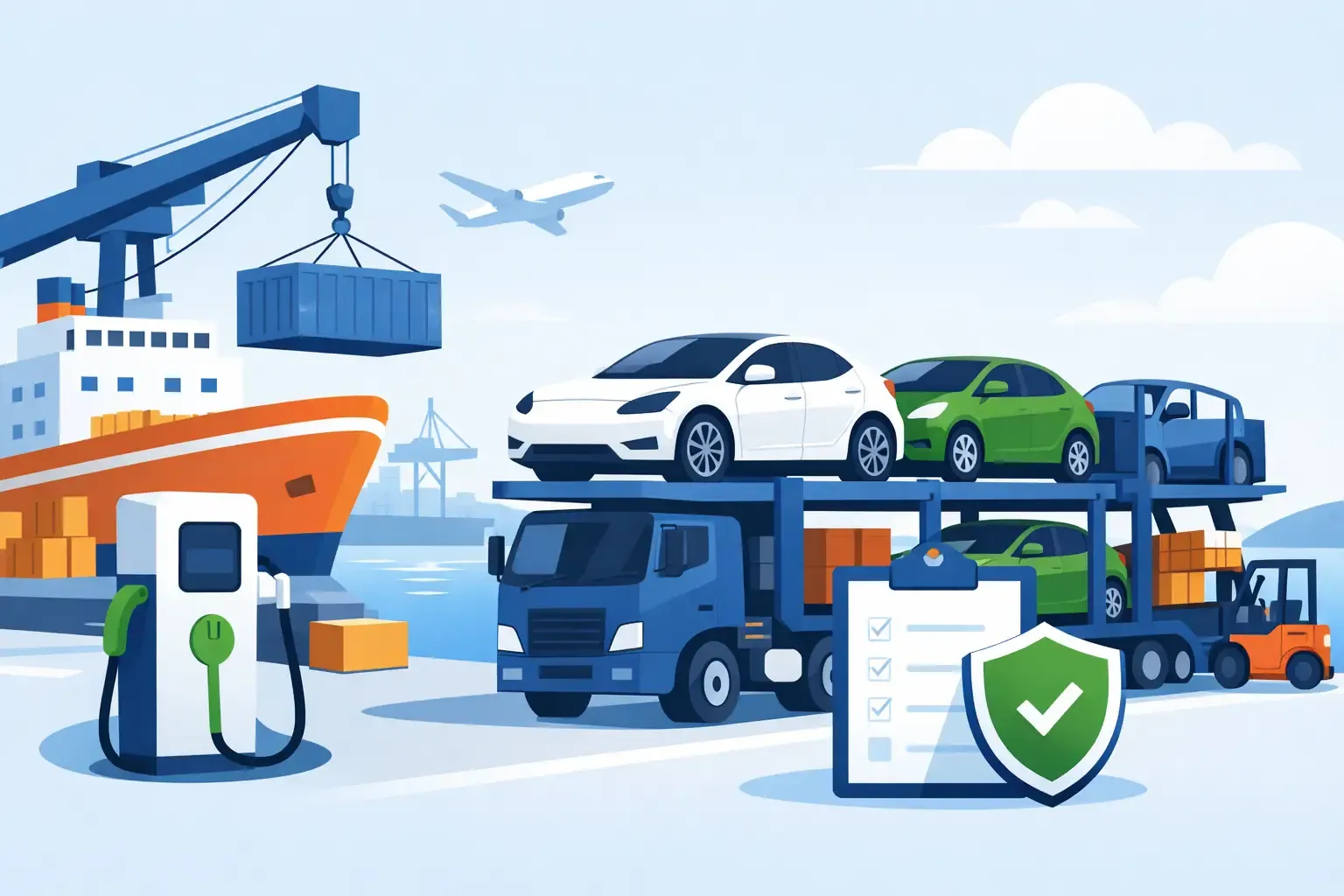
The right sourcing channel is often decided by operational details that are easy to miss during an initial price discussion. Before approving any vehicle purchase, international buyers should establish four points:
- Confirm the vehicle’s exact VIN-level specification, model year, mileage, condition, and included equipment.
- Verify that the vehicle is eligible for export and suitable for import, customs clearance, and registration in the destination market.
- Define the inspection process, including photographs, condition reporting, functional checks, and any third party requirements.
- Confirm responsibility for inland transport, port handling, export documents, shipping, insurance, and destination delivery.
These checks protect both first time importers and experienced traders. The need is especially strong for EVs and PHEVswhere battery documentation, charging compatibility, transport rules, and market specific software or equipment can affect usability after arrival.
Inspection Is Not an Optional Extra
For overseas buyers, inspection is the bridge between a listing and a deliverable asset. A vehicle description alone cannot confirm paint condition, tire wear, interior quality, charging equipment, warning lights, underbody condition, or whether the unit matches the agreed configuration.
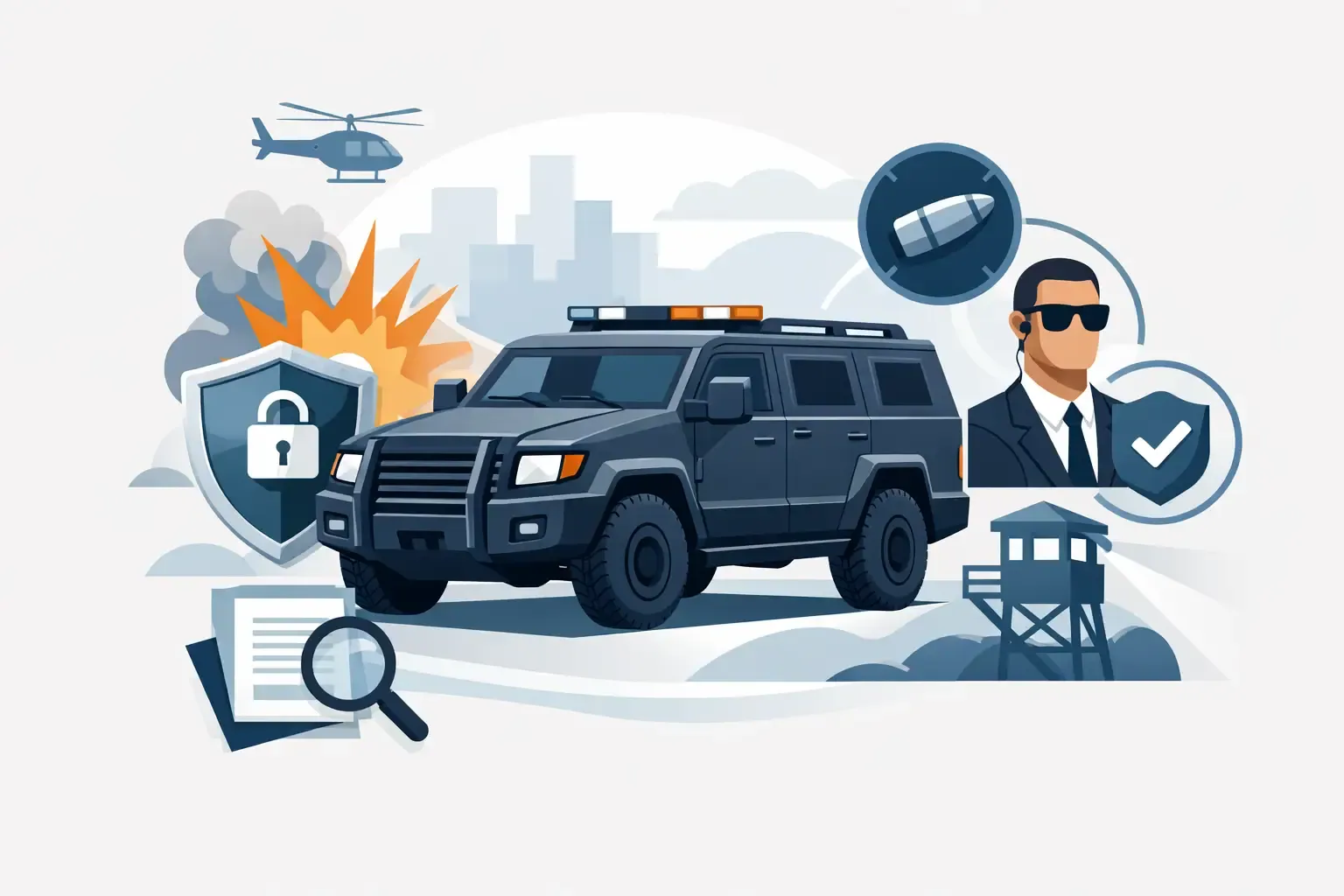
Pre shipment inspection should be matched to the purchase. For a new vehicle, the focus may be transit damage, options verification, charging accessories, and VIN documentation. For used, commercial, or armored vehicles, the inspection may need to go further into operating condition, service records, structural condition, protective features, and equipment functionality.
Clear inspection records also reduce disputes. They create a shared reference point before the vehicle enters port handling and international transit, where additional movement increases exposure to damage or delay.
How Global Buyers Should Choose a Sourcing Partner
The best partner is not defined only by its inventory count. Buyers should look for supply access, clear commercial terms, reliable communication, documented inspection processes, and the practical ability to move a vehicle from source to destination.
Ask direct questions. Is the vehicle physically available, allocated, or subject to confirmation? Is the quoted price FOB, CIF, or based on another delivery term? Who prepares the export declaration and title or ownership documents? What happens if inspection identifies a material issue? Can the provider arrange shipping to the required port or final destination?
A capable export partner should answer these questions in commercial language, not vague assurances. Automotion Global supports this process through supplier access export ready inventorypre shipment checks, and coordinated worldwide delivery for buyers who need more than a local sales transaction.
The Right Channel Starts With the Destination
Manufacturer sourcing is usually the stronger choice when access to specific models, volume consistency, export coordination, and cross border control are central to the purchase. Dealers are often the practical choice for immediate local ownership and domestic aftersales support. Neither channel wins in every situation.
Start with the destination country’s requirements and the vehicle’s intended use, then work backward to the supply route. When the sourcing decision is built around verified specifications, inspection, and delivery responsibility, the vehicle is far more likely to arrive ready for the job it was bought to do.