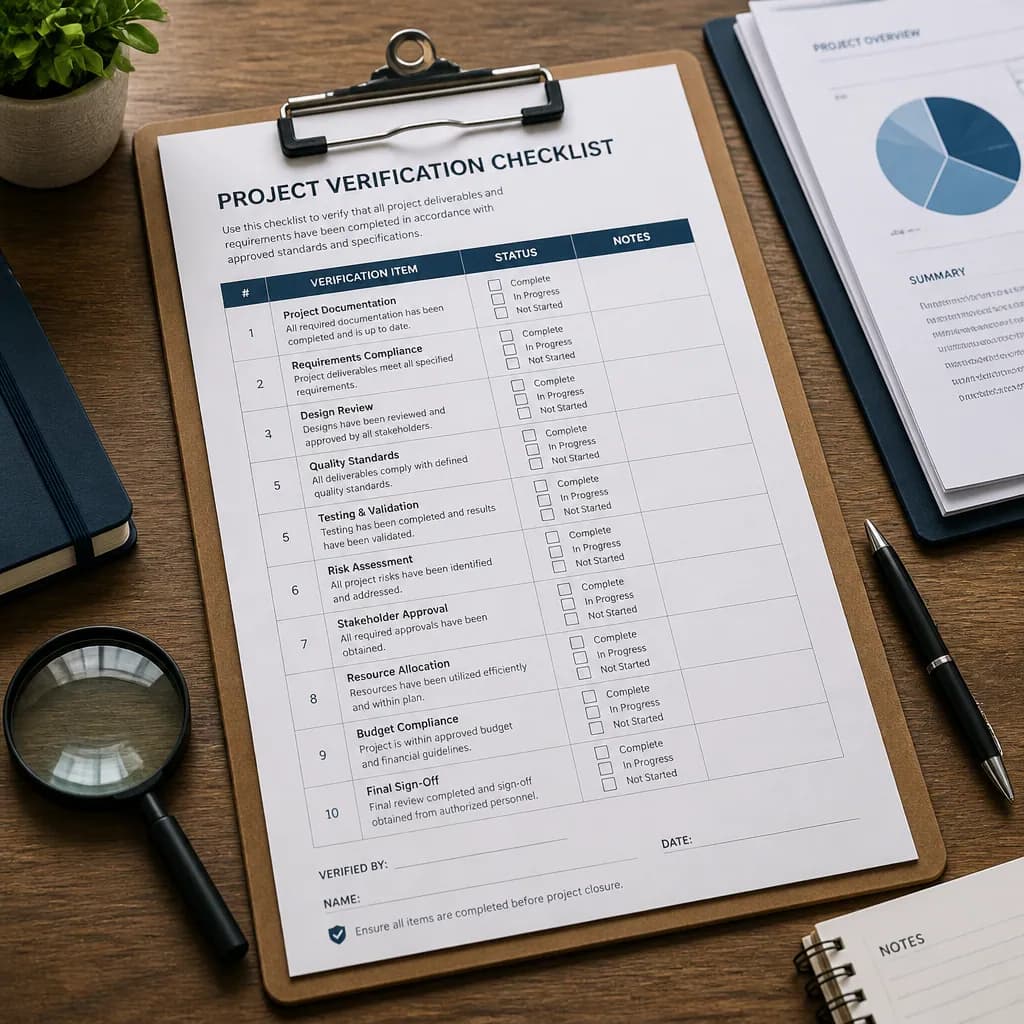
Every year, importers across the Middle East, Africa, and Southeast Asia wire five- and six figure deposits to Chinese vehicle suppliers who either disappear, ship the wrong vehicle, or deliver a unit with falsified documents. The problem is not that legitimate verified Chinese car exporters are rare. The problem is that unverified ones are easy to confuse with legitimate ones if you do not know what to look for. This checklist gives vehicle dealers, fleet operators, and importers a systematic way to separate the real from the fraudulent, before a single dollar leaves your account.
Quick Takeaways
| Key Insight | Explanation |
|---|---|
| The 18-digit Unified Social Credit Code is your starting point | Every registered Chinese company has one. Run it through gsxt.gov.cn to verify registration status and business scope before anything else. |
| Export license and business license are two different documents | A company can be legitimately registered but not licensed to export vehicles. You need both, and both must show the same legal name. |
| Bank account name must match the company name exactly | If the exporter asks you to wire funds to an individual or a third party, stop. This is the most common mechanism for deposit theft. |
| A price significantly below market rate is not a deal; it is a warning | Genuine exporters operate on competitive but realistic margins. Deep discounts are frequently subsidized by fraudulent documentation or tax evasion. |
| Pre shipment inspection is non negotiable | Any exporter who refuses to allow a third party inspector to see the vehicle before final payment is hiding something. Walk away. |
| Standard B2B payment terms are 30% deposit, 70% before shipping | Demands for 100% upfront payment before inspection are a major risk signal, regardless of how professional the supplier appears. |
| References must be contactable, not just presented | Ask for buyer references in markets similar to yours, then actually call them. Fabricated references are common and collapse the moment you ask a specific operational question. |
Why Verification Matters More Than Price
Most buyers get into trouble because they lead with price. They find a supplier quoting below everyone else, and instead of asking why, they start negotiating the deposit. By the time the fraud becomes obvious, the money is gone and the vehicle either does not exist or belongs to someone else.
Vehicle exporter due diligence is not a box ticking exercise. It is the single factor that determines whether your order arrives, your documentation clears customs, and your business relationship has any recourse if something goes wrong. A legitimate trusted vehicle exporter in China will not only tolerate your verification process but welcome it, because it establishes mutual accountability from the start.
A legitimate Chinese vehicle exporter can show you four things within one working day: a business licence whose scope includes vehicle export, a company bank account in the same name as that licence, per unit documentation for the actual vehicle you are buying, and a willingness to let an independent inspector see the vehicle before it is paid for in full. If any one of those four is missing, the risk is not “small”, it is the whole deposit.
The stakes are higher for dealers and fleet operators than for one off buyers. When you are importing 20 or 50 units, an unverified supplier does not just cost you one transaction. It can hold up your entire inventory cycle, expose your business to confiscated goods, and damage your reputation with your own clients. The checklist below is designed for exactly that kind of buyer.
Step 1: Confirm the Business Registration
Every registered Chinese company is assigned an 18-digit Unified Social Credit Code, printed on its business license. This code is your entry point into China’s official business registry, and any exporter who hesitates to share it is your first red flag.
How to Run the GSXT Check
Take the 18-digit code and enter it at gsxt.gov.cnwhich is operated by China’s State Administration for Market Regulation (SAMR). The interface is in Chinese, but browser based translation tools handle the key fields well enough for verification purposes. You are confirming four things: registration status (active or not), registered company name, business scope (look for wording that includes vehicle sales or import/export), and the legal representative’s name.
Cross reference the name on the business license against the name on every other document the supplier provides. The same Unified Social Credit Code should appear on business licenses, invoices, contracts, and official filings. Any discrepancy between documents warrants further investigation, and in practice it is almost never innocent.
Pro tip: Third party commercial due diligence platforms such as Qichacha provide an English language interface into the same underlying registry data. They can also surface administrative penalties and court judgments that the basic GSXT search does not surface prominently.
What the Business Scope Must Say
A company can be legally registered in China without being authorized to export vehicles. The business scope section of the license must explicitly include vehicle sales or automobile export. If it does not, the entity you are dealing with is either a broker operating through a licensed third party (which may be legitimate but needs to be disclosed) or an unregistered middleman taking your deposit and sourcing vehicles after the fact.
Step 2: Verify the Vehicle Export License
A vehicle export license, distinct from the business registration, is issued by China’s Ministry of Commerce (MOFCOM) and authorizes the company to export automobiles. Ask for a high resolution copy. It must clearly display the company’s full legal name, and that name must be identical to the one on the business license.
Fake or borrowed export licenses do exist. A known pattern involves exporters using a licensed company’s name and documents while operating under a completely different entity. The way to catch this is to verify the license number directly rather than just accepting the document image. If the exporter cannot tell you how to verify it independently, that is an answer in itself.
Pro tip: For new vehicles specifically, confirm that the exporter is authorized to export the specific brands they are quoting you. Brand authorization letters from the manufacturer, or confirmation from the brand’s Chinese distributor, add a layer of protection that protects you from grey market units with voided warranties.
Step 3: Check the Bank Account Name Matches
This step sounds basic, but it is where a significant number of vehicle import frauds actually execute. Before transferring any funds, obtain the full bank account details in writing, specifically the account holder name, the bank name, and the account number. The account holder name must match the registered company name exactly.
If the exporter asks you to pay an individual, a subsidiary you have not verified, or a third party payment intermediary, do not proceed until you have a written, signed explanation of why. In practice, legitimate exporters do not need workarounds. A confirmed discrepancy between the bank account name and the company name is not a minor administrative quirk; it is frequently how stolen deposits are structured to be irrecoverable.
Step 4: Audit the Exporter’s Digital Footprint
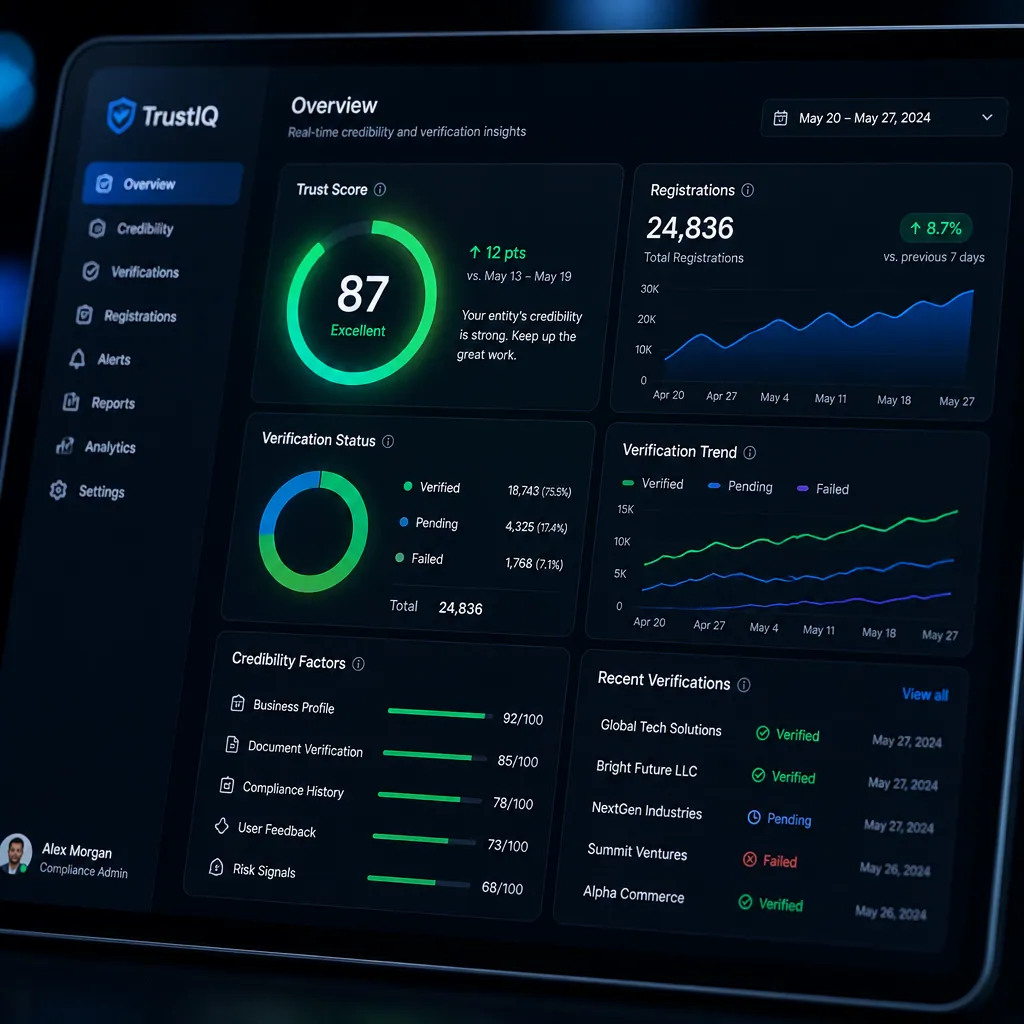
A genuine exporter operating at volume invests in their professional presence. The digital audit is not about aesthetics. It is about consistency and traceability. Here is what to check specifically.
Domain Age and Contact Information
Use a WHOIS lookup tool to check when the exporter’s domain was registered. A domain registered two or three months ago, with a one year registration window, is meaningfully higher risk than one registered several years ago. The contact page must include a physical address, a phone number, and a company email address using the company domain, not just a contact form or a WhatsApp number. WhatsApp only contact is not inherently fraudulent, but it should not be the only way to reach a supplier you are about to wire five figures to.
Product Listings and Pricing Consistency
If every vehicle on the supplier’s website shows “Contact for Price” with no visible inventory, they may be fishing for deposits without holding real stock. Legitimate exporters working at volume carry actual inventory or have confirmed access to dealer held stock. Ask for the specific VIN of the vehicle you are buying before you commit to anything.
Third Party Marketplace Verification
Check whether the supplier appears on Alibaba or Made in China.com with a verified or gold supplier account. These designations are not guarantees, but they add a layer of third party accountability. A company with years of verified trading history on a major B2B platform is harder to operate as a fly by night fraud than one with no traceable record outside their own website.
Step 5: Require a Pre Shipment Inspection
Pre shipment inspection is the single most important operational protection a buyer has. Any exporter who refuses to allow a reputable third party inspection firm to see the vehicle before final payment is making the risk clear for you. Walk away.
The inspection must cover VIN verification, matching the chassis stamping against the documents and any photographs provided. It should also cover exterior condition, interior condition, engine and transmission behavior, underbody integrity, and electronics including any ADAS systems. For new vehicles from China, the inspection confirms that what is on paper matches what is in the vehicle, and that the vehicle has not been registered or used prior to export.
Inspection firms that operate in China’s major export ports include internationally recognized names such as SGS and TUV. Using a firm you appoint rather than one the exporter recommends removes the conflict of interest entirely. The cost of an inspection is a fraction of the cost of receiving the wrong vehicle or a damaged one.
At Automotion Global, pre shipment vehicle inspection is part of the standard export process, not an optional add on. Every unit goes through documented checks before loading, and buyers receive the inspection report before the balance payment is due.
Step 6: Insist on Defensible Payment Terms
Standard B2B payment terms for Chinese vehicle exports are a 30% deposit to secure the order and 70% of the balance paid after a satisfactory pre shipment inspection. Any demand for 100% payment upfront before the vehicle has been inspected is a major risk signal, regardless of how professional the supplier’s website or communication appears.
Pressure tactics are also a red flag. If an exporter tells you another buyer is about to take your vehicle, or that the price is only valid for 24 hours, they are manufacturing urgency to prevent you from completing your verification steps. A genuine supplier with real stock is confident enough to give you the time to do due diligence properly.
Payment by telegraphic transfer (T/T) to a verified company account is the standard mechanism. Requests for payment via cryptocurrency, gift cards, or third party payment apps are not legitimate export payment methods, and no credible vehicle exporter operating at scale uses them.
Step 7: Request References and Shipping History
A confident, experienced exporter will provide references from past clients without hesitation. The important step most buyers skip is actually contacting those references. Ask them specific operational questions: which port did the shipment leave from, how long did customs clearance take in your country, was the documentation complete on arrival, and what happened when something went wrong.
Fabricated references collapse quickly when asked specific operational questions. A genuine buyer who went through the process can answer these without preparation. Someone reading from a script cannot.
Bills of lading from previous shipments, even in redacted form with buyer names removed, show that the exporter has actually moved vehicles through the export process. An exporter who claims to have shipped hundreds of units to your region but cannot produce a single bill of lading as evidence has not shipped hundreds of units to your region.
When evaluating references from exporters serving markets like the Middle East, Africa, or Southeast Asia, specifically ask whether they have shipped to your country and which customs regime applies. An exporter who actually ships to your market answers these questions immediately, because they deal with them every week.
Comparing Verification Approaches
| Verification Approach | What It Confirms | Limitations |
|---|---|---|
| GSXT Registry Check (gsxt.gov.cn) | Legal registration status, business scope, legal representative name, administrative penalties | Interface is in Chinese; does not confirm export license or actual trading activity |
| Third Party Due Diligence Platforms (e.g., Qichacha) | English language access to registry data, court judgments, ownership structure, operating history | Subscription or per report cost; does not verify physical inventory or shipping track record |
| Independent Pre Shipment Inspection (e.g., SGS, TUV) | Physical vehicle condition, VIN match, documentation accuracy before final payment | Covers the specific unit inspected only; does not verify the exporter’s broader business legitimacy |
In practice, none of these three approaches replaces the others. A company that passes the registry check and has a clean inspection record is still capable of bad payment handling. A company with a good inspection track record can still turn out to be an unregistered broker. Use all three in combination, and add the bank account check and reference verification on top.
Red Flags That Override Everything Else
Some signals are serious enough that they should end the conversation regardless of how reassuring everything else looks. If you encounter any of the following, stop.
A price significantly below the known market rate for a specific model should not be rationalized as a bargain. Genuine exporters operate on competitive but realistic margins. A deep discount is almost always explained by something you do not want to be part of, whether that is fraudulent documentation, tax evasion, or a vehicle whose title has been falsified.
Refusal to allow independent inspection is a hard line. There is no legitimate reason for a genuine exporter with real, correctly documented vehicles to refuse a third party inspection. Excuses such as “the inspection will delay shipping” or “we have our own quality control” are deflections, not explanations.
Document inconsistencies, specifically a mismatch between the company name on the business license, the export license, the pro forma invoice, and the bank account, are not administrative errors at this scale of transaction. They are architecture. The documents that pass through your hands are the ones that would need to hold up in a dispute, and if they do not match, they will not.
Working with Automotion Global gives vehicle dealers and importers a structured alternative to running this verification from scratch on every new supplier. As an established international vehicle supplier operating from China, Automotion Global provides full documentation transparency, pre shipment inspection as standard, and direct access to verified suppliers across passenger cars, EVs, PHEVs, SUVs, and commercial vehicles. You can explore the current vehicle inventory at automotionglobal.com/search or contact the team directly to discuss your sourcing requirements.
Frequently Asked Questions
What is the GSXT and how do I use it to verify a Chinese vehicle exporter?
The GSXT (National Enterprise Credit Information Publicity System) is an official Chinese government database operated by the State Administration for Market Regulation. It is accessible at gsxt.gov.cn. Enter the exporter’s 18-digit Unified Social Credit Code or their registered company name in Chinese to confirm registration status, business scope, legal representative, and any administrative penalties. Browser translation tools make the key fields readable without Chinese language skills. This check should be the first thing you do, before any other evaluation.
What is the difference between a business license and a vehicle export license?
A business license confirms that the company is legally registered to operate in China. A vehicle export license, issued by China’s Ministry of Commerce (MOFCOM), specifically authorizes that company to export automobiles. Both documents are required, and the legal company name must be identical on both. It is entirely possible for a company to be legitimately registered but not authorized to export vehicles. Always request both documents and verify both independently.
How much should I expect to pay as a deposit when buying vehicles from China?
Standard B2B payment terms in the Chinese vehicle export market are a 30% deposit to secure the order, with the remaining 70% paid after a satisfactory pre shipment inspection. Any supplier demanding full payment upfront, before the vehicle has been inspected, is departing from standard practice in a way that removes your ability to dispute a problem. Do not rationalize exceptions to this structure, regardless of what reasons are offered.
Can I verify a Chinese vehicle exporter’s shipping history without visiting China?
Yes. Request copies of bills of lading from previous shipments, with buyer names redacted if the exporter prefers. A genuine exporter who has shipped to your region will have these documents and will produce them without difficulty. You can also use container tracking platforms and commercial due diligence services to cross reference shipping activity. References from past buyers in your market, when you actually call them and ask specific questions about the shipping and documentation process, provide a form of verification that no document can fully replace.
What inspection firms operate in China for pre shipment vehicle checks?
Internationally recognized inspection firms including SGS and TUV operate in China and can conduct pre shipment vehicle inspections at major export ports. The critical point is that you appoint the inspection firm yourself, not the exporter. An inspector recommended and coordinated by the exporter removes the independence that makes the inspection meaningful. The inspection should cover VIN verification, exterior and interior condition, engine and transmission behavior, underbody integrity, and electronics functionality, with a written report issued directly to you before the balance payment is released.
Is it safe to buy brand new Chinese vehicles from an exporter I found on social media?
Social media is a legitimate discovery channel for Chinese vehicle exporters, and many credible suppliers maintain active profiles. Discovery and verification are separate steps, though. Finding a supplier through social media does not replace the need to check their business registration, export license, bank account name, inspection policy, and payment terms. Apply the same checklist you would to any other channel. The suppliers who cannot pass it will tell you quickly, usually by becoming evasive when you ask for specific documents.
Have you been through the process of vetting a Chinese vehicle exporter? Share what worked for you, or what you wish you had checked earlier, in the comments below.
References
- A practical guide to verifying a Chinese car export company, with a step by step document checklist
- How to verify Chinese car suppliers and spot common fraud patterns before you pay
- Common China car export scams and a seven step vetting checklist for importers
- Official methods for verifying a Chinese company, including MOFCOM export license checks and GSXT database guidance
- How to use China’s Unified Social Credit Code to verify a company through official government databases