
Most new dealers who try to import cars from China make the same expensive mistake: they wire money to a supplier they found online, skip the inspection, and hope everything works out at the destination port. It rarely does. China is now one of the world’s most important sourcing markets for electric vehicles, plug in hybrid vehicles, range extended vehicles, fuel vehicles, and commercial fleets, and the opportunity for international dealers is real. But the process demands structure. This guide walks you through every step, from defining your vehicle requirement to clearing customs at your destination, with no gaps left to chance.
Quick Takeaways
| Key Insight | Explanation |
|---|---|
| Define the exact vehicle spec before any supplier contact | Model year, trim, configuration, and destination suitability must all be locked down before you request a quotation. Vague briefs produce vague quotes and mismatched vehicles. |
| Verify the exporter’s legal identity, not just their website | Match the company name on the contract and the payment account to official Chinese business registration records. Discrepancies are a red flag, not a minor detail. |
| Calculate the full “landing cost,” not just the FOB price | Freight, import duty, VAT, port handling, insurance, and local compliance costs all stack on top of the factory price. Dealers who only focus on FOB consistently underestimate margins. |
| Pre shipment inspection is non negotiable for first orders | A third party inspection at the Chinese port of origin is the only way to confirm the vehicle matches the specification before it leaves the country. |
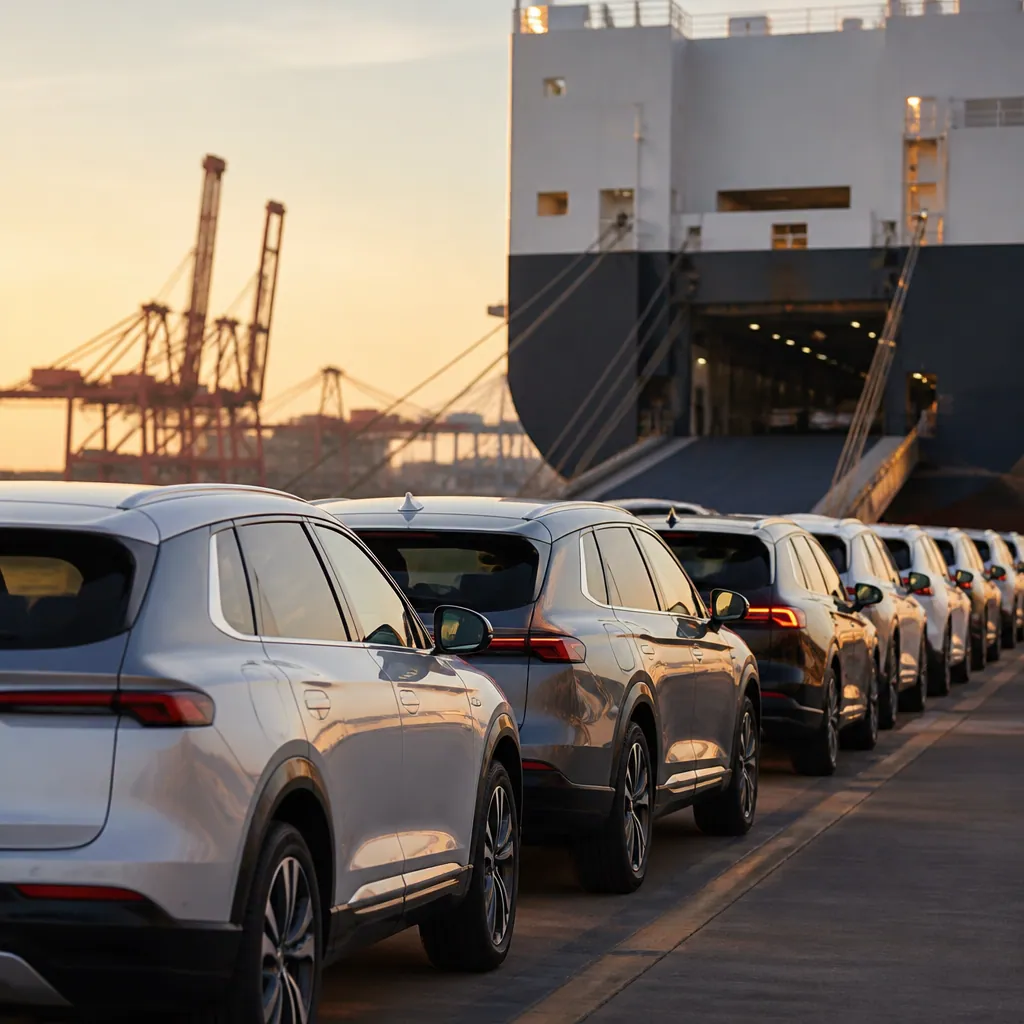
| RoRo is cheaper for bulk; containers protect individual units | Roll on/roll off vessels offer lower per unit freight costs for large orders, while container shipping provides more protection and flexibility for smaller consignments or high value units. |
| Compliance homologation varies radically by destination market | A vehicle certified for the UAE does not automatically meet South African or Kenyan standards. Confirm local type approval, emissions, and lighting requirements before ordering. |
| From January 2026, China requires export licences for pure electric passenger vehicles | This regulatory change means your Chinese exporter must hold the correct authorisation for EV shipments, adding a critical verification step to every EV order. |
Why China Is a Serious Sourcing Market for Vehicle Dealers
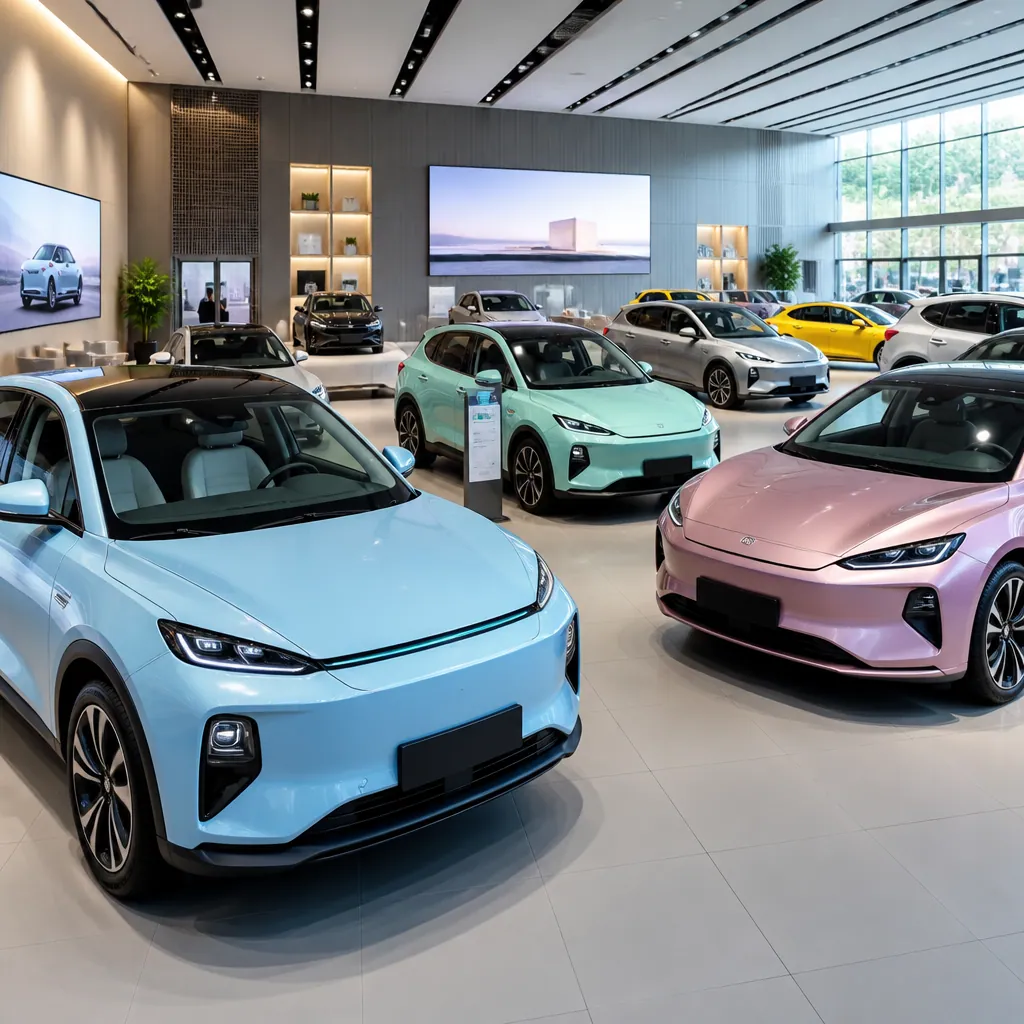
China has moved from being a supplier of low cost economy cars to being a genuine force in electric vehicles, plug in hybrids, SUVs, and commercial fleets. For dealers and distributors operating in the Middle East, Africa, Southeast Asia, and other growth markets, this shift creates a direct sourcing opportunity that did not exist five years ago.
The competitive edge is straightforward: Chinese manufacturers offer a wider range of vehicle types at price points that are difficult to match from traditional automotive exporting countries, and they are building export infrastructure at scale. Chinese automakers use RoRo vessels, multimodal transport networks, and SKD/CKD export options to optimize costs and delivery schedules. For a new dealer, that infrastructure is available to use from day one, provided you work with the right export partner.
The risk is equally straightforward: the market has fraudulent actors, configuration mismatches, and compliance traps. A professional import project must align the exact vehicle configuration, destination market requirements, supplier evidence, commercial terms, export documentation, inspection standards, shipping arrangements, and aftersales responsibilities from the very beginning. That is what this guide covers.
Step 1: Define Your Complete Vehicle Requirement
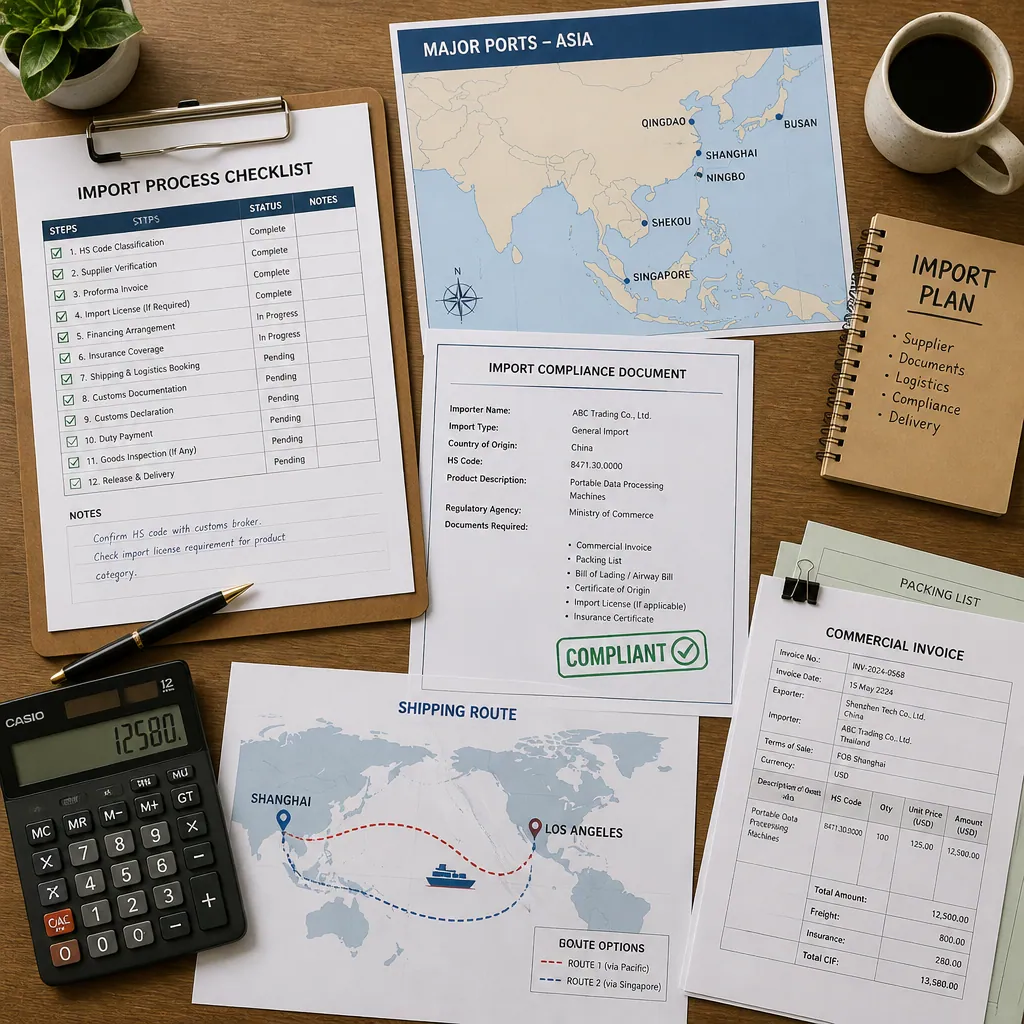
Before you contact a single supplier, write down the complete vehicle specification in a structured brief. This is not optional. Suppliers will quote what you ask for, and if your brief is vague, you will receive a vague quotation that does not protect you when the vehicles arrive.
What Your Vehicle Brief Must Cover
Your brief should include: buyer type (dealer, distributor, fleet operator, or trading company), destination country and port, vehicle condition (factory new is the only safe choice for first time importers), exact brand and model name, required model year, trim level and configuration, fuel type (ICE, BEV, PHEV, or range extended), required right hand or left hand drive, colour options, and any market specific requirements such as language on the instrument cluster or specific charging port standards.
Do not assume the supplier will flag configuration problems. That is your responsibility. Ordering left hand drive for a right hand drive market is a mistake that still happens, and it is entirely avoidable.
Minimum Order Quantities and First Order Strategy
Most established Chinese exporters work with professional buyers placing multi unit orders. For a first order, a smaller trial consignment, typically between two and five units, is the sensible approach. It allows you to verify the supplier, test the logistics chain, clear customs in your market, and assess retail demand, all before committing to a larger purchase.
Pro tip: For your first order from any new Chinese supplier, restrict yourself to a single model and a single colour. Complexity in the initial order multiplies the risk of configuration errors and complicates customs clearance.
Step 2: Research Your Destination Market and Compliance Rules
Chinese vehicles compete best in segments where price and specification matter more than legacy brand prestige. That is true across much of Africa, the Middle East, and Southeast Asia. But competing on price means nothing if the vehicle cannot be legally registered in your market.
Homologation and Type Approval
Every destination market has its own type approval or homologation framework. Before ordering, confirm the local requirements for: vehicle homologation certification, PHEV or BEV certification (for electrified models), lighting standard (ECE vs. SAE), charging port standard (for EVs), safety certification, emissions and fuel requirements, and towing certification where relevant.
Focus on models that Chinese manufacturers have already certified for your specific market, because attempting to import and self certify non approved vehicles is expensive, slow, and sometimes impossible for a dealer level importer.
Import Duty and Tax Structure
Import duty rates for vehicles vary significantly by country and sometimes by vehicle type. Electric vehicles attract concessionary rates in some African and Middle Eastern markets as governments encourage the EV transition. Check your destination country’s customs tariff schedule and confirm whether any free trade agreements or preferential duty rates apply to Chinese origin goods. What you discover here will directly shape your margin calculation in Step 4.
Pro tip: Contact your destination country’s customs authority or a local customs broker before finalising your order. Getting the HS code and duty rate confirmed in writing, before the vehicle ships, saves disputes and unexpected costs at the port.
Step 3: Find and Verify a Chinese Vehicle Exporter
This is the step where most new dealers take the greatest risk. Finding a supplier is easy. Verifying that the supplier is a legitimate, authorised exporter with the ability to handle your specific vehicle category is harder, and skipping it is the primary cause of failed first orders.
What to Verify Before Signing Anything
At minimum, you need to confirm five things about any potential Chinese exporter: the full legal company name, that the company information matches both the contract and the payment account, that the exporter is authorised to handle your required vehicle category, that the quotation clearly identifies the exact model, trim, and condition, and that the exporter can provide documentary evidence of vehicle sourcing and supplier relationships.
Check that the company is listed in China’s National Enterprise Credit Information Publicity System. This is a publicly accessible database. A legitimate company will be findable. A company that cannot be found there is a serious risk, regardless of how professional their website appears.
The EV Export Licence Requirement
From January 1, 2026, China introduced export licence management for pure electric passenger vehicles. If you are importing EVs, your Chinese exporter must hold the correct export authorisation for that vehicle category. Ask to see the licence. Any exporter who dismisses this requirement does not understand the current regulatory environment, and that tells you everything you need to know about working with them.
Step 4: Confirm Pricing and Commercial Terms
Every quotation from a Chinese exporter will be priced on specific trade terms. Understanding what those terms mean for your total cost is essential before you commit to anything.
FOB vs. CIF: What Each Term Actually Means for You
FOB (Free On Board) means the exporter is responsible for the vehicle until it is loaded onto the vessel at the Chinese port. From that point, freight cost, insurance, and risk are yours. CIF (Cost, Insurance, and Freight) means the exporter includes freight and insurance to your destination port in the quoted price. CIF is simpler for first time importers, but FOB gives you more control over freight rates and shipping schedules if you have your own freight relationships.
Calculating Your Full Landing Cost
Your actual margin is not determined by the FOB or CIF price alone. Your full landing cost is the figure that determines whether the deal is commercially viable. Build it from these components: vehicle purchase price (FOB or CIF), international freight (if not included), marine insurance, destination port handling and terminal fees, import duty, VAT or consumption tax, customs broker fees, local transport from port to your premises, and any compliance or homologation costs. A common mistake is underestimating port handling and customs broker fees at the destination, which can add several hundred dollars per unit even before duty is applied.
A vehicle that looks profitable at the FOB price can turn unprofitable once every port, duty, and logistics cost is layered on. Build the full landing cost first. Then decide whether to order.
Step 5: Pre Shipment Inspection
A pre shipment inspection (PSI) is conducted at the Chinese port of origin, before the vehicles are loaded, by a qualified third party inspection company. It is the single most important protection a new importer has.
The inspection should confirm that the VIN and physical vehicle match the export certificate, the vehicle matches the specified trim and configuration, there is no pre existing damage, all features and functions operate correctly, and the odometer reading is consistent with a new, unregistered unit. Do not accept an inspection report provided by the supplier or manufacturer. The inspection must be commissioned independently by you or your logistics partner. Anything else is not an inspection, it is a document.
Working with an experienced export partner who coordinates inspection as part of their service removes the administrative burden of finding and briefing an independent inspector in China, which is genuinely difficult to manage remotely for a first time importer.
Step 6: Export Documentation
Export documentation errors are one of the most common causes of vehicles being held at destination ports. Getting this right is not complicated, but it requires attention to detail and a supplier who knows what they are doing.
Core Documents for a Vehicle Export Shipment
The standard document set for a Chinese vehicle export includes: the commercial invoice (showing the correct declared value and HS code), the packing list, the bill of lading (for container) or the car carrier bill of lading (for RoRo), the certificate of origin (required for preferential duty rates under trade agreements), the vehicle export certificate issued by Chinese customs, and any destination specific compliance certificates. For EV shipments from January 2026, the exporter’s EV export licence is also required.
Every document must show consistent information: the same VINs, the same declared values, the same company names. Inconsistencies across documents trigger customs holds, which cost time and storage fees at the destination port.
Step 7: Choose Your Shipping Method: RoRo vs. Container
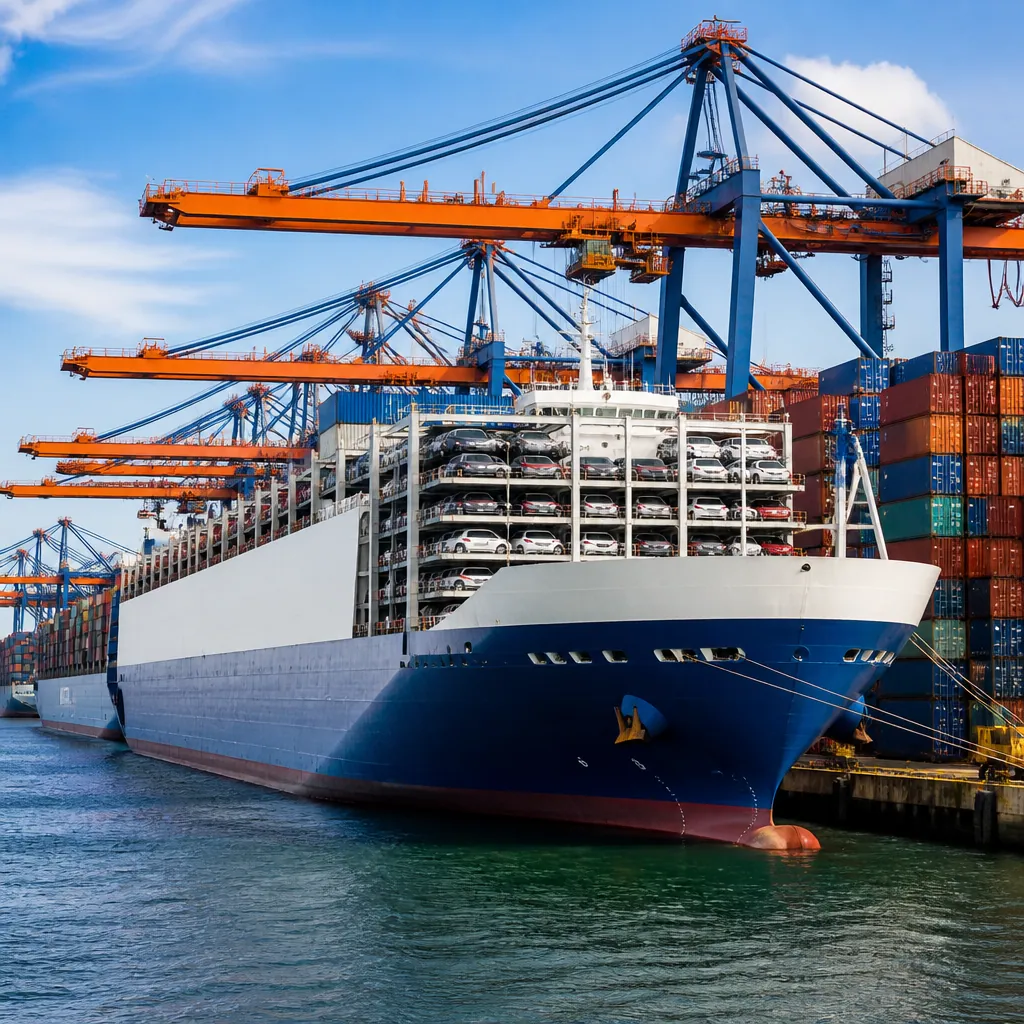
There are two main shipping methods for importing vehicles from China: Roll on/Roll off (RoRo) vessels and standard shipping containers. Each has a distinct set of trade offs, and the right choice depends on your order volume, the route, and the nature of the vehicles you are shipping.
Importer Types: Which Setup Fits Your Business?
| Approach | Best For | Key Considerations |
|---|---|---|
| RoRo (Roll on/Roll off) Shipping | Dealers placing bulk orders of 5+ units, established importers with regular shipping schedules | Lower per unit freight cost, less handling, vehicles are exposed to sea air on deck, limited port options compared to container, strong route coverage for major African and Middle Eastern ports |
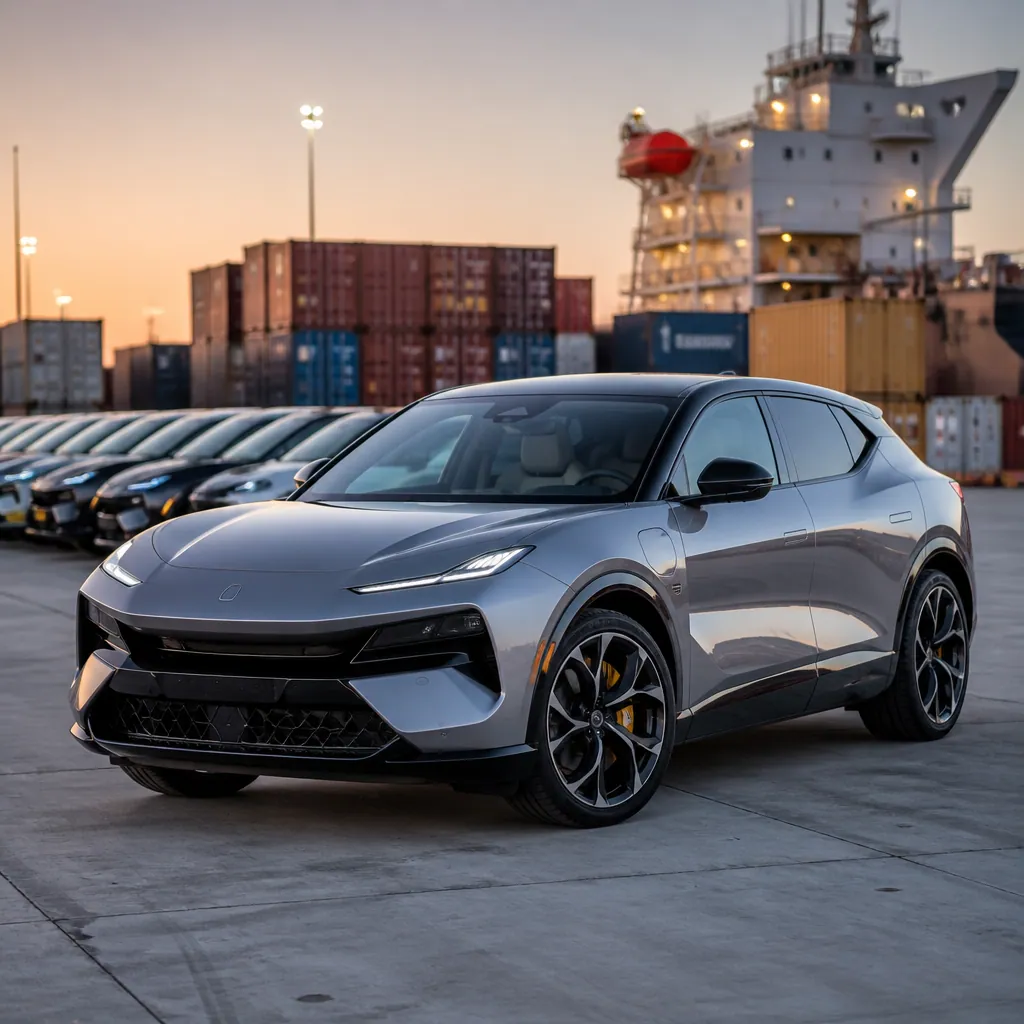
| Container Shipping (20ft / 40ft) | New importers, smaller consignments of 1 to 4 units, high value EVs or luxury variants, remote destination ports | Higher per unit cost but vehicles are enclosed and protected, more flexible on ports of call, easier to combine with spare parts or accessories in the same container |
| Full Export Service Partner | New dealers entering the China import market for the first time, fleet operators wanting a managed solution | Supplier coordinates sourcing, inspection, documentation, shipping, and aftersales in one relationship, reduces operational complexity, requires selecting a verified and experienced export partner rather than managing every step independently |
For most new dealers, the practical choice for a trial consignment is container shipping, because it offers more protection for the vehicles, more port flexibility, and is easier to manage administratively than RoRo. Once you have established a regular import rhythm with a reliable supplier, transitioning heavier volume to RoRo makes financial sense.
Step 8: Customs Clearance at Your Destination
Customs clearance at the destination port is the final operational step before the vehicles are yours to sell. How smoothly this goes depends almost entirely on the quality of your documentation and your relationship with a local customs broker.
What Your Customs Broker Needs
Your customs broker will need the complete document set from Step 6, a confirmed HS code and duty rate, the declared customs value, and any destination specific certificates required for vehicle registration. Brief your broker before the vessel departs China, not when it arrives at the destination port. Last minute documentation requests cause delays and generate port storage fees that erode your margin.
Vehicle Registration and Post Clearance Steps
Once the vehicles clear customs, they need to be registered and prepared for sale. This includes local registration with the relevant transport authority, pre delivery inspection and preparation, any aftersales kit fitment required by your market (such as local language manuals or specific accessories), and warranty registration with the brand’s local representative if one exists. For Chinese brands without an established local presence, confirm your aftersales and spare parts support arrangement with your export supplier before the order is placed, not after the vehicles arrive.
Working with an export partner who provides aftersales assistance and spare parts support is particularly important for first time dealers importing Chinese brands with limited local service networks. The vehicles will sell on their specification and price, but customer retention depends entirely on parts availability and service support after the sale.
Pro tip: When importing a Chinese brand for the first time, order a consignment of fast wear spare parts (filters, brake pads, wiper blades, sensor kits) alongside your initial vehicle order. This avoids the situation of having sold vehicles in your market with no parts available for the first service interval.
Frequently Asked Questions
How long does it take to import cars from China?
Transit times vary significantly by origin port, destination, and shipping method. For African and Middle Eastern destinations, a typical end to end timeline from order confirmation to vehicles cleared at the destination port runs between 30 and 90 days, depending on vessel schedules, documentation processing, and customs clearance speed at the destination. Planning for 60 days as a base case for a first order is sensible. Build buffer time into your stock planning.
Do I need a formal import licence to start importing cars from China?
Requirements vary by destination country. Many markets require vehicle importers to hold a formal import licence or be registered as an authorised importer. Some countries require vehicle type approval before any unit can be registered. Check with your destination country’s transport authority and customs department before placing any order. Attempting to import vehicles into a market where you are not licensed or where the vehicle is not approved is a costly and avoidable mistake.
What is the minimum order quantity for importing from China?
There is no fixed universal minimum, but most serious Chinese exporters focus on professional B2B buyers placing multi unit orders. A practical starting point for a new dealer is two to five units, which is large enough to justify the logistics cost while small enough to manage the risk on a first order. Single unit imports are possible but rarely cost effective once all landing costs are factored in.
How do I protect myself against receiving vehicles that do not match my order?
The combination of a detailed written vehicle specification in the purchase contract, an independent pre shipment inspection at the Chinese port of origin, and a requirement for documentary evidence of the vehicle (including VIN matching the export certificate) gives you the strongest practical protection. The inspection report is your primary evidence if a dispute arises. Do not skip it on the basis of cost, it will always be cheaper than the dispute it prevents.
Should I work with a sourcing agent or go directly to manufacturers?
For most new importers, working with an established vehicle export company that has direct supplier relationships, handles inspection, manages export documentation, and coordinates logistics is the lower risk approach compared to attempting to deal directly with manufacturers as an unknown overseas buyer. Direct manufacturer relationships are more accessible once you have established import volume and a track record. Starting through a verified export partner reduces the operational and financial risk during the learning phase.
What are the key risks when starting a car import business from China?
The key risks are: paying deposits to unverified exporters, receiving vehicles with incorrect specifications or pre existing damage, non compliance with destination market regulations, underestimating total landing costs, and inadequate aftersales parts support. Every one of these risks is manageable with proper preparation, independent verification, and a structured approach to supplier selection. None of them are unique to China. They apply to any vehicle import operation where shortcuts are taken.
Have you already started importing vehicles from China, or are you researching your first order? Share what stage you are at and what questions you still have. We read every message and respond.
References
- Practical B2B guide to importing cars from China covering supplier verification, export documents, and shipping steps for dealers and distributors
- Step by step guide to importing a car from China including seller verification, RoRo vs container shipping, and landing cost calculation
- Guide to importing vehicles from China covering logistics, documentation preparation, and port clearance for international buyers
- Analysis of Chinese vehicle export logistics to Africa covering RoRo shipping, multimodal transport, and delivery timelines