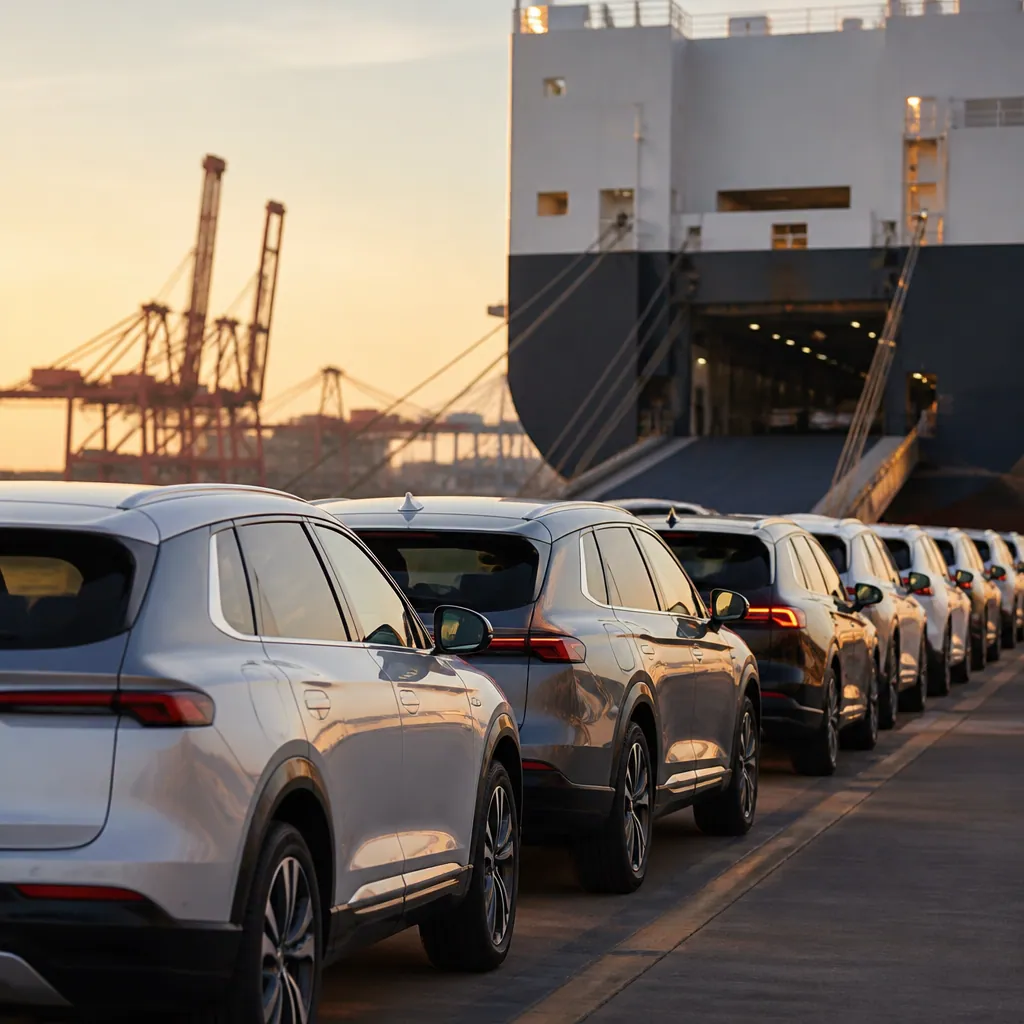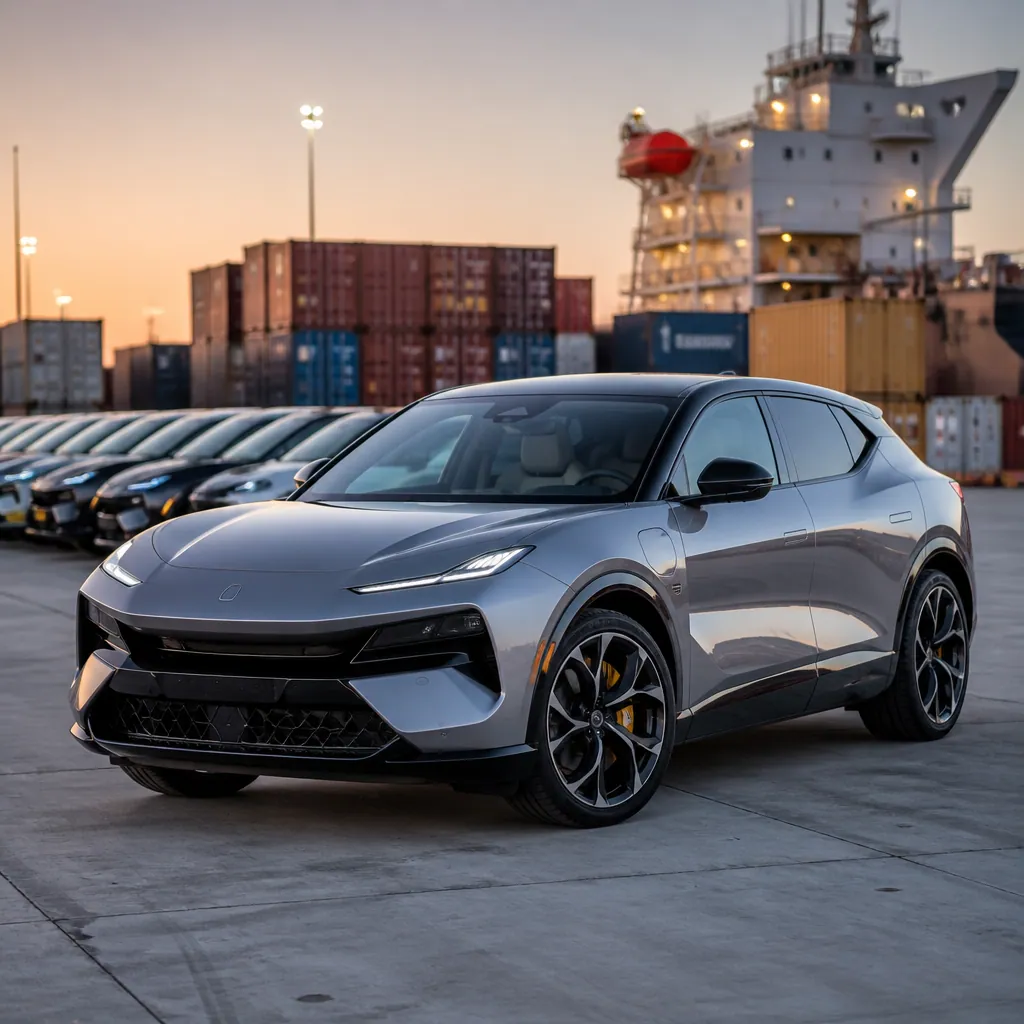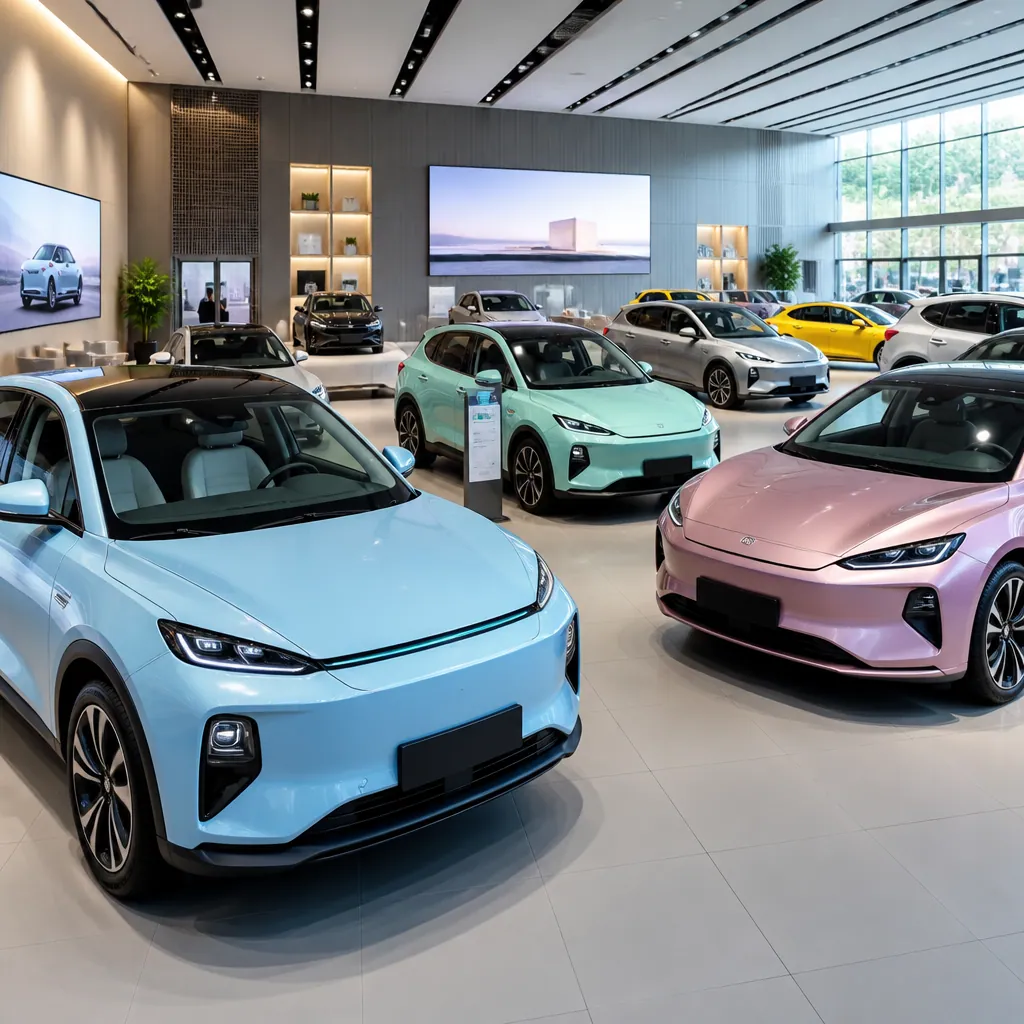


A buyer sourcing a modern electrified vehicle for export is no longer choosing only between a gasoline vehicle and a full battery EV. Emerging EREV market trends are creating a practical third path: electric first driving with an onboard generator that extends operating range when charging access is limited. For fleet operators, importers, and private buyers in developing charging markets, that difference can materially affect vehicle uptime, resale potential, shipping preparation, and total operating cost.
EREV stands for extended range electric vehicle. Unlike a conventional hybrid, the electric motor is designed to do the primary driving while a gasoline engine operates mainly as a generator to maintain battery charge. The category overlaps with plug in hybrid technology in some markets, and manufacturer terminology is not always consistent. Buyers should therefore evaluate the vehicle’s real operating architecture, electric only range, charging capability, fuel system, and local compliance status rather than relying on a badge alone.
Why Emerging EREV Market Trends Matter in Export
The rise of EREVs is closely tied to uneven infrastructure. Battery electric vehicles are highly efficient and increasingly competitive, but their suitability depends on dependable charging at home, at work, on fleet routes, and between cities. In markets where public charging remains concentrated in major urban areas, a pure EV can create operational limits that are difficult to accept for commercial users or long distance drivers.
An EREV reduces that dependence without returning fully to internal combustion operation. The vehicle can cover routine urban trips on battery power, then use its range extending generator for longer routes, rural travel, or periods when charging is unavailable. This flexibility is particularly relevant for buyers serving multiple territories, companies deploying executive transport, and distributors who need one vehicle platform that can work across varied infrastructure conditions.
For export buyers, the market shift also changes the sourcing conversation. Demand is moving beyond a simple request for the lowest FOB price. Serious purchasers increasingly ask for verified battery specifications, charging port configuration, generator fuel requirements, software language settings, spare parts availability, and documentation needed for registration. A vehicle that is competitively priced but unsuitable for the destination market can become an expensive inventory problem.
China Led Supply Is Expanding Model Choice
Much of the current EREV product development is coming from Chinese manufacturers, where electrified vehicle platforms are evolving rapidly and domestic competition has increased the pace of feature development. Buyers now have access to more body styles, including sedans, crossovers, SUVs, premium family vehicles, and models with advanced driver assistance systems.
This broader supply can create value for importers looking for modern specifications that may not yet be widely available in their home markets. It can also create complexity. Model naming, trim structures, battery capacities, and equipment levels can differ by production month or intended sales market. A buyer should confirm the exact VIN-level specification before placing an order, especially when a vehicle is being purchased for resale or fleet standardization.
The strongest procurement approach is not to chase a model simply because it is new or highly promoted. It is to match a verified unit to the destination market’s road conditions, fuel quality, charging access, service capabilities, and import regulations. This is where direct supplier access and pre shipment verification carry real commercial value.
Premium Features Are Reaching More Segments
EREVs are no longer limited to basic transitional products. Many current models offer large displays, connected vehicle functions, premium interiors, advanced safety systems, fast charging support, and substantial electric only range. For business buyers, these features can improve driver comfort and passenger experience while supporting a more modern fleet profile.
However, equipment should be assessed with the destination in mind. Connected features may require local network compatibility. Navigation systems may need language or map updates. Advanced driver assistance functions can be useful, but their operation can vary based on local road markings and regulations. Procurement teams should prioritize features that will remain functional and supportable after delivery.
Range Is Becoming a Procurement Metric, Not a Marketing Claim
Combined range is a major reason EREVs are attracting attention, yet it should be reviewed carefully. Published range figures can be based on different test cycles, driving conditions, wheel sizes, temperature assumptions, and operating modes. A vehicle’s practical range may differ substantially when carrying passengers, traveling at highway speed, operating in very hot climates, or climbing steep terrain.
For fleet procurement, the useful question is not, “What is the maximum advertised range?” It is, “What distance can this unit reliably cover in our actual operating pattern?” That analysis should include daily route length, charging windows, fuel availability, payload, climate, and the expected frequency of intercity travel.
Electric only range deserves equal attention. A longer battery range can reduce fuel use and make the vehicle more attractive for city based operations. But a larger battery may add weight, cost, and shipping considerations. The right configuration depends on utilization. A private buyer with home charging may value electric range more heavily, while a regional transport business may prioritize total range and rapid refueling capability.
Charging Standards and Energy Costs Shape Demand
Infrastructure is not expanding at the same pace everywhere. This is precisely where EREVs can offer a measured entry into electrification. They allow buyers to use available charging without making daily operation entirely dependent on it.
Still, charging compatibility cannot be treated as an afterthought. The charging inlet, AC charging rate, DC fast charging capability, cable availability, and local electrical standards should be checked before export. A vehicle can arrive in excellent condition and still require adapters, electrical upgrades, or charging equipment that was not included in the initial budget.
Energy economics also vary by market. In some regions, electricity offers a clear cost advantage over gasoline for urban driving. In others, fuel prices, electricity tariffs, generator use, and charging access may narrow the gap. EREVs perform best commercially when the buyer has a realistic plan to charge regularly, not when the battery is treated as an occasional feature. Consistent charging helps capture the operating cost benefit that justifies an electrified purchase.
Compliance Is Now Part of Vehicle Selection
EREV demand is expanding, but regulatory acceptance is not uniform. Import duties, emissions classifications, age restrictions, homologation rules, steering configuration requirements, and battery documentation can all affect whether a vehicle is viable in a specific country. The same model may be easy to import into one market and impractical in another.
For US-based buyers, this point requires particular care. Vehicles not manufactured or certified for the United States may not be eligible for standard road use under federal and state requirements, regardless of their condition or technical appeal. An EREV intended for the US market should be assessed for applicable safety, emissions, and import eligibility before purchase. Export ready does not automatically mean road registration ready in every destination.
Commercial buyers should also review local rules on fleet incentives, emissions zones, taxation, and public charging access. An EREV may qualify differently from a battery electric vehicle or a plug in hybrid. Labels alone are not enough. Accurate classification matters for both landed cost and long term use.
Battery Condition and Shipping Readiness Need Closer Review
An EREV includes a high voltage battery, which means battery condition and transport procedures deserve attention during cross border procurement. Buyers should request confirmation of battery capacity, vehicle condition, warning light status, charging function, and inspection findings before shipment. For pre owned units, state of health data can be especially valuable when available.
Shipping requirements for electrified vehicles can vary by carrier, route, port, and battery condition. Some carriers may require a declared state of charge, specific handling documentation, or additional confirmation that the vehicle is safe for transport. These are operational details, but they directly influence delivery timing and cost.
A prepared exporter coordinates the vehicle inspection, export documentation, port delivery, and shipping process as one workflow. That approach reduces the risk of a unit being delayed because a technical detail was confirmed too late. Automotion Global supports this type of export focused sourcing by combining verified vehicle availability with inspection and international delivery coordination.
What Buyers Should Confirm Before Ordering an EREV
Before issuing payment or allocating fleet budget, buyers should confirm the exact vehicle identity and operating specification. The VIN, production date, trim level, exterior and interior configuration, battery capacity, electric only range, charging ports, and odometer reading should align with the sales documentation.
They should also establish the full landed cost picture. FOB pricing is a useful starting point, but it is not the final purchase cost. Ocean freight, marine insurance, destination handling, duties, taxes, registration requirements, local modifications, and charging equipment can materially change the total investment.
For resellers, service planning deserves the same attention as acquisition. Identify whether local technicians can support the platform, whether diagnostic equipment is accessible, and how consumable or collision parts will be sourced. An EREV can be a strong market opportunitybut only if the buyer can support customers after delivery.
The most effective EREV purchase is not necessarily the model with the largest screen, longest claimed range, or lowest advertised price. It is the export ready unit that matches local regulations, daily operating conditions, energy access, and service capacity. Buyers who verify those details before shipment can turn growing EREV demand into a dependable long term advantage.