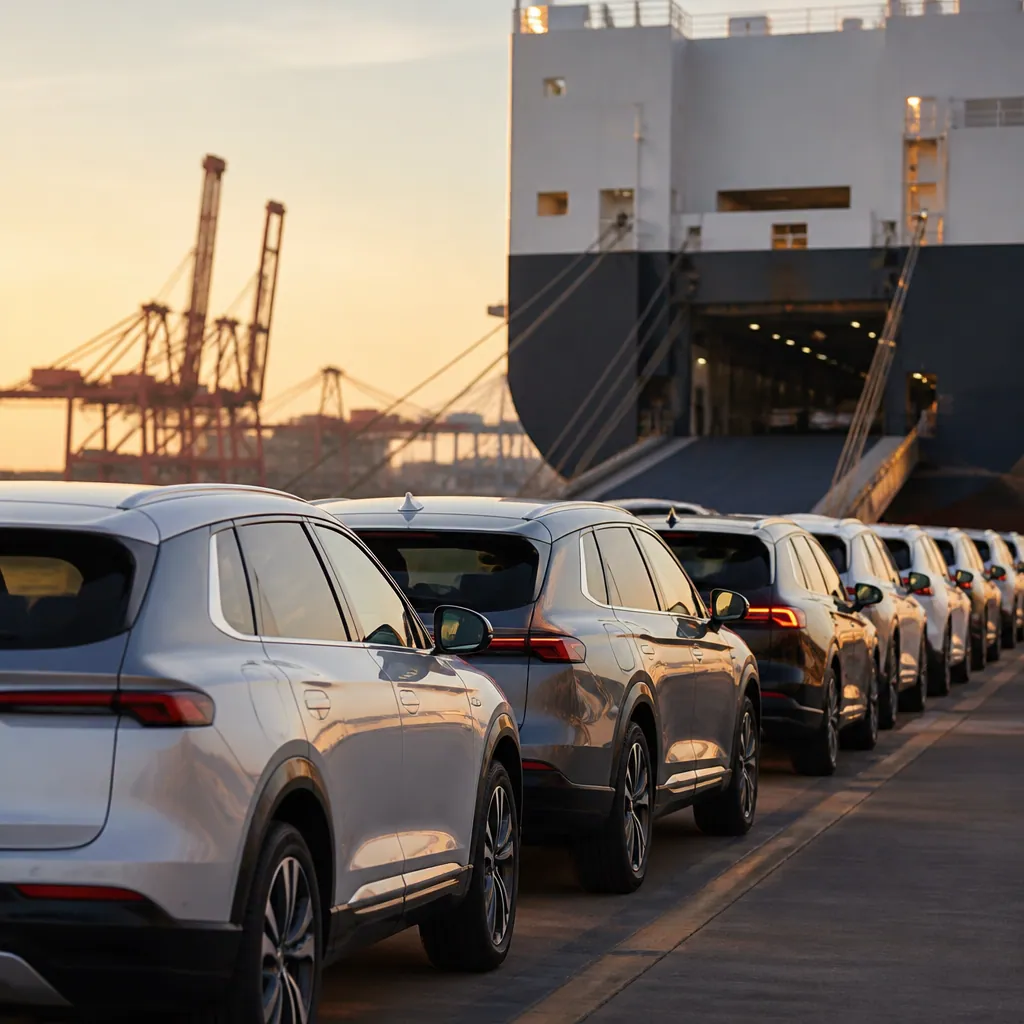

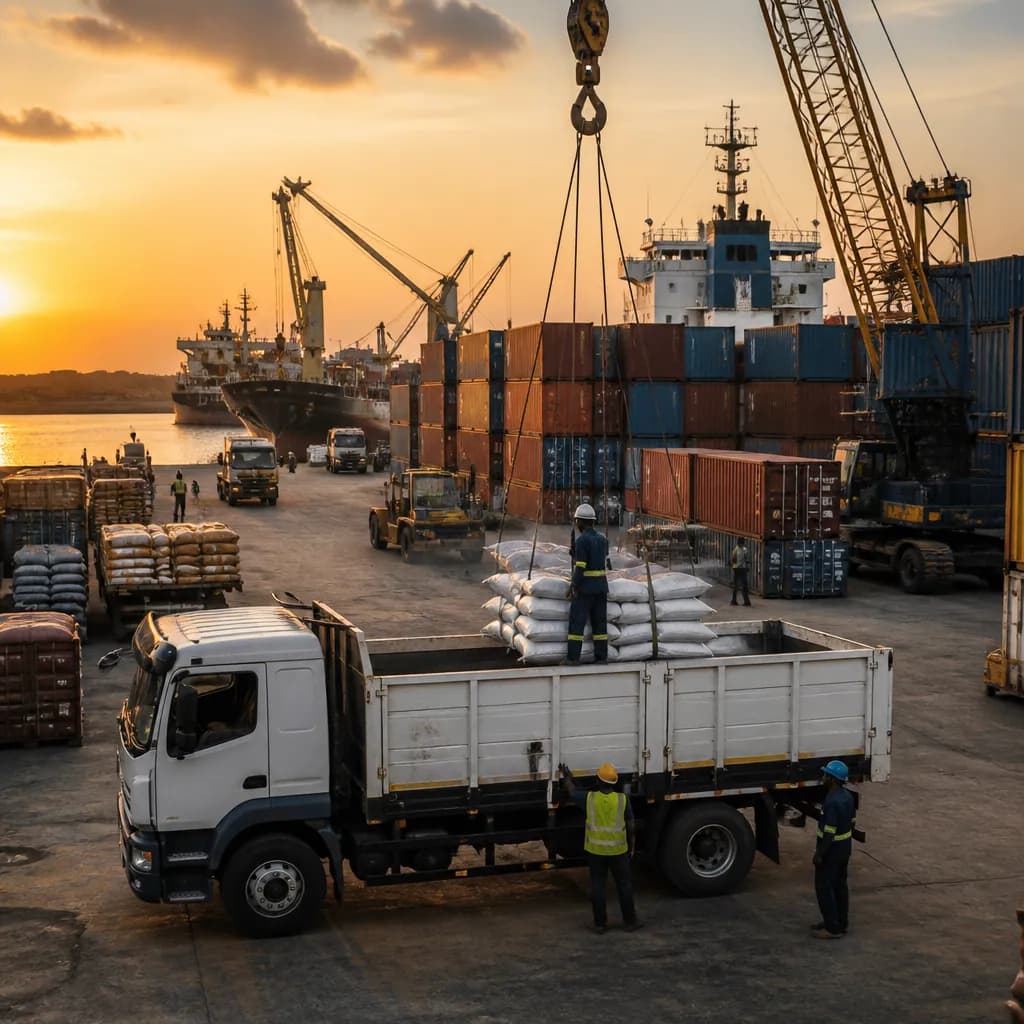
African vehicle dealers and fleet operators are making a decisive shift toward Chinese commercial vehicles, and the numbers back it up. Commercial vehicles from China have become the dominant choice across Africa’s freight, construction, and logistics sectors, not because of clever marketing, but because of pricing, parts availability, and increasingly, quality. Yet many importers still make the same avoidable mistakes: choosing the wrong drivetrain for their route network, miscalculating landed costs, or skipping pre shipment inspection. This guide cuts through the noise and tells you exactly which Chinese diesel and electric commercial vehicles are worth importing into Africa right now, and how to do it without expensive surprises at the port.
Why China Dominates African Commercial Vehicle Imports
China’s commercial vehicle manufacturers have spent two decades building a presence across Africa, and what started as a price play has matured into genuine market dominance. African countries imported more than 44,000 electric vehicles from China in 2025, up from more than 19,000 in 2024, according to China’s commerce ministry. That figure covers passenger EVs, but the commercial vehicle story is equally compelling.
On the heavy truck side, exports of Chinese heavy duty trucks to the Middle East and North Africa grew roughly 73% annually between 2021 and 2023, according to a McKinsey report cited by industry sources. Historically, ASEAN and African countries have been the top export destinations for Chinese medium and heavy commercial vehicle manufacturers. This is not a trend still building. It has already arrived.
The core advantage is straightforward: Chinese commercial vehicles deliver working grade specifications at a price point that European and Japanese equivalents cannot match in most African import scenarios. Spare parts are widely available across major African hubs, Chinese manufacturers are investing in local dealer networks, and the product range now covers everything from light duty cargo vans to 50-tonne tractor units.
Best Chinese Diesel Trucks for Africa
Diesel remains the dominant powertrain for commercial vehicles across most of Africa, and will continue to be for the foreseeable future. Infrastructure, payload requirements, long haul distances, and fuel availability all favor diesel for the majority of African routes. Here are the most important Chinese diesel platforms to know.
Sinotruk HOWO: The Benchmark for African Heavy Haulage
No discussion of Chinese diesel trucks exported to Africa is complete without Sinotruk HOWO. The brand has built a market presence across Angola, Algeria, Nigeria, Tanzania, Morocco, Ghana, Ethiopia, Eritrea, and Kenya. The HOWO 6×4 tractor unit, equipped with engines ranging from 371HP to 375HP, has become the standard reference point for fleet buyers evaluating Chinese trucks in Africa. It features the ZF TraXon gearbox on higher specification variants, a detail that matters to operators running long haul cross border routes.
Pricing gives HOWO a structural advantage in most African markets. In South Africa, for example, HOWO units are priced at significantly less than comparable European models, and that gap is even wider in markets without preferential trade terms with European manufacturers. The total cost of ownership calculus is what closes deals: lower acquisition cost, competitive fuel consumption, and parts that are stocked across all major African ports and freight corridors.
Sinotruk’s SITRAK series is worth noting for buyers who want a step up in long haul and high load performance. The HOHAN covers medium to heavy construction haulage, and the HOMAN handles light duty urban distribution. The range gives dealers genuine product depth rather than a single model to sell.
Shacman: Strong in Construction and Mining
Shacman, headquartered in Xi’an, has carved out a strong share of the Central Asia, Middle East, and Africa market, specifically in construction and mining adjacent applications. The trucks are known for high load capacity and durability in difficult terrain, which makes them a natural fit for infrastructure projects across sub Saharan Africa. Shacman has become a go to choice for buyers in markets where roads are unpaved and load cycles are punishing.
FAW Jiefang and Foton: Volume and Versatility
FAW Jiefang is one of China’s longest established heavy truck manufacturers and remains a leading exporter to African markets. Foton Motor, founded in 1996 and headquartered in Beijing, covers the full range from light to heavy duty and is actively expanding across Africa and Southeast Asia, with annual sales reaching approximately RMB 80 billion as of 2024. For dealers who want to offer customers multiple payload classes from a single supplier relationship, FAW Jiefang and Foton both deliver the product breadth to make that work.
Dongfeng rounds out the top tier. CNHTC (Sinotruk’s parent), Dongfeng, FAW, and Shacman are expected to remain the leading Chinese heavy commercial vehicle exporters through the near term, according to S&P Global Mobility forecasts. These are not fringe brands. They are the mainstream.
Pro tip: When sourcing HOWO or Shacman units for African markets, always specify the emission standard your destination country enforces before finalizing specifications. Several North African countries are tightening standards, and importing a unit that fails compliance adds significant cost and delay that could have been avoided at the sourcing stage.
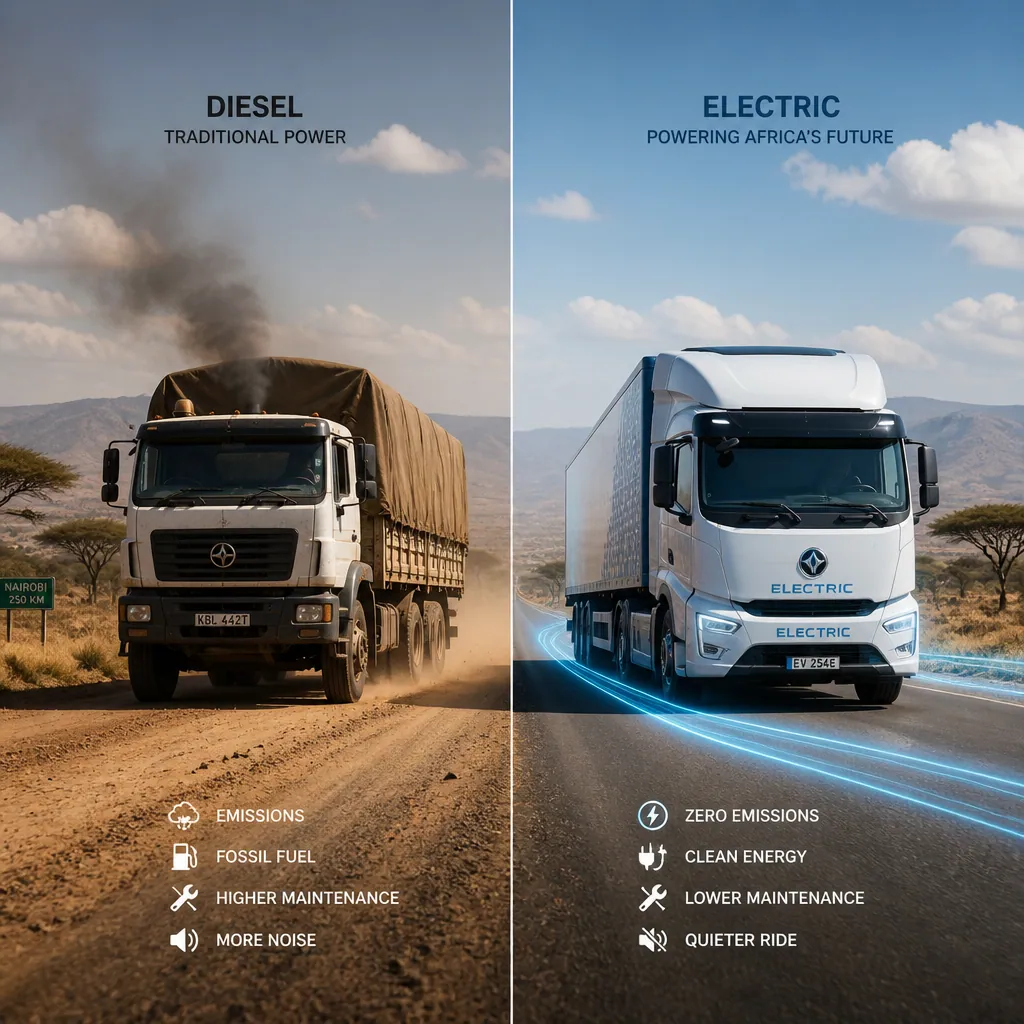
Electric Commercial Vehicles from China for Africa
Electric commercial vehicles from China are arriving in Africa faster than many importers expected. The question is not whether to consider them, but which application they suit right now and which African markets are ready to absorb them at scale.
The State of Chinese Electric Truck Production
China produced more than 400,000 electric trucks in 2025 alone, exceeding the cumulative production recorded between 2020 and 2024, according to the IEA’s Global EV Outlook 2026. The electric share of new truck sales in China grew from 8% in 2024 to 28% by August 2025. Electric trucks have also outsold LNG-powered vehicles in China for multiple consecutive months. That domestic scale is what gives Chinese manufacturers their cost and technology advantage when entering export markets.
BYD and SANY are the two names that dominate the global electric freight truck conversation. BYD ships electric freight trucks to multiple markets internationally and has plans for international assembly plants. SANY has opened an industrial park in South Africa focused on making electric trucks, a clear signal of long term commitment to the continent rather than opportunistic exporting.
Which African Markets Are Ready for Electric Commercial Vehicles
Ethiopia is the clearest example of forced pace EV adoption. The country banned imports of gasoline- and diesel fueled vehicles in 2024, making it an entirely captive market for electric commercial vehicles. Egypt, Morocco, and South Africa have all launched significant pushes toward EV adoption, supported by government policy and improving charging infrastructure.
For fleet operators and dealers targeting these markets electric light and medium commercial vehicles are the most practical entry point. Electric cargo vans, buses, and medium distribution trucks suit urban and peri urban routes where charging infrastructure exists. Heavy duty long haul electric trucks remain constrained by charging infrastructure across most of sub Saharan Africa, and importers should be honest with customers about that limitation rather than overselling capability the infrastructure cannot yet support.
Electrification of commercial vehicles is not a single continent wide opportunity. It is a market by market calculation that starts with route analysis, charging infrastructure, and regulatory environment before it gets anywhere near the vehicle specification.
The economics of electric trucks are also shifting. While electric trucks are currently two to three times more expensive than diesel equivalents at purchase, research indicates their higher energy efficiency and lower operating costs can save fleet owners an estimated 10% to 26% over a vehicle’s lifetime. For fleet operators running high mileage urban cycles in markets with reliable grid access, that lifetime saving argument is already compelling.
Pro tip: For African dealers considering stocking Chinese electric commercial vehicles, start with electric light commercial vehicles and buses in cities where charging infrastructure is already operational. Use those early sales to build technical expertise and customer confidence before moving to heavier electric platforms that require more complex aftersales support.
Diesel vs. Electric: Comparison for African Fleets
Choosing between diesel and electric commercial vehicles for an African fleet is not a values question. It is an operational one. The right answer depends on route length, available charging infrastructure, regulatory requirements, and total cost tolerance. The table below captures the key considerations for buyers sourcing commercial vehicles from China for Africa.
| Factor | Chinese Diesel Trucks (e.g. HOWO, Shacman, FAW) | Chinese Electric Commercial Vehicles (e.g. BYD, SANY) |
|---|---|---|
| Upfront Purchase Cost | Lower. Most competitive price point in the African market. | Higher. Typically two to three times the cost of diesel equivalents at purchase. |
| Lifetime Operating Cost | Higher fuel and maintenance costs over the vehicle’s life. | Potentially 10 to 26% lower lifetime cost where charging infrastructure exists. |
| Infrastructure Requirement | Diesel fuel widely available across all African markets. | Reliable grid access and charging infrastructure required. Limited outside major cities. |
| Best Suited Routes | Long haul cross border, mining, construction, rural freight. | Urban distribution, bus routes, peri urban logistics in electrified markets. |
| Parts and Service Availability | Extensive. Chinese truck parts widely stocked across African freight hubs. | Growing but still limited. Best in markets with established Chinese EV dealer networks. |
| Regulatory Trend | Stable. Diesel remains legal in most African markets, but some countries are tightening emissions standards. | Favorable. Ethiopia has banned fossil fuel imports; Egypt, Morocco, and South Africa actively encouraging EVs. |
How to Import Chinese Commercial Vehicles into Africa
The import process for commercial vehicles from China to Africa is manageable when it is sequenced correctly. The most expensive mistakes happen when importers try to resolve documentation requirements after the shipment has already left China or is already approaching the destination port.
Step 1: Confirm Destination Market Requirements Before Sourcing
A shipment from China to South Africa should not be treated the same as a shipment to Kenya, Nigeria, Ghana, Egypt, or Morocco. Each country has distinct import duties, emissions standards, axle load regulations, and documentation requirements. Confirm what your destination market requires before you finalize vehicle specifications. This includes emission standards, right hand versus left hand drive requirements, and any homologation certificates your destination country demands.
Step 2: Verify the Supplier and Specify Precisely
The general process for importing from China involves identifying and verifying a supplier, confirming product specifications in detail, calculating the full landed cost, and agreeing payment and shipping terms. On commercial vehicles, specification precision matters more than on passenger cars. Engine output, gearbox type, axle configuration, cab type, body configuration, and payload rating all need to be locked in writing before production begins. Vague specifications produce the wrong vehicle.
Step 3: Pre Shipment Inspection
Pre shipment inspection is non negotiable for commercial vehicles. New vehicles can leave the factory with configuration errors, missing accessories, or specification deviations that are far cheaper to correct in China than at the destination port. A qualified inspection before loading confirms the vehicle matches the purchase order and catches issues that would otherwise become your problem to solve thousands of kilometres from the supplier.
Step 4: Freight Selection and Landed Cost Calculation
For commercial vehicles in volume, Roll on Roll off (RoRo) shipping is the standard method. For smaller orders or special purpose vehicles, container shipping may be more appropriate. The correct freight comparison includes origin charges, ocean freight, destination handling, customs clearance fees, and local delivery, not just the ocean freight rate alone. Calculate the full landed cost before committing, because the difference between a good deal and a poor one is often hidden in destination handling and clearance charges.
Step 5: Customs Documentation
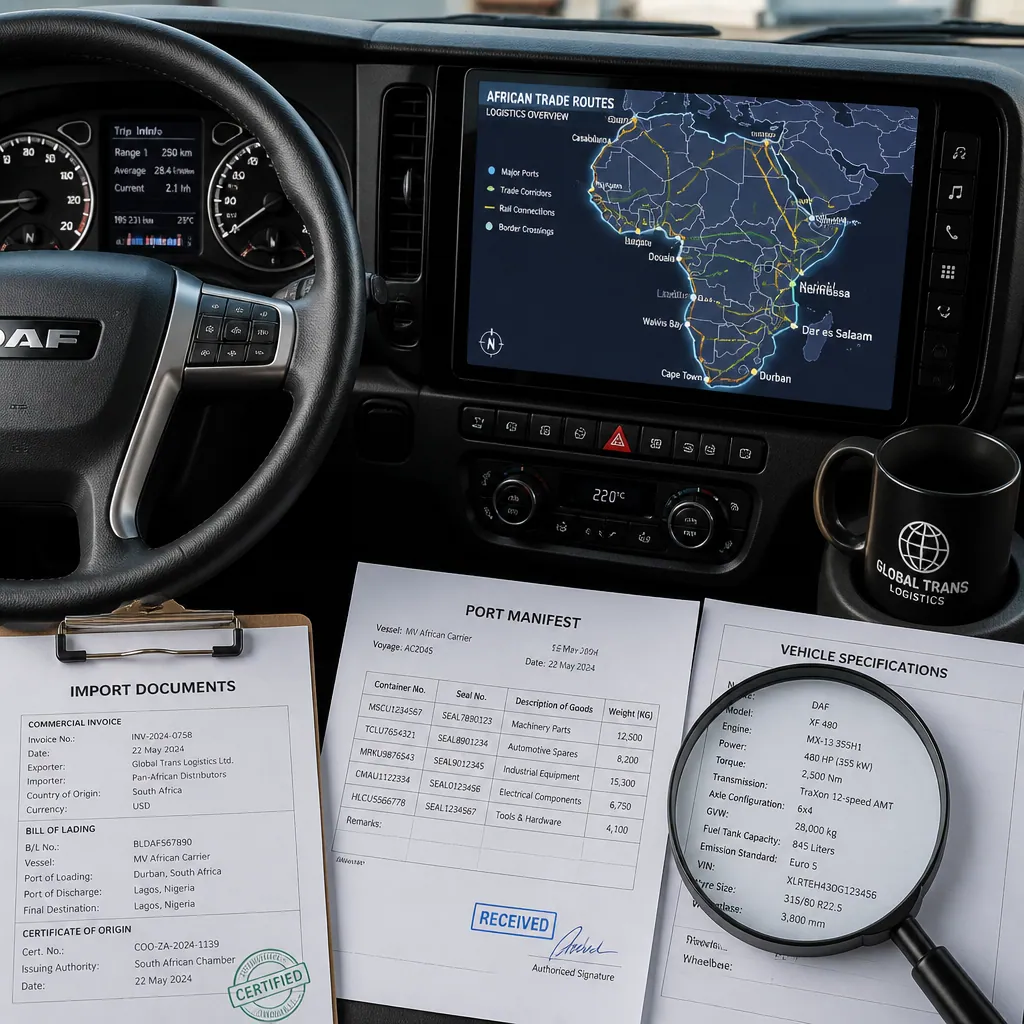
Core documents for clearing commercial vehicles through African customs typically include the commercial invoice, bill of lading, packing list, certificate of origin, and any country specific conformity certificates. Some markets require pre import verification schemes or destination inspection on arrival. Resolve documentation requirements before shipment, not when the container is approaching the port. Working with an experienced freight forwarder or export specialist who knows both the Chinese export process and your specific destination country clears the path significantly.
Common Mistakes Importers Make
Experience across commercial vehicle import routes from China to Africa shows the same errors appearing repeatedly. Avoiding them is straightforward once you know what to look for.
The first common mistake is confusing ex factory price with landed cost. The ex works or FOB price from a Chinese factory is only the starting point. Add freight, marine insurance, destination port charges, import duties, VAT or similar taxes, customs clearance fees, and local transport to the final delivery point. Dealers who quote their customers based on ex factory price without calculating these additions set expectations they cannot meet.
The second is choosing a drivetrain based on what the exporter recommends rather than what the destination route and infrastructure support. A heavy duty electric truck that cannot be reliably charged on a customer’s route is not a cost saving purchase. It is a liability. Match the drivetrain to the operational reality of your customer, not to the specification sheet.
The third is skipping after sales planning. Chinese commercial vehicle brands are building their African dealer and service networks, but coverage is not universal. Before committing to a specific brand for a fleet order, confirm that parts supply and qualified technicians are accessible in your customer’s operating region. A truck that cannot be serviced affordably loses its cost advantage fast.
The fourth mistake is treating all Chinese commercial vehicle brands as equivalent. The quality gap between the established export focused manufacturers and lower tier alternatives is real, and it shows up in durability, parts standardization, and resale value. Stick to brands with proven African export track records and established supply chains.
At Automotion Global, we manage the sourcing, supplier coordination, pre shipment inspection, export documentation, international shipping, and aftersales support for commercial vehicle imports from China to Africa, so our clients avoid each of these mistakes from the outset. Contact us to discuss your specific requirements.
Frequently Asked Questions
Which Chinese diesel truck brand is most popular in Africa?
Sinotruk HOWO is the most widely recognized Chinese diesel truck brand across Africa, with a strong presence in Nigeria, Angola, Algeria, Ghana, Tanzania, Kenya, Ethiopia, and Morocco. Shacman, FAW Jiefang, Foton, and Dongfeng also hold significant market positions, particularly in construction, logistics, and government fleet applications. The right choice depends on your specific market, required payload class, and available local service support.
Are electric commercial vehicles practical for Africa right now?
In select markets, yes. Ethiopia, Egypt, Morocco, and South Africa are the most EV-ready commercial vehicle markets on the continent, supported by government policy and improving charging infrastructure. For urban distribution, electric light and medium commercial vehicles are increasingly practical in major cities in these markets. Long haul heavy electric trucks remain constrained across most of sub Saharan Africa due to limited charging infrastructure away from major urban centers.
What documents are needed to import commercial vehicles from China to Africa?
The core documents typically required include a commercial invoice, bill of lading, packing list, and certificate of origin from China. Many African markets additionally require destination specific conformity certificates, pre import inspection reports, or compliance with local emission standards documentation. Requirements vary significantly by destination country, which is why confirming documentation needs before production and shipment is essential rather than an afterthought.
How do I calculate the landed cost of a Chinese truck imported to Africa?
Start with the agreed vehicle price (FOB or CIF), then add international freight, marine insurance, destination port handling charges, import duties (which vary by country and vehicle type), local taxes such as VAT, customs clearance agent fees, and inland transport to the final delivery point. In practice, the difference between the factory price and the final landed cost can be substantial, and failing to calculate it accurately is one of the most common reasons importers lose money on what looked like an attractive deal.
What is the best way to source Chinese commercial vehicles for Africa without visiting China?
Working with an established export specialist who has direct relationships with verified Chinese commercial vehicle manufacturers is the most reliable approach. A good export partner handles supplier vetting, specification confirmation, pre shipment inspection, export documentation, and freight coordination on your behalf. This eliminates the need for you to travel to China for every order and significantly reduces the risk of specification errors, quality deviations, or documentation failures. Automotion Global provides this complete export solution specifically for commercial vehicle buyers across Africa and other international markets. Get in touch to find out how we can source and supply the right vehicles for your requirements.
Which Chinese electric truck brands are entering the African market?
BYD and SANY are the two most prominent Chinese electric commercial vehicle manufacturers with active African market ambitions. SANY has established an industrial park in South Africa focused on producing electric trucks. BYD, which dominates global electric freight truck sales, is expanding internationally including in African markets. Foton is also a notable electric commercial vehicle exporter. As the market develops, expect more of the established diesel focused Chinese truck brands to introduce electric variants for African markets where policy and infrastructure allow.
Have you imported commercial vehicles from China to Africa? Share your experience in the comments, or let us know which brands or routes you would like us to cover in more detail.
References
- EV imports to Africa from China surge in 2025 according to China’s commerce ministry
- How Chinese diesel truck exports to the Middle East and Africa are shifting toward electric
- IEA Global EV Outlook 2026: Electric truck manufacturing and trade data
- S&P Global Mobility forecast for Chinese commercial vehicle and truck exports
- Sinotruk HOWO market presence and export footprint across Africa