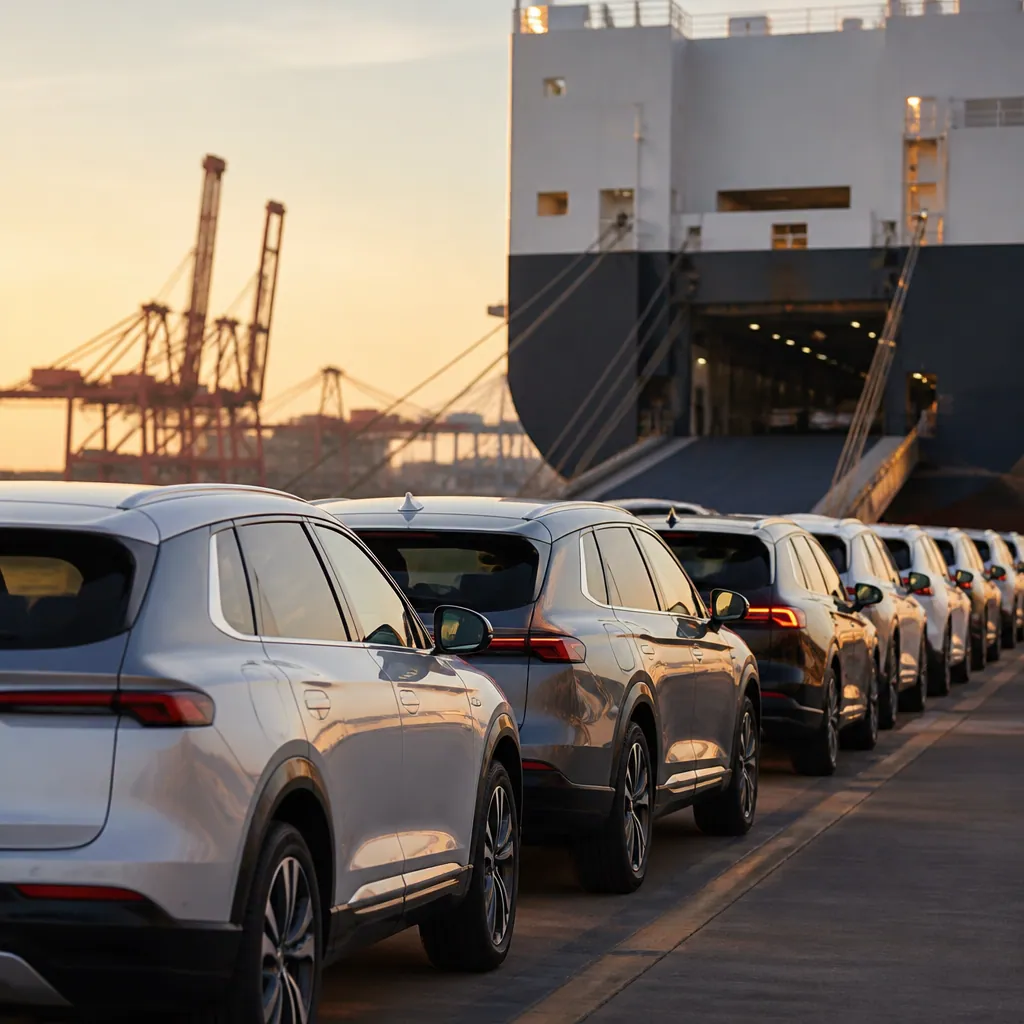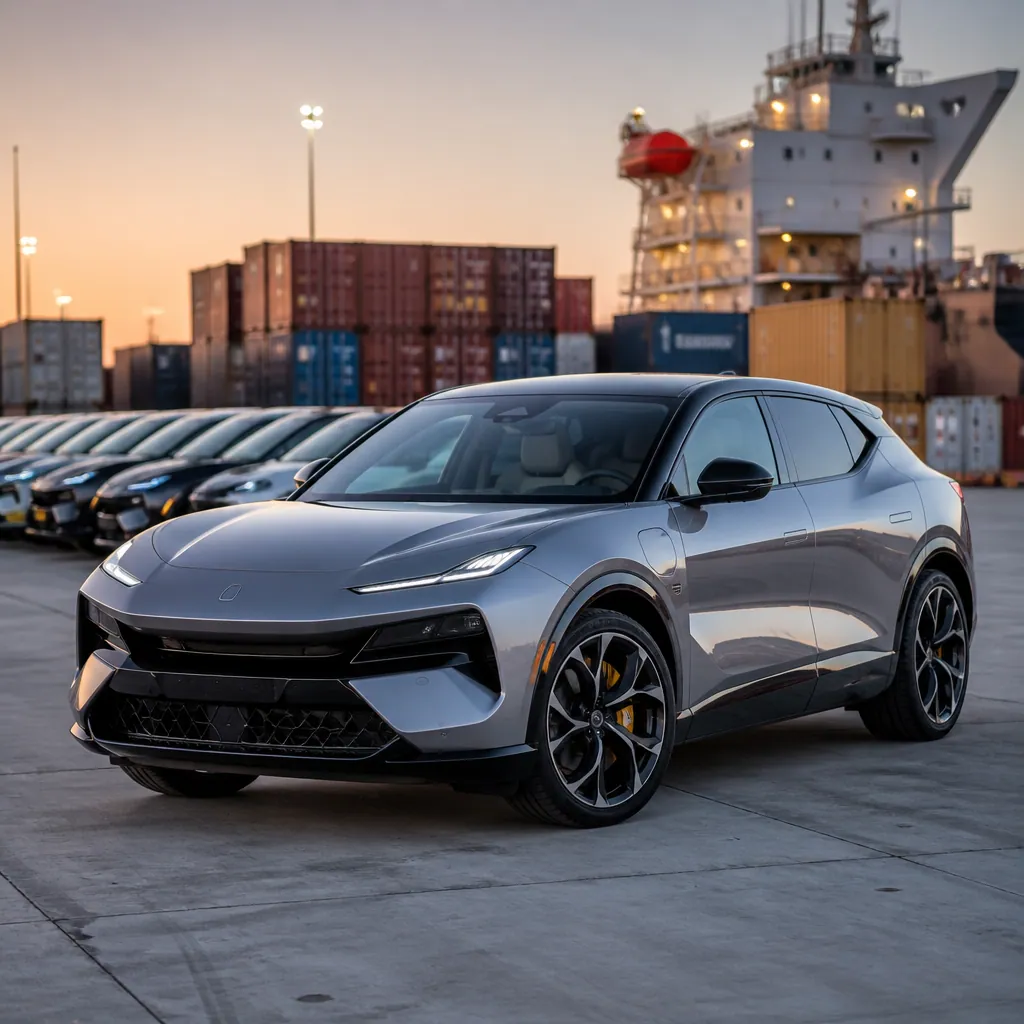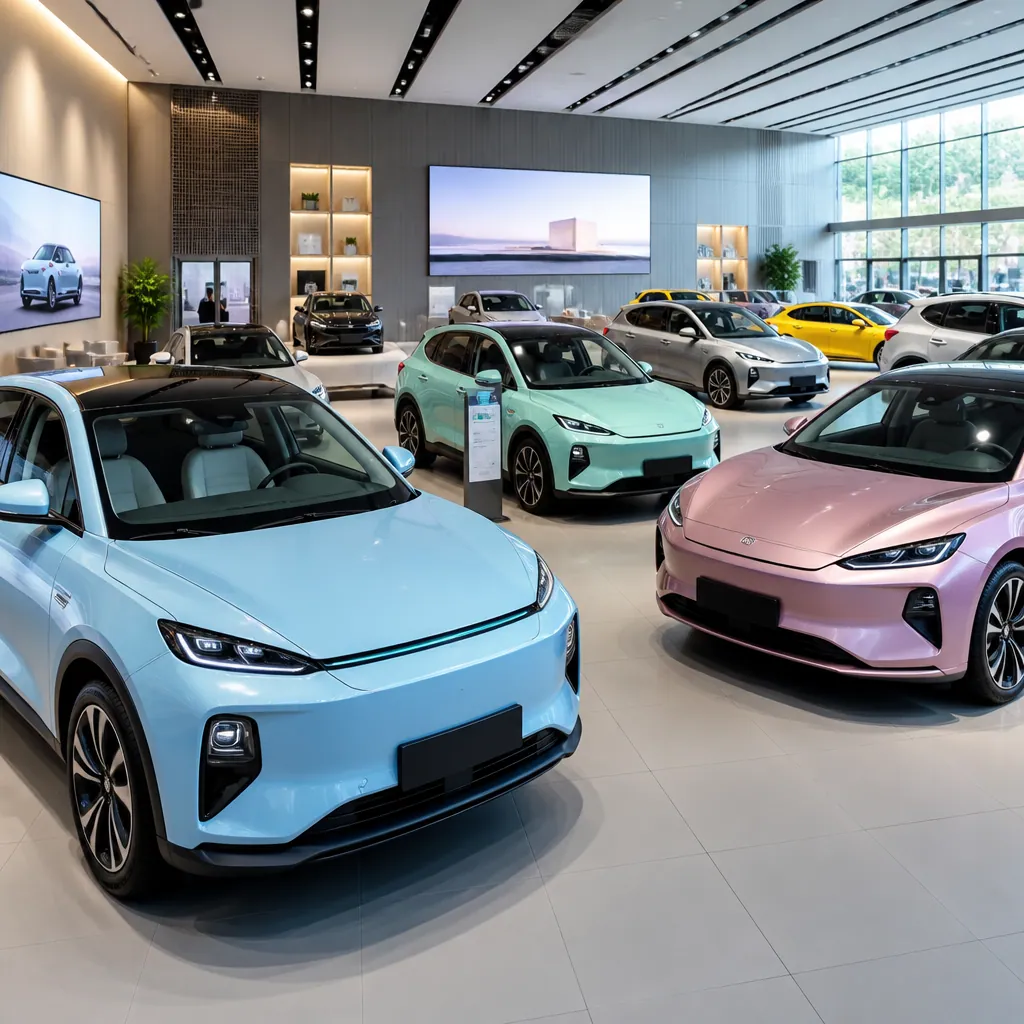
Five years ago, Chinese automotive brands held roughly 2% of the Gulf’s new car market. By 2025, that figure had climbed to around 15% across the Arab Gulf states, and one major consulting firm projects it will reach 34% in the Middle East and Africa by 2030. The rise of Chinese EVs in the Middle East is not a slow trend gradually building momentum. It is a structural shift, driven by price advantage, product sophistication, deepening trade ties, and a region wide pivot toward electrification. For vehicle dealers, fleet operators, and importers sourcing across this market, understanding what is actually driving this shift is the difference between positioning early and scrambling to catch up.
Quick Takeaways
| Key Insight | Explanation |
|---|---|
| Chinese brands now hold 15 to 20% of UAE vehicle sales | Up from 10 to 14% in 2024, according to AutoData Middle East data for the first nine months of 2025. |
| MEA market share projected to hit 34% by 2030 | AlixPartners forecasts Chinese brands will capture 34% of the Middle East and Africa market, up from 10% in 2024. |
| Price remains the primary driver at entry level | Most Middle East consumers will enter the EV market at the lower end of the price spectrum, where Chinese manufacturers hold a clear structural cost advantage. |
| Heat resistance engineering has improved significantly | Brands like BYD and Chery have tested vehicles extensively in Gulf conditions, with battery ranges of 400 to 600 km and cooling systems adapted for extreme temperatures. |
| State level deals are locking in long term relationships | Saudi Aramco signed a joint development agreement with BYD in April 2025. Abu Dhabi backed CYVN Holdings invested US$2.2 billion in Nio in late 2023. |
| The GCC EV market is growing fast | A March 2026 estimate put the GCC EV market at US$11.64 billion in 2026, up from US$9.53 billion in 2025, with a projected 22.15% CAGR through 2031. |
| Tariffs on Chinese vehicles are lower in the Gulf than elsewhere | Unlike the EU and US, Gulf states have not imposed punitive tariffs on Chinese EVs, keeping them competitively priced against Western and Japanese alternatives. |
The Numbers That Matter
The headline statistic that should anchor every conversation about this market: Chinese automotive brands’ share in Arab Gulf countries grew from just 2% in 2019 to around 15% by 2025. That is not organic drift. That is a deliberate push by Chinese manufacturers into a market that, until recently, was dominated almost entirely by Japanese, Korean, and European brands.
In the UAE specifically, Chinese brands captured between 15% and 20% of new passenger vehicle sales in the first nine months of 2025, up from 10% to 14% in 2024. Exports from China to the UAE surged by around 60% over the same period. In Saudi Arabia, Chinese carmakers captured 16% of new passenger vehicle sales in 2024. These are not niche numbers. This is mainstream market penetration, happening fast.
The GCC’s overall EV market was estimated at US$9.53 billion in 2025 and is projected to reach US$11.64 billion in 2026, with a 22.15% compound annual growth rate through 2031. Battery electric vehicles accounted for 67.83% of that market in 2025. Chinese brands, with their concentration at the economy and mid range price points, are positioned to capture a disproportionate share of that growth.
Why the Middle East Was a Hard Market, and Why That Changed
For a long time, the Gulf was genuinely hostile territory for EVs. Cheap fuel made the operating cost case difficult. Charging infrastructure was sparse. And the heat, with summer temperatures regularly exceeding 45 degrees Celsius, raised legitimate questions about battery performance and longevity. These were not misconceptions. They were real barriers, and any honest account of this market has to acknowledge them.
The Heat Problem Is Being Solved at the Engineering Level
Chinese manufacturers adapted. BYD, Chery, and Geely have all put significant engineering effort into thermal management systems designed for extreme climates. In practice, BYD and Nio models now offer 400 to 600 km of range on a full charge, and UAE buyers can expect 350 to 500 km in summer conditions with air conditioning running, which is sufficient for regular commuting across even the largest Gulf cities. This is not a promise. It is what buyers are reporting after using these vehicles in the region.
Fuel Costs Changed the Calculation
Rising fuel costs and inflation across the GCC have shifted the total cost of ownership math in favor of EVs. Buyers who previously dismissed the savings argument are now running the numbers and finding that Chinese EVs, with their lower purchase price and reduced running costs, make straightforward financial sense, particularly for fleet operators managing large vehicle counts.
Around two thirds of UAE buyers now say they would consider an EV or hybrid, encouraged in part by government measures such as free parking in Dubai for electric vehicles. Consumer sentiment has moved. The question for dealers and importers is no longer whether Middle East buyers will accept Chinese EVs. It is which models to stock and in what volume.
Pro tip: Fleet operators evaluating Chinese EVs for GCC deployment should request thermal management documentation from suppliers and verify that battery warranties explicitly cover high temperature operating conditions. This is a standard ask in the region and reputable exporters will have this on hand.
Price, Technology, and the Value Proposition
The price gap between Chinese EVs and their Western counterparts is real and significant. Most consumers in the Middle East and North Africa will enter the EV market at the lower end of the price spectrum. This is where Chinese manufacturers operate most effectively, because their cost structures allow them to deliver features that, in other markets, are reserved for premium price points.
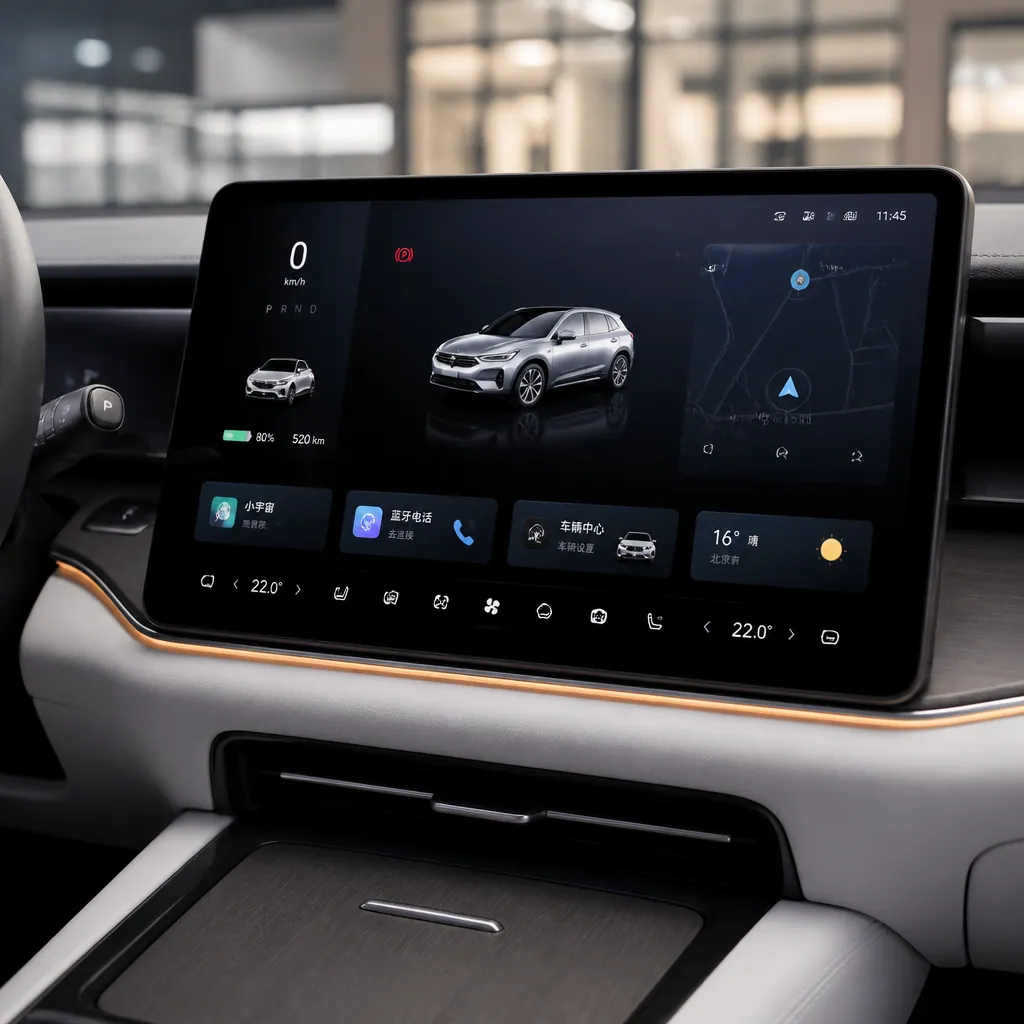
A mid range Chinese EV available in the UAE market typically includes a 12.3-inch dual screen cockpit, advanced driver assistance systems (ADAS) with lane assist and automatic emergency braking, 360-degree cameras, and long battery warranties. Chery, for example, leads the market with a 7-year warranty, which signals a level of confidence in long term reliability that was not being offered even a few years ago.
Luxury Positioning Is Part of the Strategy
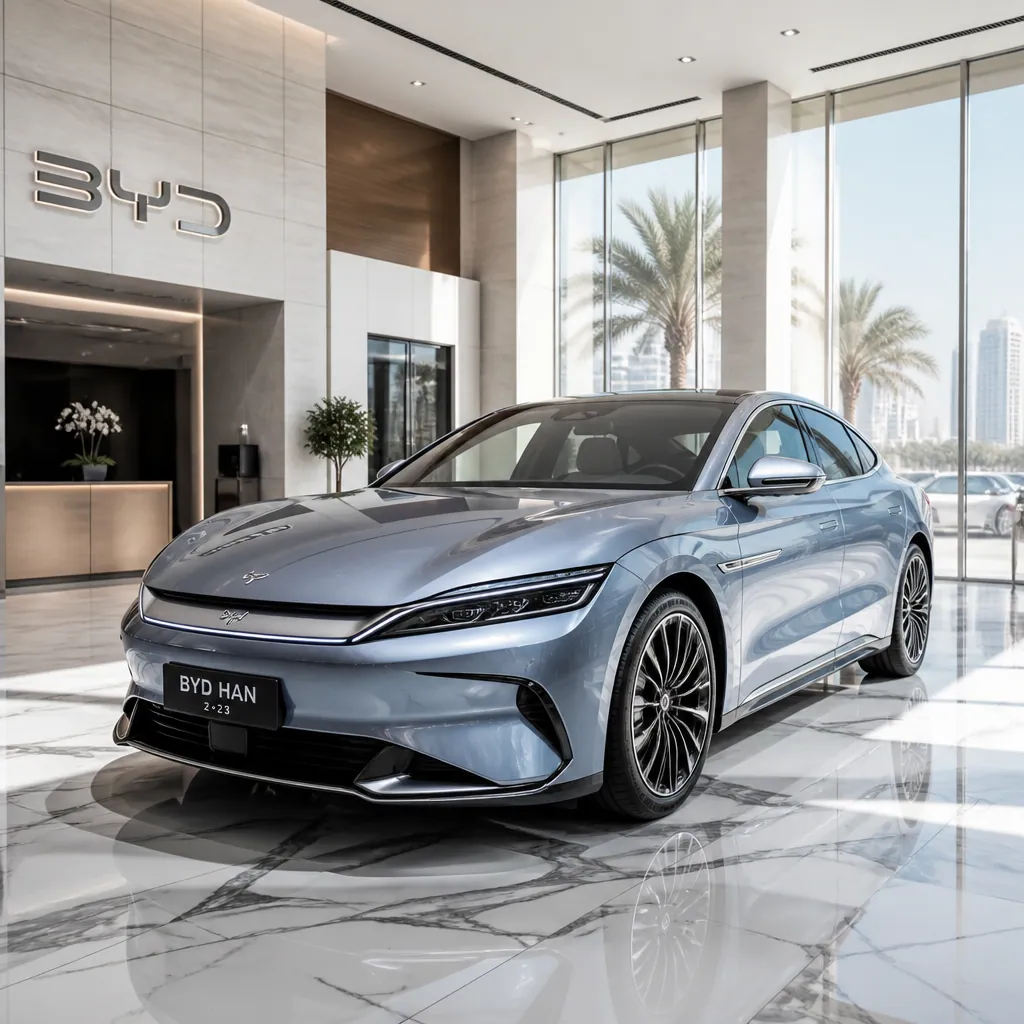
Chinese brands are not competing only on price. There is a deliberate push into premium segments. China’s strategy of using luxury models to shift the perception of Chinese brands away from “lower end” compared to European and Japanese counterparts is showing measurable results in Gulf markets. Models like BYD’s Han sedan and upmarket offerings from Zeekr are visible in premium retail environments across Dubai and Abu Dhabi, sitting alongside vehicles that cost considerably more.
The Middle East is proving that price and prestige are not mutually exclusive when the product is genuinely competitive. Chinese EV brands are learning this faster than most observers expected.
This dual approach, capturing mass market volume with affordable EVs while building brand equity through premium models, is exactly how Japanese brands built their Gulf presence decades ago. The difference is that Chinese brands are doing it in years, not decades.
Pro tip: When evaluating Chinese EV models for dealer stock, prioritize brands that have both an economy and a premium model line. Buyers in the Gulf tend to be aspirational, and having an upgrade path within the same brand builds dealer loyalty and repeat business.
Brands Leading the Charge
The UAE market is currently led by a cluster of Chinese brands that have moved beyond trial deployments into real volume. BYD, Geely, Chery, MG, and Deepal are the most visible, with BYD’s Han sedan and Chery’s Jetour T2 SUV appearing regularly across Dubai and Abu Dhabi. GAC Aion and Zeekr are building presence at the premium end.
MG deserves special mention as a brand that has benefited from both Chinese ownership and legacy Western brand recognition. In markets where buyers remain cautious about unfamiliar Chinese names, MG provides a familiar entry point. The MG ZS EV, for instance, combines a recognizable badge with pricing that undercuts comparable European models significantly.
Each of these brands has made deliberate moves to build aftersales infrastructure in the Gulf, because sophisticated buyers in Saudi Arabia and the UAE are unwilling to accept poor parts availability or weak service networks regardless of how competitive the purchase price is. This is a market that demands genuine aftersales commitment, not just a low sticker price.
Government Policy and Trade Ties Are Accelerating Everything
The shift toward Chinese EVs in the Gulf is not purely market driven. Government policy on both sides is actively accelerating it. Unlike the European Union and the United States, Gulf states have not imposed punitive tariffs on Chinese vehicles. This keeps Chinese EVs competitively priced at the point of sale and removes a major barrier that has slowed Chinese EV penetration in other regions.
Beyond tariff policy, the institutional relationships are deepening significantly. In April 2025, Saudi Aramco signed a joint development agreement with BYD on new energy vehicle technologies. Abu Dhabi backed CYVN Holdings invested US$2.2 billion in Nio in late 2023. In January 2025, Saudi Arabia’s state backed charging network paired with BYD to expand charging infrastructure. In Qatar, a state transport affiliate and China’s Yutong are building an e-bus assembly plant with initial capacity of 300 buses per year. These are not pilot projects. They are structural commitments.
Across the six GCC states, more than 2.3 million new vehicles were sold in 2024. Governments in the region are simultaneously expanding charging infrastructure and introducing consumer incentives, such as free parking in Dubai for EVs, to drive adoption. The combination of open trade policy, state level investment partnerships, and consumer incentives creates a demand environment that Chinese exporters are better positioned to serve than most of their Western competitors.
What This Means for Dealers, Importers, and Fleet Operators
If you are sourcing vehicles for the Middle East market right now, the question is not whether to include Chinese EVs in your offering. That decision has effectively been made by the market. The question is how to source them reliably, at the right specifications, with the right documentation, and with a supplier who understands the export process from China to your specific destination market.
Specification Matters More Than It Seems
Chinese manufacturers produce vehicles in multiple regional specifications. A vehicle exported without the correct GCC specification, including the right cooling systems, correct lighting configurations, and proper regulatory documentation, will create aftersales problems that damage your business relationship with the end buyer. This is not a theoretical risk. It is a common failure point when dealers work with suppliers who do not specialize in the Gulf market.
Lead Times Require Forward Planning
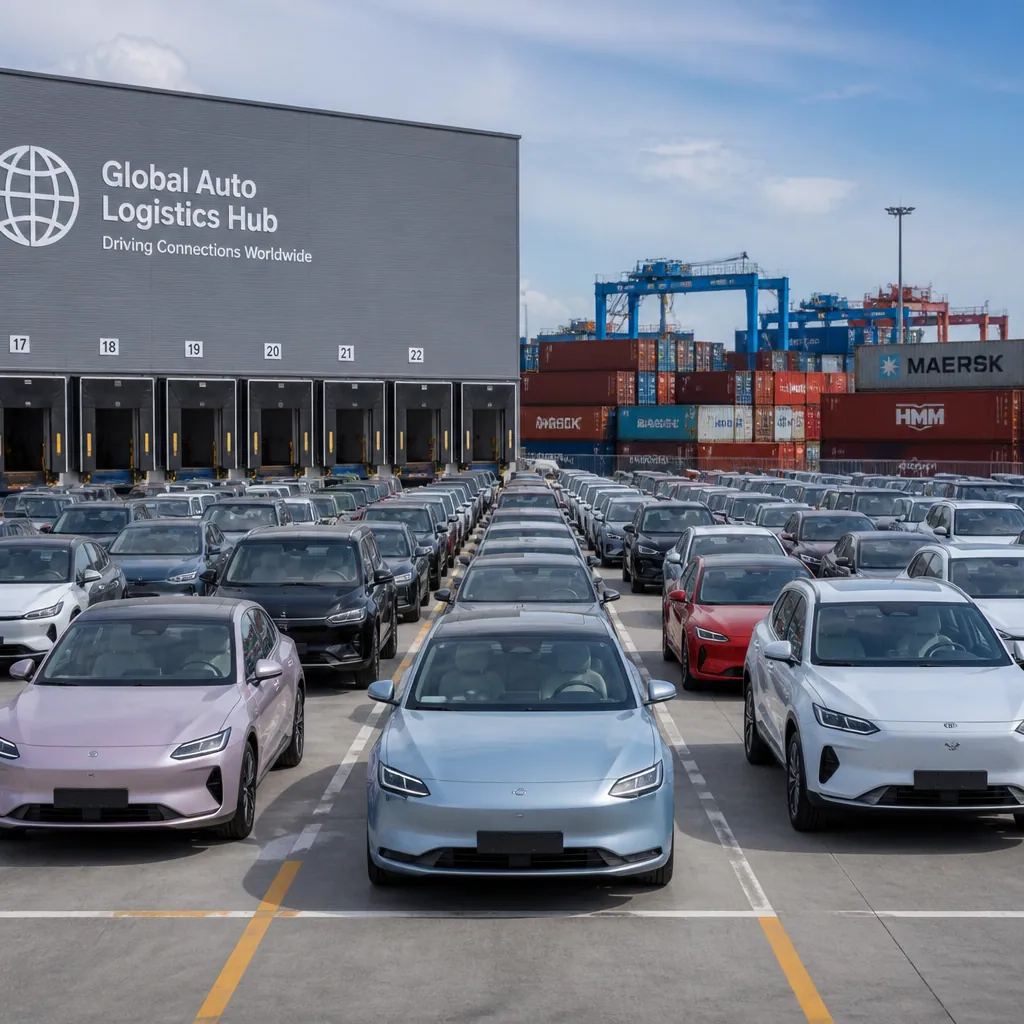
A stock order for Chinese vehicles can take up to six months to fulfill from the point of order to delivery. Dealers who treat Chinese EV sourcing as an on demand process will find themselves with stock gaps exactly when demand peaks. The buyers who are winning in this market are placing orders ahead of demand signals, not in response to them.
Working with an experienced international vehicle supplier who has established relationships with Chinese manufacturers and understands export documentation, customs procedures, and regional shipping routes is not optional. It is the factor that separates dealers who grow their Chinese EV business from those who struggle with delays, incorrect specifications, and post delivery issues. At Automotion Global, this is precisely the kind of complete export solution we provide, from sourcing and inspection through to documentation and aftersales support, specifically for markets across the Middle East, Africa, and Asia.
Comparing Sourcing Approaches for Chinese EVs
| Sourcing Approach | Typical Profile | Key Risks |
|---|---|---|
| Direct factory contact without specialist support | Buyers approach Chinese manufacturers directly without export expertise. May work for large volume buyers with in house logistics teams. | Specification errors, incorrect export documentation, no inspection layer, long resolution times for disputes. |
| General freight forwarder with no automotive specialization | Logistics led approach where the forwarder handles shipping but has no sourcing or inspection capability. | No pre shipment vehicle inspection, no specification verification, no aftersales support chain, customs clearance risks in destination market. |
| Specialist international vehicle supplier (full service) | End to end export partner handling sourcing, supplier coordination, pre shipment inspection, export documentation, customs procedures, and aftersales support. | Requires selecting a supplier with verified Middle East market experience and established supplier relationships in China. Higher upfront coordination but lower total risk. |
The comparison above reflects what buyers consistently encounter when entering this market without adequate support. In practice, the full service specialist approach is the only one that reliably scales beyond a single shipment.
Frequently Asked Questions
Are Chinese EVs reliable in extreme Gulf heat?
The leading Chinese brands have invested heavily in thermal management engineering for hot climate markets. BYD and Chery vehicles have been tested extensively in Gulf conditions. Buyers in the UAE report real world ranges of 350 to 500 km in summer with air conditioning running, which is practical for daily use. Chery offers a 7-year unlimited kilometer warranty. These are not claims. They are the warranty terms and reported owner experiences in the region.
Why are Chinese EVs so much cheaper than European or American alternatives?
The cost advantage comes from China’s vertically integrated battery supply chain, lower labor costs, massive domestic production scale, and direct government support for the EV sector. Chinese manufacturers produce battery cells, packs, motors, and electronics in house or through closely integrated domestic suppliers, which removes significant cost at each stage. This is a structural advantage, not a temporary discount.
What Chinese EV brands are currently available in the Middle East?
The brands with the strongest current presence include BYD, Chery, MG, Geely, Deepal, GAC Aion, and Zeekr. MG benefits from legacy Western brand recognition. BYD leads on volume and battery technology. Chery’s Jetour SUV line has proven particularly popular with family buyers across the Gulf. Each brand operates across different price segments, from affordable entry level EVs to premium models competing directly with European marques.
How do I source Chinese EVs for the Middle East market with correct specifications?
The critical requirement is working with a supplier who understands GCC-specific vehicle specifications, not just general export logistics. This means correct cooling system configuration, regional lighting and safety equipment compliance, Arabic language documentation where required, and pre shipment inspection by someone with automotive expertise. A logistics provider without automotive specialization will not flag specification errors before the vehicle ships. By that point, fixing the problem is expensive and slow.
What is the EV market forecast for the Middle East through 2030?
AlixPartners projects Chinese brands will capture 34% of the Middle East and Africa vehicle market by 2030, up from 10% in 2024. The GCC EV market specifically was estimated at US$9.53 billion in 2025 and is projected to reach US$11.64 billion in 2026, with a 22.15% CAGR through 2031. These projections align with government electrification targets across Saudi Arabia, the UAE, and Qatar, all of which have announced formal EV adoption goals supported by infrastructure investment.
Do Gulf states impose tariffs on Chinese EVs?
Unlike the European Union and the United States, Gulf Cooperation Council states have not imposed punitive tariffs on Chinese vehicles. This is a material difference from other major markets and is one of the key reasons Chinese EVs are competitively priced in the Middle East. It also explains why Chinese manufacturers are prioritizing the Gulf as a growth market as they face headwinds in Europe and North America.
What role are state level deals playing in the Chinese EV push into the Gulf?
The institutional relationships are substantial and growing. Saudi Aramco signed a joint development agreement with BYD in April 2025. Abu Dhabi backed CYVN Holdings invested US$2.2 billion in Nio in late 2023. Saudi Arabia’s state backed charging network partnered with BYD in January 2025. Qatar is building an e-bus assembly plant with Yutong. These are sovereign level commitments, not commercial pilots, and they signal that the shift toward Chinese EVs in the Gulf has government support on both sides.
If you are a dealer, distributor, or fleet operator working through your approach to Chinese EVs in the Middle East, we would like to hear what your biggest sourcing challenge has been so far.
References
- Chinese EV adoption in the UAE: market share data and consumer sentiment analysis
- AlixPartners report: Middle East emerges as key growth market for Chinese auto exports
- Gulf EV market shift: Chinese automakers, GCC trade ties, and infrastructure investment
- European Council on Foreign Relations: China’s automotive export strategy in the Gulf and MENA region
- AGBI analysis: Gulf buyers turning to Chinese EVs as fuel costs and inflation rise