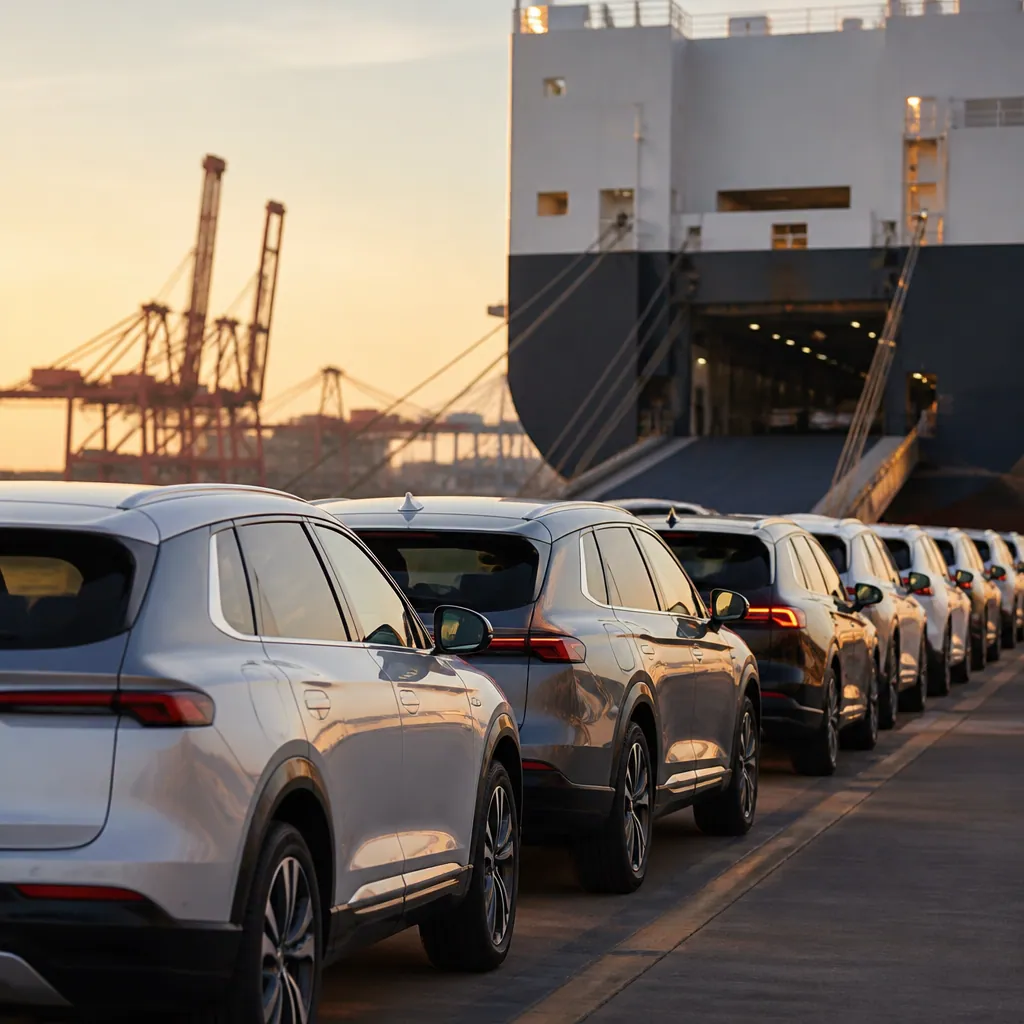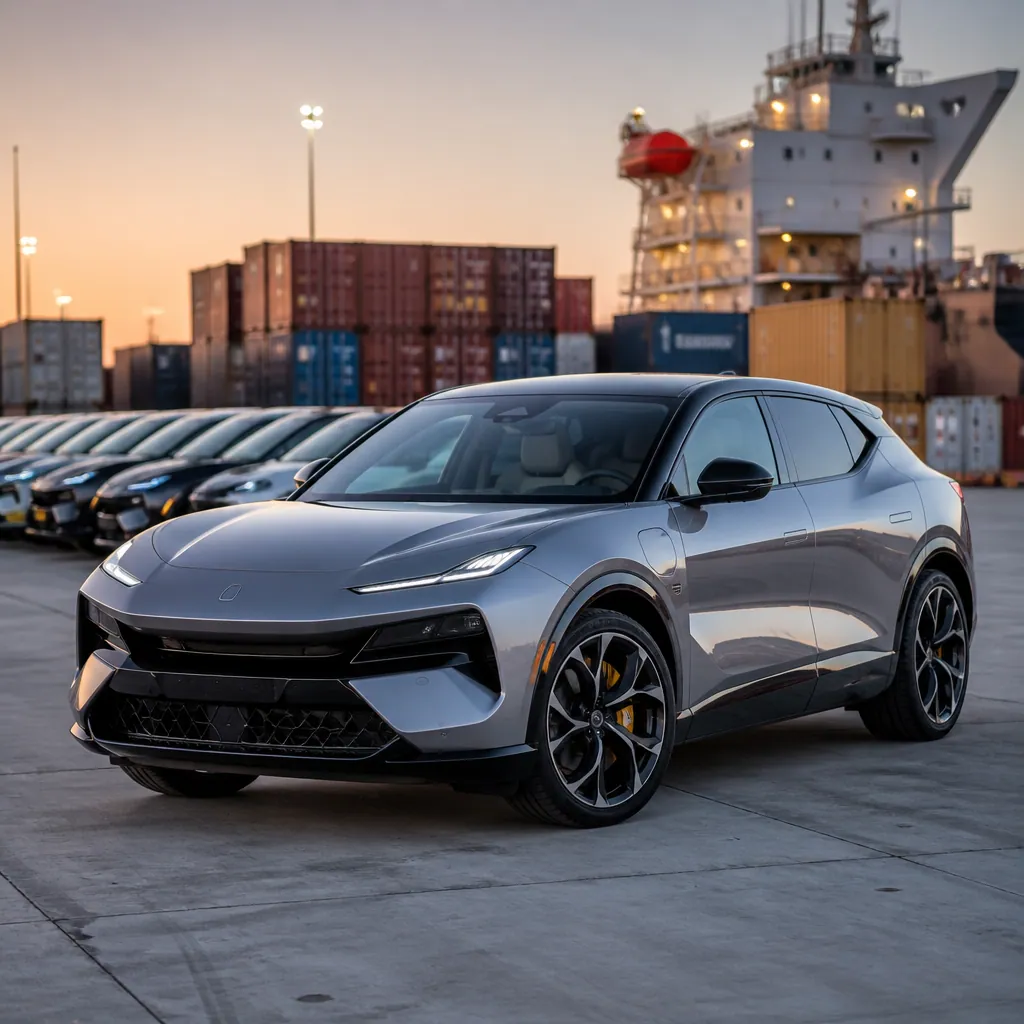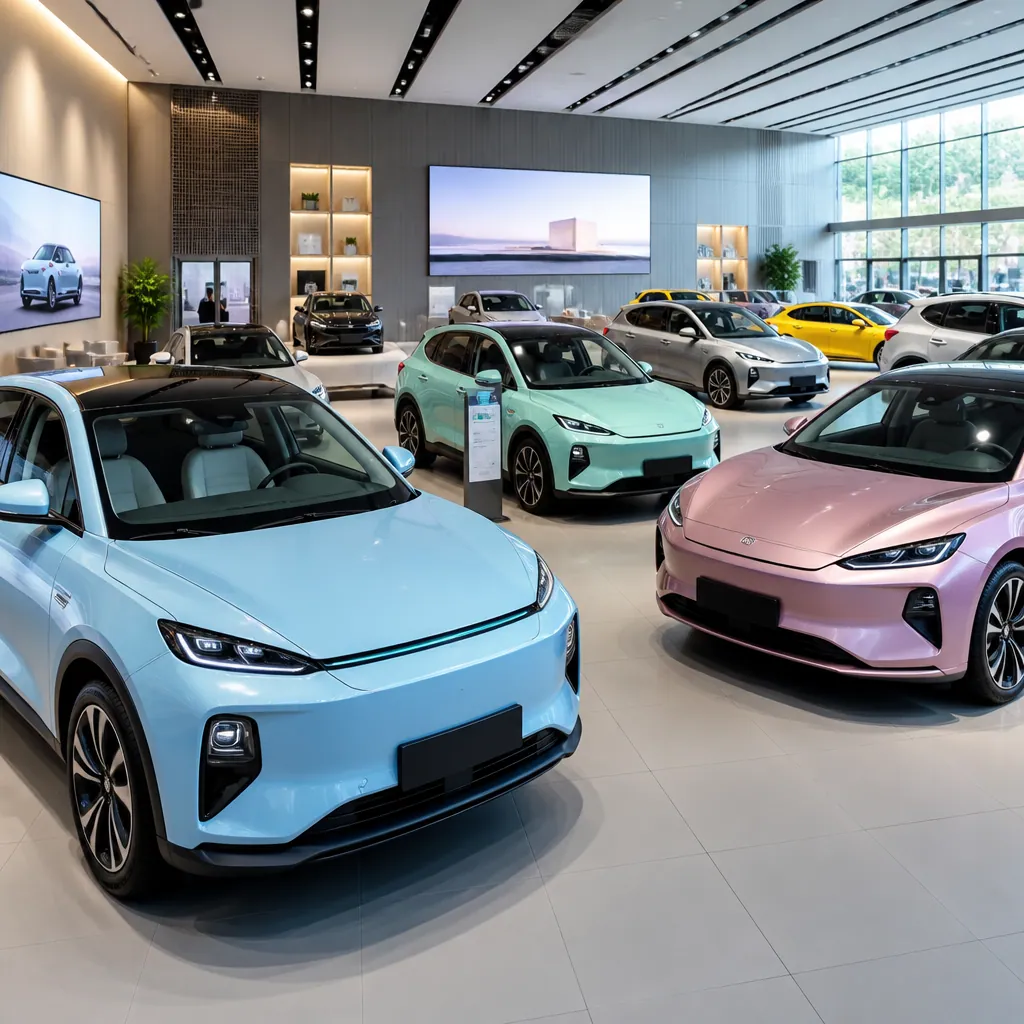

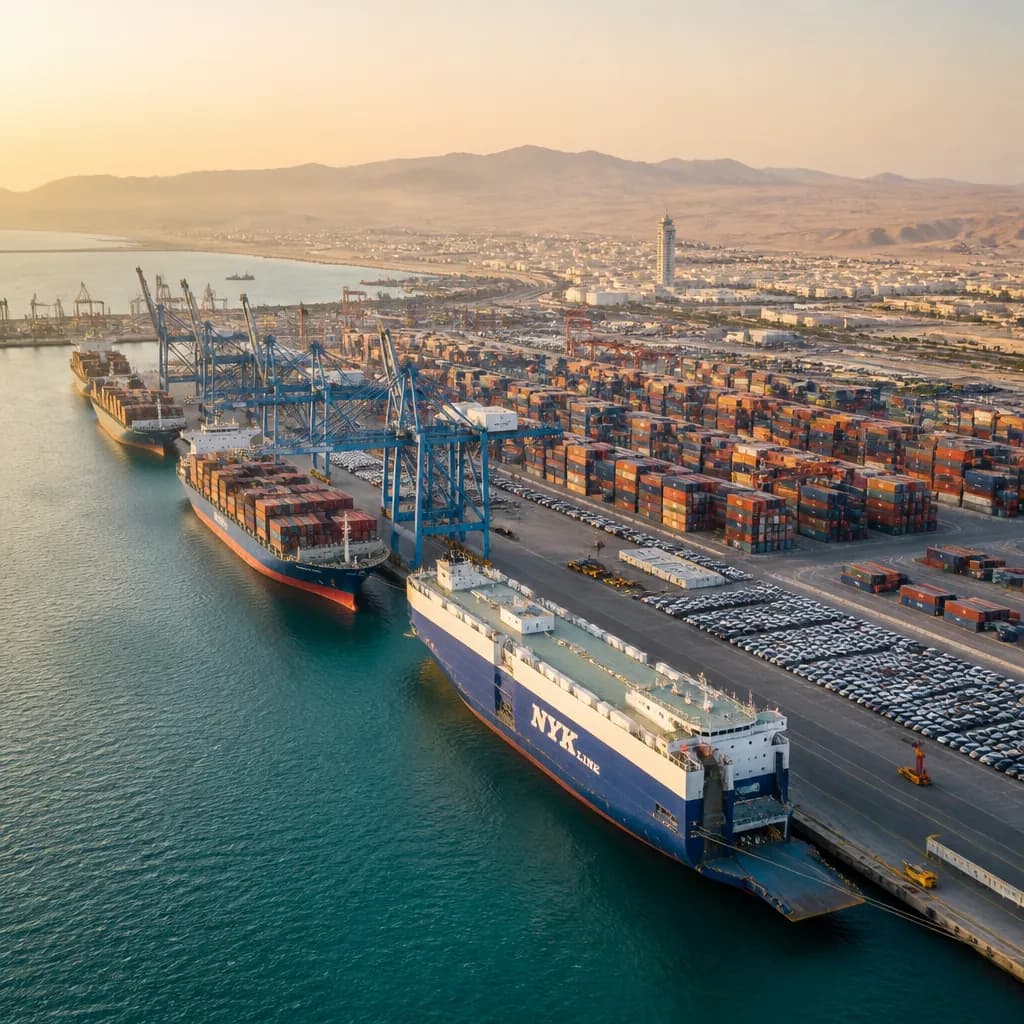
Chinese cars in the Middle East are no longer a niche conversation. Russia and the Middle East together accounted for 35 percent of all China origin vehicle exports in 2024, surpassing the combined shipments to Europe and North America for the first time. That is not a blip. That is a structural realignment of the global automotive trade, and if you are a vehicle dealer, distributor, fleet operator, or importer working in this region, you need to understand exactly why it is happening and what it means for how you source and supply vehicles going forward.
Quick Takeaways
| Key Insight | Explanation |
|---|---|
| Middle East overtook the West as a Chinese export priority | Russia and the Middle East together took 35% of China’s vehicle exports in 2024, more than Europe and North America combined for the first time. |
| MEA market share to hit 34% by 2030 | Chinese automotive brands held just 10% market share in the Middle East and Africa in 2024. AlixPartners projects this to reach 34% by 2030. |
| Consumer trust is exceptionally high | Buyers in Saudi Arabia and the UAE report trust levels above 70% for Chinese automotive brands, more than double the confidence levels seen in the US. |
| EVs are gaining ground despite the heat | Electric vehicles already made up roughly one fifth of Chinese passenger vehicle exports to the Middle East, with Chinese EV brands accelerating investment across the GCC. |
| Chinese brands now hold real market share in the GCC | Chinese brands captured around 16% of Saudi Arabia’s and 15% of the UAE’s new passenger vehicle sales in 2024, with the UAE share climbing to 15 to 20% in the first nine months of 2025. |
| GCC import requirements are relatively accessible | GCC countries generally have more flexible import requirements than the EU or US, with a GCC conformity certificate and emissions compliance being the primary gatekeepers for market entry. |
| Competitive pricing is beating established brands on value | Chinese made vehicles are offering better value than comparable Japanese and Korean models, driving buyers away from legacy brands that dominated the region for decades. |
The Numbers Behind the Shift
China’s passenger vehicle exports grew 23 percent to 6.4 million units in 2024, more than 50 percent above second ranked Japan. That scale matters when you are trying to understand why the Middle East has become so central to the story. Chinese manufacturers facing intensifying domestic price competition need reliable overseas markets with real volume potential. The Middle East delivers exactly that.
Global consulting firm AlixPartners projects that Chinese automotive brands will reach a 34 percent market share in the Middle East and Africa region by 2030up from 10 percent in 2024. That growth trajectory would make MEA the largest market for Chinese vehicles outside of China, Russia, and Belarus. For dealers and importers already operating in this region, that is both an enormous opportunity and a signal that the competitive landscape will look completely different within five years.
Chinese exports of passenger vehicles to the Middle East rose 46 percent year over year in one recent six month period, according to Chinese customs data reported by Yicai Global. Electric vehicles made up roughly one fifth of those exports. The region’s appetite for Chinese vehicles is not flattening. It is accelerating.
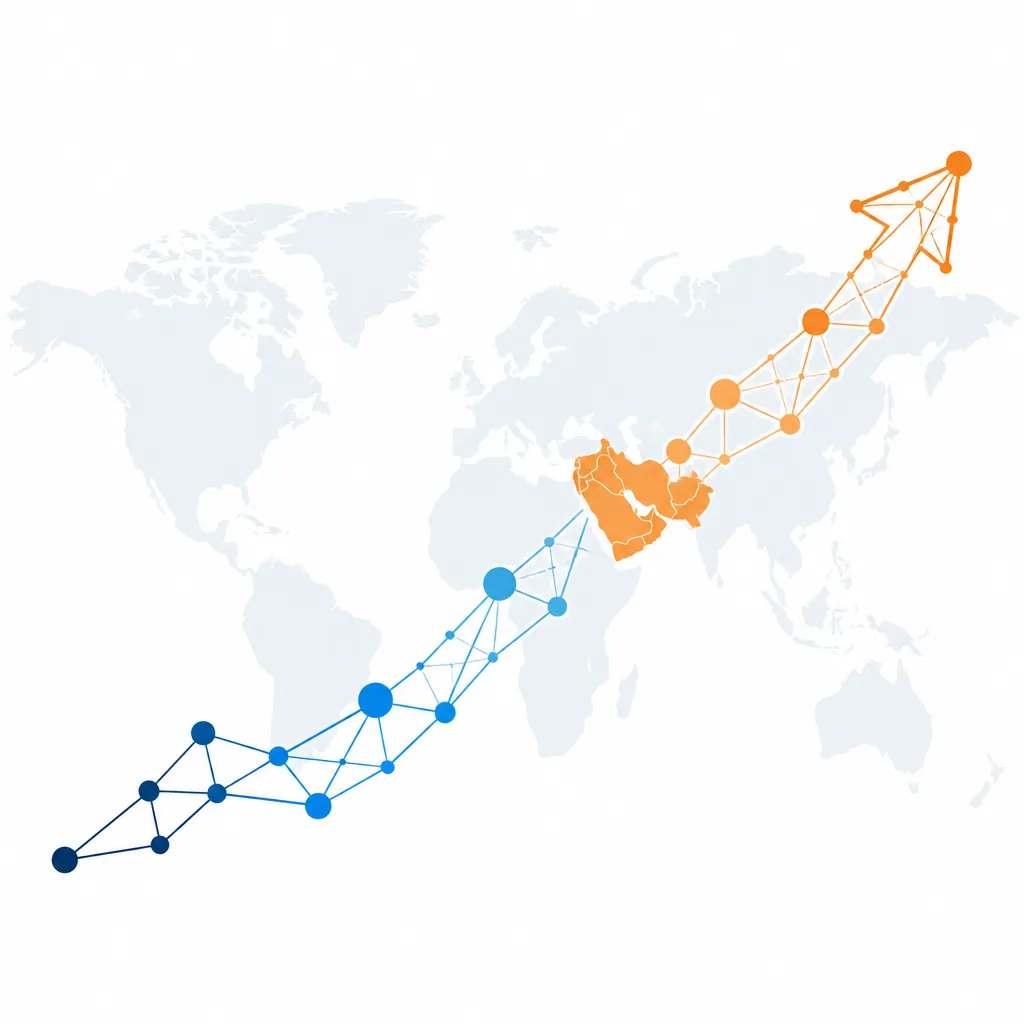
“Customers appreciate the competitive pricing and high technology content of Chinese vehicles. These brands are steadily gaining ground on established players, a trend expected to accelerate.”, Alessandro Massaglia, Partner and Managing Director, AlixPartners
Why the Middle East Is Uniquely Receptive to Chinese Vehicles
Most Western analysts focus on price as the primary driver. That is only part of the story. The Middle East’s receptiveness to Chinese vehicles is built on four distinct structural advantages that reinforce each other.
Consumer Trust Is Already There
Media intelligence firm CARMA found that car buyers in Saudi Arabia and the UAE show trust levels above 70 percent for Chinese automotive brands. That is more than double the confidence levels seen in the United States. This matters enormously for dealers. You are not fighting consumer perception the same way a Chinese brand entering Germany or Australia has to. The market is primed.
Only a few years ago, many buyers viewed Chinese cars as budget options with questionable reliability. That perception has changed rapidly in the GCC. Chinese brands have launched competitive SUVs, sedans, and electric vehicles across the region, and buyers who have driven them are reporting back positively. The word of mouth loop is now running in the right direction.
No Punitive Import Tariffs
While the EU imposed additional tariffs of 17 to 38 percent on Chinese EVs in 2025 depending on the manufacturer, and the United States maintained its own steep tariff barriers, GCC countries have taken a different approach. The primary requirements for bringing a Chinese vehicle into markets like the UAE, Saudi Arabia, or Oman are a GCC conformity certificate and emissions compliance. There is no politically motivated surcharge stacked on top of the base import duty. That means Chinese vehicles arrive in Middle Eastern showrooms at prices that are genuinely competitive, not artificially suppressed.
Pro tip: If you are evaluating whether to source Chinese vehicles for a GCC market or a European market, the tariff math alone will often settle the question. The GCC’s open approach to vehicle imports from China is a structural advantage that is unlikely to reverse any time soon, given the region’s energy and investment ties with Beijing.
Localized Product Development
Chinese manufacturers have invested seriously in understanding what Middle Eastern buyers actually want and what their climate demands from a vehicle. Adaptations for extreme heat, optimized cooling systems, and high clearance SUV formats suited to regional driving conditions are standard considerations for brands targeting the GCC. This is not generic export strategy. It is market specific engineering investment, and buyers notice.
The Chinese EV Middle East Market: A New Frontier
The conventional wisdom held that the Middle East would be one of the last places to embrace electric vehicles. Cheap fuel, intense heat, limited charging infrastructure, and genuine questions about battery performance in extreme temperatures all seemed to work against EV adoption. That conventional wisdom is now being revised in real time.
Chinese brands increased their UAE market share to between 15 and 20 percent in the first nine months of 2025up from 10 to 14 percent in 2024, according to AutoData Middle East. A significant portion of that growth is coming from new energy vehicles, including hybrids and fully electric models. BYD’s Han sedan and Chery’s Jetour T2 SUV are increasingly visible across Dubai and Abu Dhabi.
The investment is flowing in both directions. Abu Dhabi government owned CYVN Holdings made a $3.3 billion investment in NIO in 2024, and NIO MENA was established as a result. That is not a passive financial bet. It signals that Gulf sovereign wealth is actively backing Chinese EV infrastructure in the region. When the money is committed at that scale, the charging network, the service infrastructure, and the consumer confidence follow.
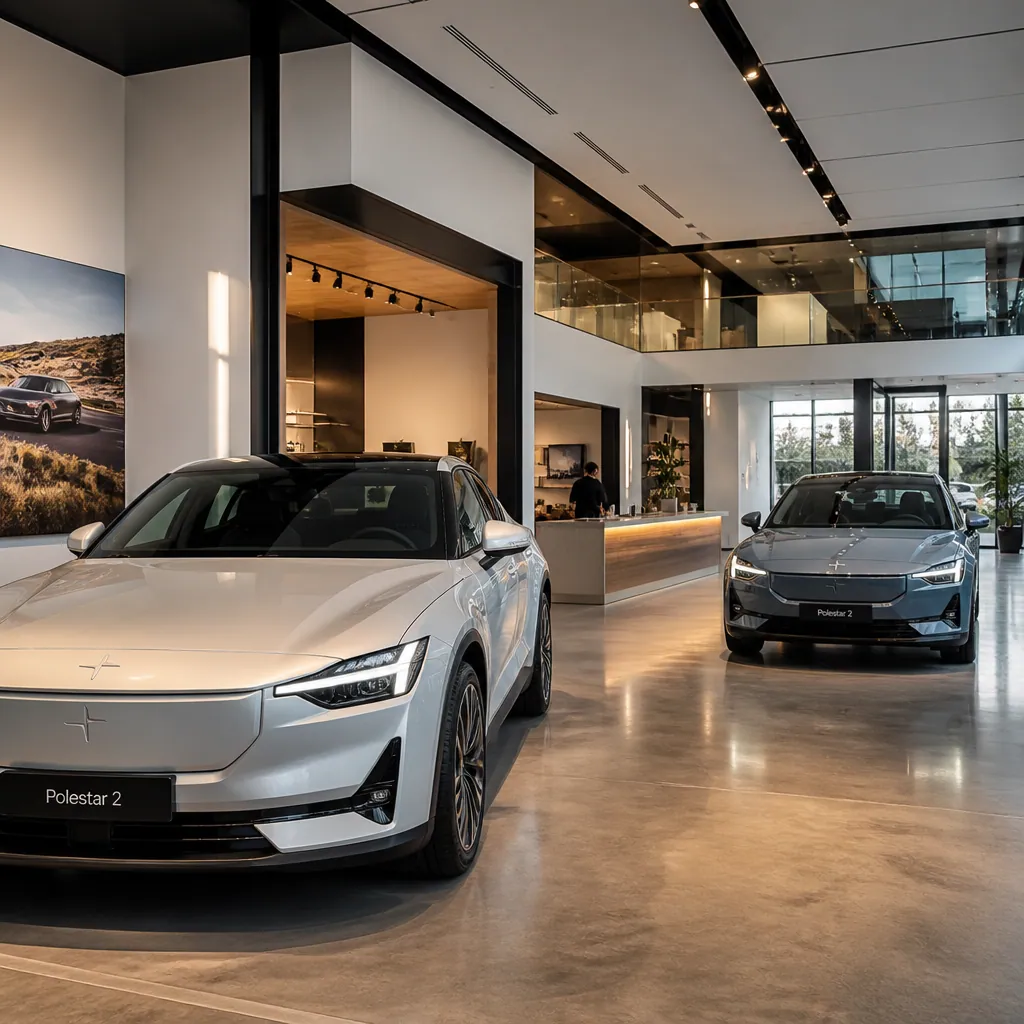
For fleet operators, the Chinese EV Middle East market story is becoming compelling on operational cost grounds. As fuel costs remain a significant line item for large fleets, the running cost advantage of electric drivetrains is attracting serious attention from procurement teams across the GCC. The question for fleet buyers is no longer whether Chinese EVs work in this climate. It is which supplier can deliver the right models, with proper documentation, at the right volume.
Pro tip: Fleet operators evaluating Chinese EVs for GCC deployment should prioritize PHEVs alongside fully electric models. Plug in hybrids remove range anxiety completely while still delivering significant fuel savings. Many Chinese manufacturers offer both, and sourcing both vehicle types through a single export partner reduces logistics complexity significantly.
Which Chinese Brands Are Leading in the Middle East
The Chinese automotive brand landscape in the Middle East is broader than most importers realize when they first enter the market. The main brands available across the region currently include BYD, Geely, Changan, MG, Haval, GAC Motor, Jetour, JAC, and Dongfeng, alongside newer EV-focused entrants such as NIO and XPeng. These are not fringe players. They are backed by major Chinese automotive groups and are competing directly with Japanese, Korean, and European manufacturers on technology, safety, and value.
MG has become one of the top selling brands in markets like the UAE, Saudi Arabia, Qatar, Oman, and Egypt. Geely, Changan, and BYD continue to expand their dealer networks and model ranges across the region. Chery has held a consistent export position and built a strong reputation in GCC markets over many years.
For dealers and distributors deciding where to focus sourcing efforts, the brands with the strongest established GCC presence, the deepest parts availability, and the most developed aftersales infrastructure carry lower commercial risk. MG, BYD, and Chery are the clearest examples of brands that have demonstrated sustained commitment to the region rather than opportunistic volume plays.
Vehicle Import Middle East: What Buyers and Dealers Need to Know
Understanding vehicle import into the Middle East is not a single market problem. Saudi Arabia, the UAE, Oman, Qatar, Kuwait, and Bahrain all operate within the GCC framework but have their own customs authorities, compliance requirements, and preferences. Getting the documentation and compliance pathway right before committing to a shipment is non negotiable.
GCC Conformity and Emissions Requirements
The GCC conformity certificate is the primary technical gateway for vehicles entering most Gulf markets. Emissions compliance requirements apply across the board. For dealers importing directly or through a sourcing agent, confirming that a specific model has the correct certification for its destination market before placing an order saves significant cost and delay. Not every variant sold in China meets GCC standards out of the factory. Working with a supplier who has genuine knowledge of which configurations are export ready for specific markets is not optional. It is the baseline.
New Vehicles vs. Used Vehicle Rules
Saudi Arabia permits the import of light vehicles provided their model does not exceed five years, calculated in descending order. Rules differ across GCC states, and they do change. Any importer or dealer relying on specific regulatory details should verify current requirements with the relevant customs authority rather than acting on information that may be stale. A trusted sourcing partner with current operational experience in these markets provides a practical shortcut to that verification.
The Full Cost of Import
Purchase price is only one component of landed vehicle cost. Dealer and distributor buyers should build a clear model that includes the factory price, any applicable import duty, freight and insurance, inspection costs, local compliance testing if required, and the cost of any post import preparation. Chinese vehicles offer strong price to specification ratios, but the commercial case for a specific model in a specific market has to be built on the real landed cost, not the factory sticker price.
Comparison: Sourcing Approaches for the Middle East Market
| Sourcing Approach | Best Suited For | Key Risks and Trade Offs |
|---|---|---|
| Direct factory purchase (buyer sources directly from a Chinese OEM) | Large volume fleet operators with in house logistics and compliance teams | Requires deep knowledge of Chinese OEM processes, export documentation, GCC compliance, and freight coordination. Mistakes at any stage are costly. Minimum order volumes may be high. |
| Local agent or broker (buyer uses a broker based in the destination country) | Small importers or private buyers making occasional purchases | Agent may have limited visibility into the China supply chain, vehicle inspection quality, or export documentation accuracy. Accountability is often unclear when problems arise. |
| International vehicle export specialist (a dedicated supplier like Automotion Global that manages the full process from China) | Dealers, distributors, fleet operators, and importers who need reliable volume sourcing with full export support | Requires choosing a supplier with genuine operational experience, transparent pricing, and aftersales support. Not all export specialists offer consistent quality across inspection, documentation, and shipping. The right partner eliminates the gaps that the other two approaches leave open. |
In practice, dealers and fleet operators who have tried the direct factory route without internal China expertise typically encounter the same problems: delays on documentation, surprises on compliance, and no clear point of accountability when something goes wrong at the port. A specialist export partner with established supplier relationships, vehicle inspection capability, and full documentation handling is not a premium option. It is the low risk option when you account for total cost and operational reliability.
Automotion Global provides the complete vehicle export solution for buyers sourcing new Chinese passenger cars, EVs, PHEVs, SUVs, commercial vehicles, vans, and fleet vehicles, including supplier coordination, vehicle inspection, export documentation, customs procedures, international shipping, and aftersales support. For dealers and importers across the Middle East, Africa, and Asia, that end to end coverage removes the coordination risk that makes direct sourcing genuinely difficult at scale.
Frequently Asked Questions
Why are Chinese cars gaining market share so rapidly in the Middle East compared to Europe?
The Middle East does not impose the same punitive tariffs on Chinese vehicles that the EU introduced in 2025. GCC countries have more accessible import requirements, and consumer trust in Chinese brands in markets like Saudi Arabia and the UAE is already above 70 percent according to CARMA research. In Europe, Chinese brands are fighting both political resistance and additional financial barriers. In the Middle East, they are competing on product merit alone, and they are winning that competition consistently.
Which Chinese car brands have the strongest presence in the GCC right now?
MG, BYD, Chery, Geely, Changan, and Haval are among the brands with established dealer networks, parts availability, and service infrastructure across the GCC. MG in particular has become one of the top selling brands in markets including the UAE, Saudi Arabia, Qatar, and Oman. Newer EV-focused entrants such as NIO and XPeng are building presence, backed in part by Gulf investment.
Are Chinese electric vehicles actually practical in the Middle Eastern climate?
This was a legitimate concern several years ago. It is becoming less so. Chinese manufacturers have invested in thermal management systems designed for high temperature environments, and real world usage data from the UAE and Saudi Arabia is proving that modern Chinese EVs and PHEVs can operate reliably in the region. PHEVs are particularly practical for fleet operators because they remove range anxiety entirely while still delivering fuel savings on the bulk of daily driving.
What documentation is required to import a Chinese vehicle into the UAE or Saudi Arabia?
The primary technical requirement for GCC markets is a GCC conformity certificate. Emissions compliance and relevant customs documentation are also required. The exact requirements vary between GCC states and are subject to change, so confirming current requirements with the relevant customs authority or working with an experienced export partner is strongly advisable before committing to a shipment. Regulatory details shift, and acting on stale information is a common and expensive mistake.
How should a dealer or fleet operator evaluate a Chinese vehicle export partner?
The key variables are operational depth, not marketing claims. Does the supplier have established relationships with Chinese automotive manufacturers? Do they conduct physical vehicle inspection before shipment? Can they handle export documentation, customs procedures, and international freight coordination in a single workflow? And critically, do they provide genuine aftersales support once the vehicles are in market? Suppliers who only handle the commercial transaction and hand off everything else create the gaps where problems accumulate. Look for end to end accountability.
Is the Middle East market for Chinese vehicles going to keep growing, or is it near its peak?
All current evidence points firmly toward continued growth. AlixPartners projects Chinese brands will hold 34 percent market share across the Middle East and Africa region by 2030, up from 10 percent in 2024. The UAE’s Chinese brand share was already climbing to between 15 and 20 percent in the first nine months of 2025. With Gulf sovereign wealth actively investing in Chinese EV infrastructure, and consumer trust continuing to build, the structural conditions for sustained growth are firmly in place.
What is the advantage of sourcing new vehicles from China rather than buying locally available stock?
Sourcing directly from China gives dealers and fleet operators access to the full model range, including trim levels, specifications, and new energy variants that may not yet have reached local distributor stock. It also allows buyers to plan inventory ahead of market demand rather than competing for whatever happens to be available locally. For fleet operators needing specific configurations at volume, direct sourcing through a specialist export partner is often the only practical route to consistent supply.
Have you imported Chinese vehicles into a Middle Eastern market, or are you currently evaluating sourcing options? Share your experience or questions below. We read every response.
References
- Arabian Business: Middle East emerges as a key growth market for Chinese auto exports, with data on 2024 export volumes and regional share
- AlixPartners official press release on Chinese automotive export shifts and the rise of Middle East and Russia as primary destination markets
- AGBI analysis on Gulf countries turning to Chinese EVs, with market share data for Saudi Arabia and the UAE in 2024
- Yicai Global report on Chinese vehicles displacing Japanese and Korean rivals in the Middle East, including export volume data
- YallaMotor comprehensive guide to Chinese car brands operating across the Middle East, including brand overview and market observations