

Buying a vehicle across borders changes the decision. The best vehicles for overseas buyers are not always the newest, cheapest, or most heavily marketed models. They are the units that match local regulations, parts availability, road conditions, fuel quality, charging access, and shipping realities, while still delivering strong value once they arrive.
For international buyers, that shifts the conversation from preference to fit. A sedan that performs well in one market may be difficult to register in another. A low priced EV may look attractive on paper, but if charging infrastructure is limited or battery support is uncertain, the total ownership picture changes fast. The right export ready vehicle is the one that works in the destination market from day one.
What makes the best vehicles for overseas buyers?
A strong overseas purchase starts with practicality. Buyers need to look at homologation requirements, emissions standards, steering configuration, spare parts support, and serviceability before comparing trim levels or optional features. This matters just as much for private buyers as it does for fleet operators and resellers.
Vehicle category also matters. Some buyers need everyday mobility with low operating cost. Others need cargo capacity, executive transport, site use, or protective specifications. That is why there is no single best answer. There are, however, vehicle types that consistently perform better in export transactions because they travel well, hold value, and meet a wider range of market demands.
10 best vehicles for overseas buyers by use case
1. Compact gasoline sedans
Compact sedans remain one of the safest international buying decisions. They are easy to ship, simple to service, and typically supported by large parts networks in Africa, the Middle East, Latin America, and parts of Asia. For personal buyers and resellers, they offer an efficient balance of price, reliability, and resale appeal.
Their advantage is not excitement. It is predictability. If the destination market values low running costs and straightforward maintenance, a compact sedan often outperforms more specialized options.
2. Hybrid sedans and crossovers
Hybrids are increasingly attractive where fuel prices are high but full EV infrastructure is still developing. They reduce fuel consumption without creating total dependence on public charging. For many overseas buyers, this makes them one of the most practical transition vehicles available.
The trade off is service knowledge. In markets with limited hybrid trained technicians, buyers should confirm support before purchase. When that support exists, hybrids can be a very strong long term value play.
3. Battery electric vehicles for infrastructure ready markets
In the right destination, EVs belong near the top of any list of the best vehicles for overseas buyers. They offer lower operating costs, quieter performance, and growing demand in urban markets focused on modern mobility. They are also increasingly relevant for companies building greener fleets or entering regulatory environments that favor low emission transport.
The key phrase is in the right destination. EVs make sense where charging access, battery support, software compatibility, and import compliance are already in place. Without those, a lower purchase price can turn into a more complicated ownership experience.
4. Plug in hybrids and extended range EVs
For buyers who want electrification with more flexibility, PHEVs and EREVs often make even more sense than full EVs. They suit markets where charging is available but not yet consistent, or where drivers regularly travel beyond urban centers.
This category is especially useful for professionals, executives, and mixed use fleet applications. It gives buyers access to electric driving benefits while preserving range confidence. For cross border procurement, that flexibility can reduce risk.
5. Mid size SUVs
Mid size SUVs are one of the most versatile export categories. They fit family use, executive use, and light commercial use, depending on the market. Their ground clearance and cargo space make them well suited to regions with mixed road conditions, while their popularity supports strong resale value.
Not every SUV is equally practical, though. Buyers should pay close attention to engine complexity, drivetrain requirements, and parts availability. In some regions, a simpler naturally aspirated model is a better buy than a turbocharged premium alternative.
6. Pickup trucks
For buyers working in construction, agriculture, energy, transport, or remote operations, pickups are often the most commercially useful choice. They combine passenger capacity with load flexibility and can handle rougher environments better than many passenger vehicles.
They also perform well in resale markets where durability carries more weight than luxury. Diesel variants can be particularly attractive in certain regions, but fuel quality and emissions rules should always be checked before committing to a specific unit.
7. Light commercial vans
Commercial vans are essential for delivery businesses, service fleets, trade operators, and growing logistics companies. Overseas buyers often prioritize cargo volume, payload, and ease of maintenance over design or cabin technology, and for good reason. Downtime is expensive.
The best export van is usually the one with the clearest service path in the destination country. A slightly less advanced model with proven parts support may deliver better business results than a newer, more feature heavy vehicle.
8. Heavy duty commercial vehicles
For larger transport operations, buses, trucks, and specialized commercial units are strategic purchases rather than simple inventory additions. Buyers in this segment need to evaluate chassis strength, regional compliance, axle configuration, payload suitability, and after sales support very carefully.
These are high value transactions with operational consequences. The right supplier relationship matters as much as the vehicle itself because inspection quality, documentation accuracy, and shipping coordination directly affect time to deployment.
9. Armored vehicles
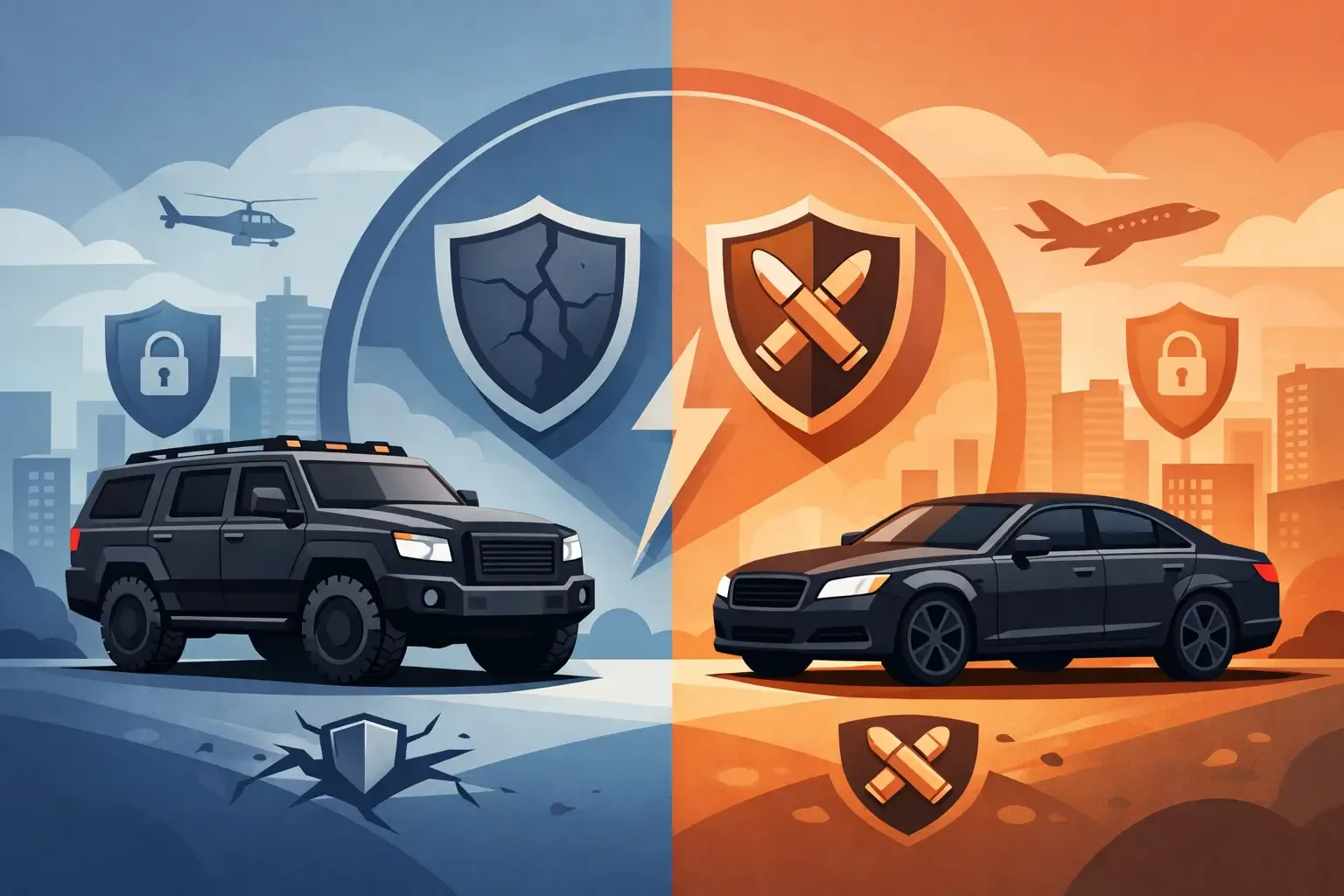
Security focused buyers have a different set of priorities. For government related procurement, executive protection, high risk corporate use, and specialized security operations, armored vehicles are not niche products. They are mission specific tools.
The best option depends on the protection level required, the operating environment, and whether the unit needs to balance discretion with defensive capability. Weight, suspension performance, braking, and certification all need close review. This is not a category where buyers should make decisions based on appearance alone.
10. Authorized and certified late model inventory
Many overseas buyers are not looking for a specific body style first. They are looking for low risk stock that can move quickly through export. Authorized and certified late model inventory is often the most efficient answer because it reduces uncertainty around condition, sourcing, and pre shipment readiness.
For importers, dealers, and repeat buyers, this category can be especially valuable. It supports faster decisions and more predictable landed outcomes, which is critical when inventory timing affects resale or operational deployment.
How to choose the right export ready vehicle
The best buying process starts with the destination, not the catalog. Import rules, registration requirements, local taxes, left hand or right hand drive needs, and emissions compliance should be confirmed before narrowing down models. This avoids costly delays and protects the investment.
After that, buyers should assess use case with discipline. A private commuter vehicle, a resale unit, a fleet addition, and a security vehicle should not be evaluated by the same standards. Total cost of ownership, downtime risk, and local market demand need to guide the choice.
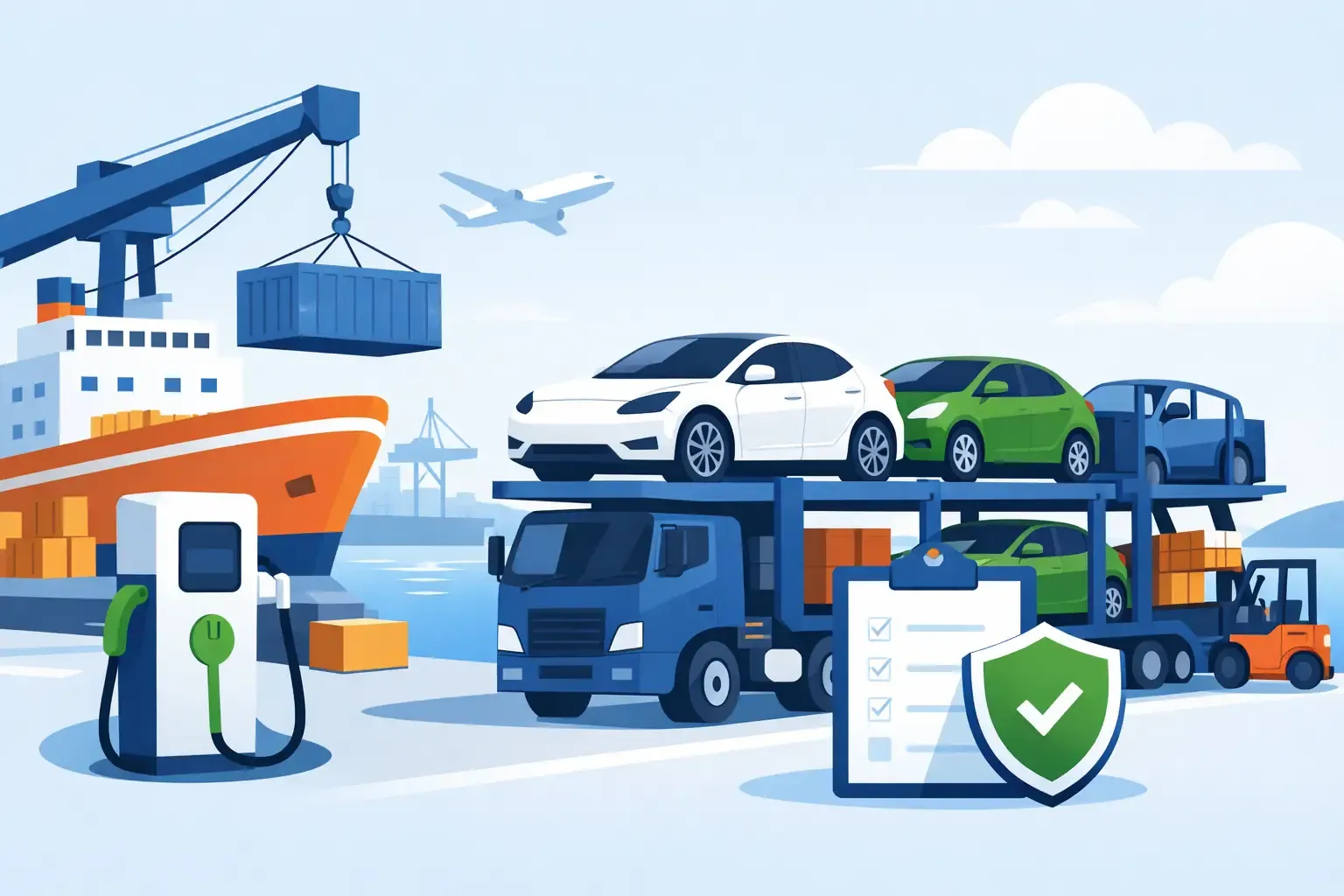
Inspection and logistics are equally important. A vehicle may look ideal on paper but still create problems if documentation is incomplete, shipping lead times are unclear, or condition verification is weak. That is why experienced overseas buyers prioritize export readiness, not just pricing.
Common mistakes overseas buyers should avoid
The most common mistake is buying for headline price instead of market fit. A cheap vehicle with poor local support can become expensive very quickly. Another frequent issue is overlooking destination country requirements until after the deal is done.
Buyers also sometimes overestimate how universal new technology is. EVs, PHEVsand digitally connected vehicles can be excellent choices, but only when the local ecosystem supports them. Smart international procurement means balancing innovation with operating reality.
For many clients, this is where a specialized export partner adds real value. Companies such as Automotion Global help bridge the gap between inventory selection and delivered results by aligning sourcing, inspection, and shipping around the destination market rather than the point of origin alone.
The real benchmark for the best vehicles for overseas buyers
The best international vehicle purchase is rarely the one with the biggest feature list. It is the one that clears export smoothly, lands in the right condition, fits the local market, and starts delivering value immediately. That could be an EV for a modern urban fleet, a pickup for field operations, a commercial van for last mile delivery, or an armored SUV for security work.
A good overseas buying decision should still look good six months after delivery, when the vehicle is registered, operating, serviceable, and earning its place. That is the standard worth buying against.