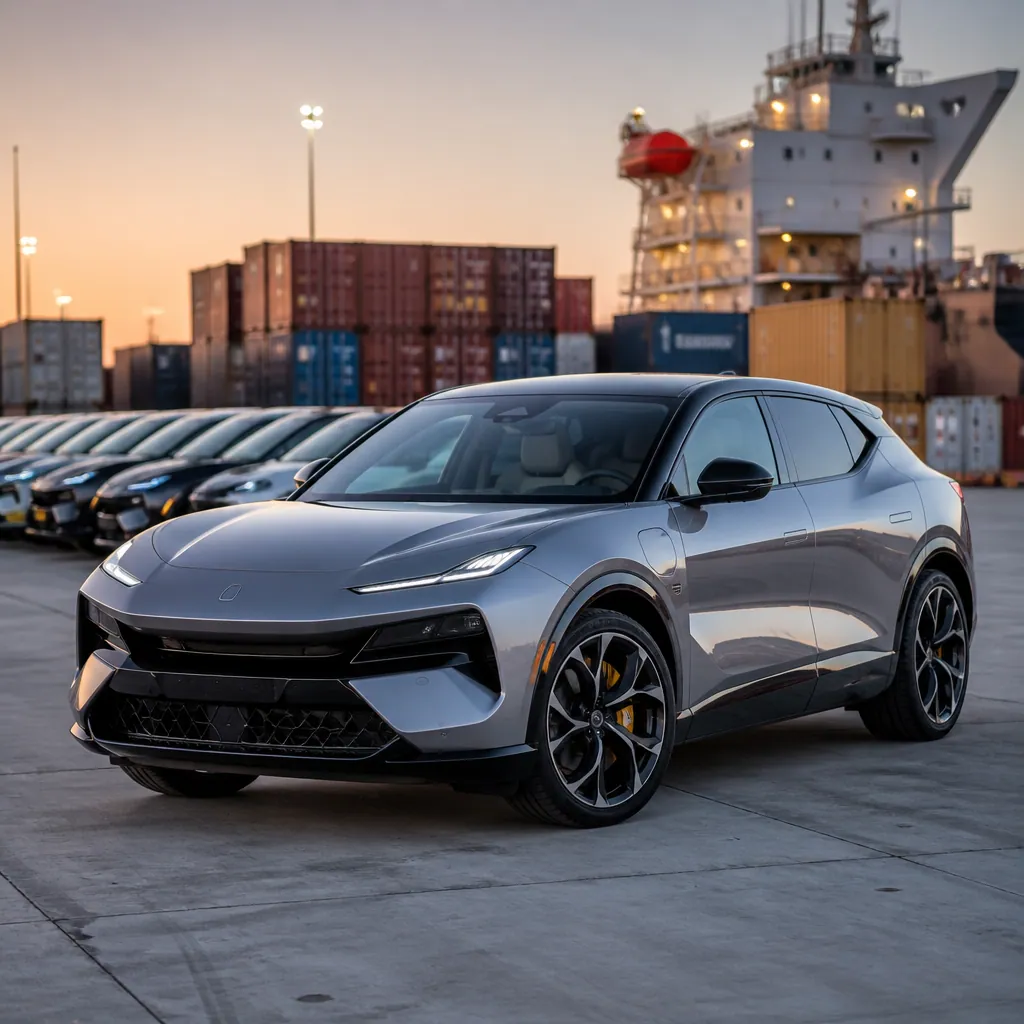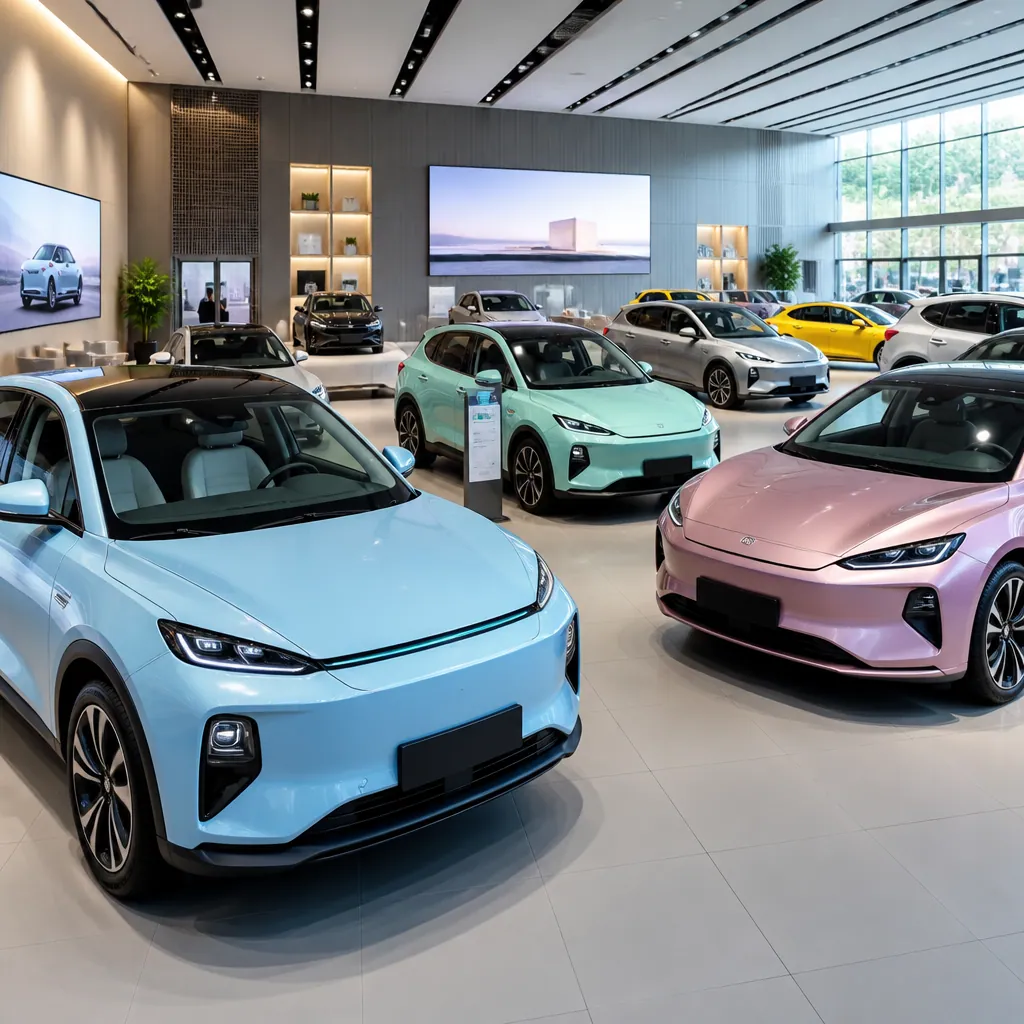


A plug in hybrid SUV review matters most when the vehicle will do more than school runs and weekend errands. For international buyers, fleet managers, and resellers, the real question is not whether a PHEV sounds advanced. It is whether the model fits local fuel prices, charging access, road conditions, import regulations, and long term resale demand.
That is where many reviews fall short. They focus on brochure numbers and short test drives. A better assessment looks at how a plug in hybrid SUV performs as a purchase decision across borders, especially when buyers need export ready inventoryverified condition, and predictable operating costs.
Plug in hybrid SUV review, what actually matters
A plug in hybrid SUV combines an internal combustion engine with a larger battery than a standard hybrid, allowing a useful amount of pure electric driving before the gasoline engine takes over. On paper, this gives buyers the best of both systems. In practice, the value depends heavily on how the vehicle will be used.
If daily routes are short and charging is available at home, office, depot, or staff housing, a PHEV SUV can reduce fuel costs significantly. If charging is unreliable and the vehicle will spend most of its life carrying heavy loads over long distances, the efficiency advantage can shrink fast. In that case, the extra weight and mechanical complexity may not justify the premium.
For overseas buyers, this category is attractive because it sits between full EV adoption and traditional gasoline dependence. It offers a practical entry point for markets where charging infrastructure is growing but not yet consistent enough for an all electric fleet.
The strongest case for a plug in hybrid SUV
The strongest PHEV SUVs are not just efficient. They are operationally flexible. They can run quietly and cheaply in urban zones, then switch to gasoline power for highway driving or routes where charging is not guaranteed. That flexibility is useful for executives, private buyers, urban shuttle operators, and businesses with mixed use driving patterns.
Another advantage is marketability. In many regions, buyers want electrified vehicles but are still cautious about full EV range, battery only downtime, and charging limitations. A plug in hybrid SUV often feels like a lower risk purchase, which can support resale demand.
From a sourcing perspective, the segment also includes a wide spread of products. Some models prioritize premium cabin quality and tech, while others focus on range, cargo space, off road capability, or value pricing. That gives international buyers room to match product specification to end market demand rather than forcing a one size fits all decision.
Where plug in hybrid SUVs can disappoint
The category is not automatically efficient. A plug in hybrid SUV delivers its best results only when it is charged regularly. If the battery is rarely charged, the vehicle can end up operating like a heavier conventional SUV, often with worse fuel economy than expected.
There is also the issue of packaging. Some PHEV SUVs lose cargo space because of battery placement. Others have reduced towing capacity compared with their gasoline equivalent. For family buyers this may be manageable. For commercial users or buyers in rural areas, it can be a real limitation.
Service planning matters too. A PHEV combines two propulsion systems, which means more components to evaluate during procurement. Battery condition, onboard charger function, engine health, hybrid software, and charging cable compatibility all deserve attention. Buyers sourcing across borders should treat inspection quality as part of the vehicle itself, not an afterthought.
How to judge a PHEV SUV beyond the spec sheet
A proper plug in hybrid SUV review should start with electric only range, but it should not end there. Range figures look good in marketing material, yet real world outcomes vary with weather, speed, terrain, passenger load, and use of climate control. Buyers in hot climates or mountainous regions should assume lower electric range than the headline number.
Charging speed is the next filter. Many PHEV SUVs use AC charging only, which is usually enough for overnight replenishment but may be limiting for high rotation commercial use. If the vehicle will be turned around quickly between shifts, charging duration matters almost as much as rated range.
Then comes drivetrain behavior. Some PHEV SUVs transition smoothly between electric and gasoline power. Others feel inconsistent under acceleration or when the battery charge drops. For executive transport or premium resale channels, refinement counts. For fleet work, predictable performance and easy service access may matter more than cabin polish.
Battery warranty and parts availability should also be checked against the destination market. A vehicle can be attractively priced at purchase and still become difficult to support if software tools, trained technicians, or replacement components are limited locally. Buyers who import regularly already understand this point. Newer international buyers sometimes underestimate it.
Best fit by buyer type
For private buyers, a plug in hybrid SUV is usually strongest when daily travel stays within electric range and occasional long trips are common. It gives lower fuel use without the commitment of a full EV.
For resellers, the sweet spot is usually mainstream or premium models with strong recognition, practical range, and broad service familiarity. Niche models may offer impressive technology, but resale strength often follows brand confidence and parts accessibility.
For fleet operators, the answer depends on route discipline. If drivers return to a base with charging every day, the economics can work well. If vehicles are dispersed, charging compliance can become inconsistent, and savings may not materialize as planned.
For buyers in markets with fuel volatility, emissions policy changes, or import incentives for electrified vehicles, the segment becomes even more compelling. In those cases, a PHEV SUV can make sense not only as transport but as a hedge against regulatory and operating cost shifts.
Plug in hybrid SUV review, export and sourcing considerations
Cross border buyers need to evaluate more than vehicle quality. Specification alignment is critical. Charging port type, language settings, infotainment region locks, emissions standards, and local registration rules can all affect usability after arrival.
Model origin also matters. A PHEV SUV sourced from one market may differ in safety equipment, battery capacity, trim naming, or software functions compared with the same badge sold elsewhere. That is why verified stock details are essential. A buyer should know exactly what is being shipped, not just the model name.
Pre shipment inspection is especially important for electrified inventory. It should confirm charging operation, battery warning status, hybrid system behavior, engine performance, and condition items that influence customer acceptance at delivery. For commercial buyers and resellers, this reduces disputes and protects margin.
This is also where an export focused supplier adds value. A company such as Automotion Global can support the buying decision not just by presenting stock, but by helping align specification, inspection, and shipping readiness with the destination market.
Is a plug in hybrid SUV the right buy right now?
For many buyers, yes, but not automatically.
If your market has rising interest in electrified vehicles, moderate charging access, and customers who still want gasoline backup, a PHEV SUV is one of the most commercially balanced options available. It can appeal to private users, premium customers, and mixed duty business operators without forcing a full EV transition.
If your use case involves long distance driving with limited charging, heavy payloads, rough operating conditions, or a service network that is not yet comfortable with hybrid systems, the category deserves closer scrutiny. A conventional SUV or a full hybrid may be the better operational fit.
The strongest purchase decisions in this segment come from matching the vehicle to the route, the market, and the support structure. A plug in hybrid SUV is not just an efficiency play. It is a product choice with implications for resale, maintenance, customer satisfaction, and total ownership cost.
The smart move is to buy with the destination in mind. When the vehicle specification, charging reality, and export process are aligned from the start, a PHEV SUV can be one of the most practical and commercially resilient options in the current market.