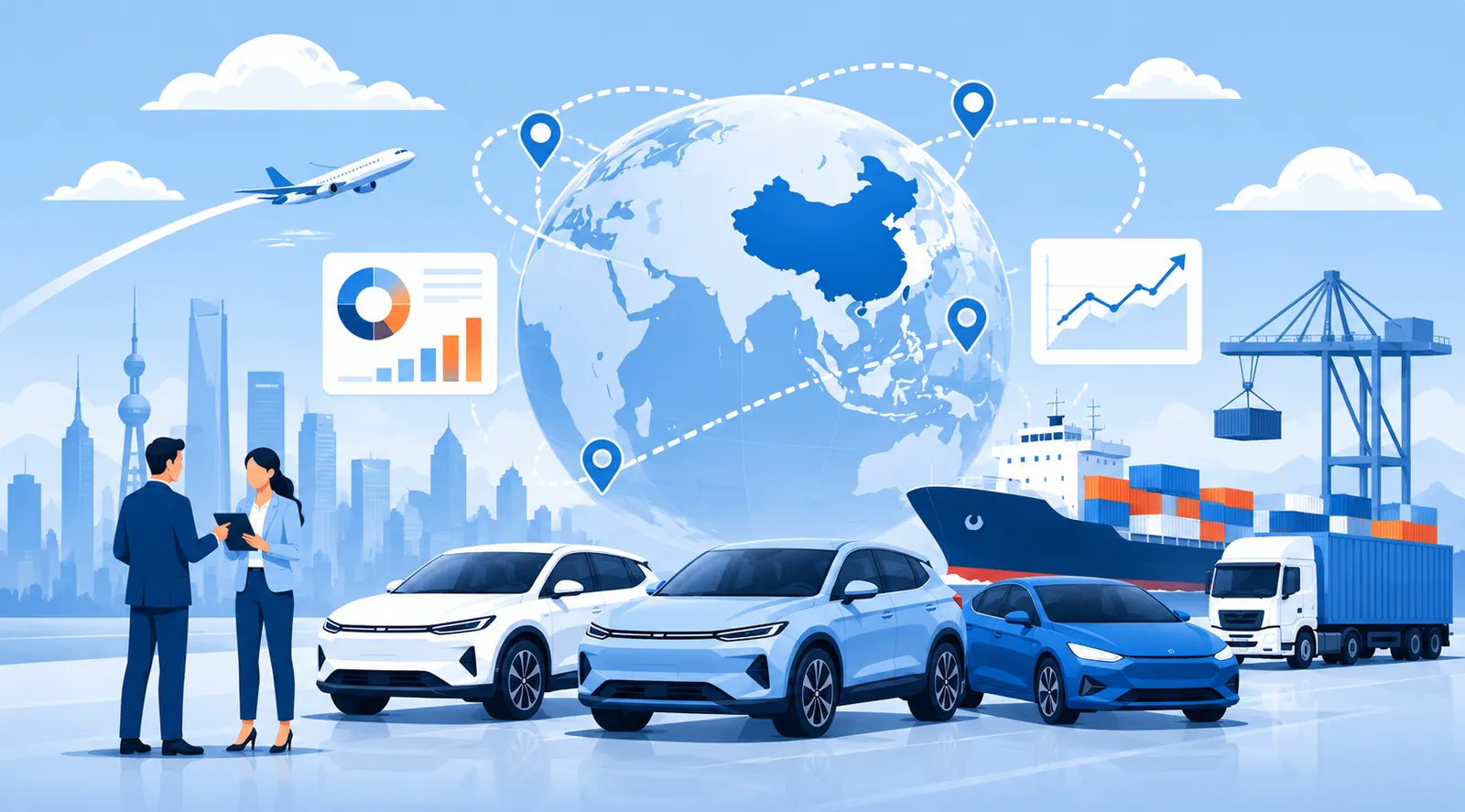
China’s automotive industry reached another major milestone in April 2026 as New Energy Vehicle (NEV) penetration climbed to 61%, confirming the market’s accelerating shift toward electrification. The latest data shows that electric vehicles, plug in hybrids, and extended range electric vehicles are no longer niche segments inside China, they are becoming the dominant force shaping global automotive supply, exports, and future demand.
For international buyers, distributors, and automotive exporters, this transition is creating significant opportunities across GCC markets, Africa, Lebanon, and other emerging regions increasingly open to Chinese EV brands and technology driven vehicles.
China’s NEV Market Reaches a Structural Turning Point
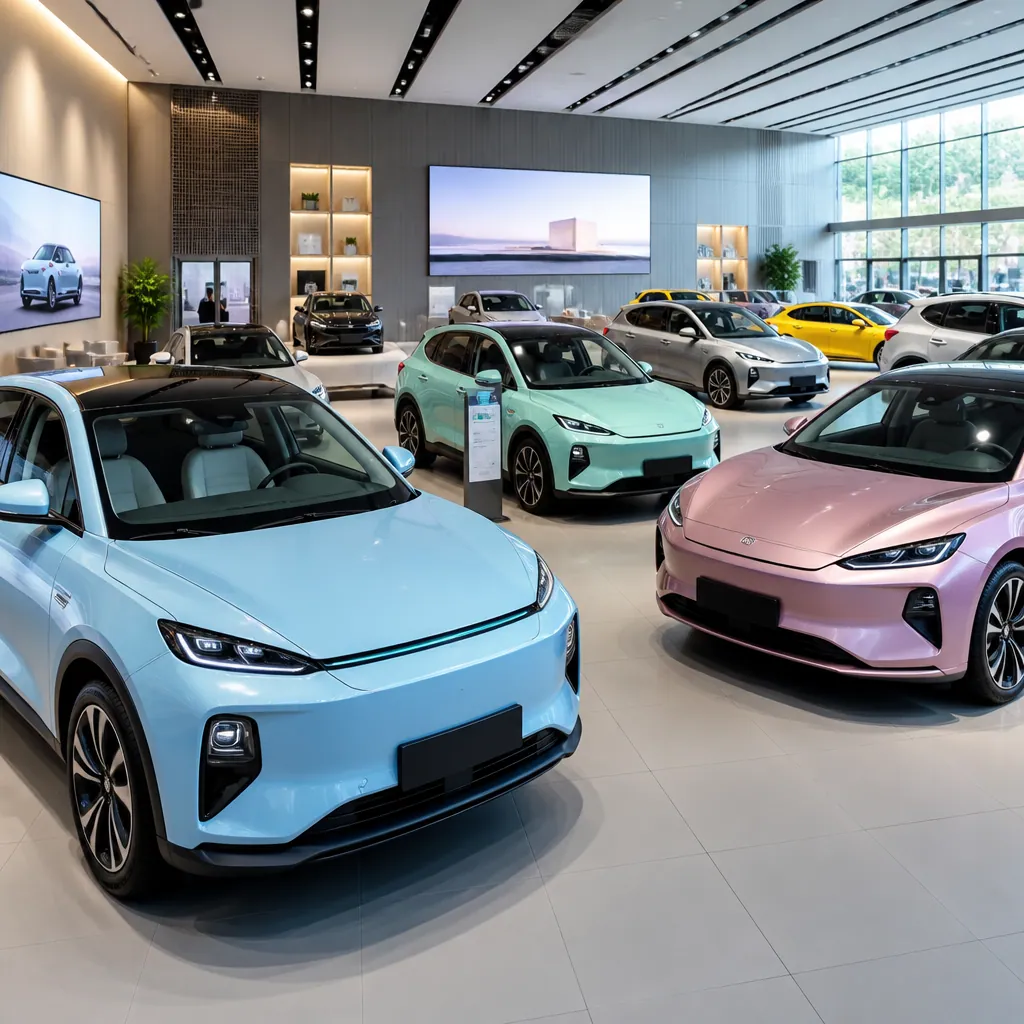
April 2026 delivered one of the strongest signals yet that China’s EV transition is becoming irreversible.
NEV wholesale volume reached 1.344 million units during the month, while internal combustion engine (ICE) wholesale volume declined to 1.182 million units. This marked one of the clearest examples of EV dominance within the Chinese domestic market.
The market breakdown included:
- 905,000 battery electric vehicles (BEVs)
- 439,000 plug in hybrid vehicles (PHEVs)
- 61% overall NEV penetration
- 62.4 GWh battery installation capacity
Battery demand growth and rising production capacity indicate that Chinese OEMs continue scaling aggressively ahead of anticipated export demand.
This transition is no longer driven only by subsidies or government policy. Chinese consumers are increasingly prioritizing:
- software driven vehicle ecosystems
- advanced infotainment systems
- competitive pricing
- high range electrified platforms
- premium technology features
As a result, global automotive competition is changing rapidly.
Chinese EV Brands Continue Expanding Aggressively
April 2026 also highlighted the continued rise of Chinese automotive challengers.
While BYD remains the dominant player with more than 149,000 domestic retail units, several rapidly growing brands are reshaping the competitive landscape.
Among the strongest performers:
- Leapmotor recorded over 101% YoY growth
- Xiaomi Auto surged more than 71% MoM
- Changan Nevo expanded over 170% YoY
- HIMA continued gaining premium market traction
Meanwhile, several legacy global manufacturers experienced significant declines inside China, including Volkswagen, Toyota, Nissan, and Tesla China.
This shift suggests that Chinese manufacturers are no longer competing primarily on price alone. Increasingly, they are competing through:
- integrated software ecosystems
- advanced battery technology
- aggressive product refresh cycles
- feature rich premium interiors
- strong value per feature positioning
Xiaomi Auto Emerges as a Major Export Opportunity
One of the most important developments in April 2026 was the continued rise of Xiaomi Auto.
The Xiaomi SU7 became one of China’s top performing premium EVs, reinforcing Xiaomi’s position as a serious automotive competitor in less than two years of production.
The rapid growth of Xiaomi Auto reflects changing consumer behavior, particularly among younger buyers seeking:
- connected vehicle ecosystems
- smartphone integration
- OTA software updates
- premium technology experiences
- modern digital interfaces
In the case of export focused markets such as GCC countries, Xiaomi’s positioning creates strong potential within the premium EV segment.
The upcoming Xiaomi YU7 SUV is also expected to strengthen the brand’s competitiveness further in export markets where SUVs dominate consumer demand.
EREV and PHEV Vehicles Continue Expanding
Extended range electric vehicles (EREVs) and plug in hybrid vehicles (PHEVs) continue gaining momentum across China.
This category is especially important for GCC and Middle East markets where charging infrastructure is still developing and long distance driving remains common.
EREVs combine:
- electric daily driving capability
- combustion engine range extension
- reduced charging dependency
- lower fuel consumption
- greater operational flexibility
Several models showed particularly strong momentum in April 2026, including:
- Deepal S05 EREV
- Leapmotor C10 EREV
- Changan Nevo Q05 PHEV
- Fang Cheng Bao Tai7 PHEV
For many international buyers, EREV architecture may represent the most practical transition pathway toward electrification over the next several years.
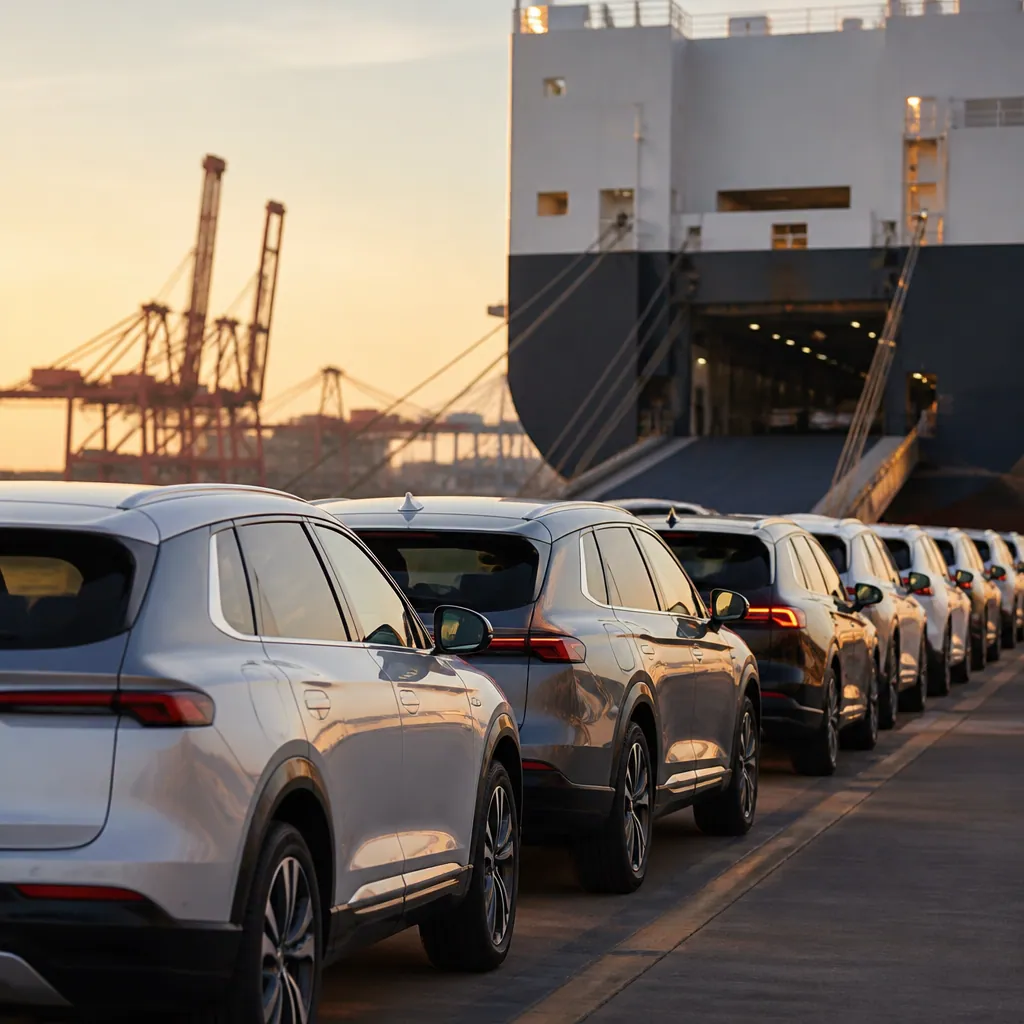
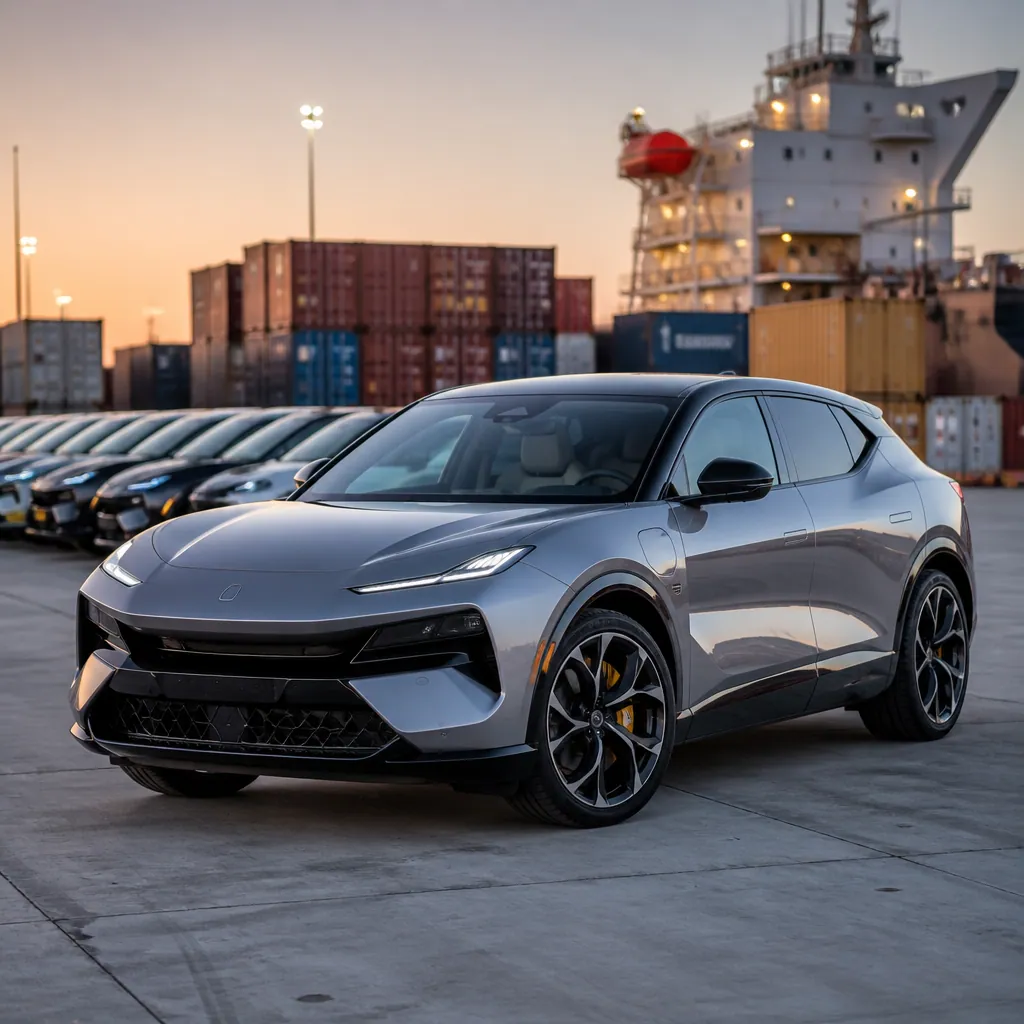
Chinese EV Exports Continue Accelerating
China’s export momentum remains one of the most important trends shaping the global automotive industry.
According to the latest available CAAM data, NEV exports reached 371,000 units in March 2026, representing more than 134% YoY growth. Export share approached nearly 30% of total NEV production.
Several factors are driving this rapid expansion:
- excess production capacity
- highly competitive pricing
- strong battery supply chains
- growing global EV demand
- expansion into emerging markets
In the case of GCC countries, Africa, and the Middle East, Chinese EV exports are becoming increasingly attractive because they offer:
- premium specifications at competitive pricing
- large SUV availability
- electrified commercial vehicles
- advanced technology packages
- multiple drivetrain configurations
Markets such as Saudi Arabia and the UAE are also introducing stronger electrification initiatives that may accelerate institutional and fleet demand.
Strategic Opportunities for GCC and Middle East Buyers
Several Chinese brands appear particularly well positioned for export growth across GCC and Middle East markets.
Key opportunities include:
- Leapmotor EREV platforms for value focused buyers
- Xiaomi Auto for premium technology oriented consumers
- Li Auto SUVs for premium family segments
- Changan Nevo PHEV models for mainstream SUV buyers
- BYD commercial EVs for fleet electrification projects
SUV body styles remain dominant across GCC demand patterns, making Chinese premium SUVs increasingly relevant for the region.
At the same time, several challenges remain important:
- limited aftersales infrastructure
- low brand familiarity for newer Chinese brands
- export regulation complexity
- shipping and logistics coordination
- currency and tariff volatility
In the case of importers and distributors, strong sourcing and export coordination remain essential.
Automotion Global Strategic Perspective
The Chinese automotive industry is no longer catching up to global standards, it is increasingly defining them.
The combination of:
- 61% NEV penetration
- rapid export growth
- battery scaling
- software defined vehicle ecosystems
- premium EV expansion
confirms that China is entering a high velocity export phase likely to reshape automotive markets globally over the next several years.
For export focused operators such as Automotion Global, this creates strategic opportunities across:
- premium EV distribution
- EREV and PHEV platforms
- fleet electrification
- commercial EV sourcing
- GCC and Africa export operations
The next 12 to 24 months may represent one of the most important positioning windows for companies building automotive export networks centered around Chinese electrified vehicles.
Conclusion
April 2026 confirmed that China’s automotive market is evolving faster than many global analysts expected.
With NEV penetration reaching 61%, exports more than doubling year on year, and Chinese OEMs accelerating product innovation, the industry is entering a new competitive phase driven by electrification, software integration, and export expansion.
For international buyers, distributors, and automotive businesses operating across GCC, Lebanon, Africa, and emerging markets, understanding these trends is becoming increasingly important for future sourcing, inventory planning, and long term competitiveness.