

Price alone does not make a wholesale export deal work. If you want to buy cars wholesale for export, the real advantage comes from sourcing vehicles that are export ready, correctly documented, and aligned with the rules and buyer demand in your destination market. A low FOB number can disappear quickly once compliance issues, shipping delays, or poor vehicle condition enter the equation.
For international buyers, resellers, fleet operators, and procurement teams, wholesale purchasing is less about finding any cheap unit and more about building a reliable supply line. The right approach reduces landed cost surprises, protects resale value, and shortens the time from purchase to delivery. That matters whether you are buying one electric SUV for a private client, a batch of commercial vans for business use, or armored vehicles for a security focused operation.
What it really means to buy cars wholesale for export
Wholesale vehicle buying for export is not the same as buying from a local dealership. In export trade, the vehicle has to move through a chain of operational checkpoints, supplier verification, specification confirmation, inspection, export documentation, shipping coordination, and destination market suitability. If one part of that chain fails, the transaction becomes expensive very quickly.
That is why experienced buyers focus on source quality and fulfillment capability before they focus on headline pricing. A supplier that can show ready inventory, clear vehicle specs, pre shipment inspection procedures, and actual export handling capacity is usually more valuable than a seller offering a lower unit cost with limited support.
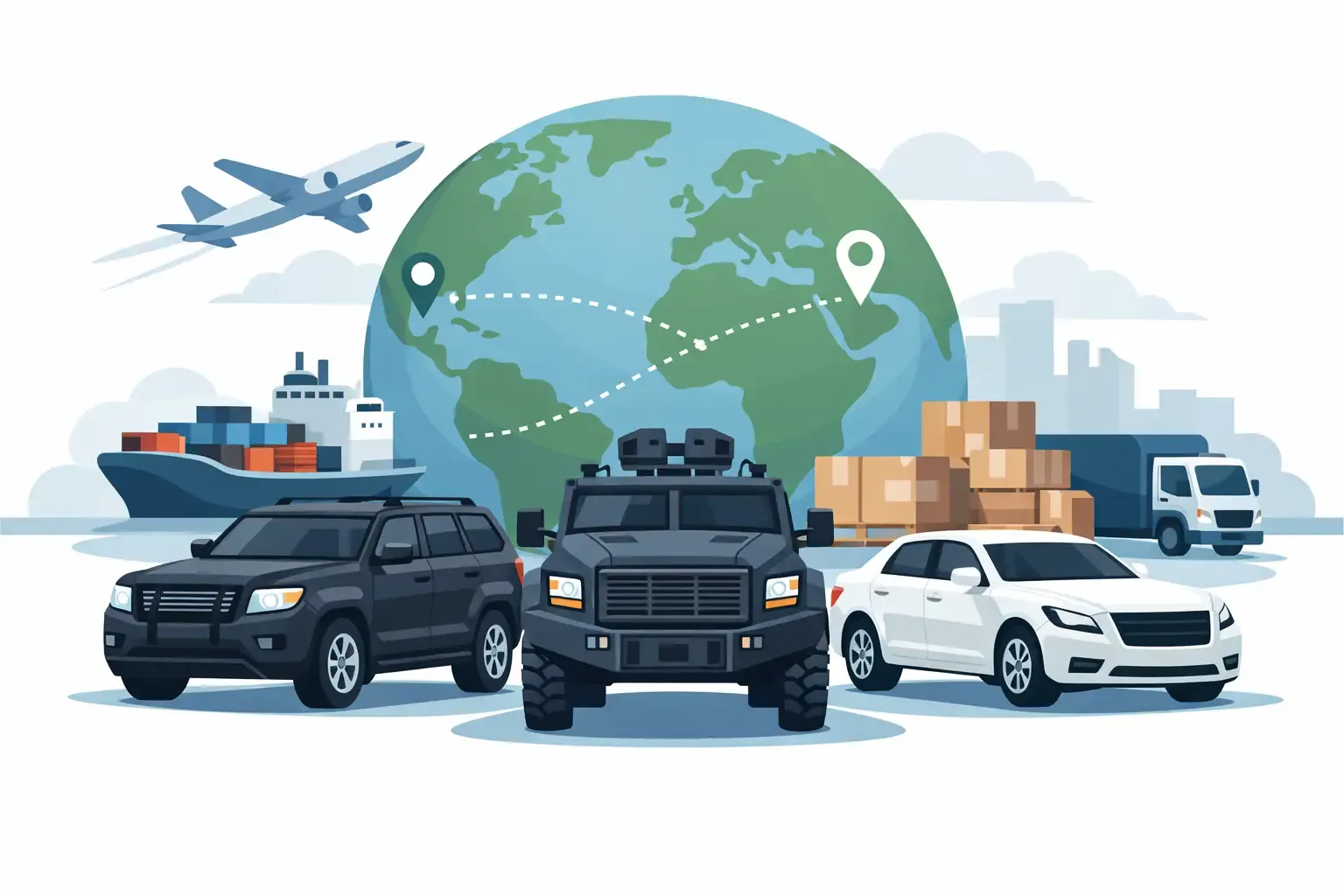
The strongest wholesale opportunities are often found in categories with stable demand or limited local availability. EVs, PHEVs EREVscommercial vehicles, and armored units fit this pattern in many global markets. Buyers are not just looking for stock. They are looking for access to vehicles they cannot source easily at home, with confidence that the units can be exported efficiently.
How to evaluate wholesale inventory before you commit
The first question is not whether the vehicle is available. It is whether the vehicle is available in export ready condition, with the right trim, model year, battery or powertrain specification, and supporting paperwork. Many wholesale misunderstandings start with assumptions about specs.
That issue is especially relevant for modern mobility inventory. With EVs and plug in hybrids, small specification differences can have major implications for charging compatibility, resale value, spare parts support, and customer acceptance in the destination market. A buyer may see two similar units on paper, but differences in range, charging standards, software region settings, or battery origin can change the commercial value of the vehicle.
For commercial and security focused units, the review process becomes even more specific. Payload, wheelbase, drivetrain, seating layout, protection level, and intended operating environment all matter. Wholesale buying works best when the procurement criteria are set before sourcing starts, not after a unit is offered.
A serious exporter should be able to confirm the basics quickly: VIN-level identification where appropriate, condition reports, visible stock status, model specifications, FOB terms, and the expected lead time to port. If those details are vague, the transaction is not truly ready.
Why inspection matters more than the purchase price
In export transactions, condition risk travels with the buyer. Once the vehicle ships, correcting undisclosed issues becomes harder, slower, and more expensive. That is why pre shipment inspection is not an extra step. It is a control point.
An effective inspection should confirm mechanical condition, body and interior status, odometer accuracy where applicable, battery condition for electrified vehicles, tire and brake wear, and the presence of accessories or equipment described at the time of sale. It should also verify that the vehicle matches the invoice and export documents.
This is where many wholesale buyers either protect margin or lose it. A vehicle purchased at a slightly higher price but inspected properly is often the better deal than a cheaper unit that arrives with cosmetic damage, warning lights, missing equipment, or spec discrepancies. For resellers, those issues can slow inventory turnover. For fleet buyers, they can disrupt operations from day one.
Compliance is where many export deals break down
The vehicle itself is only part of the transaction. Export success depends on whether the unit can be legally shipped, cleared, registered, and operated in the destination country. Requirements vary widely, and a model that moves easily into one market may face restrictions in another.
This is why buyers should check destination country rules before locking in stock. The key considerations usually include vehicle age limits, emissions requirements, left hand drive or right hand drive eligibility, homologation standards, title and ownership documentation, and taxes or duties due on arrival. EV and hybrid imports can also involve separate treatment depending on battery classifications and local incentives or restrictions.
A supplier with cross border experience should be able to identify obvious fit issues early. That does not replace the buyer’s responsibility to verify local import rules, but it does reduce preventable mistakes. When a seller understands export compliance, the conversation becomes more practical. You spend less time asking whether the vehicle can ship and more time planning how fast it can move.
Logistics should be part of the buying decision
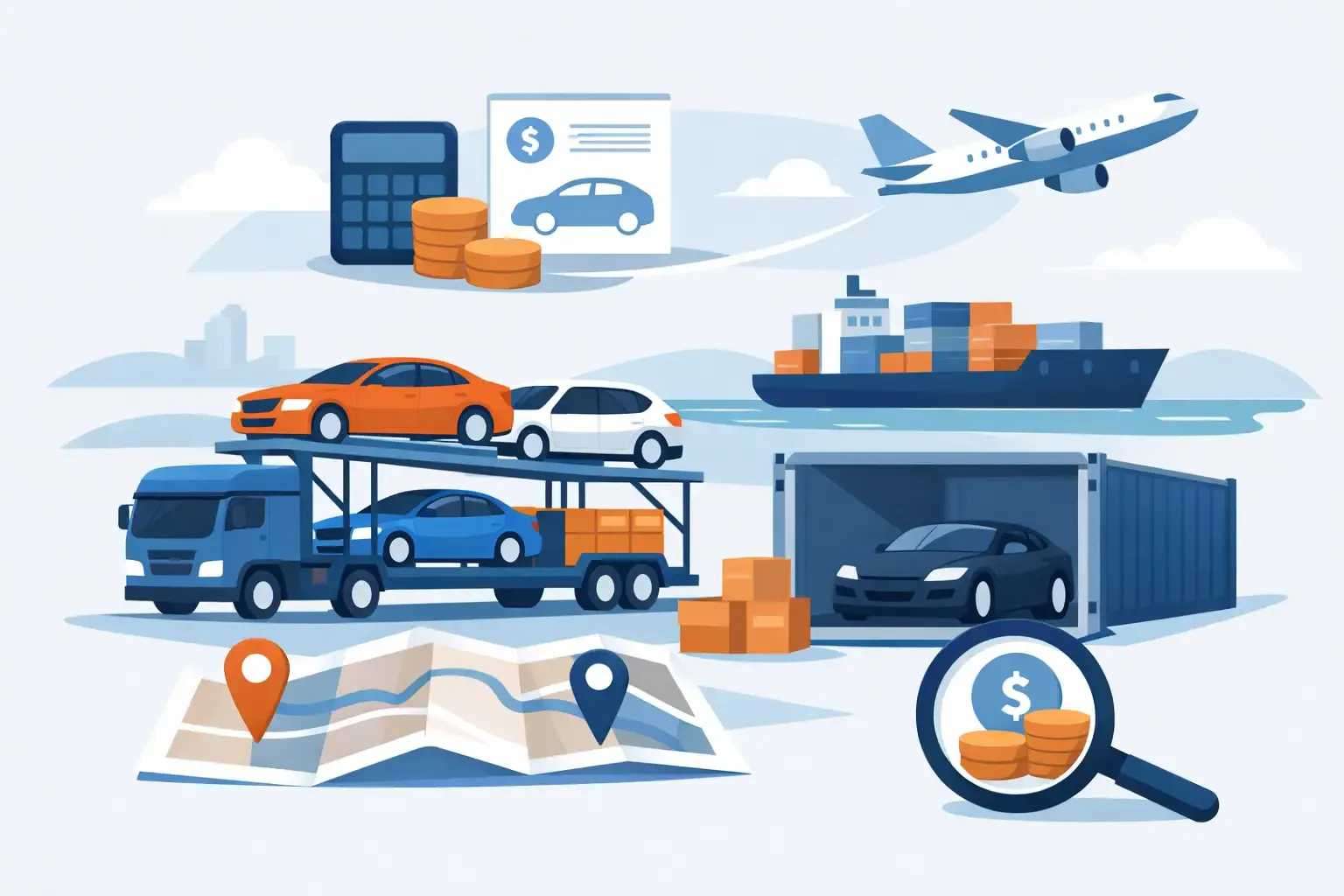
If you are trying to buy cars wholesale for export at scale, logistics is not a back end function. It directly affects cash flow, delivery timing, and final profitability. The mode of shipment, port congestion, inland transport, loading schedules, and document timing all shape the actual landed result.
Some buyers focus heavily on unit price and treat shipping as a later detail. That can be costly. A vehicle with a better purchase price may become less attractive if it sits waiting for documentation, misses a vessel window, or requires extra inland movement before export. On the other hand, ready to deliver stock near a shipping route can shorten lead time and improve turnover, even if the initial quote is slightly higher.
For many businesses, speed matters as much as price. A reseller wants inventory available for sale before market demand shifts. A commercial operator wants vehicles in service quickly. A procurement team wants certainty for planning and reporting. Reliable export logistics support turns wholesale buying from a one time transaction into a repeatable supply model.
Which vehicle categories make the most sense for wholesale export
Demand changes by region, but a few categories consistently attract export buyers. EVs and PHEVs remain strong where buyers want newer technology, lower running costs, or access to models not widely distributed in their local market. The trade off is that buyers must pay closer attention to charging standards, battery support, and local service capability.
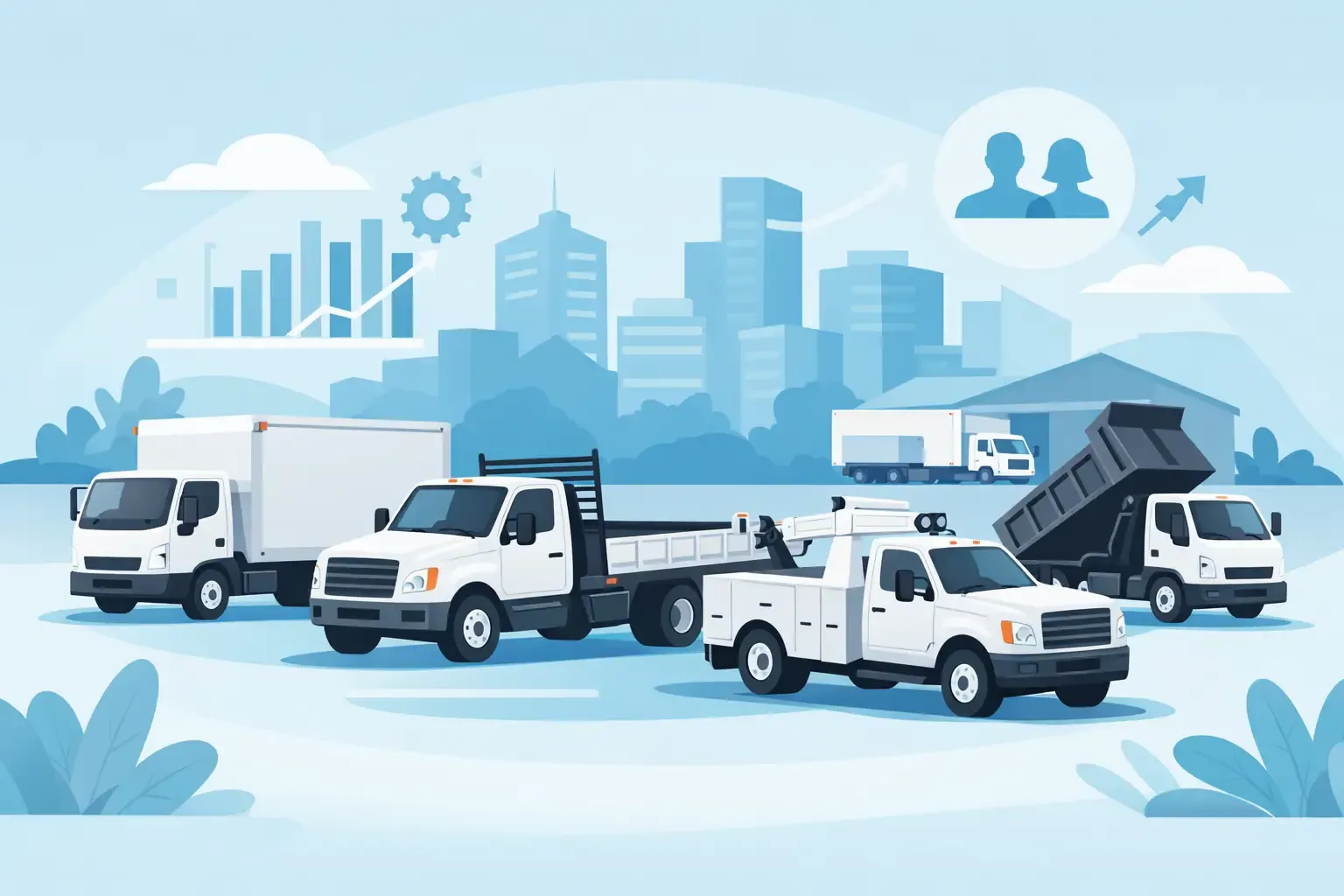
Commercial vehicles perform well when businesses need predictable utility and replacement stock. Vans, pickups, and light duty work vehicles often move on straightforward commercial logic: availability, durability, and fit for use. These units can be easier to evaluate operationally than passenger models, but the buyer still needs to confirm spec details such as roof height, cargo configuration, and drivetrain.
Armored vehicles are a more specialized segment. Here, wholesale buying depends less on simple price comparison and more on exact configuration, protection standard, and supplier credibility. The margin for error is smaller, and documentation matters more.
In many cases, the best category is not the one with the lowest acquisition cost. It is the one with the clearest demand and the least friction between source market and destination market.
What experienced buyers look for in an export partner
The strongest export suppliers do more than list inventory. They manage risk. That means they can source from verified channels, confirm vehicle details quickly, perform inspections, prepare export paperwork, and coordinate shipping without unnecessary delays.
Buyers should also look for responsiveness. In international trade, delayed answers often become delayed shipments. Clear communication on stock status, payment terms, inspection results, and vessel timing is part of the service, not a bonus feature.
This is where a specialized company such as Automotion Global fits the needs of cross border buyers. The value is not only access to stock. It is the ability to align sourcing, inspection, export handling, and delivery support into one operational process.
A practical way to reduce risk on your next order
If you are entering a new market or testing a new vehicle category, it often makes sense to start with a smaller order and a tighter vehicle profile. Standardize what you can, model year range, powertrain, trim level, acceptable mileage, and document requirements. The more precise the buying brief, the better the sourcing outcome.
That approach also makes it easier to compare offers fairly. Instead of reviewing random units that happen to be available, you can assess suppliers on meaningful criteria: source quality, inspection discipline, documentation accuracy, and actual export readiness. Over time, that creates a more stable procurement process and better margin control.
Wholesale export buying works best when it is treated as an operational system, not a bargain hunt. The buyers who win in this market are usually the ones who move quickly on verified stock, ask the right technical questions early, and choose partners who can deliver more than a pro forma invoice.
The smartest next move is simple: buy for the destination market, not just the source market price.