


Search

Electric Commercial Vehicles for Global Fleets

Electric commercial vehicles are reshaping global fleet buying with lower operating costs, export-ready options, and route-specific performance.

Published : July 1, 2026
6 mins read
Electric Commercial Vehicles for Global Fleets

A delivery van that sits idle at customs, fails local charging compatibility, or arrives without the right compliance paperwork is not a smart fleet purchase – no matter how attractive the sticker price looks. That is why buying electric commercial vehicles requires more than comparing range figures and battery sizes. For importers, fleet managers, and commercial buyers, the real decision is operational: which units can be sourced reliably, exported correctly, and put to work quickly.

Electric commercial vehicles are moving from niche adoption to practical fleet deployment across urban delivery, municipal services, warehouse logistics, and last-mile transport. The shift is not driven by marketing. It is driven by cost pressure, emissions policy, route efficiency, and the need for newer inventory that fits modern commercial use. Buyers who understand the commercial side of EV adoption are in a better position to secure the right vehicles and avoid expensive mistakes.

Why electric commercial vehicles are gaining ground

The strongest case for electric commercial vehicles is not theoretical. It comes down to operating economics and use-case fit. Many commercial vehicles run predictable daily routes, return to base regularly, and spend long hours in stop-and-go traffic. That profile suits electric powertrains well.

Fuel savings are usually the first advantage buyers calculate, but maintenance is often just as significant. Electric drivetrains generally have fewer moving parts than internal combustion vehicles, which can reduce routine service needs over time. For fleet operators managing multiple units, the impact adds up quickly.

There is also a regulatory factor. In many cities and trade regions, emissions rules are tightening, especially for urban commercial traffic. Buyers planning cross-border operations or fleet renewal programs are increasingly looking at EVs not just as an alternative, but as a way to stay ahead of restrictions and procurement changes.

That said, adoption is not universal for every commercial application. Long-haul operations, remote route work, and heavy-duty use cases still require careful evaluation. Range, payload, charging access, and downtime tolerance all matter. In commercial procurement, the right answer is rarely all-electric across the board. It depends on route design, duty cycle, and local infrastructure.

What buyers should check before sourcing electric commercial vehicles

Commercial EV buying works best when the vehicle is matched to the job first, then to the market. Too many buyers start with brand or model preference and only later discover charging limitations, homologation issues, or spec mismatches.

The first priority is route reality. A van used for short urban drops with overnight depot charging has very different requirements from a refrigerated vehicle making regional runs. Claimed range should always be compared against real operating conditions, including cargo weight, weather, idle time, auxiliary systems, and driving patterns. A vehicle with acceptable brochure numbers can still underperform if the route profile is demanding.

The second priority is payload and body configuration. Battery weight can affect carrying capacity, and not every electric platform supports the same upfit options. Buyers sourcing for logistics, service fleets, utility work, or cargo conversion need to confirm that the chassis, dimensions, and electrical architecture align with the intended use.

Third is charging compatibility. This becomes especially important in international transactions. The correct plug standard, charging speed, power supply, and local service support must all be checked before shipment. A strong vehicle specification on paper is not enough if charging access in the destination market is limited or inconsistent.

Finally, there is export readiness. Commercial buyers should verify vehicle condition, inspection status, documentation, and shipping requirements early in the process. For cross-border procurement, speed matters, but so does accuracy. Delays often come from incomplete paperwork or market-specific compliance issues rather than transport alone.

The cost question is more nuanced than it looks

One reason electric commercial vehicles continue to gain attention is total operating cost. In the right fleet environment, they can reduce fuel expense, service intervals, and downtime related to engine maintenance. But cost planning should go beyond headline savings.

Upfront pricing may still be higher for some electric models, especially newer units or hard-to-source configurations. Imported inventory can also vary based on stock location, production origin, battery specification, and shipping route. Buyers focused only on acquisition price may miss the larger commercial picture.

A better approach is to assess total cost over the intended holding period. That includes energy use, maintenance patterns, expected mileage, charging setup, parts support, and residual value. For urban fleets with consistent routes, the numbers often make sense faster than expected. For low-utilization fleets or operations in areas with weak charging networks, the return may take longer.

Battery longevity is another area where buyers should stay practical. Modern battery systems have improved significantly, but condition, warranty terms, and usage history still matter, especially in pre-owned or internationally sourced stock. Commercial procurement teams should ask direct questions and evaluate battery-related information with the same attention they would give engine hours or service history on a conventional vehicle.

Sourcing electric commercial vehicles for export markets

For international buyers, the sourcing process can be as important as the vehicle itself. The global market for commercial EVs is expanding, but availability remains uneven. Some models are easy to find in one region and difficult to secure in another. Others may exist in stock, but not in export-ready condition.

That is where supplier access matters. Buyers need visibility into actual inventory, not just catalog listings. They also need confidence that the unit can be inspected, documented, and shipped without avoidable complications. In practical terms, that means working with a sourcing partner that understands vehicle procurement and international logistics at the same time.

This is particularly relevant for fleet buyers and resellers who need consistency across multiple units. Variations in trim, charging standards, software, battery capacity, or compliance equipment can create costly problems after arrival. A disciplined sourcing and inspection process helps reduce that risk.

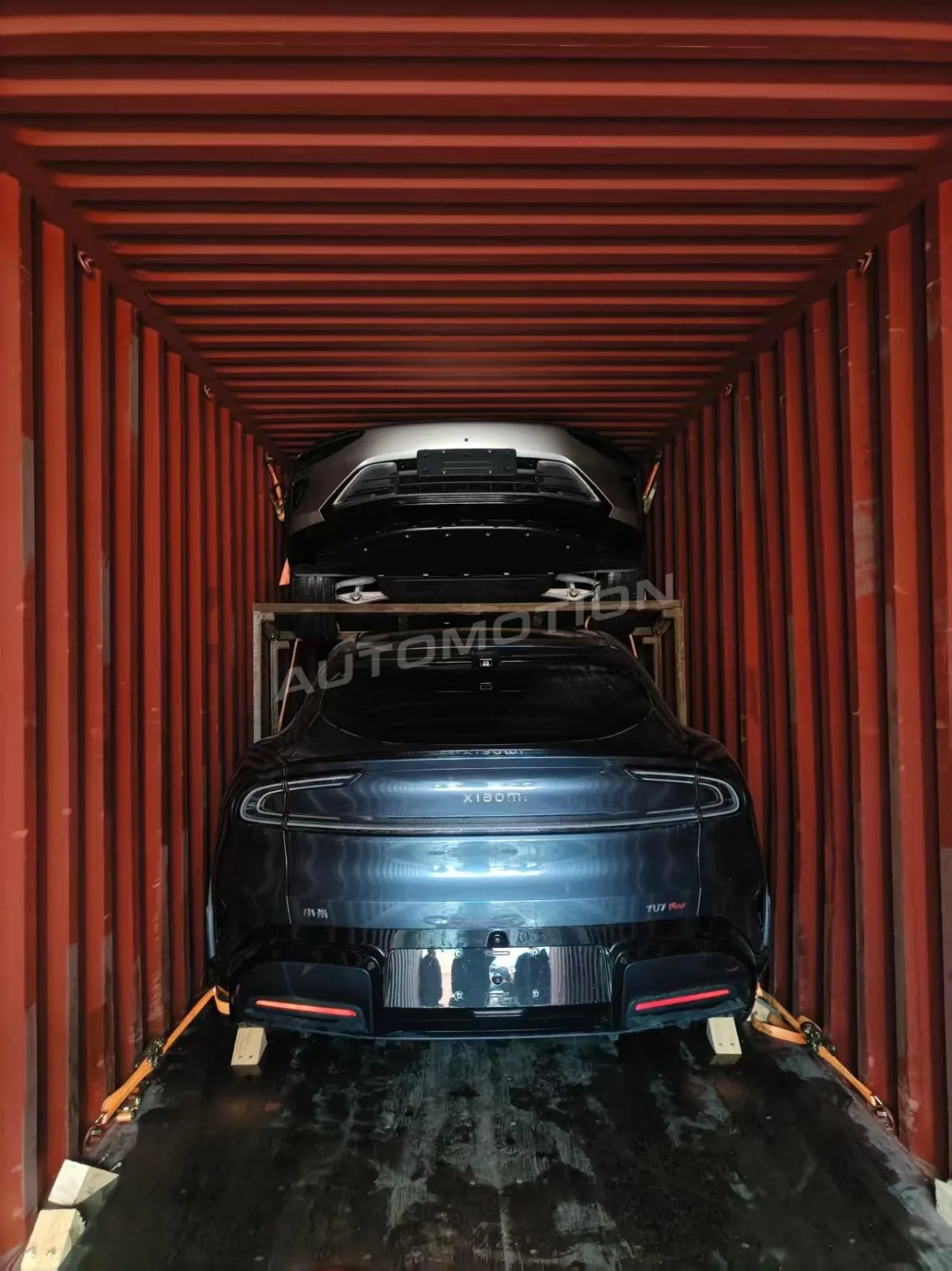
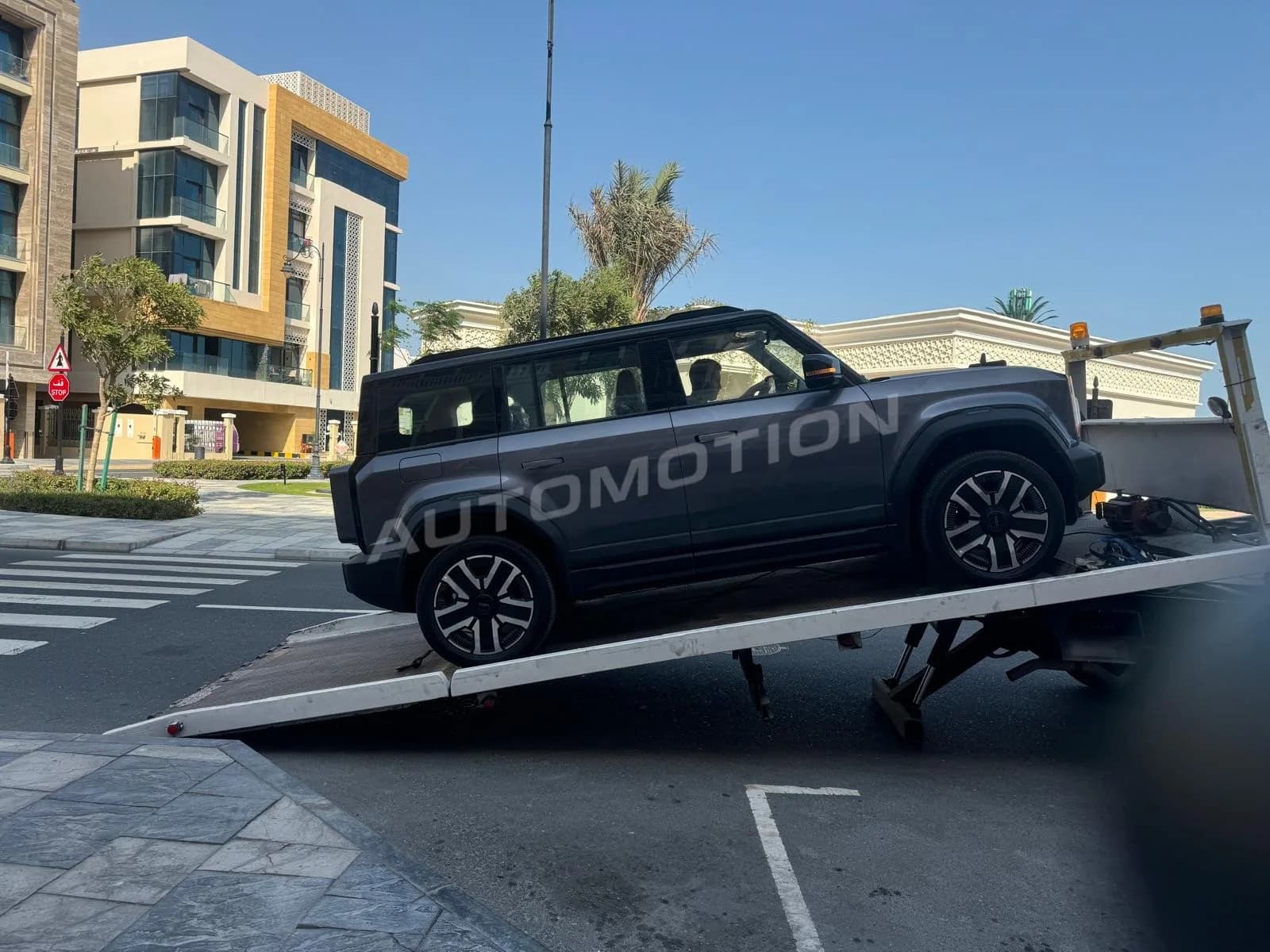
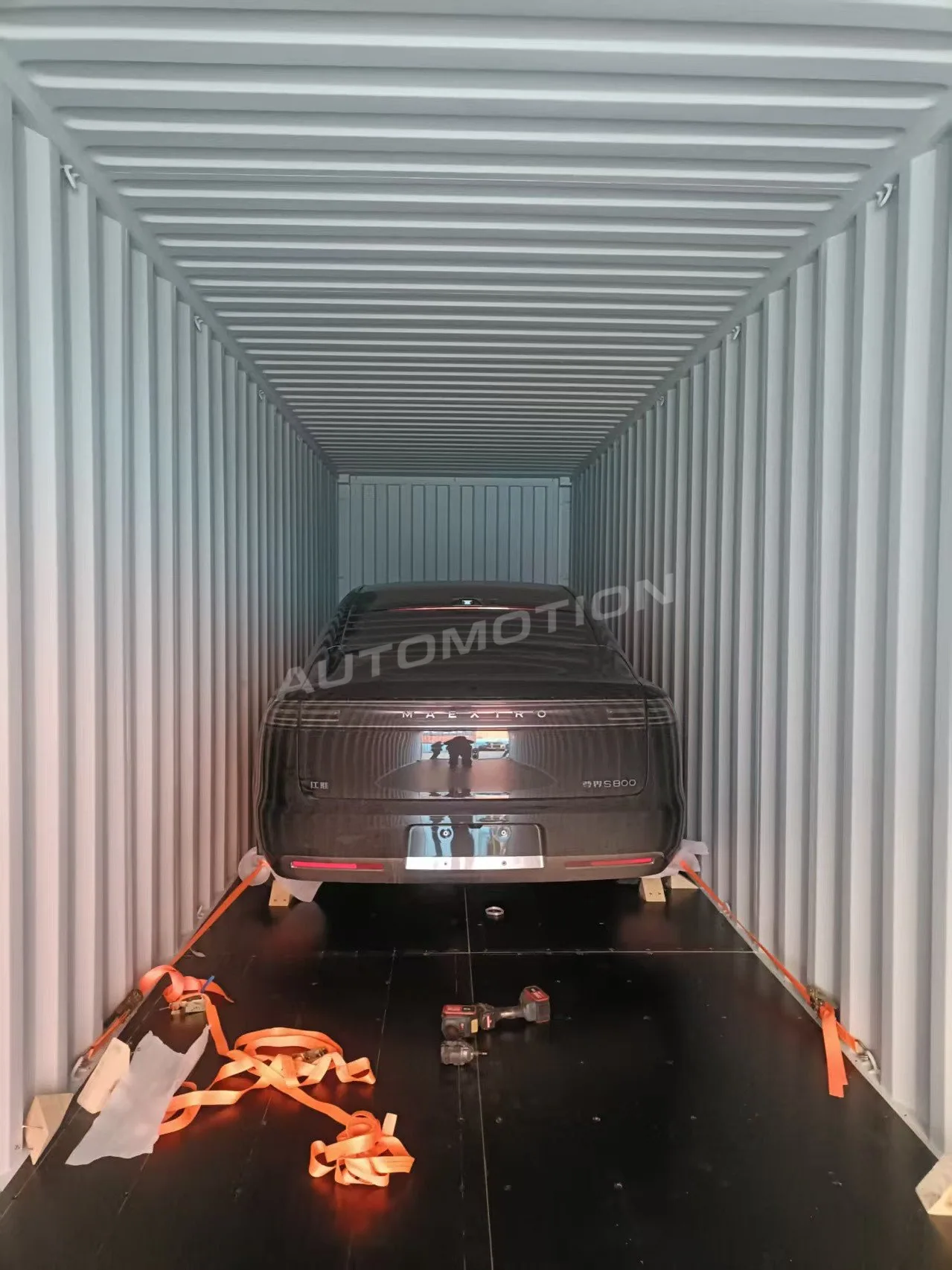
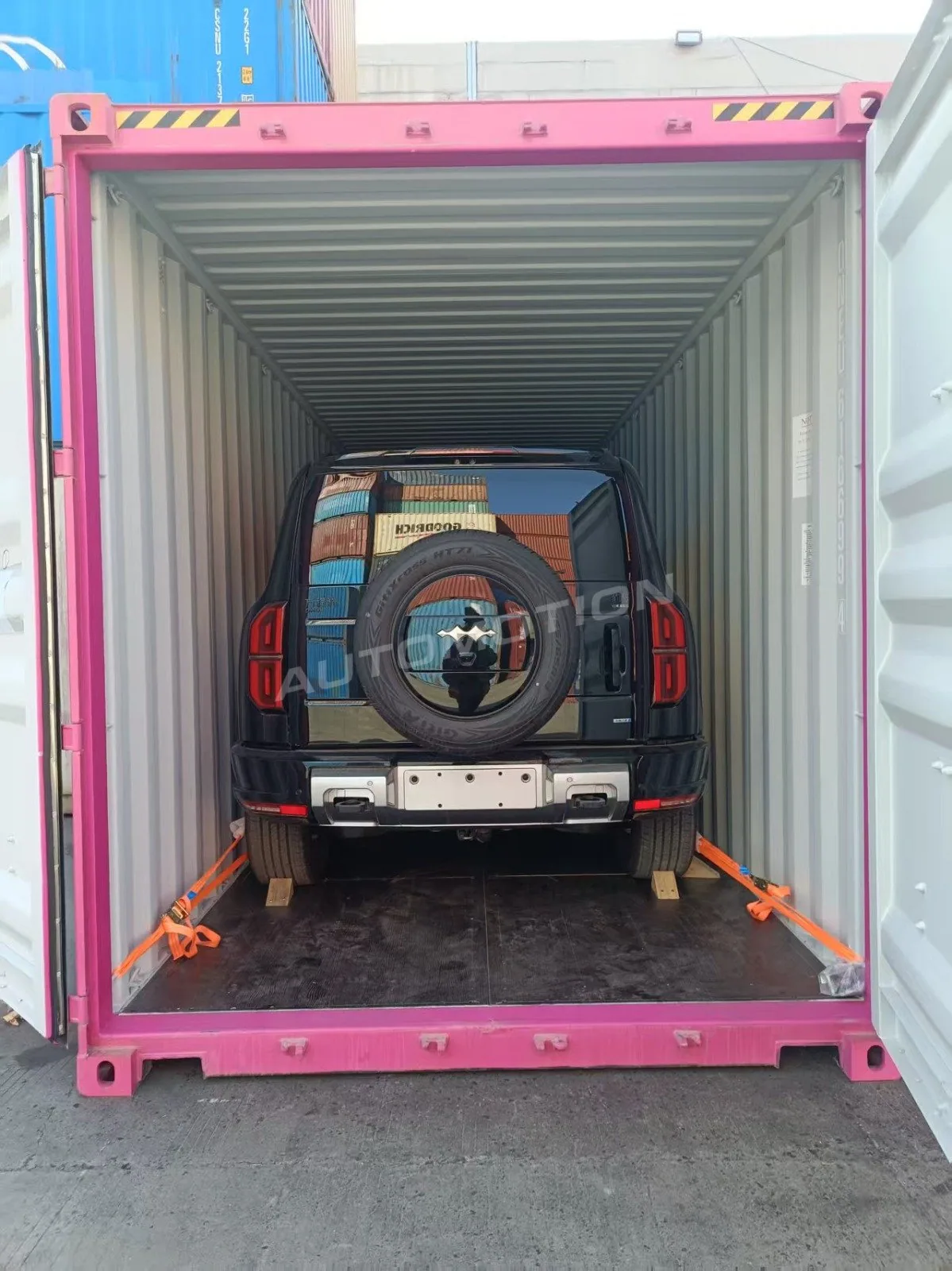
Automotion Global operates in this space with an export-driven model, which is what commercial buyers often need when sourcing EV inventory across borders. The value is not only access to vehicles, but access to vehicles that are prepared for shipment, verified before dispatch, and supported through the fulfillment process.

Which commercial use cases fit EVs best

Not every fleet should electrify at the same pace, but several categories are already well suited to electric commercial vehicles. Last-mile delivery is one of the clearest examples because routes are usually fixed, return-to-base charging is manageable, and stop-start driving favors electric efficiency. Urban cargo vans also benefit from lower noise and smoother operation in dense traffic.

Service fleets can be another strong fit, especially when daily mileage is controlled. Electric vans and light-duty commercial units work well for technicians, maintenance teams, and municipal operations that travel predictable distances. Shuttle and campus transport applications can also be effective if charging can be scheduled reliably.

Where caution is needed is in heavy-load, long-distance, or low-infrastructure environments. In those cases, electrification may still work, but buyers should model route demands carefully. A mixed fleet strategy is often the smarter move. Some operations benefit from combining EVs with plug-in hybrid or conventional units until infrastructure and vehicle availability improve.

What separates a good purchase from a costly one

The difference usually comes down to procurement discipline. A good purchase is not just a vehicle with modern specs. It is a vehicle that matches the route, clears the export process cleanly, arrives with the right documentation, and enters service without major adaptation.

That requires buyers to ask operational questions early. Is the vehicle available now or only advertised? Has it been inspected for export? Will charging standards match the destination market? Is the body style correct for the job? Are there restrictions that affect registration or use after import? These are the questions that protect commercial margins.

In a fast-moving market, there is also pressure to buy quickly when stock appears. That makes sense when inventory is verified and logistics are clear. It becomes risky when buyers treat electric commercial vehicles like ordinary retail purchases. They are business assets. The procurement process should reflect that.

Electric commercial vehicles are no longer a future category. They are already part of real fleet strategy, real procurement decisions, and real cross-border demand. For buyers who approach the market with clear route data, realistic cost planning, and export-focused sourcing, the opportunity is strong. The best results usually come from treating the vehicle and the logistics as one decision – because in international commercial buying, they are.

  • Direct Manufacturer Partnerships
  • Pre-Shipment Inspection
  • Worldwide Shipping

Copyright © Automotion Global. All rights reserved

WhatsApp
error: Content is protected !!