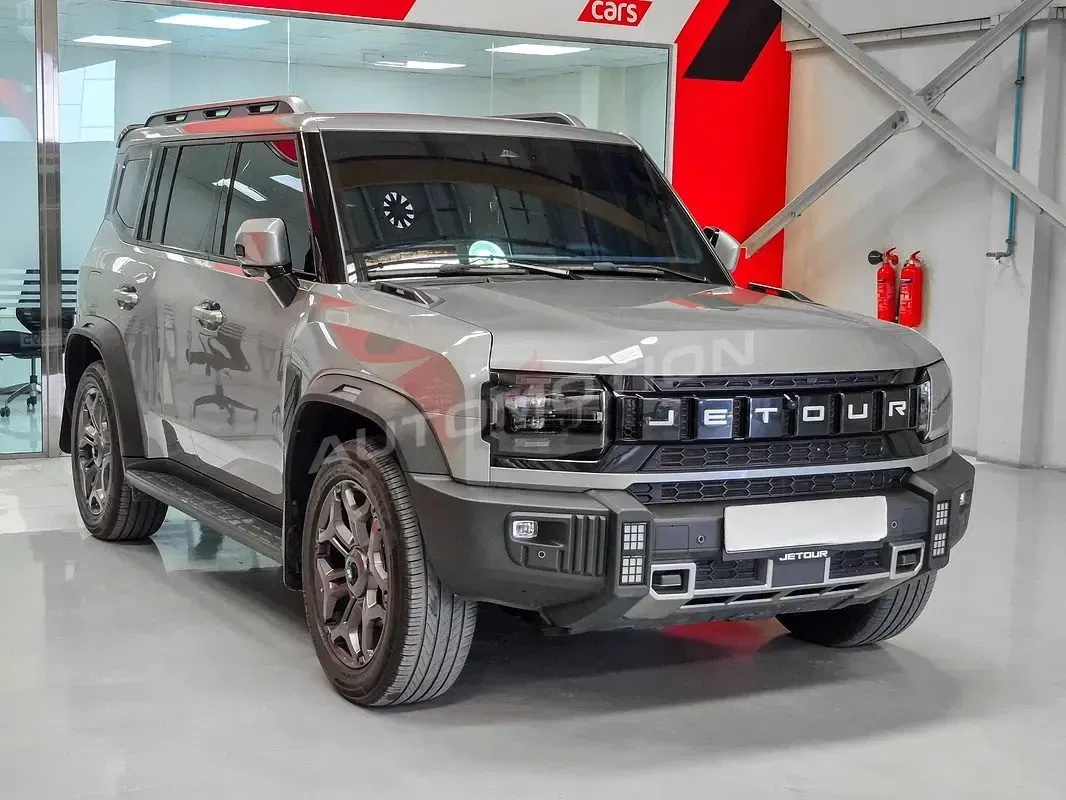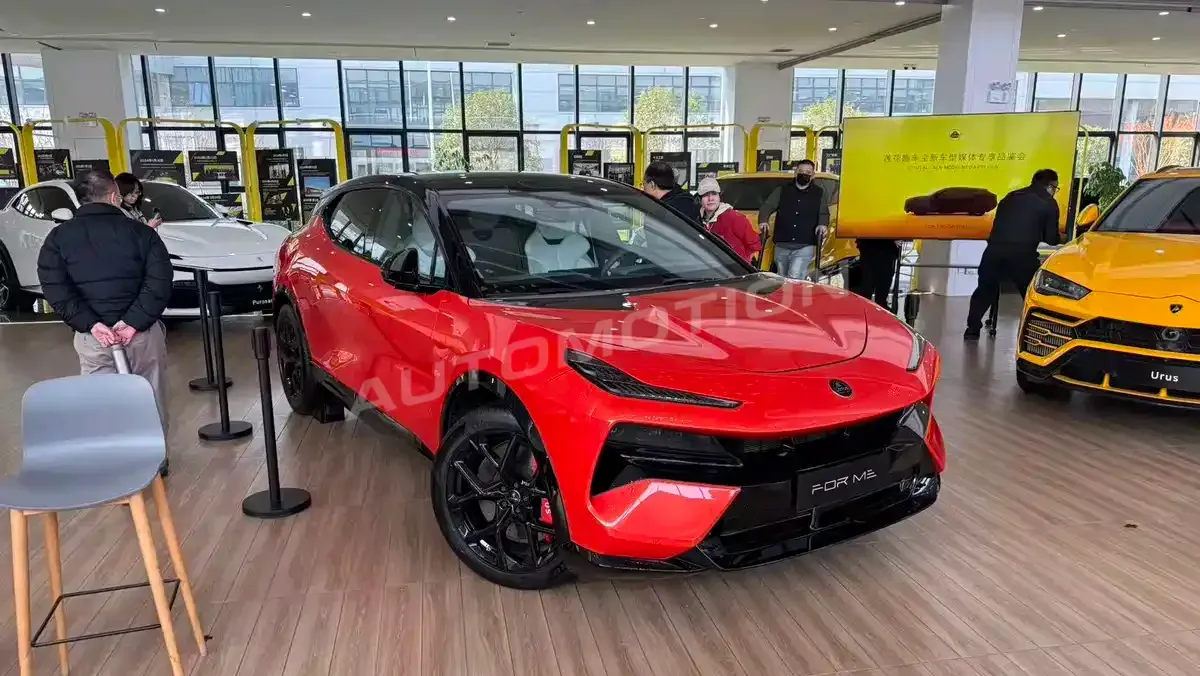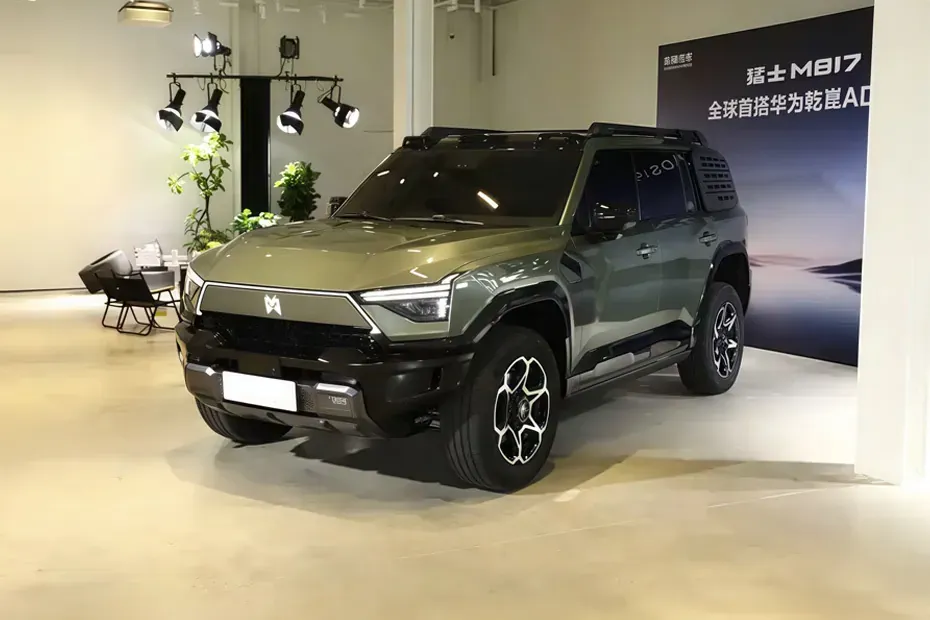
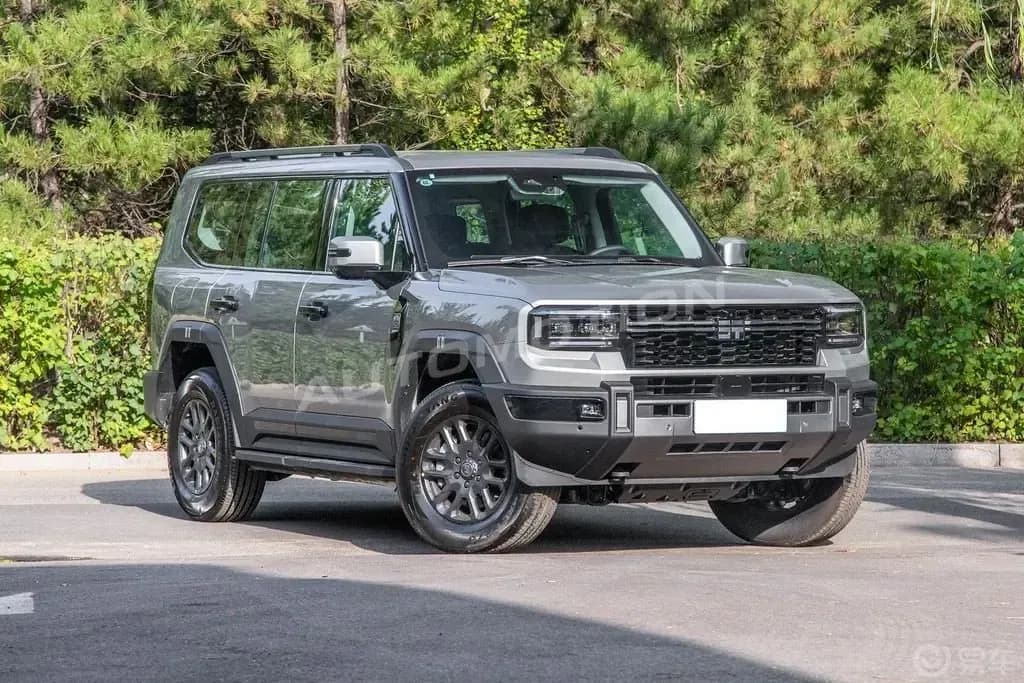
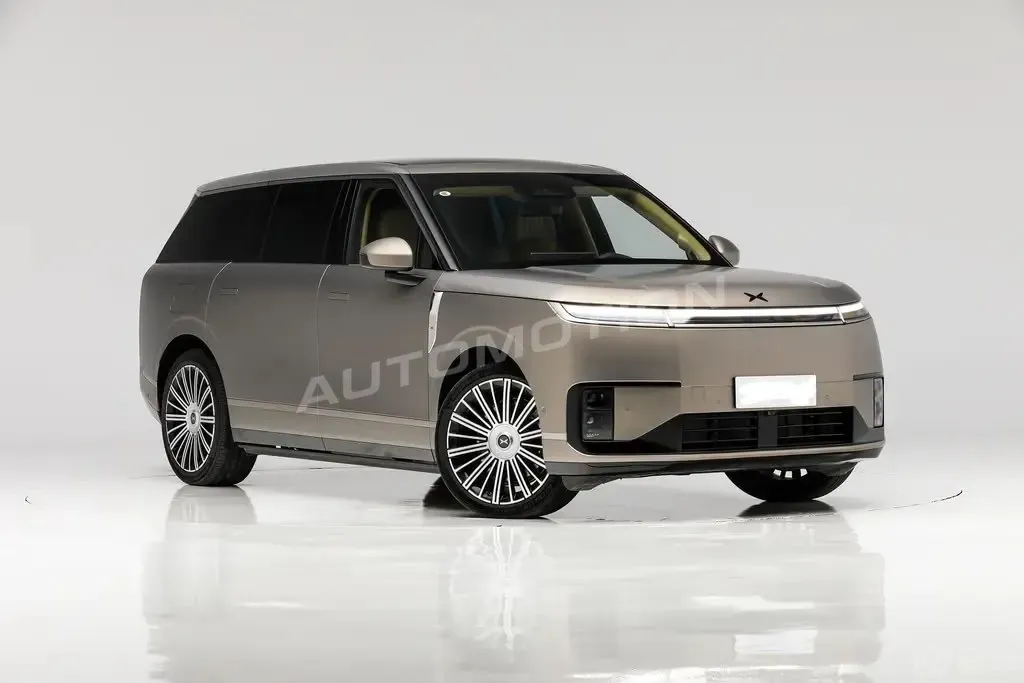
If you are sourcing vehicles across borders, the choice between factory order vs stock vehicles is not a minor detail. It affects delivery timing, model availability, compliance planning, cash flow, and how quickly you can put units into service or resale.
For some buyers, factory ordering is the right procurement strategy because it gives tighter control over specifications. For others, stock vehicles are the smarter commercial decision because the units are already available, inspected, and ready to move through export. The best option depends on what matters most in your transaction – speed, configuration, budget stability, or market timing.
What factory order vs stock vehicles really means
A factory order vehicle is built against a specific request. That usually means the buyer selects the model, trim, drivetrain, battery size, equipment package, color, and in some cases region-specific features. The vehicle then enters the production and allocation process before export preparation can begin.
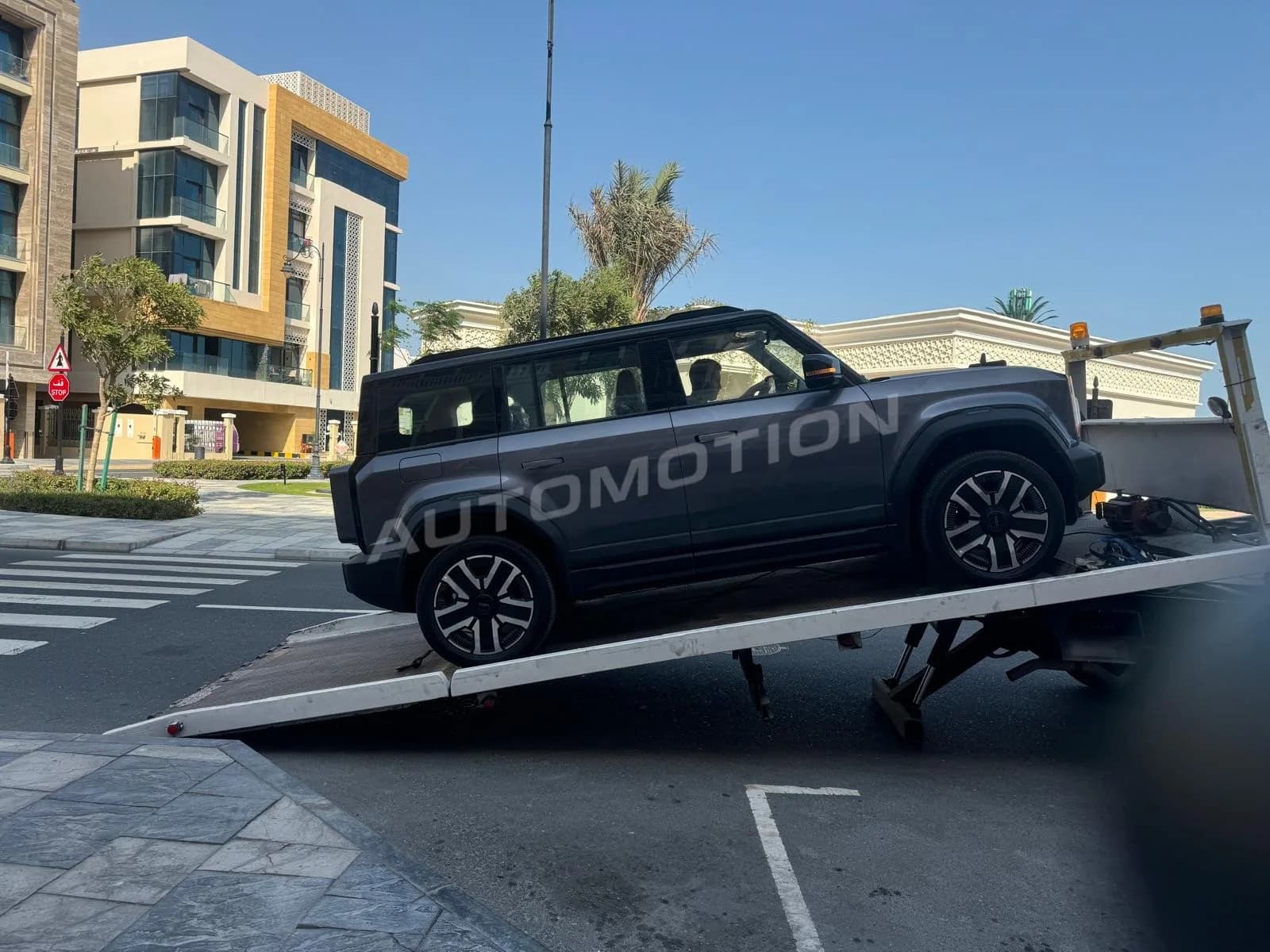
A stock vehicle is already built and available in inventory. It may be physically in a supplier yard, bonded warehouse, free zone, or export-ready stock pool. In practical terms, this means the sourcing process is shorter because the vehicle already exists and can move directly into inspection, documentation, and shipping.
That distinction sounds simple, but for international buyers it has major operational consequences. A local retail customer might focus on personal preference. An overseas buyer often has to think about import windows, homologation requirements, fleet deployment schedules, and the risk of missing a selling season in the destination market.
When factory orders make the most sense
Factory orders are usually the stronger choice when your specification matters more than immediate delivery. This is common with fleet procurement, specialized commercial vehicles, armored builds, and newer EV or PHEV configurations that may not be widely available in open stock.
If you need a certain battery range, seating layout, left-hand-drive or right-hand-drive format, security upgrade, or commercial body configuration, factory ordering can reduce compromise. For resellers, this can also help align inventory with demand in a specific market instead of buying whatever is currently available.
There is also a branding and standardization benefit. Fleet operators often want units to match exactly across a rollout. The same trim, same safety features, same charging setup, and same interior package can simplify maintenance, training, and residual value planning.
The trade-off is time. Production slots can shift. Supplier allocations can tighten. A model that looks available at order stage may face delays due to component shortages, high regional demand, battery supply constraints, or shipping congestion later in the process. With factory orders, the spec is controlled more tightly, but the timeline is usually less flexible.
When stock vehicles are the stronger option
Stock vehicles are often the best fit when speed, certainty, and near-term availability matter most. If you need units for immediate commercial use, resale inventory, replacement demand, or time-sensitive export programs, ready inventory usually creates fewer moving parts.
This matters even more in international trade. Once a stock vehicle is confirmed, the buyer can move faster on verification, payment coordination, export paperwork, loading, and vessel booking. That can be the difference between meeting a delivery commitment and losing several weeks.
Stock also reduces forecasting risk. Instead of waiting on a future build, you are evaluating a real, existing unit with a confirmed VIN, visible features, and current location. That makes pre-shipment inspection more straightforward and gives buyers more confidence in what they are actually purchasing.
For many EV and hybrid buyers, stock inventory also offers a tactical advantage. Market conditions in electrified vehicles move quickly. Incentive changes, charging infrastructure growth, and new model launches can affect resale value and buyer demand. Securing available stock can help buyers respond faster instead of waiting through a production cycle.
The key trade-off: customization vs speed
Most procurement decisions in the factory order vs stock vehicles discussion come back to one central trade-off: do you need exact specification, or do you need vehicles moving now?
Factory order gives control. Stock gives speed. Neither is automatically better.
A buyer importing executive SUVs for private clients may accept a longer timeline to secure exact trim and color combinations. A transport company replacing work vehicles after an unexpected fleet shortfall may prioritize immediate dispatch over ideal specification. A security buyer may need both, which is where experienced sourcing support becomes especially important.
In cross-border transactions, timing often has a direct cost. Delays can affect warehouse planning, financing cycles, contract performance, and seasonal market demand. That is why many professional buyers are willing to compromise slightly on options if it means the units can be shipped quickly and cleared efficiently.
Pricing is not as simple as it looks
Many buyers assume stock vehicles always cost more and factory orders always provide better pricing. In practice, it depends.
Factory orders can sometimes deliver better value when the supply chain is stable and the buyer is placing volume or requesting a strategic model mix. But the final landed cost may change if production lead times extend, freight rates shift, or currency movements affect the transaction before shipment.
Stock vehicles may carry a premium in high-demand segments, especially for hard-to-source EVs, commercial units, or specialty vehicles. At the same time, stock can protect against hidden delay costs. If the vehicle is available now, the buyer avoids some of the uncertainty that can erode the apparent savings of a factory build.
For international buyers, price should be evaluated as total procurement cost, not just unit cost. That includes holding time, shipping timing, customs planning, inspection readiness, and how soon the asset can begin generating revenue or be sold in-market.
Export planning changes the decision
Domestic buyers can treat this as a simple purchasing choice. International buyers cannot. Export planning should be part of the decision from the start.
With factory orders, the export timeline begins only after production and release. That means documentation, inspection scheduling, and shipping arrangements happen later in the process. If the destination market has strict model-year rules, emissions requirements, or registration timing concerns, those details need to be aligned early.
With stock vehicles, the export process can start sooner because the unit already exists and can be checked against destination requirements right away. This is one reason many experienced buyers prefer export-ready stock for urgent or lower-risk transactions.
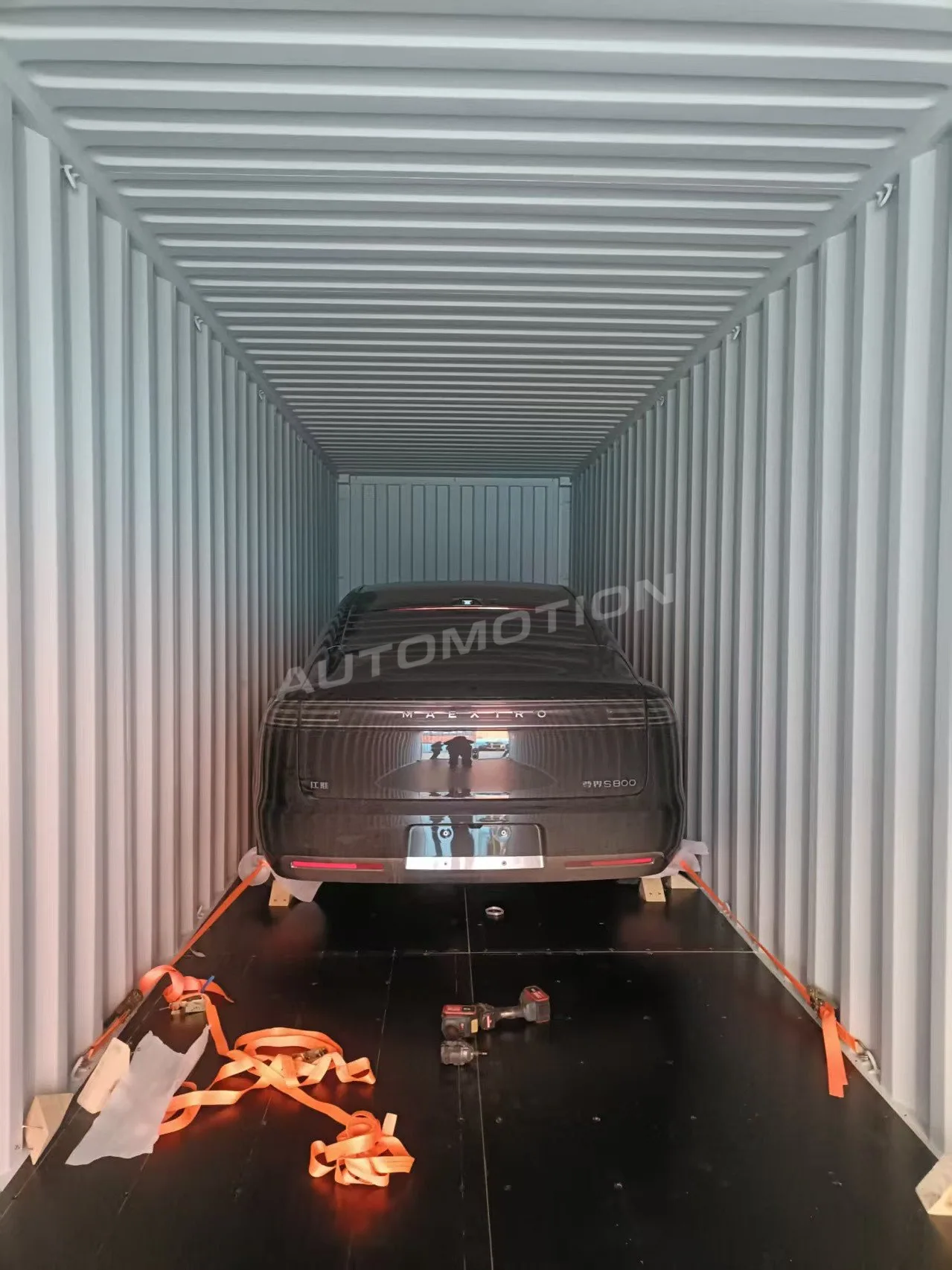
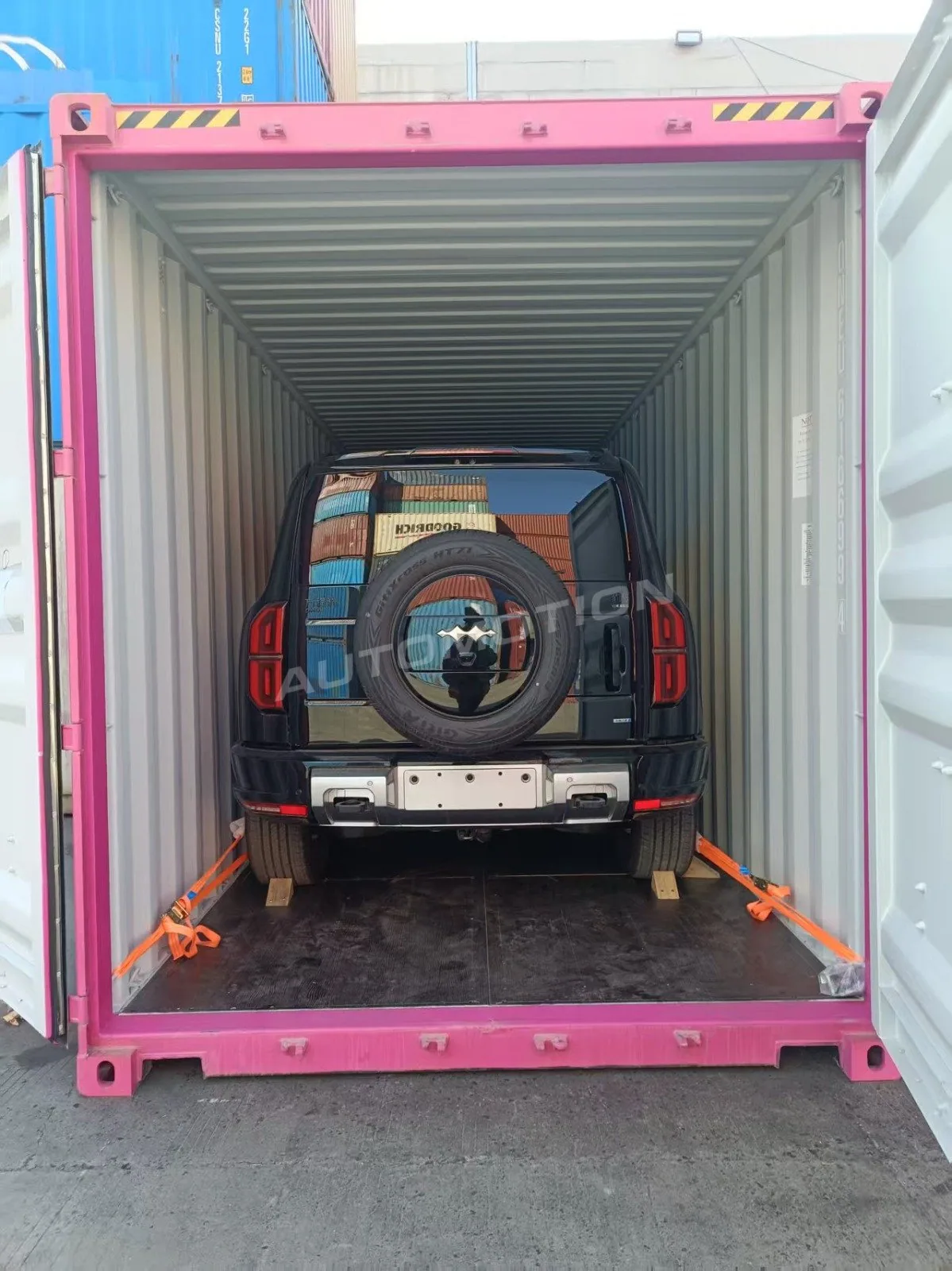
Automotion Global works in this part of the process where procurement and logistics meet. For international buyers, that coordination matters because a well-sourced vehicle is only valuable if it can move through inspection, export handling, and delivery without unnecessary delay.
Which option is better for EVs, PHEVs, and specialty vehicles?
Electrified vehicles and specialty units deserve separate attention because availability patterns are different.
In EVs and PHEVs, stock can be highly attractive when demand is strong and local supply is limited. Buyers may gain access to models, trims, or battery variants that would otherwise require a long allocation wait. Ready stock also helps when market opportunity is immediate, such as launching a resale channel or filling urgent fleet demand.
Factory ordering can still be the better route when the requirement is highly specific. That may include a certain range target, charging standard, interior package, advanced driver assistance feature set, or commercial application.
The same logic applies to armored and commercial vehicles. If the build requirements are specialized, factory order is often the only realistic option. If the requirement is standard and timing is tight, stock inventory usually has the advantage.
How to make the right buying decision
A good procurement decision starts with operational priorities, not preference. Ask four questions.
First, what is the latest acceptable delivery window? If the timing is fixed, stock is usually safer.
Second, which specifications are truly non-negotiable? If the answer includes technical, compliance, or fleet-standard details, factory order may be justified.
Third, what is the cost of delay in your business? Lost resale margin, idle contracts, and postponed deployment can outweigh a lower purchase price.
Fourth, how much supply risk are you willing to carry? Factory ordering can work very well, but it requires more patience and more flexibility.
The strongest buyers do not treat factory order and stock as competing ideas. They treat them as two tools. Some programs need precision. Others need movement. Matching the sourcing method to the business objective is what protects margins and keeps operations on schedule.
If your purchase has a hard deadline, stock vehicles usually create the clearest path. If your purchase has hard specifications, a factory order may be worth the wait. The right choice is the one that gets the correct vehicle to the correct market at the correct time.