
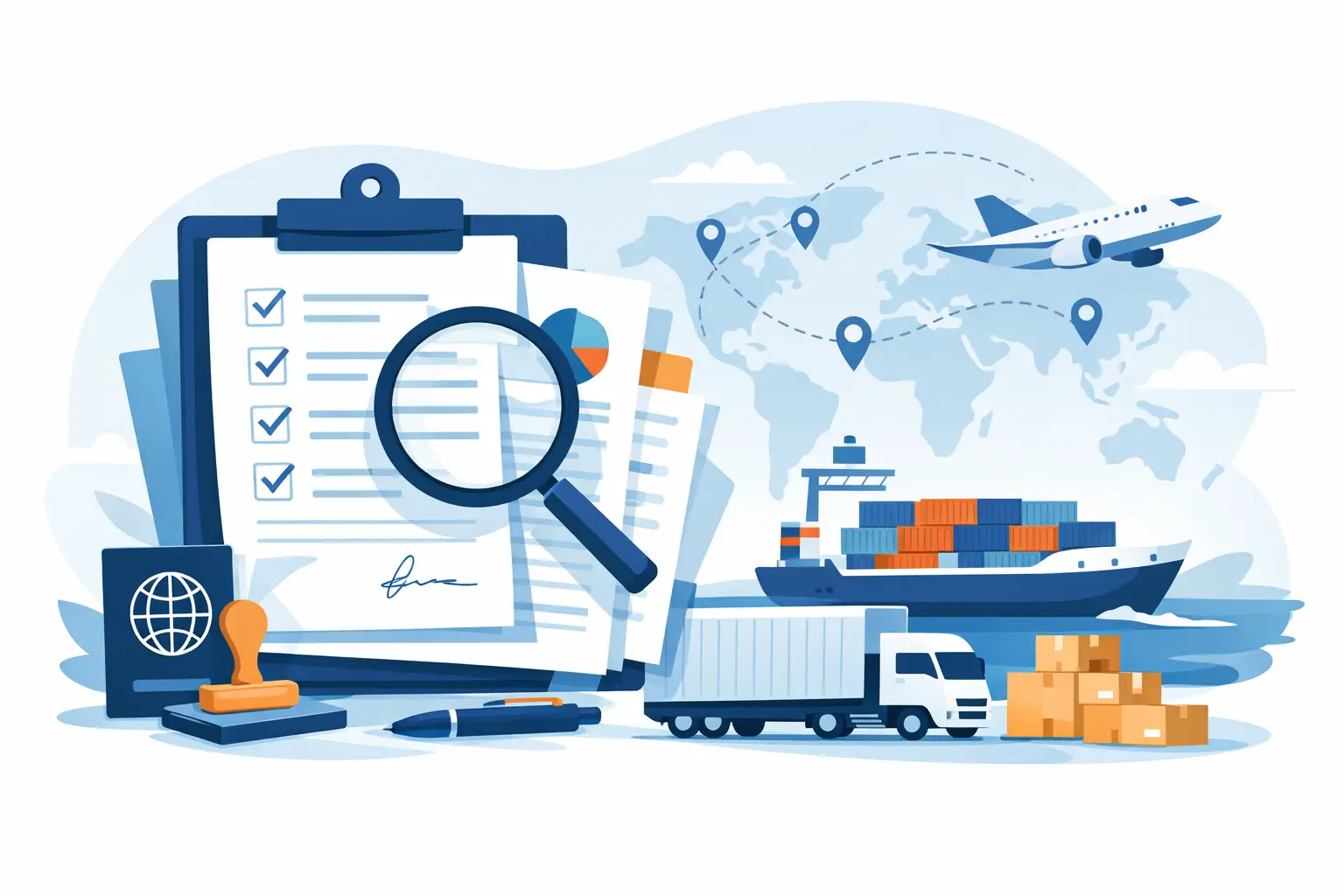
A vehicle can be in stock, inspected, paid for, and ready for shipment – then sit still because one document is missing, mismatched, or filed too late. That is usually the point when buyers ask what documents are needed for export, and the honest answer is this: the core set is consistent, but the exact file depends on the vehicle, the shipping method, the export country, and the import rules at destination.
For international vehicle buyers, documentation is not paperwork for its own sake. It is what proves ownership, supports customs filing, clears the port, satisfies the carrier, and allows the unit to be released on arrival. If any detail is off – VIN, consignee name, declared value, HS code, or title status – delays can follow quickly.
What documents are needed for export?
For most vehicle exports, the standard document pack includes the original title or proof of ownership, a commercial invoice, a bill of lading, a packing list when applicable, export customs filing records, and destination-side import documents. Depending on the market, you may also need a certificate of origin, inspection certificate, insurance certificate, power of attorney, or emissions and conformity records.
That sounds straightforward, but vehicle exports are rarely handled with one universal checklist. A new EV going to one market may need battery-related transport documentation and destination conformity records. A used commercial truck may require a different ownership trail, port release procedures, and tax declarations. An armored vehicle can trigger additional licensing or compliance review.
The core export documents for vehicles
The first and most important document is proof of ownership. In many vehicle transactions, that means the original title. For new units, it may be a manufacturer statement of origin or equivalent ownership document. Customs authorities and port operators use this to verify that the exporter has the legal right to ship the vehicle.
The commercial invoice is the financial backbone of the file. It identifies the buyer, seller, vehicle details, VIN, agreed value, currency, and sale terms. If the invoice does not match the title, shipping instruction, or customs declaration, customs may stop the shipment for clarification.
The bill of lading is issued by the carrier and becomes the formal transport document. It shows the shipper, consignee, vessel or routing details, and cargo description. For the buyer, it matters because it is often required to claim the vehicle at destination and to process customs clearance.
A packing list is not always complex for a single vehicle shipment, but it becomes more important when spare parts, accessories, multiple units, or containerized cargo are involved. It gives ports, freight handlers, and customs a clear view of what is physically loaded.
The export customs declaration, or export filing record, is another essential piece. In the US, this often involves filing through the Automated Export System when thresholds or filing rules apply. This is not a form buyers usually think about first, but it is one of the documents that makes legal export possible.
Vehicle-specific documents that often get overlooked
When buyers ask what documents are needed for export, they often focus on customs and shipping but forget vehicle-specific records. Those records can be just as important as the invoice.
For used vehicles, title history and lien release documentation may be necessary. If there is any indication of financing or a prior security interest, the file needs to show that the vehicle is free to transfer and export. Without that, customs or the destination authority may question ownership.
For EVs, PHEVs, and EREVs, battery classification can affect shipping arrangements. The ocean carrier or freight forwarder may request a dangerous goods declaration or battery handling documentation depending on the vehicle type, battery condition, and route. This does not apply in the same way to every unit, which is why experienced export coordination matters.
Inspection reports are also common in cross-border automotive transactions. These may be pre-shipment inspections, condition reports, or market-specific technical checks. While not every country requires the same format, many buyers want them because they reduce disputes and support insurance or claims if a problem arises later.
Certificate of origin requirements vary by market. Some countries request it to determine duty treatment, trade agreement eligibility, or tariff classification. If the destination customs authority expects one and it is not available, clearance can slow down even if every other shipping document is in order.
What changes based on destination country
The destination country is where export documentation often becomes more complicated. The export side may be complete, but the vehicle still cannot clear if the destination requires extra approvals.
Some markets require an import permit before the vehicle ships. Others require a conformity certificate, emissions record, roadworthiness inspection, or age restriction review. Commercial units may need separate regulatory treatment from passenger vehicles. Armored vehicles may face tighter scrutiny and additional end-user documentation.
This is why there is no smart way to treat vehicle export as a single global process. A sedan going to one port may clear with standard trade documents, while the same model going to another market may need homologation support, tax registration paperwork, or a pre-arrival customs filing from the importer.
For buyers, the practical takeaway is simple: export documents are only complete when they satisfy both sides of the transaction. The origin port and the destination authority both matter.
Common mistakes in export paperwork
Most shipment delays do not happen because the exporter has no documents. They happen because the documents do not align.
A VIN mismatch is one of the most common problems. If the title shows one character and the invoice or bill of lading shows another, customs will likely stop the file. The same applies to buyer name discrepancies, incorrect engine or model descriptions, and inconsistent declared values.
Timing is another issue. Some ports and customs systems require title submission or export filing before a fixed cutoff. If documents arrive after that deadline, the vehicle may miss the vessel even when everything else is ready.
There is also the issue of assuming one shipment is the same as the last one. Returning buyers, resellers, and fleet operators often move quickly, but document requirements can change by port, carrier, or regulation update. What worked six months ago may not be enough now.
How experienced exporters manage the document flow
A reliable export process is not just about collecting forms. It is about sequencing them correctly.
Ownership documents should be verified before booking. Commercial details should be confirmed before the customs filing is submitted. Shipping instructions should match the invoice and consignee record exactly. If inspection, insurance, or certificate of origin documents are needed, they should be arranged before cargo cutoff, not after the vehicle reaches the port.
This is where operational discipline matters. An experienced exporter checks title status, confirms destination requirements, aligns the shipping file, and verifies that the carrier can accept the cargo as booked. For international buyers sourcing specialized inventory – especially EVs, commercial units, or armored vehicles – that discipline reduces avoidable delays.
Automotion Global works in that environment every day. Buyers are not just purchasing a vehicle. They are purchasing stock availability, export readiness, and document accuracy that supports international delivery.
A practical checklist before your vehicle ships
Before shipment, confirm five things: ownership is clear, buyer and consignee details are final, invoice data matches the vehicle exactly, export filing requirements have been met, and destination import conditions are already understood. If any of those are still uncertain, the file is not ready.
That matters even more for high-value or time-sensitive orders. A fleet replacement, a resale purchase, or a specialized security vehicle often has tighter delivery expectations and less room for document corrections once cargo is at port.
Final thought on what documents are needed for export
The right question is not only what documents are needed for export. It is whether the document pack is accurate, market-specific, and ready early enough to keep the shipment moving. In vehicle trade, speed comes from preparation – and the cleanest shipments usually start with the cleanest paperwork.