
If you are buying a vehicle for overseas delivery, the listing price tells only part of the story. A car may appear available online but still remain weeks away from shipment because documents are incomplete, inspections are unfinished, or the vehicle does not match the destination market. This is why buyers often ask the same question: what is an export ready vehicle?
An export ready vehicle has already completed the preparation required for international sale and shipment. The unit is available, ownership records are verified, export documents are organized, and the vehicle can enter the shipping process without unnecessary delays.
In simple terms, export ready does not mean that a vehicle only exists in stock. It means the vehicle is commercially, operationally, and logistically prepared to leave the origin market and reach an overseas buyer.
What is an export ready vehicle in practical terms?
For international buyers, export readiness focuses on reducing risk and improving transaction speed. A seller may advertise a vehicle, but that does not always mean the unit can ship immediately. Until the required preparation steps are complete, the vehicle remains inventory rather than an export ready asset.
This difference matters for private buyers, fleet operators, resellers, and procurement teams. When a purchase connects to a business deadline or project schedule, document delays can create serious problems. The main benefit of an export ready vehicle is the shorter distance between purchase approval and shipment.
Most export ready vehicles include confirmed availability, verified seller control, complete export paperwork, inspection status, and transport coordination. Depending on the destination, preparation may also include conformity checks, translated documents, EV battery handling procedures, or additional security records for armored vehicles.
The core elements of export readiness
Several factors must align before a vehicle becomes export ready. Physical availability comes first. The exporter should have the vehicle in stock or maintain direct control over the unit. A listing from an uncertain third party source does not provide the same level of readiness.
Documentation represents the next major step. Export files usually include ownership proof commercial invoicespacking details, export support documents, and model specific records required by the origin country. Missing or inconsistent paperwork can delay the shipment before the vehicle reaches the port.
Condition verification also plays an important role. Reliable exporters do not depend only on catalog information or supplier descriptions. They inspect the vehicle, confirm specifications, and review its current condition before arranging transport. This becomes even more important when buyers purchase remotely.
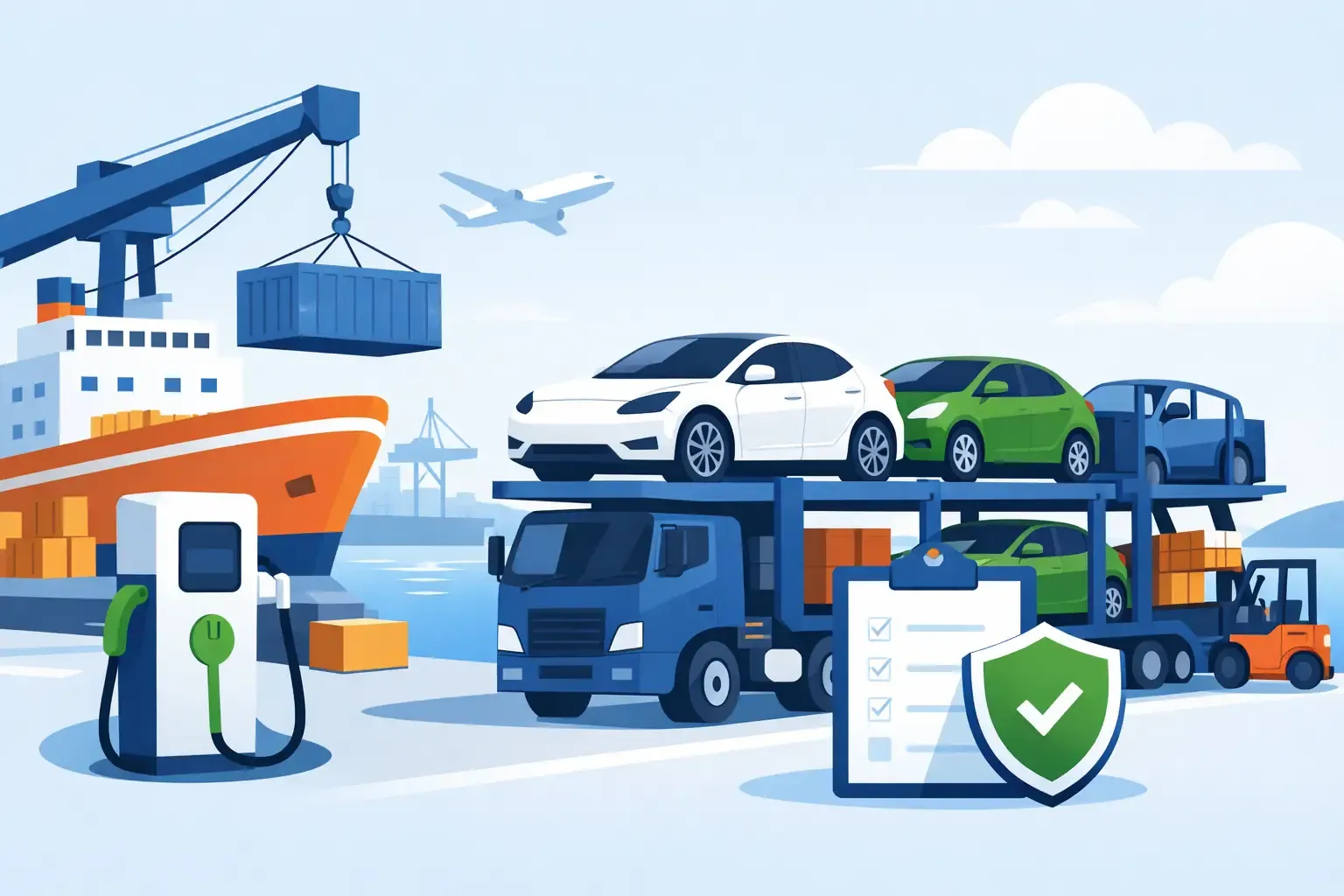
Logistics preparation completes the process. A vehicle can have clear ownership and good mechanical condition but still lack export readiness if shipping arrangements are not in place. A prepared vehicle can move into container loading or roll on/roll off transport with the correct documentation and handling plan.
Why export ready matters more than buyers expect
The phrase can sound like sales language until a buyer experiences the opposite. A non ready vehicle often creates friction in places that are not visible at the point of inquiry. The seller may still be waiting on title release. The vehicle may need repairs before inspection. The stock may be shared across channels and not truly reserved. The destination may require technical details that were never gathered.
For the buyer, this creates uncertainty around shipping dates, cash flow planning, and end customer commitments. resellers and fleet buyers, that uncertainty can affect margins and deployment schedules. high value categories such as EVs, commercial units, and armored vehicles, the financial exposure is even higher because the transaction values and compliance expectations are larger.
An export ready vehicle reduces those pressure points. It supports faster dispatch, clearer timelines, and fewer surprises between payment and arrival. It does not eliminate every variable in international shipping, because customs, port congestion, and destination procedures can still affect transit. But it does remove the internal delays that should have been handled before the vehicle was offered for export sale.
Export ready does not always mean import compliant everywhere
Buyers must understand the difference between export readiness and import approval. Export ready means the vehicle can leave the origin country and enter the shipping process. It does not automatically mean the vehicle satisfies every requirement in the destination market.
A vehicle may leave the seller fully prepared while still requiring destination checks for emissions rules, lighting standards, homologation, battery certification, or registration requirements. This matters most when the vehicle specification differs from local market standards.
EVs and plug in hybrids are a good example. These vehicles may offer excellent value and modern technology, but buyers still need to confirm charging compatibility, software support, parts availability, and registration rules. Armored vehicles may also require additional permits or security approvals after export preparation.
The right question is not only “what is an export ready vehicle?” Buyers should also ask whether that vehicle meets the requirements of the country where it will operate.
What buyers should verify before committing
When reviewing export inventory, buyers should ask how the seller defines export ready. A reliable exporter should provide a clear explanation. A vague answer may indicate that the vehicle remains in the sourcing stage.
Buyers should confirm whether the vehicle is physically available, whether export documents have been reviewed, whether inspection has been completed or scheduled, and which shipping method the exporter plans to use. They should also verify that photos and specifications represent the exact vehicle being purchased.
EVs, PHEVs, and EREVs require additional attention. Battery handling rules and shipping procedures vary by carrier and route. The process does not have to be complicated, but the exporter should already understand the requirements and prepare accordingly.
Commercial and specialized vehicles need closer evaluation as well. Trucks, vans, and armored vehicles often include extra equipment, modified dimensions, or specialized features. Export readiness for these vehicles requires accurate documentation and proper transport planning.
What a strong export partner adds
A capable exporter does more than locate vehicles. The real value comes from managing the process between sourcing and departure. This includes supplier coordination, inspections, document preparation, shipping arrangements, and communication throughout the transaction.
Experienced cross border suppliers offer a different service level than traditional local dealers. A local dealer may know how to sell a vehicle. An export partner understands how to move that vehicle across borders while reducing potential problems.
At Automotion Global, export ready inventory forms part of the operating process. This approach helps buyers access authorized vehicles, commercial units, armored stock, and modern mobility platforms with stronger international support.
A smarter way to evaluate vehicle listings
Not every available listing represents the same level of readiness. Some vehicles are prepared for immediate export. Others are only early stage listings designed to attract buyer interest before the preparation work begins.
Serious buyers should look for clear indicators of readiness. These include transparent FOB pricing, confirmed availability, inspection support, direct communication, and shipping coordination. These signals usually show that the exporter has built a process around international transactions rather than simple vehicle advertising.
The strongest export transactions begin with preparation before payment. This approach protects timelines, reduces disputes, and creates a more predictable buying experience. international buyers, export readiness represents the difference between a vehicle that is simply available and a vehicle that is prepared to move. That difference is where delays, unexpected costs, and unnecessary risks often begin. It is also where the right export partner creates real value.