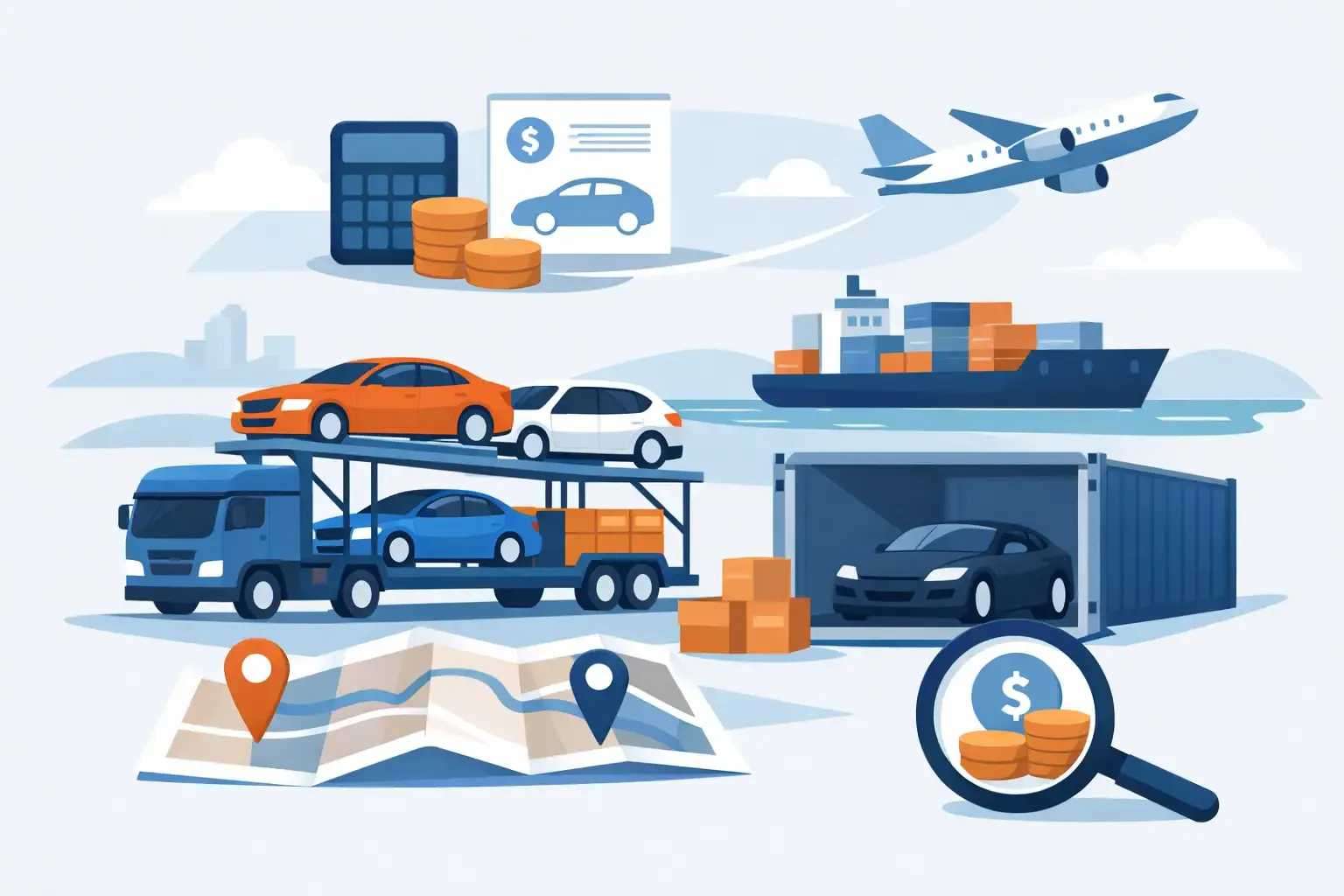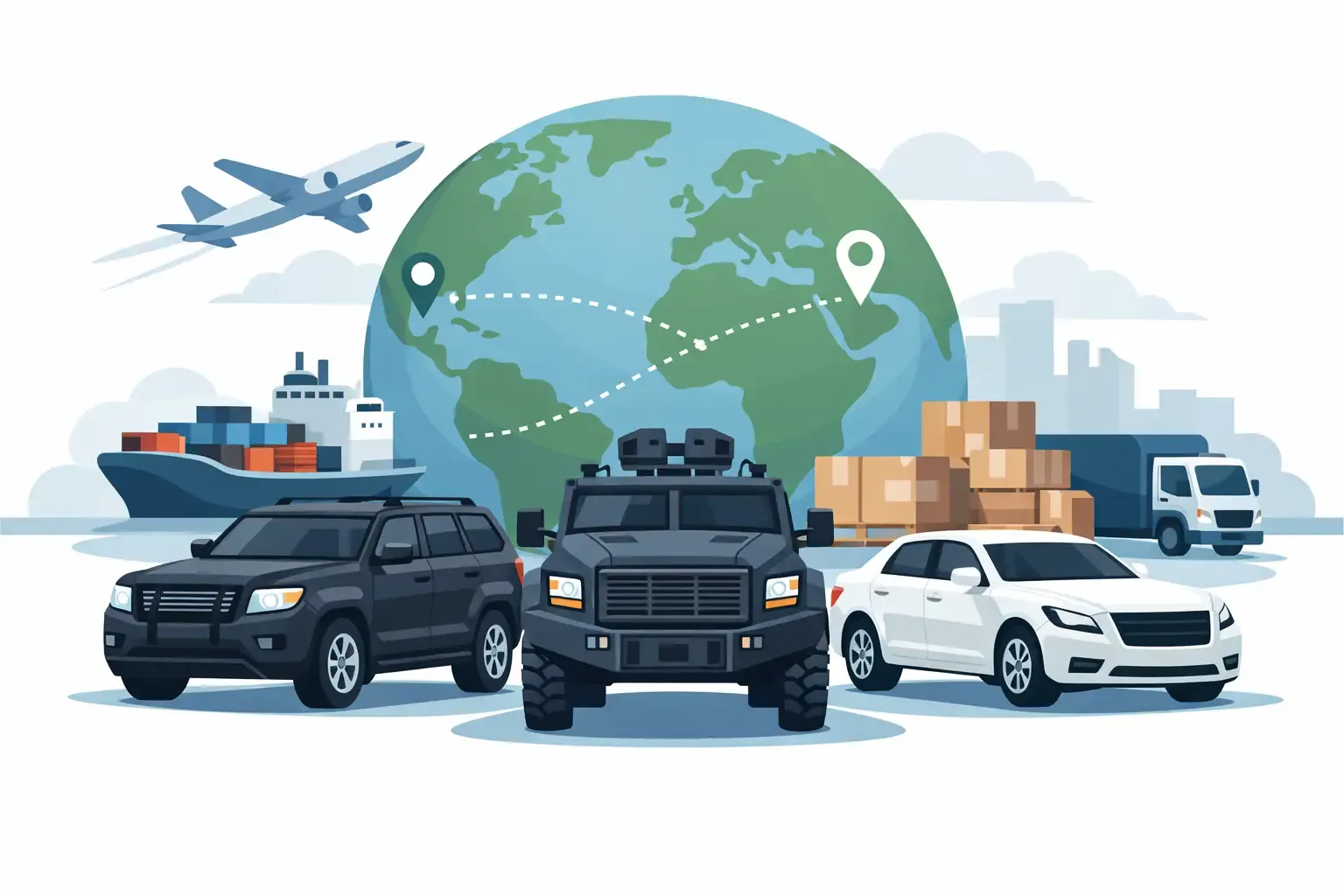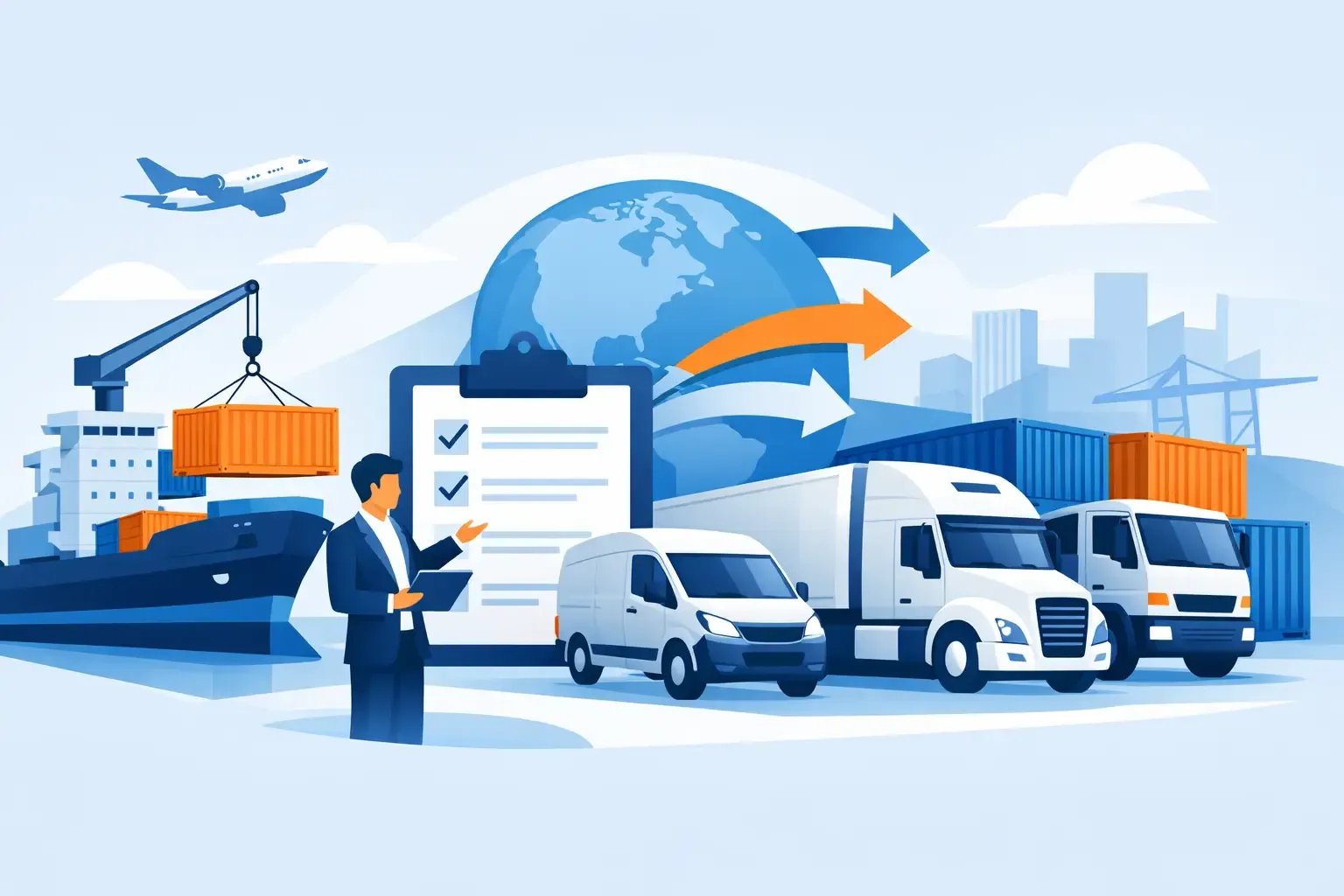

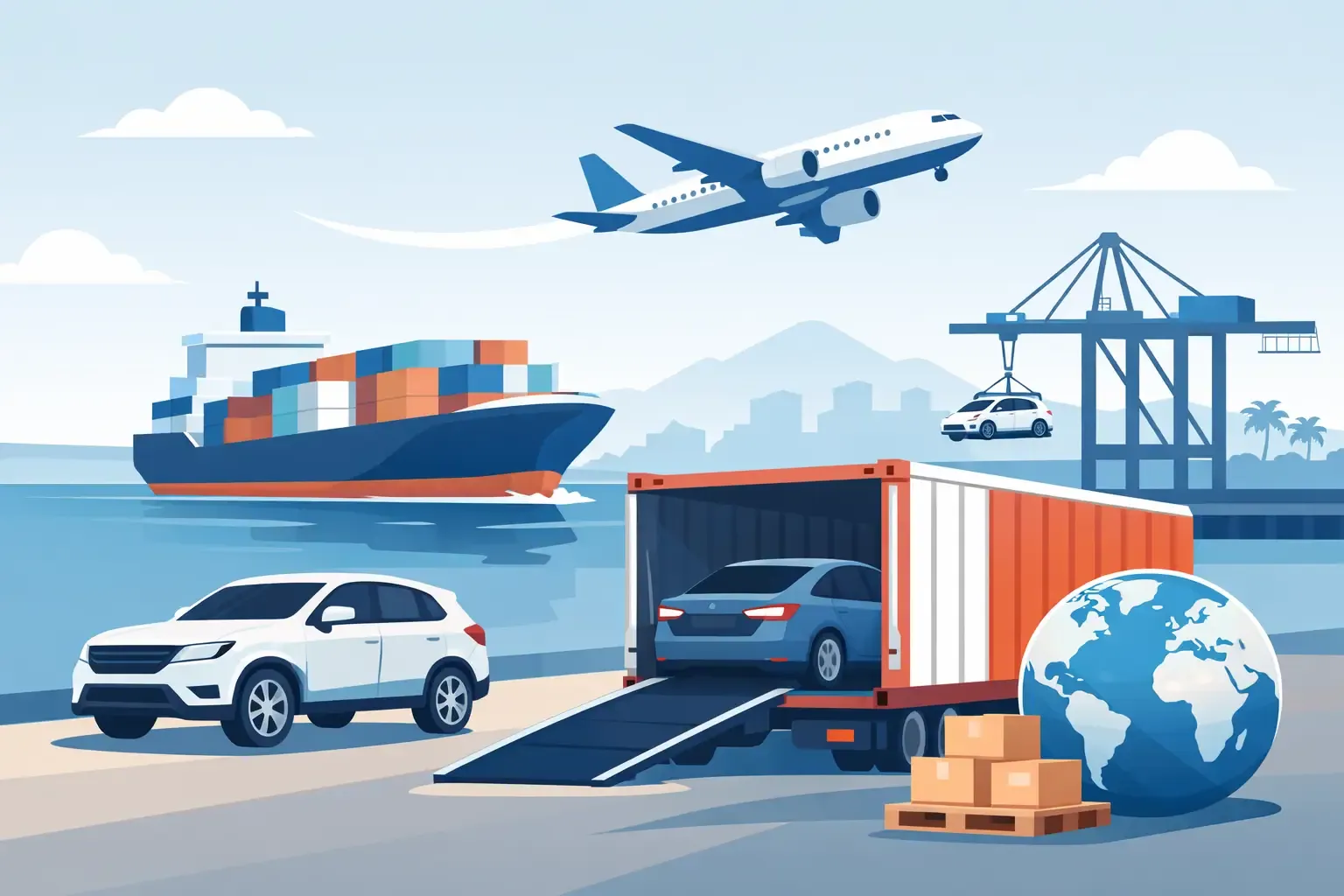
A vehicle can be ready for sale today and still miss its shipping window tomorrow because one document is incomplete, one inspection is delayed, or the destination country applies a requirement the buyer did not anticipate. That is why the vehicle export shipping process matters as much as the vehicle itself. For international buyers, fleet operators, and resellers, speed only works when the process is controlled from sourcing to final handover.
What the vehicle export shipping process actually includes
The vehicle export shipping process is not a single freight booking. It is a coordinated sequence of sourcing, documentation, inspections, export preparation, customs handling, shipping, and final delivery.
For international buyers, the real question is not simply “How much is shipping?” It is whether the vehicle is truly export ready and whether the shipment can move without avoidable delays.
A low freight quote means very little if the car is missing export documents, the loading window is missed, or destination customs requires corrections after arrival.
Start with export ready inventory, not just available inventory
The first checkpoint is vehicle readiness. A unit may be physically available, but that does not automatically mean it is ready to move internationally. Export ready inventory should have clear ownership history, usable commercial documentation, verified condition, and specifications that can be accepted in the destination market.
This matters even more for EVs, plug in hybrids, EREVs, commercial vehicles, and armored units. These categories often require additional checks because battery systems, modifications, or special purpose configurations can affect shipping methods, documentation, and import approval.
A serious supplier should confirm VIN details, model year, drivetrain, battery type where relevant, condition reports, and available export paperwork early in the process. That verification reduces the risk of buying a vehicle that looks available online but becomes difficult to ship in practice.
Inspection and condition reporting before shipping
Pre shipment inspection is one of the most important stages in the export process because it converts assumptions into documented records. The inspection should confirm the vehicle identity, visible condition, major equipment, and operational status where applicable.
For individual buyers, this reduces the chance of disputes after delivery. For fleet and commercial buyers, inspections support receiving control, resale planning, and insurance clarity.
If the vehicle is specialized, such as an armored SUV or a commercial truck, inspections become even more important because non standard equipment can affect both valuation and shipping arrangements.
Not every buyer requires the same inspection depth. A reseller buying volume inventory may focus primarily on documentation and transport condition, while an end user may want cosmetic verification as well.
Documentation drives the shipment
Most export delays are not caused by vessels. They are caused by paperwork.
The core document set usually includes the commercial invoice, title or ownership records where required, export declaration, shipping instructions, and the bill of lading once the cargo is loaded.
Depending on the route and destination country, there may also be inspection certificates, certificate of origin requirements, battery declarations, or import pre approvals.
Accuracy matters at a practical level. The consignee name must match. The VIN must match. The vehicle description must match. If one document identifies the vehicle as hybrid while another lists gasoline, customs authorities may stop the release until corrections are made.
Experienced export coordination helps prevent these issues before the shipment leaves the origin port.
Choosing the right shipping method
There is no universal shipping method for every vehicle. The decision depends on vehicle type, destination, urgency, protection requirements, and total landed cost.
Roll on/roll off shipping, commonly known as RoRo, is widely used for operable passenger and commercial vehicles. The vehicle is driven directly onto the vessel and secured for transport. This method is often cost efficient for standard exports.
Container shipping offers greater protection and control. It is usually preferred for high value vehicles, EVs requiring closer handling, armored units, or shipments heading to destinations where additional cargo protection matters.
Containers can also accommodate spare parts or related cargo when the shipment is structured properly.
Air freight exists as an option, but it is generally reserved for urgent or highly specialized transactions because costs are significantly higher.
RoRo can reduce costs, while containers can improve protection and flexibility. The right choice depends on the vehicle and shipping route, not just the freight price.
Port handling, loading, and origin customs
Once documentation and booking are completed, the vehicle enters the origin handling phase. This includes delivery to the port, gate processing, loading coordination, and export customs clearance.
Timing matters because ports operate on strict cut off schedules. Missing one document or delivery slot can move the shipment to the next available vessel.
Origin customs procedures vary by country. Some markets require advance filing, ownership validation, or additional security checks before export approval is granted.
For EVs and battery powered vehicles, carriers and terminals may also require additional safety declarations or battery related handling procedures.
A shipment does not move simply because it was booked. It moves because the cargo, documents, and scheduling all align correctly.
Transit, tracking, and communication
After departure, buyers need shipment visibility. The logistics coordinator or shipping line should be able to confirm vessel details, estimated arrival timing, and documentation status for destination release.
Transit time includes far more than sea movement alone. It also includes origin handling, transshipment where applicable, destination discharge, customs processing, and inland delivery.
A route with shorter sea transit may still take longer overall if destination congestion is high.
Communication becomes especially important when schedules change. Delays can happen because of weather, port congestion, rolled bookings, or customs reviews. Buyers need clear updates explaining what changed, what it affects, and what actions follow next.
Destination customs and final delivery
Arrival is not the end of the vehicle export shipping process. The vehicle still needs to clear destination procedures before release.
Import duties, taxes, port fees, storage costs, and compliance checks can all apply depending on the destination country.
This is why import planning should begin before export. Buyers should understand whether the vehicle is admissible, what duties apply, whether local regulations can be met, and what documentation customs brokers will require.
For EVs and specialty vehicles, local approval procedures can be more complex than many buyers initially expect.
Final delivery may include port pickup, bonded movement, or inland transport directly to the buyer’s address or facility. Commercial buyers often prefer coordinated delivery because it reduces operational downtime and improves receiving efficiency.
Common causes of delays and extra costs
Most avoidable export problems come from predictable gaps. The vehicle is purchased before import requirements are verified. The wrong shipping method is selected. Documentation contains inconsistent information. Payment timing delays original paperwork.
The strongest export transactions are built around destination requirements first. That means confirming market acceptance, then matching the vehicle, then aligning the documentation and shipping structure accordingly.
This approach may require more discipline early in the process, but it usually prevents expensive corrections after departure.
Buyers working with experienced export partners usually reduce delays, documentation issues, and unexpected shipping costs.
Different vehicle categories require different export planning
Passenger vehicles often move quickly when inventory is already positioned near export hubs and paperwork is prepared in advance.
Commercial vehicles usually require more planning because buyers often need consistency across multiple units. Model year, engine type, body style, and operational condition can affect fleet integration and maintenance after arrival.
Modern mobility inventory such as EVs, PHEVs, and EREVs adds another layer of complexity. Battery handling, charging compatibility, software configuration, and regional specifications should all be discussed before shipment begins.
Armored vehicles also require closer verification because buyers are typically purchasing for mission specific use rather than general transportation.
These categories are not impossible to export. They simply require suppliers who understand cross border automotive operations at a professional level.
Choosing speed without sacrificing control
Fast delivery matters, but speed only creates value when the transaction is structured correctly. Buyers rushing into payment without verifying stock status, inspections, and shipping plans often lose more time later through corrections or disputes.
The better approach is disciplined speed. Confirm the vehicle, confirm the paperwork, confirm the shipping path, then move decisively.
For experienced importers, this usually means building repeatable procurement standards. For first time overseas buyers, it means working with suppliers capable of explaining and managing every stage clearly.
In international automotive trade, export ready inventory is what transforms vehicle sourcing into a reliable long term supply solution.