

A vehicle can look like a strong deal on paper and still become an expensive mistake once it crosses a border. The difference usually comes down to process. This international car sourcing guide is built for buyers who need more than a listing price, they need verified supply, export readiness, and delivery confidence.
For international buyers, sourcing is not the same as shopping. You are not just choosing a model, trim, or powertrain. You are assessing whether the vehicle can be legally exported, inspected, documented, shipped, received, and registered in your market without avoidable delays. That is why serious buyers focus first on source quality and fulfillment capability, then on price.
What an international car sourcing guide should actually cover
A useful international car sourcing guide starts with the full transaction, not just the vehicle itself. In cross border procurement, the car is only one part of the purchase. The rest is supply chain discipline.
The first question is where the vehicle comes from. Direct manufacturer channels, approved suppliers, and established export partners usually provide more reliable outcomes than opportunistic traders. That matters because stock visibility, condition reporting, and paperwork quality tend to improve when the sourcing chain is short and accountable.
The second question is whether the vehicle is genuinely export ready. A unit may be available, but that does not automatically mean it is cleared for shipment, properly documented, or aligned with the destination market’s standards. Buyers often lose time when they secure a vehicle first and only later discover a mismatch in specifications, charging compatibility, emissions classification, or title status.
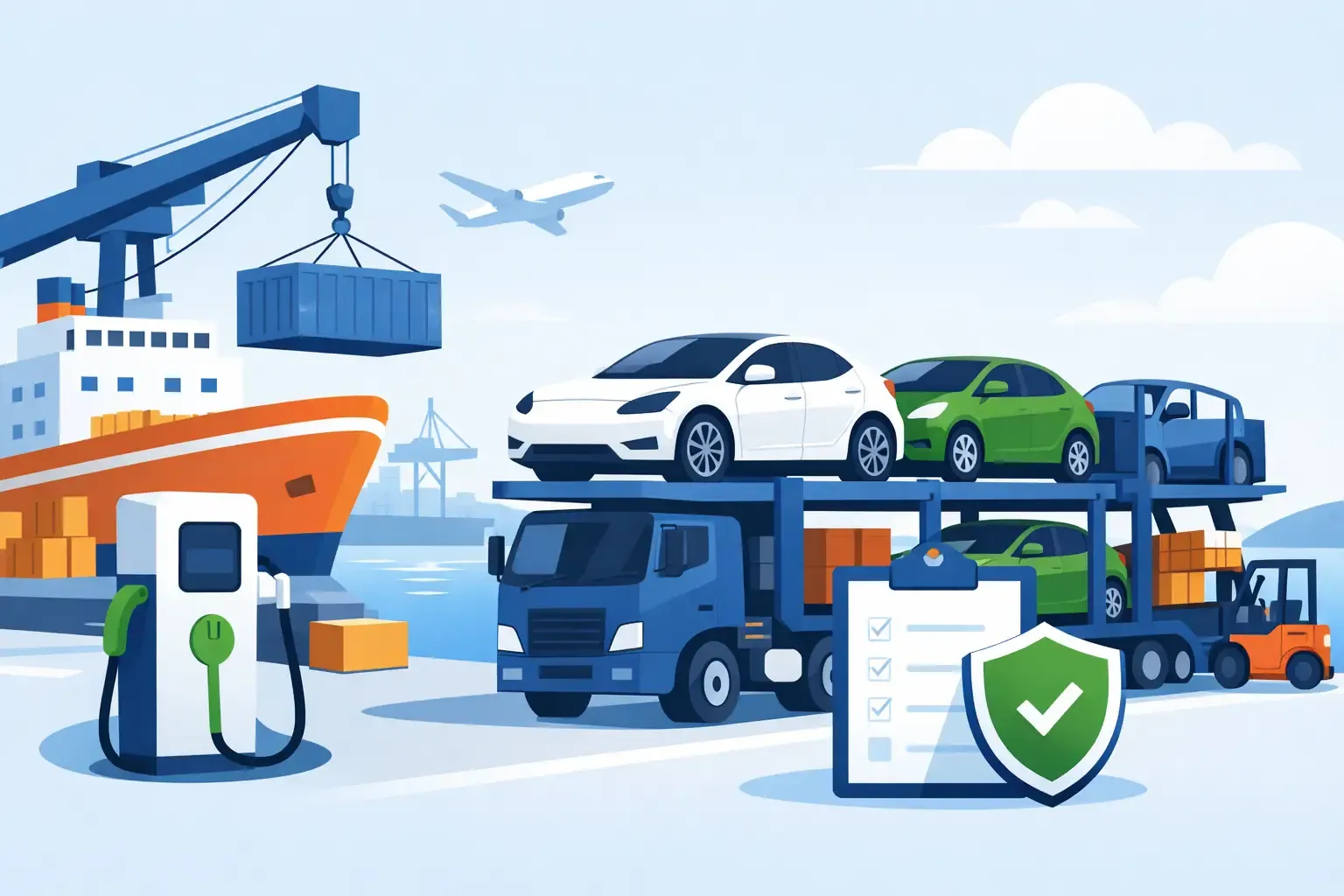
The third question is how the delivery will be managed. Ocean freight, inland transport, customs preparation, port handling, and destination requirements all affect timing and total landed cost. A low purchase price can stop being competitive once avoidable logistics costs and delays are added.
Start with the right vehicle category
Cross border buyers rarely source vehicles for casual reasons. They usually have a defined use case, and that use case should guide the search from day one.
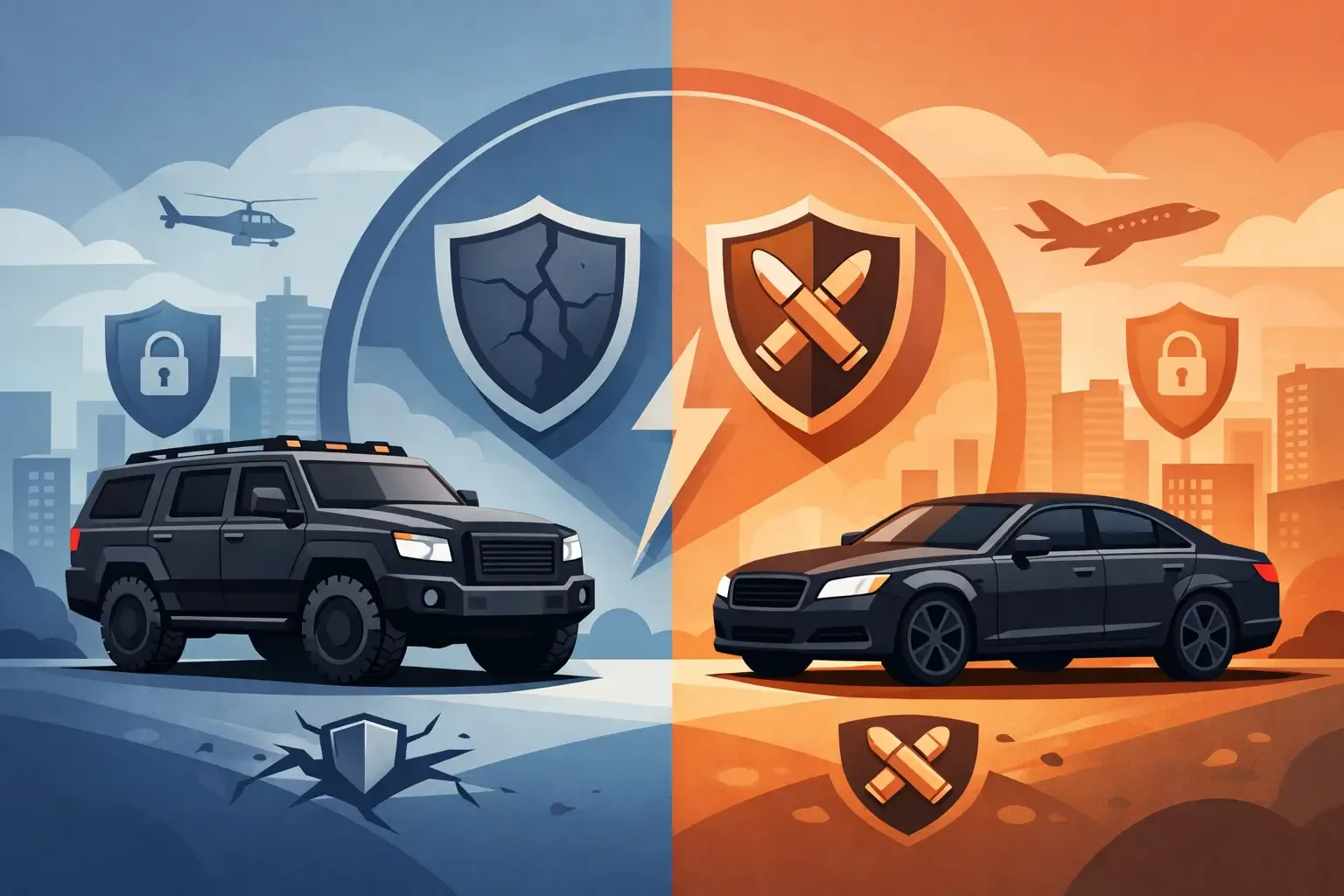
For personal buyers, the focus may be on hard to source EVs, PHEVs, or late model passenger vehicles with stronger availability overseas than in the local market. For fleet operators, the priority is usually consistency across multiple units, dependable lead times, and spec control. Commercial transport businesses need utility, durability, and replacement support. Security buyers need verified armored inventory with clear build details and performance standards.
This is where many transactions become inefficient. Buyers compare unlike for like vehicles because the listing looks attractive, even though the intended operating conditions are completely different. An urban EV for a regulated city market, for example, requires a different sourcing checklist than a commercial pickup headed for heavy use duty. Price still matters, but fit matters more.
Supplier verification matters more than advertised pricing
In international procurement, the cheapest listing is often the least informative one. Buyers should pay close attention to how much detail a supplier can provide before any payment discussion becomes serious.
A credible sourcing partner should be able to confirm actual stock status, VIN-level identification when appropriate, vehicle condition, specification details, production year, and document availability. If the vehicle is new or near new, buyers should also expect clarity around factory source, warranty position where applicable, and delivery lead time. If the unit is used, inspection depth becomes even more important.
There is also a practical reason to verify supplier depth. International sourcing is time sensitive, especially when exchange rates, shipping schedules, or market demand are changing. A supplier with direct channels and ready inventory can move faster than one that is still trying to locate the vehicle after receiving your inquiry.
Inspection is not optional
Pre shipment inspection is one of the most important controls in any international purchase. It protects the buyer from condition disputes, specification misunderstandings, and downstream claims that are much harder to resolve once the vehicle has landed.
Passenger vehicles, inspection should confirm exterior and interior condition, mileage, basic mechanical status, and visible signs of damage or repair. In the case of EVs and hybrids, the evaluation should also address battery related concerns, charging equipment where included, and market specific configuration issues. Commercial and armored units, inspection must go further, covering build integrity, equipment fitment, and any operational features critical to the intended use.
The right inspection standard depends on the vehicle type. A brand new export unit may only need confirmation of production and shipping condition. A used commercial vehicle may require a far more detailed check because downtime after arrival has real business cost. The trade off is simple: more inspection upfront may add time, but not inspecting creates bigger risk later.
Documentation is where many deals slow down
A vehicle can be physically ready and still miss its shipping window because the documents are incomplete or inconsistent. Buyers should treat documentation as part of sourcing, not as an administrative afterthought.
At minimum, the file usually needs to support ownership, commercial invoicing, export processing, and shipment release. Depending on the market, there may also be destination side requirements tied to conformity, emissions, valuation, or import licensing. The exact document set depends on origin and destination, so there is no single universal checklist that fits every country.
What matters is early alignment. Before funds are committed, buyers should know what the destination market requires for customs clearance and registration. This is especially relevant for newer energy vehicles, where standards, tax treatment, and eligibility can vary more than buyers expect.
Shipping method changes the economics
The vehicle and the freight strategy should be evaluated together. Buyers sometimes focus on FOB price and only later compare shipping options, but by then the purchasing decision may already be distorted.
Container shipping can provide additional protection and can make sense for higher value units, specialty vehicles, or consolidated orders. Roll on/roll off can be efficient for standard vehicle movements when route availability is strong. Inland transport to port, loading schedules, and destination congestion all influence the real delivery timeline.
This is also where professional coordination adds value. A sourcing partner that handles export operations every week can often identify workable routing decisions faster than a buyer trying to assemble separate service providers after purchase. Speed matters, but reliability matters more. Missing one vessel can push delivery back significantly.
EVs, PHEVs, and EREVs require a tighter sourcing process
Modern mobility demand has changed international sourcing. EVs, plug in hybrids, and extended range electric vehicles are now a major part of cross border buying, but they also require closer technical review than many conventional vehicles.
Charging standards, plug types, onboard software, battery condition, and destination service support all affect whether the vehicle will be practical after arrival. Some buyers focus on model popularity and overlook operating compatibility in their own market. That can turn a good procurement decision into a difficult ownership experience.
The opportunity is still strong. International sourcing can open access to advanced EV and hybrid models that are limited, delayed, or overpriced locally. But these purchases should be handled with discipline. The right question is not only whether the vehicle is available. It is whether it is available in the right specification for the destination market.
Why buyers choose export ready partners
Experienced buyers usually want fewer handoffs, not more. The sourcing process works better when inventory access, inspection support, export handling, and delivery coordination are aligned through one capable commercial partner.
That is particularly true for buyers managing multiple units or specialized categories. A fleet order, a commercial shipment, or an armored vehicle purchase has very little room for fragmented communication. Verified stock, responsive updates, and pre shipment control are what keep the deal moving.
This is where a company like Automotion Global fits the market. The value is not only in access to inventory, but in operational readiness, supplier relationships, export preparation, inspection support, and worldwide delivery execution built around cross border transactions rather than local retail sales.
Common mistakes that cost buyers time and money
Most sourcing problems are predictable. Buyers rush into payment before confirming availability. They assume a vehicle can be registered locally without checking destination requirements. They compare suppliers by unit price alone, even when inspection standards and logistics support are completely different.
Another common issue is vague communication around timelines. Ready stock, incoming stock, and source on demand are not the same thing. Buyers should ask exactly what stage the vehicle is in and what has already been secured. Precision matters because every step after sourcing depends on that answer.
The strongest buying decisions are usually the least dramatic ones. They are built on verified inventory, clear paperwork, realistic freight planning, and a sourcing partner that can answer operational questions directly.
If you are purchasing across borders, treat speed and certainty as part of the product. The right vehicle is the one that arrives as expected, with the right documents, in the right condition, ready for the market it was bought for.