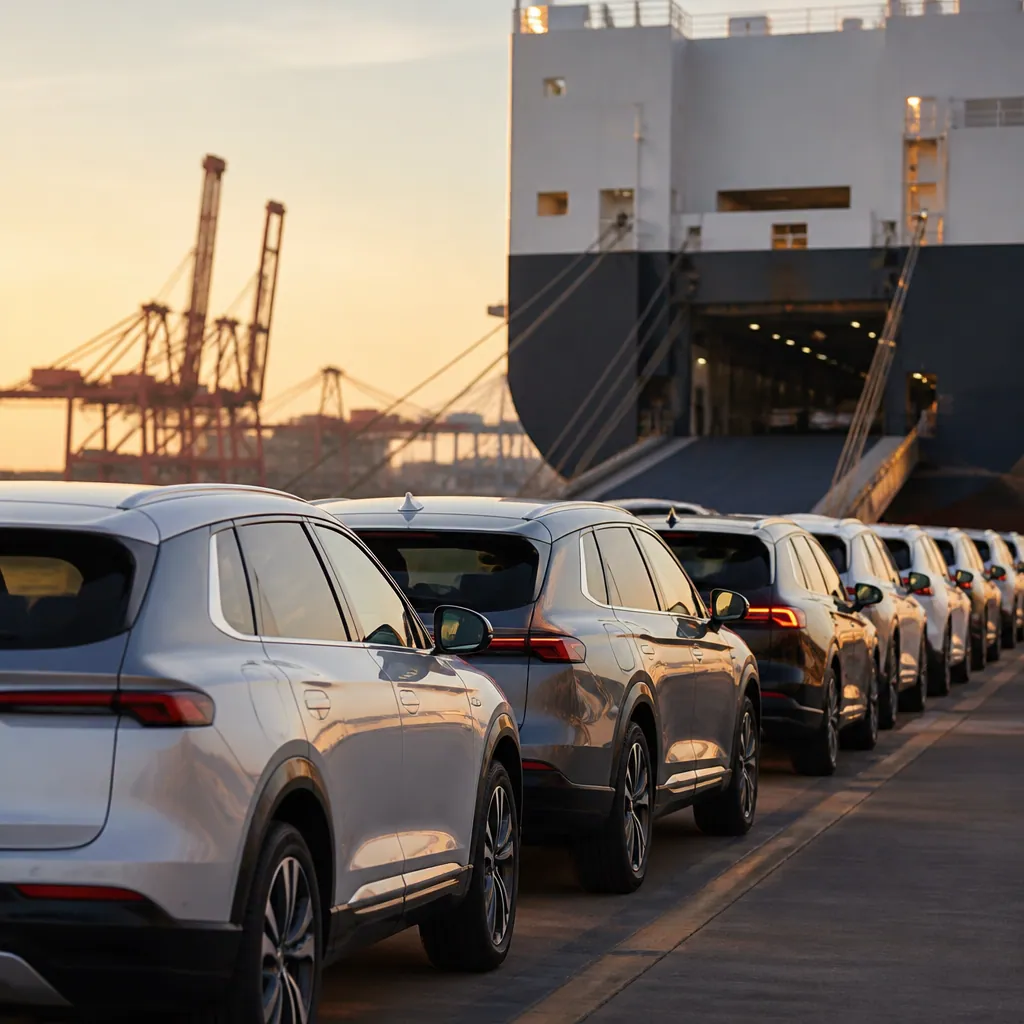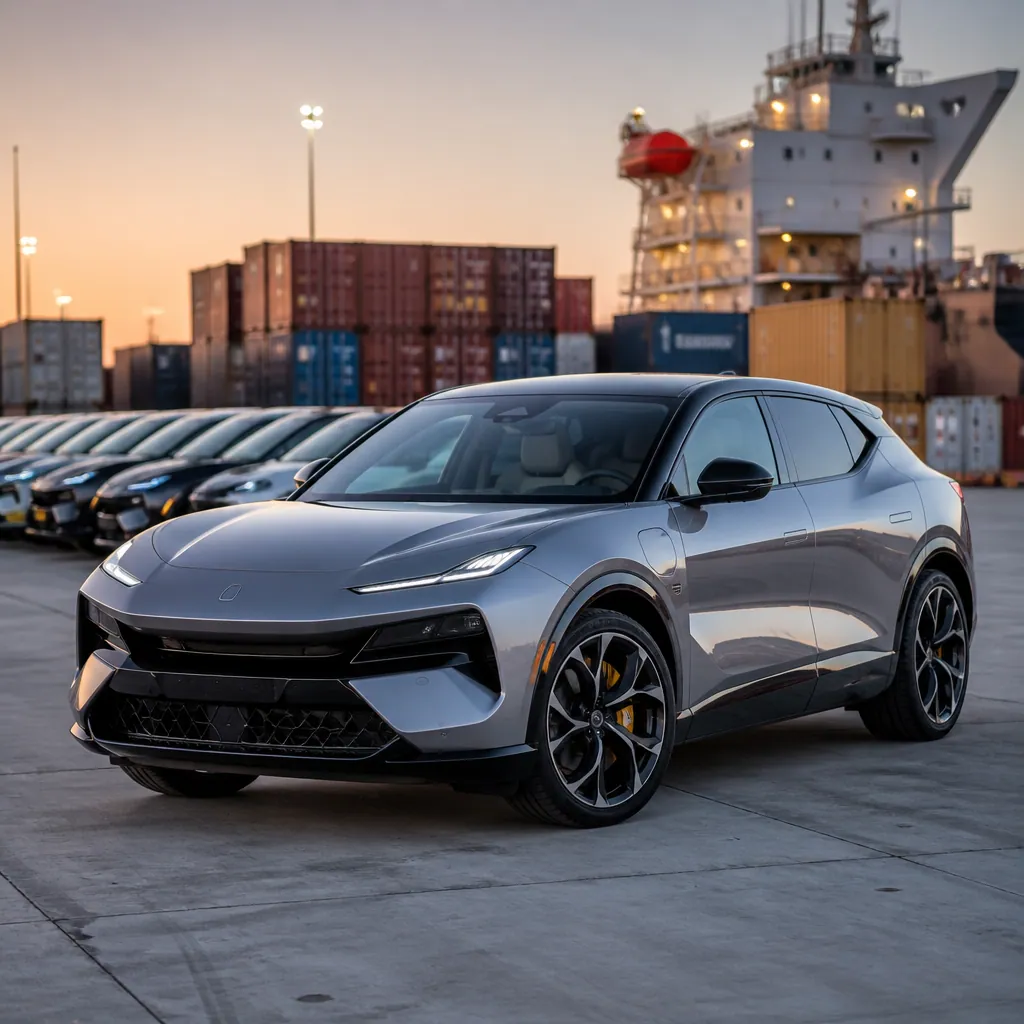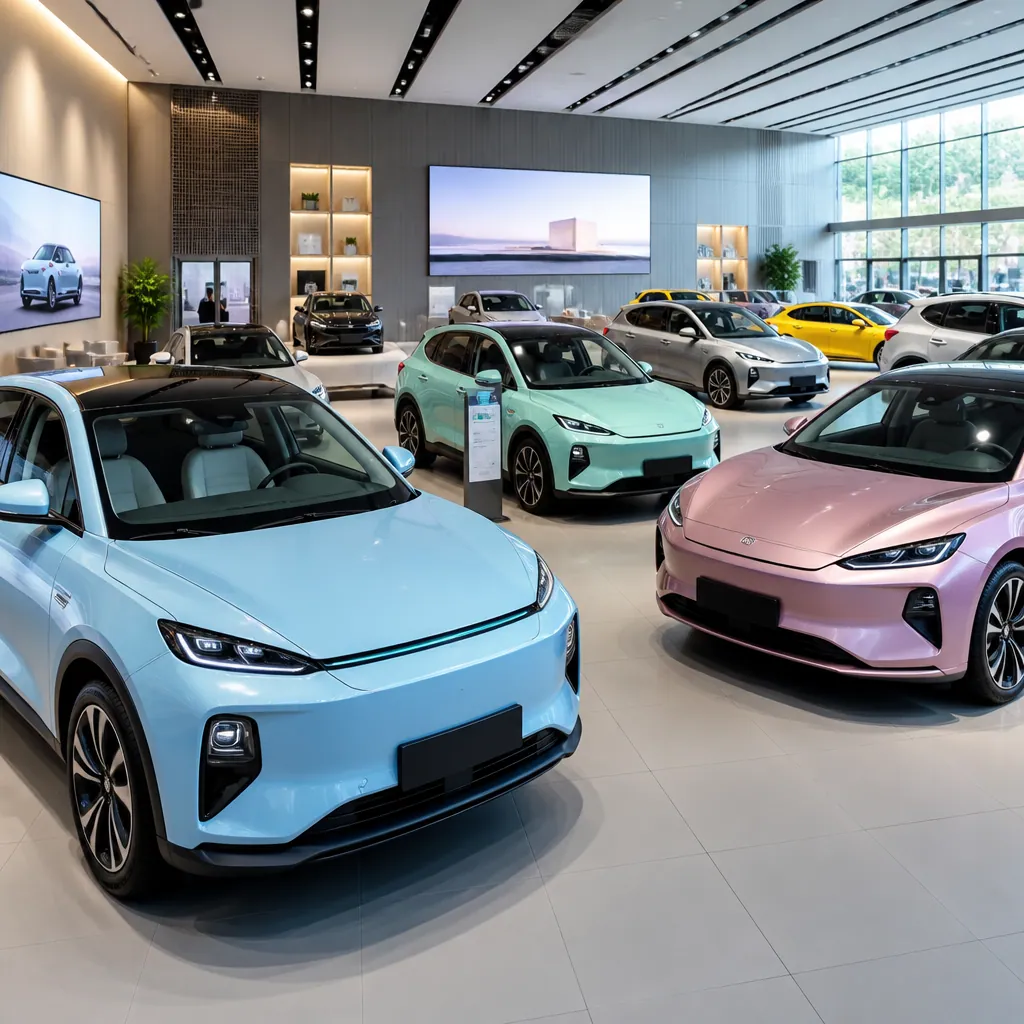
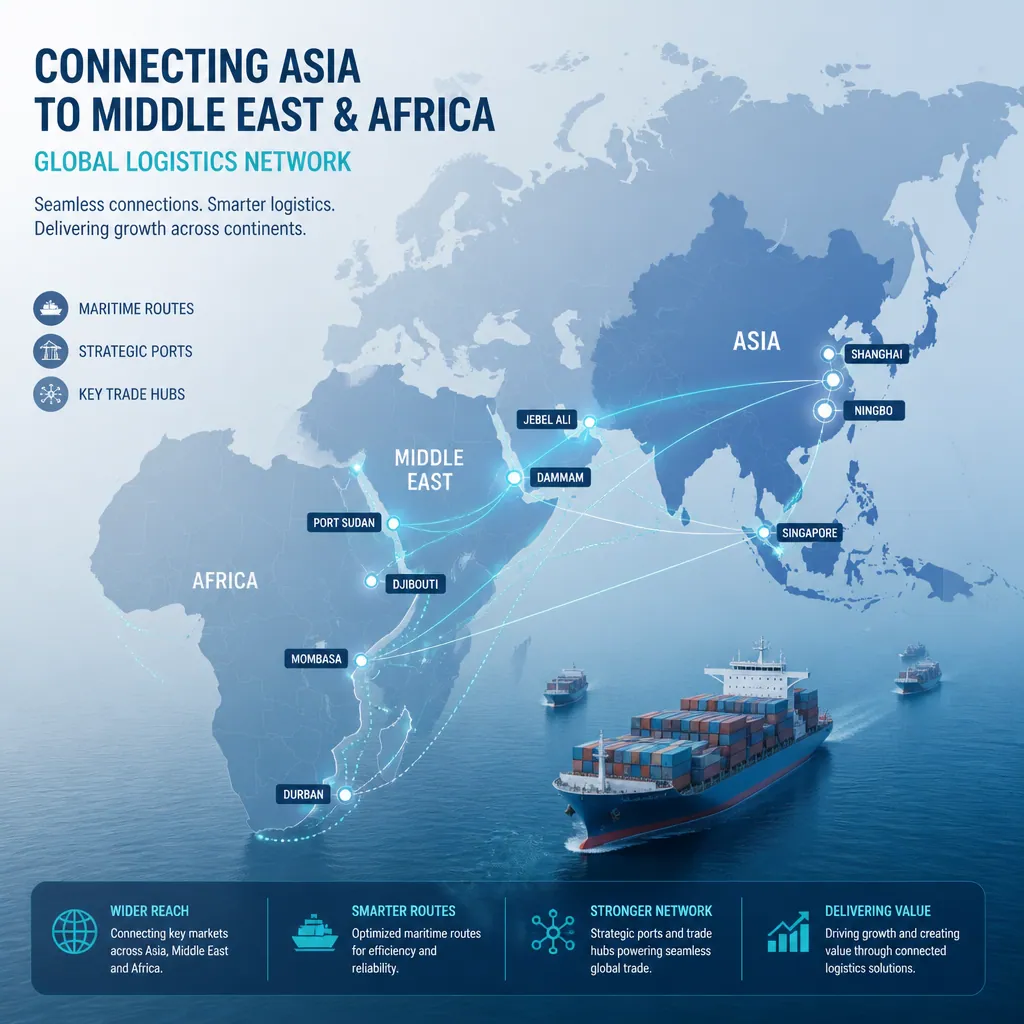
Most international buyers looking to source vehicles from China face the same early problem: the brand landscape looks like a wall of unfamiliar names, sub brands, and corporate structures that take months to untangle. Whether you are a vehicle dealer in the Middle East, a fleet operator in Africa, or a distributor entering a new market in Southeast Asia, understanding which Chinese car brands export at scale, what they actually stand for, and which segment they serve is the difference between a smart sourcing decision and an expensive mistake. This guide cuts through the noise and gives you a working reference for every major brand worth knowing, organized by group, segment, and export relevance.
Quick Takeaways
| Key Insight | Explanation |
|---|---|
| China is now the world’s largest vehicle exporter | Chinese car exports reached approximately 5.5 million units in 2024, overtaking Japan. Forecasts suggest exports could exceed 7 million units in 2025. |
| EVs make up 40% of Chinese passenger vehicle exports | EV share of exports is rising fast. Any dealer ignoring electrification in their sourcing strategy is already behind their competitors. |
| BYD, Chery, SAIC, and Geely dominate export volume | These four groups account for the majority of Chinese vehicles shipped internationally. Most sub brands roll up to one of these four parents. |
| Sub brands serve very different segments | A brand like Zeekr (premium EV) and a brand like MG (value EV) both fall under Chinese ownership but target completely different buyer profiles and price points. |
| PHEVs are growing faster than pure EVs within Chinese exports | PHEVs now represent 40% of NEV sales in China, up significantly year on year. For markets without strong charging infrastructure, PHEVs are often the smarter import choice. |
| Homologation varies widely by brand and market | Some brands (Chery, MG, BYD) have deep homologation work done across dozens of markets. Newer brands may require significant local certification investment before retail. |
| Brand reputation affects aftersales, not just initial sales | Dealers who source brands with strong parts and service networks retain customers. Sourcing an unfamiliar brand purely on price often creates aftersales problems within 12 months. |
Why the Brand Landscape Matters for International Buyers
The Chinese automotive industry does not operate the way Western markets do. A single corporate group often runs four, five, or more brands simultaneously, each targeting a different segment or price tier. When you source a vehicle through a China export specialist, you are not just choosing a model. You are choosing a supply chain, a parts ecosystem, a warranty structure, and in many cases, an ongoing relationship with a specific factory or authorized dealer network in China.
This matters practically. A fleet operator in sub Saharan Africa who sources a BYD commercial van has access to a different level of parts support than one who orders an obscure sub brand that has not yet established regional distribution. Getting the brand selection right at the start saves significant cost and headache down the road.
The most common mistake international buyers make is treating all Chinese brands as interchangeable. They are not. Each one has a different corporate parent, different export infrastructure, and a different answer to the question: who is this car actually built for?
Pro tip: Before you source any Chinese brand for your market, confirm whether that brand has already completed homologation (type approval, emissions certification, safety standards compliance) for your specific country or region. Brands like Chery, MG, and BYD have done this legwork in many markets. Newer or niche brands often have not, and the certification cost falls on you.
The Big Four Export Groups You Need to Know
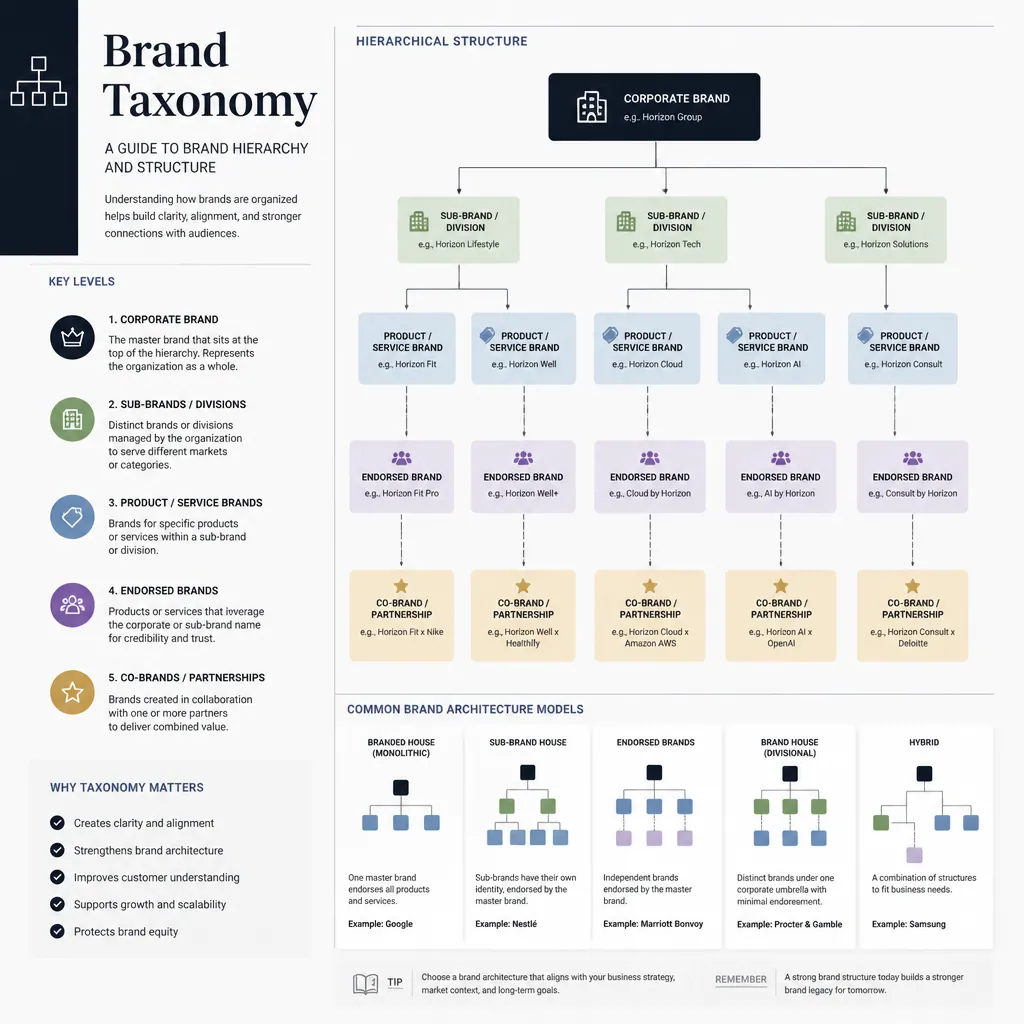
Nearly every Chinese vehicle sold internationally traces back to one of four parent groups. Understanding the group structure tells you a great deal about what to expect in terms of export readiness, brand variety, and long term supply reliability.
BYD Group
BYD is the most important name in Chinese automotive exports right now. The company overtook Tesla as the world’s largest EV manufacturer in 2024, selling nearly 4.3 million electric vehicles globally. It operates its own battery manufacturing and is vertically integrated to a degree few competitors match. Key sub brands include Denza (a premium EV and MPV brand with Mercedes Benz heritage) Yangwang (ultra luxury, including its headline six figure SUV), and Fangchengbaowhich focuses on off road plug in hybrids. For most dealers and fleet operators, the core BYD passenger car lineup (Atto 3, Seal, Dolphin, Han, Tang) is the relevant entry point.
Geely Group
Geely is China’s largest private automotive conglomerate and arguably its most globally sophisticated. It owns Volvo, has a stake in Polestar, and runs a constellation of domestic brands. The export relevant names are Zeekr (premium EVs, strong in Europe and expanding) Lynk and Co (subscription oriented, stylish crossovers), and the core Geely passenger car range. Geely plays the localization game hard, establishing local manufacturing partnerships in multiple markets rather than simply shipping finished vehicles.
SAIC Group
SAIC is a state backed giant and was China’s top OEM exporter for multiple consecutive years. Its most internationally recognized brand is MGa historically British name acquired after the collapse of the Rover Group, now selling electric crossovers across Europe, Australia, and other regions. MG’s existing brand recognition in many markets makes it a low barrier entry for dealers who want a Chinese EV product without needing to build consumer awareness from scratch. SAIC also runs Roewe and maintains major joint ventures with Volkswagen and General Motors.
Chery Group
Chery is arguably the most export aggressive of the four. In 2024, Chery Group reached 2.6 million global vehicle sales and exported approximately 1.1 million vehicles. The group invests close to 7% of revenue into research and development and holds tens of thousands of approved patents. Its export facing brands include Omoda and Jaecoo (recently launched in the UK, shifting 20,000 units in their first year), the premium Exeed range, and the adventure oriented Jetour. Chery has also signed agreements to assemble vehicles locally in markets including Spain, Russia, Brazil, Egypt, and Kazakhstan, which signals serious long term commitment to international distribution.
EV-Focused Brands: BYD, Zeekr, Xpeng, and Avatr Explained
For dealers and importers targeting buyers who want electric and plug in hybrid technology, four brands come up repeatedly in serious sourcing conversations: BYD, Zeekr, Xpeng, and Avatr. Each occupies a distinct position. Conflating them is a common error that leads to mismatched inventory and frustrated customers.
BYD: The Volume Play
BYD is designed for scale. It produces everything from compact city cars to large family SUVs and commercial vehicles, using its own LFP (lithium iron phosphate) battery chemistry. For fleet operators prioritizing total cost of ownership, BYD’s vertical integration and battery reliability make it the pragmatic first choice. Core models to know: Atto 3 (compact SUV, strong in Australia, Europe, Middle East) Seal (sports sedan) Dolphin (urban EV hatchback) Han (premium sedan), and the Tang (large SUV).
Zeekr: Design Led Premium
Zeekr is Geely’s premium EV brand, and it is positioned several price tiers above BYD’s core range. The Zeekr 001 and 007 are explicitly designed to compete with Tesla Model 3, Model Y, and Polestar 2 buyers. The brand has witnessed rapid growth, generating significant revenue in a short period since its founding. Geely recently took Zeekr private again after its US IPO, streamlining operations for a more focused global push. For dealers targeting tech forward, design conscious urban buyers, Zeekr is the most relevant premium Chinese EV option currently exporting at scale.
Xpeng: The Software Challenger
Xpeng is a tech first automaker that leans heavily on software, highway and urban driver assist features, and frequent over the air (OTA) updates. Its positioning is as a direct competitor to Tesla’s technology story rather than its price point. For markets where buyers respond to autonomous driving narratives and connected car features, Xpeng has a compelling product story. In practice, Xpeng’s export footprint is more selective than BYD or Chery, so sourcing lead times and local support infrastructure need careful verification before committing to an order.
Avatr: The Changan-Huawei-CATL Alliance
Avatr is a luxury EV brand born from a joint venture involving Changan Auto, Huawei, and CATL. That combination means Avatr vehicles carry Huawei’s intelligent cockpit technology and CATL’s latest battery systems under the same roof. The brand targets buyers who want flagship level interior technology and are willing to pay a premium for it. Avatr’s export volumes remain more limited compared to BYD or Chery, making it better suited for dealers targeting high margin, low volume luxury sales rather than fleet or mass market distribution.
Pro tip: When evaluating BYD, Zeekr, Xpeng, or Avatr for your market, request the exact battery chemistry and warranty terms in writing before placing an order. LFP chemistry (common in BYD) handles heat and frequent charging cycles differently from NMC chemistry. In hot climates typical of the Middle East and Africa, this distinction has a direct impact on battery longevity and customer satisfaction.

Volume Brands Built for Dealers and Distributors
Not every dealer sourcing from China needs a flagship EV brand. Several brands are specifically optimized for volume, affordability, and broad market appeal. These are often the best starting point for importers entering a new territory or for fleet operators who need large quantities at predictable cost.
Haval (GWM Group)
Great Wall Motor’s (GWM) Haval brand specializes in SUVs, with a particular focus on budget and mid range models. Haval has achieved considerable commercial success in markets including Australia and various Middle Eastern and African countries. For dealers who want a proven, recognizable SUV product with an established service footprint, Haval is one of the most reliable Chinese brand choices currently available at volume.
Chery Jetour and Omoda
Within the Chery ecosystem Jetour targets adventure and outdoor buyers with rugged SUV styling at accessible price points. Omoda is Chery’s design forward urban SUV brand, and it has performed strongly in its first year of UK sales. Both brands benefit from Chery’s extensive homologation history across 80-plus countries and the group’s more than 1,500 dealers and service centers globally. For a new distributor, that network provides meaningful aftersales backing.
MG (SAIC)
MG deserves special mention for dealers entering markets where brand recognition matters. Because MG carries British heritage (despite being owned by SAIC), it often generates consumer trust faster than unfamiliar Chinese marques. MG’s EV lineup, including the MG4 and ZS EV, is value focused and is designed specifically to undercut European rivals on price. This positioning works especially well in markets where buyers are price sensitive but still want EV credentials.
GAC Aion
GAC’s Aion sub brand is one of China’s fastest growing mass market EV nameplates domestically, with a lineup focused on affordable pure electric vehicles. For fleet operators targeting taxi companies, ride hailing fleets, or corporate green transport programs, Aion’s cost to specification ratio is competitive. Export infrastructure for Aion is building out but is less mature than BYD or MG, so verify regional support before committing to large orders.
Brand Comparison: Segment, Export Strength, and Buyer Fit
The table below gives dealers and importers a fast reference for matching a Chinese brand to a specific market need. Treat this as a starting framework, not a final word, since brand export status and model availability shift with each model year.
| Brand (Parent Group) | Primary Segment and Positioning | Best Fit for International Buyers |
|---|---|---|
| BYD (BYD Group) | Mass market to premium EVs and PHEVs, all vehicle types including commercial | Fleet operators, volume dealers, EV-first markets, Middle East and Africa |
| MG (SAIC Group) | Value focused EVs and ICE crossovers with Western brand recognition | Dealers entering markets where buyer trust in Chinese brands is still building |
| Haval (GWM Group) | Budget to mid range SUVs, ICE and mild hybrid | Distributors targeting price sensitive SUV buyers in Africa and Asia |
| Chery Omoda / Jetour (Chery Group) | Urban design led SUVs (Omoda) and adventure SUVs (Jetour), mixed powertrains | Dealers who want Chery’s global homologation depth with fresher product styling |
| Zeekr (Geely Group) | Premium EVs competing with Tesla and Polestar | High margin low volume dealers in tech savvy urban markets |
| Xpeng (Independent) | Software led EVs with advanced driver assistance | Markets where technology features drive purchase decisions |
| Avatr (Changan-Huawei-CATL) | Luxury EVs with flagship smart cockpit and battery technology | Premium dealers targeting corporate or luxury buyer segments |
What to Ask Your Supplier Before You Place an Order
Knowing the brand landscape is only half the job. The other half is knowing how to evaluate the export supplier standing between you and the factory. A common mistake among first time importers is focusing entirely on vehicle price per unit and missing the variables that determine whether the entire transaction succeeds.
Verify Homologation Status First
Ask your supplier to confirm exactly which certifications a specific model holds for your target market. Do not accept vague answers like “should be fine” or “similar markets have approved it.” Brands like Chery and MG have done substantial homologation work across multiple regions. Others have not. The cost of certifying a vehicle that lacks type approval in your country can exceed the per unit margin on an entire container shipment.
Confirm Parts Availability and Lead Times
A vehicle sale without a functioning aftersales chain creates warranty liabilities that can destroy a dealer’s reputation. Before you sign any sourcing contract, ask specifically: does this brand have an authorized regional parts warehouse, what are typical lead times for common wear items, and who handles warranty claims for export units? Brands with established export infrastructure (BYD, Chery, MG, Haval) generally have clearer answers. Newer brands or niche sub brands often do not.
Ask About Model Lifecycle and Refresh Schedules
Chinese automakers iterate on models faster than Western manufacturers. A model you source today may have a significant refresh or replacement within 18 months. This is not necessarily a problem, but it affects residual values and parts continuity. Ask your supplier what the current model year is, whether a facelift is scheduled, and how parts for outgoing models are supported.
Pro tip: Request a sample vehicle inspection report from your supplier before committing to a large order. Any serious China vehicle export operation, including Automotion Global, conducts pre shipment inspections. If a supplier cannot or will not provide an independent inspection report, treat that as a direct warning sign about their reliability as a partner.
Frequently Asked Questions
Which Chinese car brand is best for fleet buyers in the Middle East and Africa?
For most fleet operators in the Middle East and Africa, BYD and Haval are the two most practical starting points. BYD offers the broadest range of EVs and PHEVs with proven export infrastructure, while Haval delivers established SUV products at price points that work well for large fleet procurement budgets. Chery is also worth evaluating for mixed powertrain fleets given the brand’s deep homologation history across both regions.
What is the difference between Zeekr and Xpeng for international distributors?
Zeekr is design led and premium positioned, competing at Tesla Model Y and Polestar price points with an emphasis on interior quality and build refinement. Xpeng is software led, with its competitive edge in driver assistance technology, OTA update cadence, and connected features. For distributors, Zeekr suits markets where buyers prioritize physical product quality and brand prestige. Xpeng suits markets where technology storytelling and software capability drive purchasing decisions.
Is Avatr available for export outside China?
Avatr’s international export footprint is still limited compared to larger brands like BYD or Chery. The brand is backed by Changan, Huawei, and CATL, which gives it strong technology credentials, but international distribution infrastructure is not yet at the same maturity level. Dealers interested in Avatr for high margin luxury segments should work with a specialist China vehicle export partner who can confirm current export availability and any applicable homologation requirements for their specific market.
Do Chinese car brands hold their value in international markets?
Residual value performance varies significantly by brand and market. Established brands with strong local dealer networks (MG in Europe and Australia, BYD in several Middle Eastern and Southeast Asian markets, Haval in Australia and Africa) tend to hold value better than niche or recently launched brands with limited service infrastructure. Residual values across Chinese brands are generally improving as consumer confidence grows, but they still typically trail equivalent Japanese brands in most markets.
What is the role of a China vehicle export specialist like Automotion Global versus buying directly from a factory?
Buying directly from a Chinese factory sounds appealing on paper but involves significant complexity in practice. Factory minimum order quantities are often large, export documentation requirements are extensive, and quality control at the factory gate is inconsistent without independent inspection. A China vehicle export specialist like Automotion Global handles sourcing coordination, supplier vetting, pre shipment inspection, export documentation, customs procedures, and international shipping, and provides aftersales support. For most international dealers and fleet operators, this full service model significantly reduces risk and total transaction cost compared to direct factory purchasing.
How do I know if a Chinese brand is right for my specific market?
Start by confirming homologation status for your country, then assess the brand’s parts and service network in your region, then review whether the model range matches the segment demand your market actually has. A brand that is thriving in Australia may have no homologation in your West African market. A brand that sells well in the Gulf may have no dealer support infrastructure in Southeast Asia. The brand itself matters, but export readiness to your specific market is the more important variable to verify.
If you have experience sourcing vehicles from China for your market, share what you found most useful to know before your first order. Your insight helps other buyers make better decisions.
References
- Overview of major Chinese BEV brands including BYD, NIO, Zeekr, and MG with positioning and key model details
- Guide to Chinese EV companies and their global export strategies, scale, and brand differentiation
- China overtakes Japan as the world’s largest vehicle exporter, with EV export data and brand rankings
- Chinese car brands accelerating global market share gains with 2024 export volume statistics
- Detailed overview of Chinese electric car brands including Chery, Zeekr, and Xpeng with sales data